





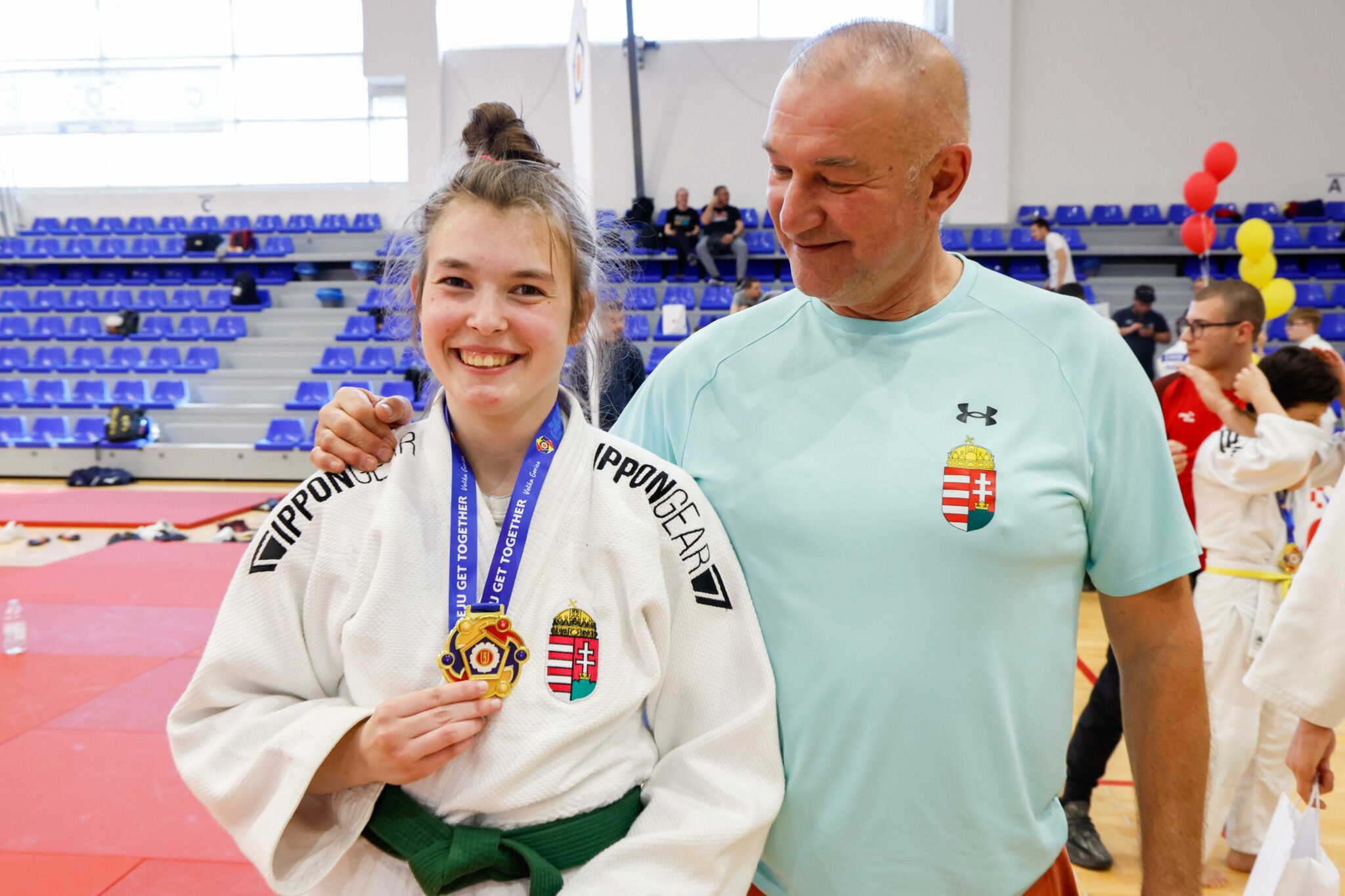
As the Get Together Tour prepares to make its next stop in Győr, we sat down with Megyeri László, one of the passionate coaches behind the Hungarian adapted judo team. In his calm and grounded presence, it’s clear that coaching for him is about people, dignity, and a kind of joy that only sport can offer.

“These are special people,” Megyeri says without hesitation when asked what makes this tournament so important to him and his athletes. “Special people, special judoka. That’s what makes it special. Every time.” When Megyeri calls them “special people,” he doesn’t mean that their condition defines them or makes them different in a limiting way. What truly makes them special is everything they have overcome, the challenges they have faced, the strength they have shown, and the way they have grown through it all. Their journey, their resilience, and their spirit on and off the mat, that’s what makes this tournament, and the people in it, so meaningful to him.
Echoing that, he expressed that adapted judo is about much more than simply modifying a martial art, it is about adapting the way we see strength, success, and inclusion. For Megyeri, this work is deeply personal. “Inclusion through sport stays with you in every part of life,” he says. “It is not just on the mat. It becomes part of who you are.”
When he speaks of his athletes, it’s with a blend of pride and protectiveness. The values of judo are all there but above all, he higlight a single word: respect. “That’s the most important thing I teach them. If they walk away with anything, I want it to be respect.”
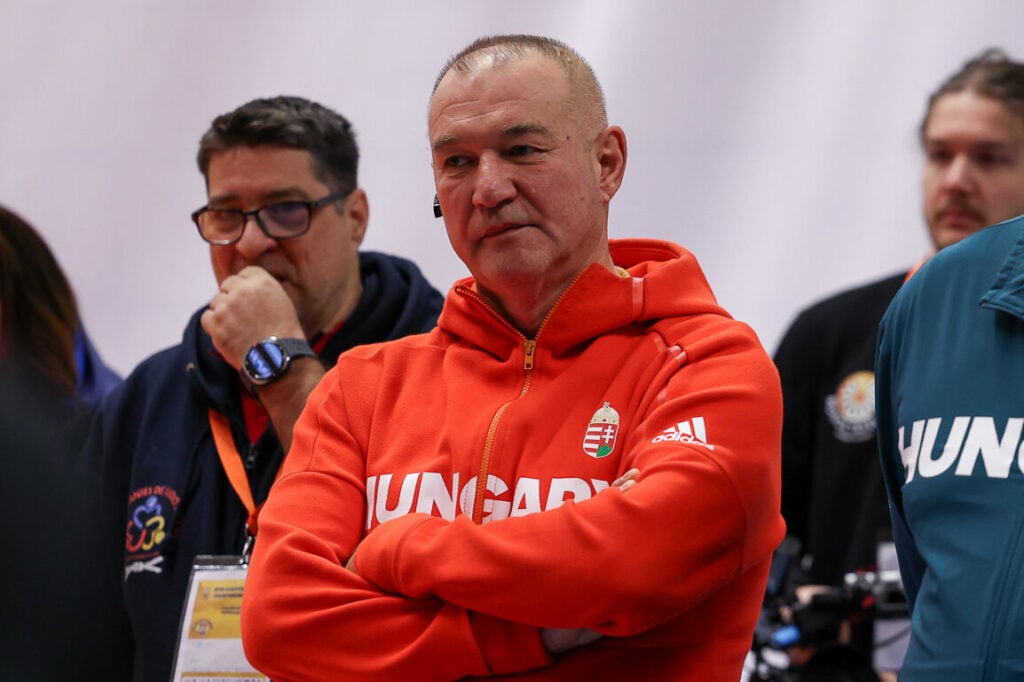
Megyeri’s voice warms when asked to recall the proudest moment of his coaching career. “When my students are standing on top of the podium,” he smiles. “Those are the moments. Not because they have won, but because, as I said, I know how far they have come.”
Each athlete he trains comes with different needs and that is something he embraces. “I am a good organiser,” he laughes with a hint of understatement in his voice. “You have to be. No two trainings are ever the same. You adjust, you learn, you listen.”
What does he hope they will carry with them from the upcoming event in Győr? His answer is disarmingly simple: “Joy and happiness.” Now, if he had to describe his team in one word, he wouldn’t say “strong” or “brave”, even though they are. He chooses something different: “Honest.”
Undeniably, there is a raw, open-hearted honesty in the way adapted judoka approach the sport and in the way their coaches guide them. That is what makes these events truly unforgettable.
Images: Gabi Juan/Carlos Ferreira
Author: Szandra Szogedi