





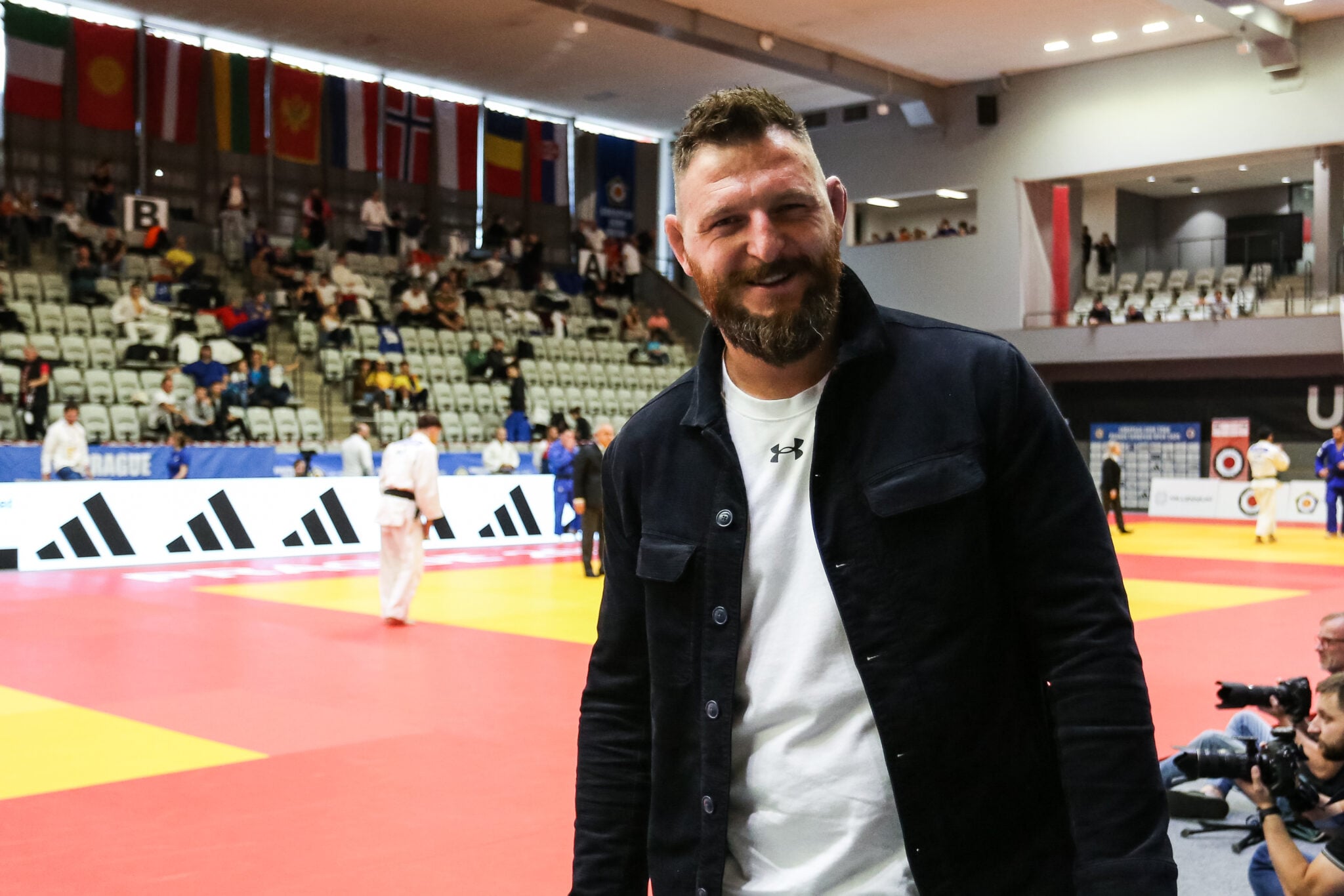
When Lukáš Krpálek steps onto the tatami, the crowd leans in just a little closer. In Prague, at the European Open 2025 past weekend, the double Olympic champion didn’t attend to compete but to support his teammates. He spoke with us about a new chapter in his story: the release of his documentary.

“I never imagined that one day my journey would be in a film,” Krpálek said with a smile. “It feels strange to watch myself from the outside but I think it’s important for young athletes to see not only the victories but also the defeats that made me stronger.”
The Rival Who Shaped Him
One of the central figures in the documentary is Japan’s Takamasa Anai, a former world champion and one of the toughest opponents Krpálek ever faced. “He beat me three times. Every time I went home frustrated, thinking: How can I ever beat this man?” Krpálek recalled.
Anai’s dominance culminated in his world title in 2010, while the Czech judoka was still finding his place among the elite despite being a Junior World Champion. Yet, the turning point came two years later on the grandest stage of all, the 2012 London Olympics.
“In the second round in London, my first contest, I faced him again,” Krpálek said. “That day, I found the courage and the strength. I beat him. For me, that fight was like a personal Olympics inside the Olympics.”
Although he finished seventh in London, the victory on Anai was more than just a bout. It marked the beginning of Krpálek’s rise, eventually leading to Olympic gold in Rio 2016 and again in Tokyo 2021.
A Film About More Than Medals
The documentary traces that arc: from defeats and doubts to resilience and ultimate triumph. Directed for Czech audiences but with ambitions to reach Japan, and perhaps even streaming platforms like Netflix in the coming months, the documentary aims to capture the human side of one of judo’s modern greats.
“It’s not just about medals and in fact not about me” Krpálek explained. “It’s about discipline, sacrifice, and the people who support you. My family, my coaches, my teammates, without them, this story would not exist.”
The premier of the film was coincidental with the European Open, normally held in March. Visiting that event was a symbolic gesture that underlines Krpálek’s connection to his home country and to the grassroots of the sport.
Lessons for the Next Generation
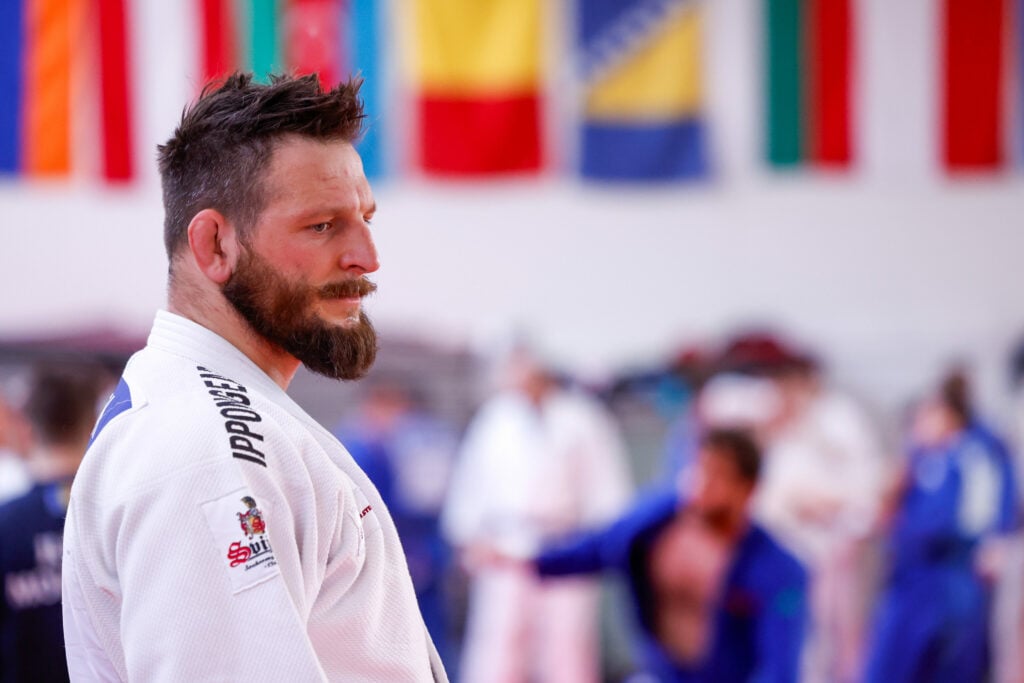
More than once, Krpálek emphasised that the documentary is meant as a message for younger judoka. “When you lose, you feel terrible. You want to give up,” he said. “But sometimes defeat is the best teacher. If I had not lost to Anai all those times, maybe I would not have become Olympic champion. I want kids to see that in the film. It’s okay to fall. What matters is that you stand up again.”
Between Czech and Global Audiences
Krpálek’s accepts the role as both a national hero and an international figure with pleasure despite his modesty. In the Czech Republic, he is a household name, celebrated for bringing Olympic glory in a sport that demands both physical power and mental resilience. Abroad, especially in Japan, he is respected as one of the few non-Japanese judoka to consistently challenge and defeat the very best.
“That’s why I also hope the documentary will be shown in Japan,” Krpálek said. “Judo is their sport, their tradition, and it means a lot to me that I could compete with their champions. I think Japanese fans will understand my journey too.”
Looking Back, Looking Ahead
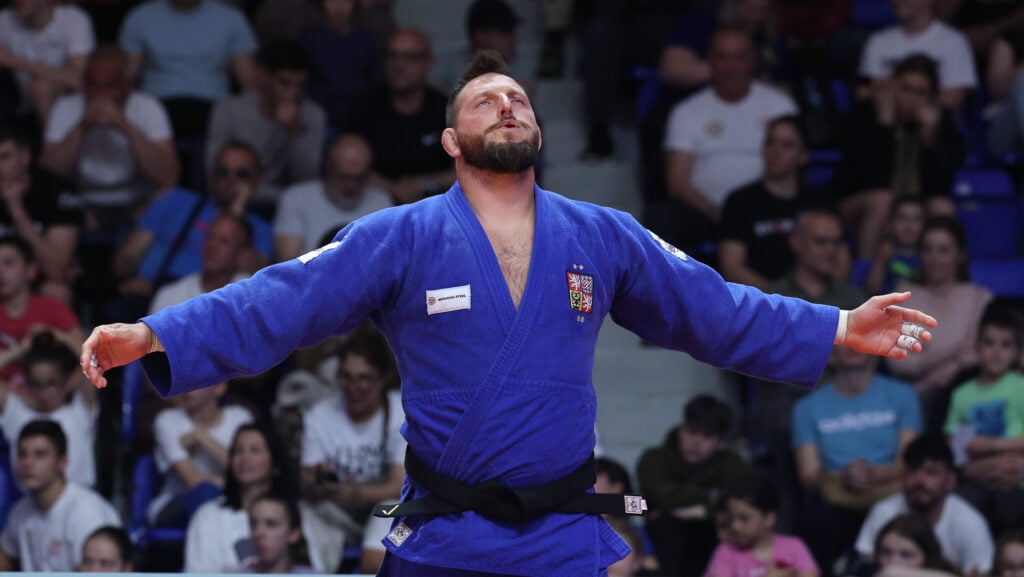
At 34, Krpálek is aware that his competitive career is closer to its end than its beginning. Yet he remains an active force in the sport, still training, still competing, and still inspiring. “I don’t know when I will stop,” he admitted. “But even when I finish competing, judo will always be part of my life.” This year he will still be fighting at the Grand Prix in Lima and Guadalajara and the Grand Slam in Tokyo. Then a period with no competitions where he will only be focussed on the gym and train hard, maybe European Championships next year April.
Krpalek won the European Open in Prague four times and didn’t even realise those records, for him, younger athletes chasing their first big results with Krpálek as example is a proof of what persistence can achieve.
“I hope people who watch the documentary feel hope,” Krpálek concluded. “Because in sport, as in life, it is never just about winning. It is about who you become through the journey.”
With his story now captured on film, Lukáš Krpálek’s legacy extends beyond the tatami. It belongs to the big screen, to future generations, and to anyone who has ever faced defeat and wondered if they could rise again.
Judoka

Author: Hans Van Essen