





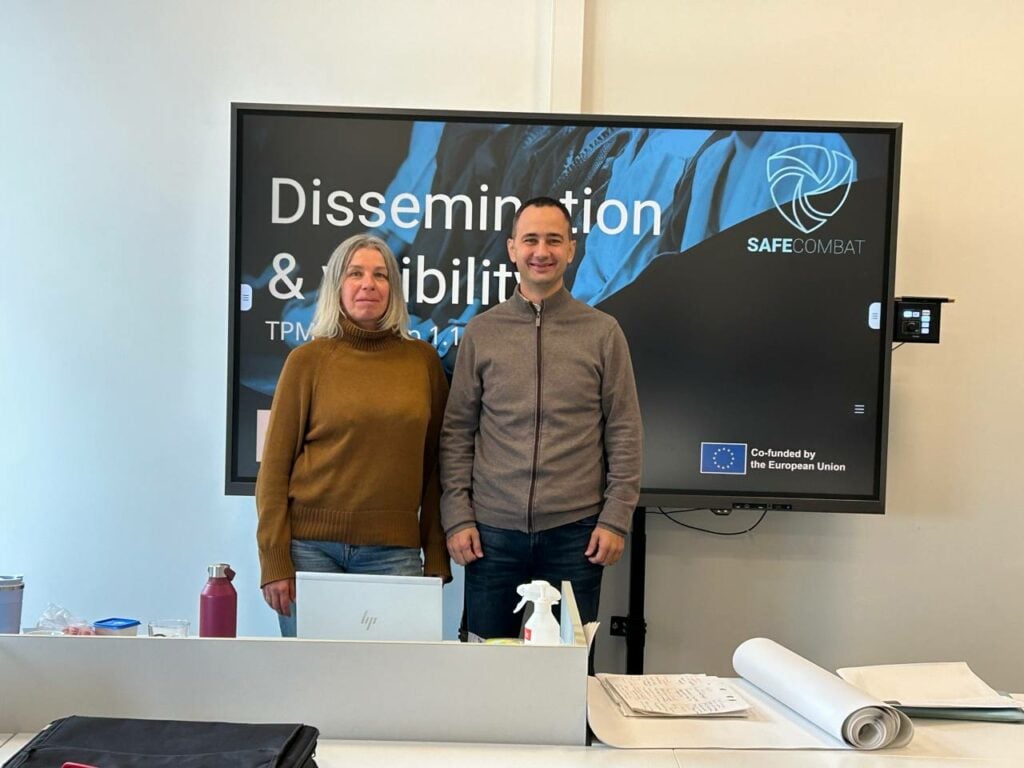
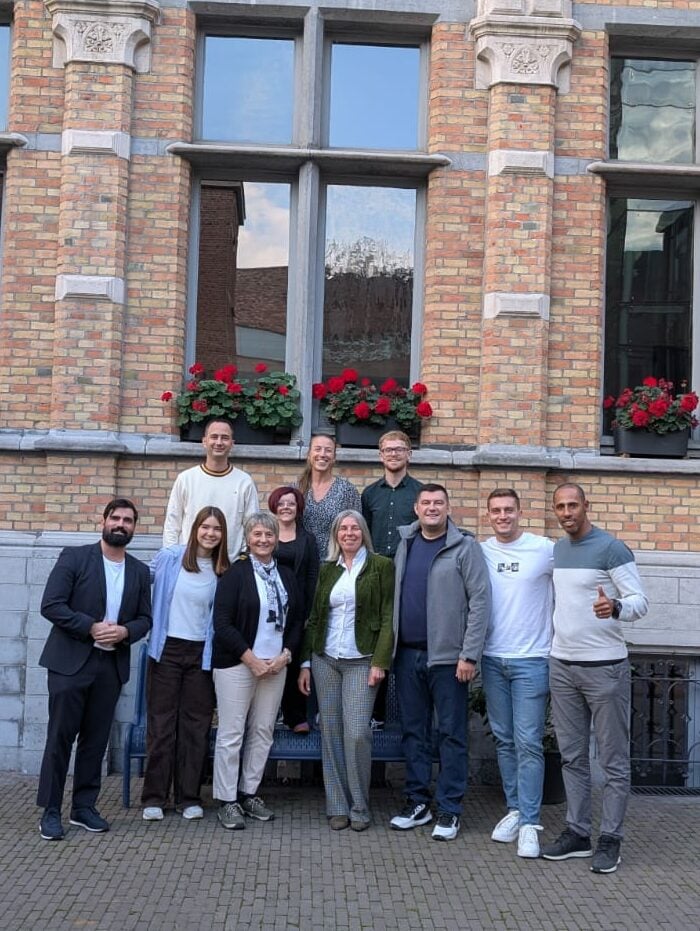
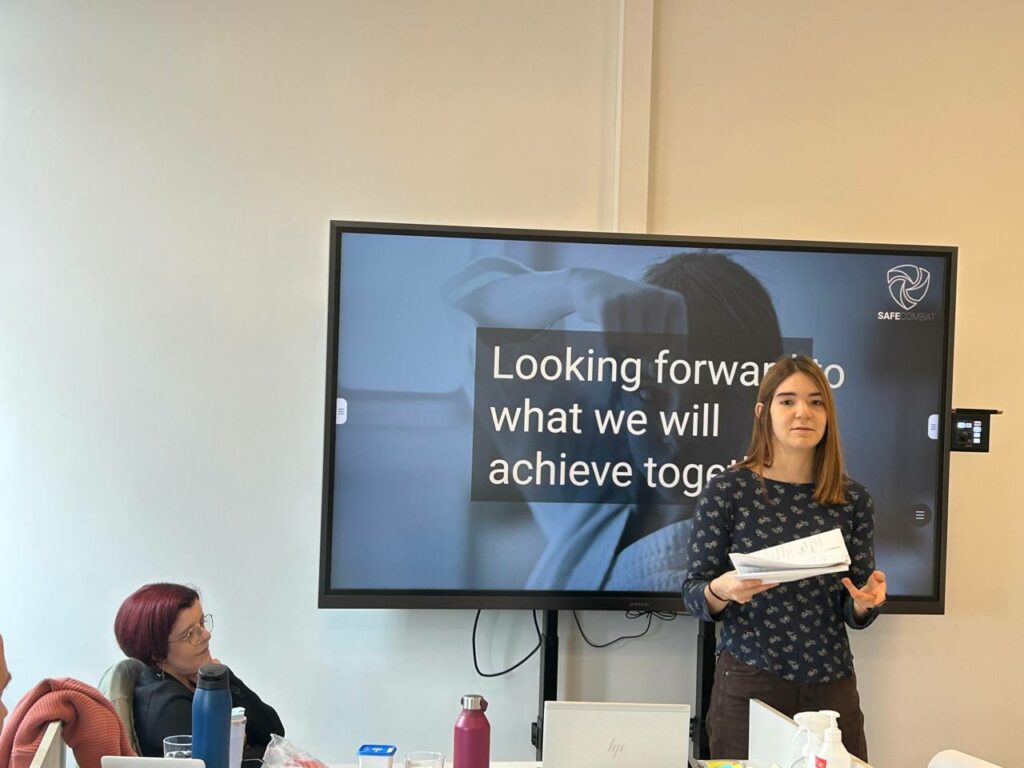
The Erasmus+ project “SAFE Guarding code for COMBAT sports and martial arts (SAFE COMBAT)” continues to take major steps forward in its mission to create a safer and more supportive environment for athletes across Combat Sports and Martial Arts (CS&MA). Between 30 September – 1 October 2025, representatives from partner organisations gathered in Antwerp, Belgium, for the project’s 2nd Research Meeting, hosted by Thomas More University (TMU).

The SAFE COMBAT project aims to promote safeguarding awareness, guidance, and education among clubs, coaches, young workers, and volunteers, ultimately contributing to the human development and welfare of young athletes.
Partner organisations represented at the meeting included:
- European Judo Union (EJU)
- Sport Evolution Alliance
- WAKO Europe – World Association of Kickboxing Organisation
- Karate Federation of North Macedonia
- Thomas More University (TMU)
- The Sport Innovation Hub
Three Core Objectives
The project is built upon three main objectives that structure its work and expected outcomes:
- Mapping the state of the art – identifying existing safeguarding policies, practices, and challenges within Combat Sports and Martial Arts.
- Creating and promoting a Safeguarding Code and educational framework tailored to the needs of CS&MA communities.
- Developing a certification process for clubs and organisations that demonstrate compliance with safeguarding standards.
Focus on Research and Knowledge Building
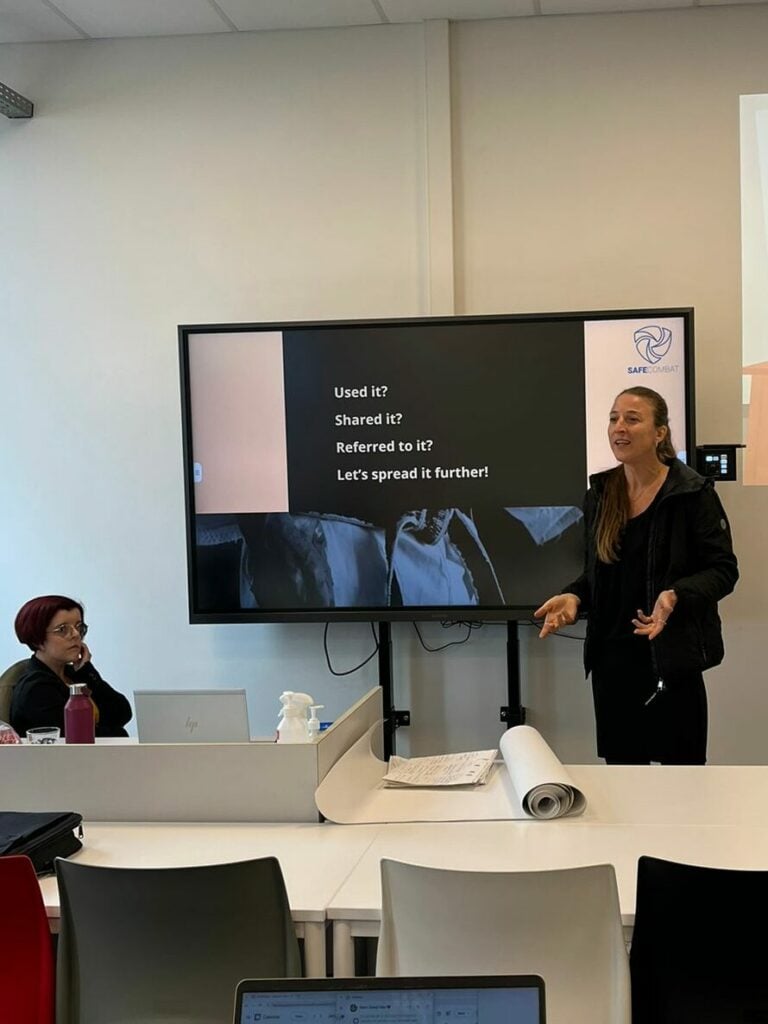
The Antwerp meeting was primarily dedicated to the research phase of the project, which is being led by Thomas More University. The TMU research team presented the results of an extensive literature review exploring current safeguarding practices, risks, and intervention models across Combat Sports and Martial Arts.
This research provides the foundation for the creation of the SAFE COMBAT Safeguarding Code, a comprehensive set of principles and guidelines designed to protect athletes and ensure ethical, safe environments in training and competition.
The outcomes of the TMU research will also be presented at the EU Sport Congress in November 2025 in Lille, where the project’s findings will contribute to the broader European dialogue on safeguarding in sport.
Active Collaboration and Exchange of Experience
The two-day meeting in Antwerp was marked by active discussions and exchanges among all project partners. Participants shared insights from their national safeguarding policies, federation-level initiatives, and focus group findings, highlighting both challenges and good practices observed in their respective countries.
A major portion of the meeting was devoted to brainstorming on the content and structure of the forthcoming Safeguarding Code. The partners discussed key elements to be included, such as ethical guidelines, reporting mechanisms, education for coaches and volunteers, and strategies to build a positive sporting culture that prioritises respect, inclusion, and athlete well-being.
Experts from all participating organisations will continue to collaborate closely in the coming months to shape and refine the Safeguarding Code, ensuring it reflects the diversity of disciplines and cultural contexts within Combat Sports and Martial Arts.
A Step Toward a Safer Sporting Culture
The SAFE COMBAT project represents an important collective effort to raise awareness, standardise safeguarding practices, and empower organisations to take proactive steps in protecting their athletes. By combining academic research, field experience, and multi-sport collaboration, the project aims to set a new benchmark for safety and integrity in the world of Combat Sports and Martial Arts.
As the project advances to its next phase, the focus will shift toward developing educational materials and launching the Safeguarding Code, followed by certification opportunities for clubs that commit to implementing its principles.
Author: EJU Media