





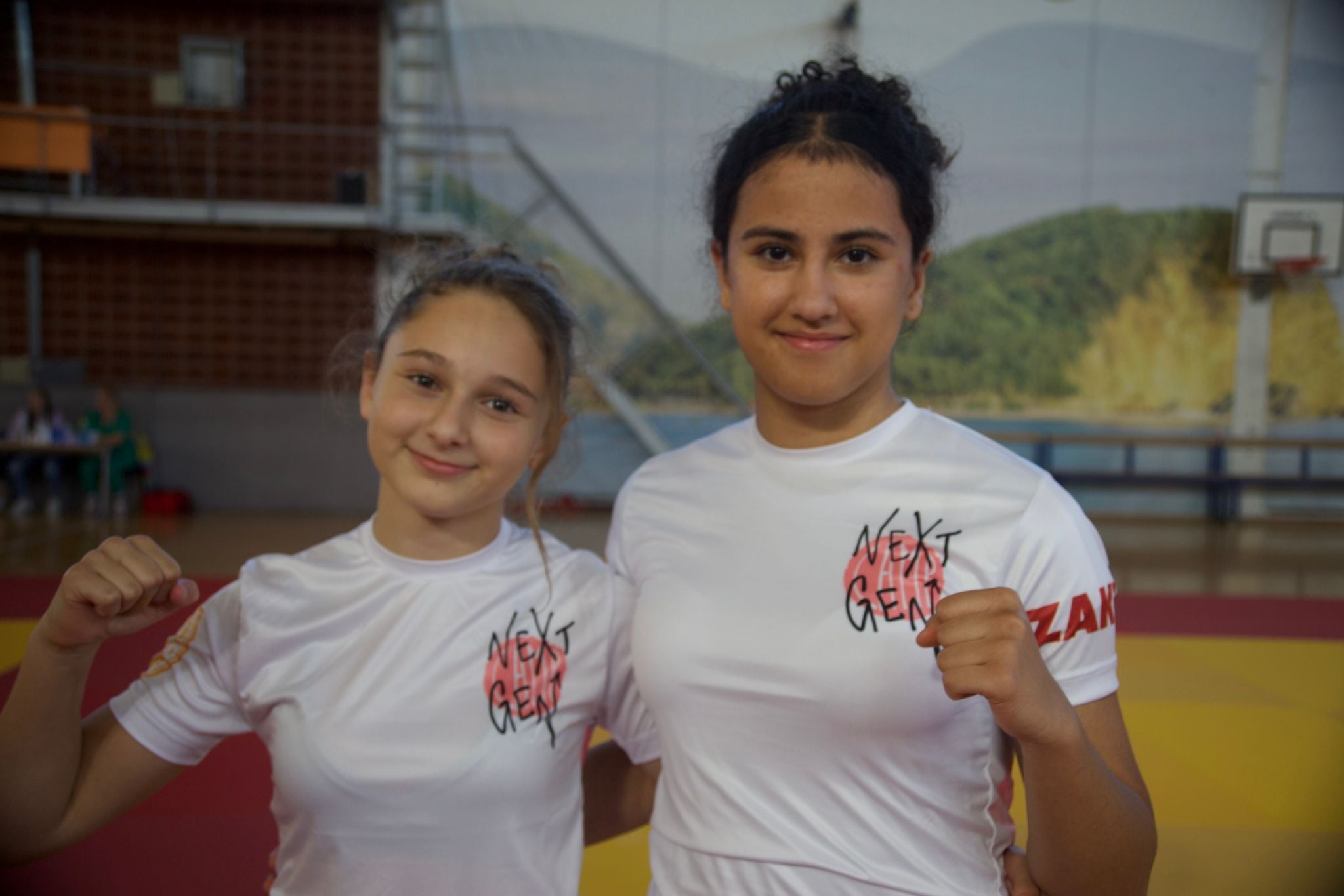
Gretha Östlind, Klara Mattsson, and Naemi Jaworowski are building something revolutionary, a training environment where young women don’t just compete, they thrive. Women’s empowerment in sport has become a rallying cry across the globe but three Swedish judoka decided talk wasn’t enough. They wanted action and they built it themselves.

Next Gen Camp isn’t a federation initiative or a government programme. It is an entrepreneurial venture driven by three active national team athletes who saw a problem and refused to accept it: young female judoka were dropping out, not because they lacked talent or ambition but because the system wasn’t built for them.
The Numbers Don’t Lie
Despite growing global interest in women’s judo, the sport remains stubbornly male-dominated. According to the IJF Gender Equality Commission, only 33.25% of competitors worldwide are women. Young female athletes face barriers that male counterparts rarely encounter, limited female training partners, few visible role models and sporting systems traditionally shaped by and for men. The result? Critical dropout rates during teenage years, precisely when girls need support most.
A Different Approach
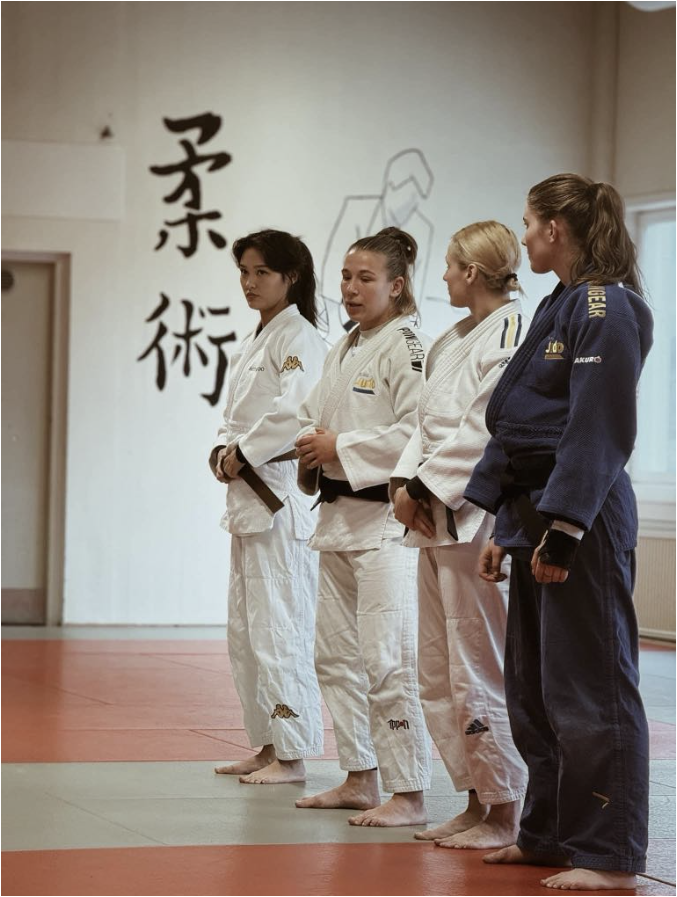
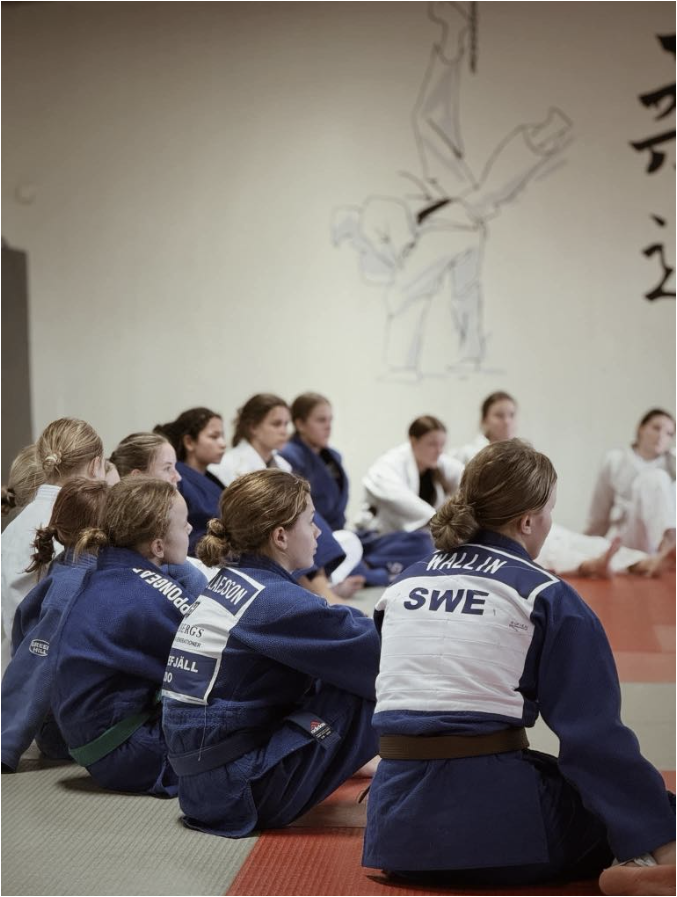
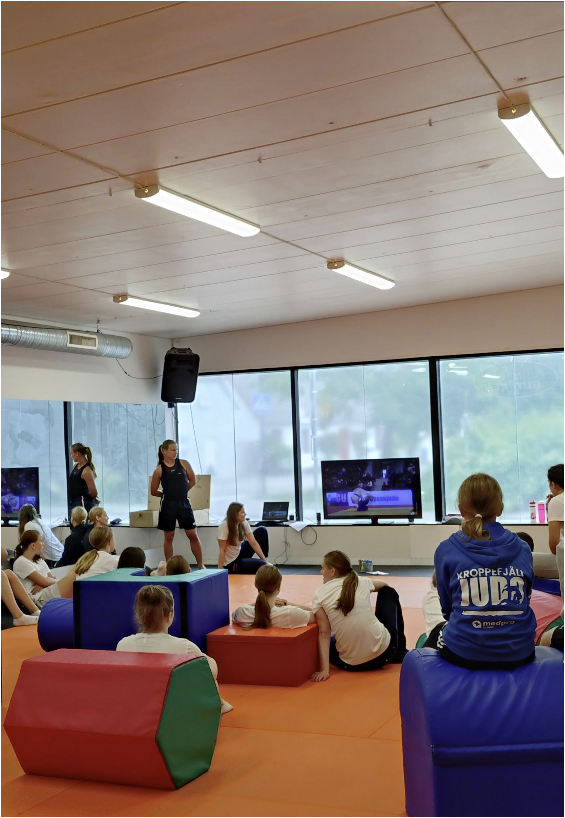
Next Gen Camp tackles these challenges head-on by creating what its founders call a “gender-homogeneous, targeted training environment” for girls aged 13 and above with competitive ambitions. Still, this isn’t simply about separating boys and girls on the mat.
“We offer a holistic approach to athlete development,” explains Gretha, the team’s networker and visionary. “High-level judo training integrated with mental coaching, nutritional guidance, education about menstruation’s impact on performance, and workshops on mental training, topics that are essential but often overlooked in traditional sports settings.”
The mission is bold yet straightforward: create a space where young female athletes can train, grow, and thrive, not just as judoka but as complete individuals.
“We aim to support and retain girls in sport, especially during the critical teenage years when dropout rates are high,” Gretha continues. “Our camps create a sense of belonging and shared purpose, hopefully helping participants stay in judo longer and dream bigger.”
Elite Athletes, Entrepreneurial Mindset
What makes Next Gen Camp particularly compelling is who’s driving it. This isn’t a top-down initiative from officials who have never competed. It is powered by three women who understand elite performance from lived experience and are applying entrepreneurial thinking to solve systemic problems.
Naemi Jaworowski, a mechanical engineering with industrial design engineering handles visual communication and brand identity, ensuring the project looks as professional as it performs.
Gretha Östlind leverages her extensive network, connecting with coaches and judoka worldwide to expand the project’s reach and influence.
Klara Mattsson brings strategic thinking and analytical rigour, driving innovation and continuous improvement across all camp operations.
Together, they combine academic knowledge in sports science, leadership, and coaching with international competitive experience. It is a formidable combination and it is working.
Proven Success, Ambitious Vision
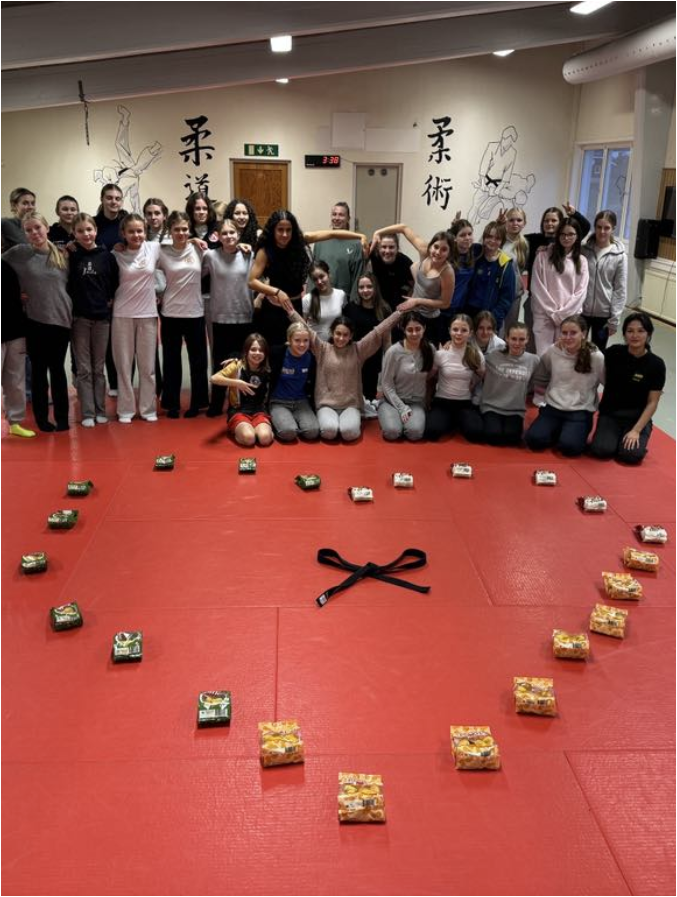
The numbers speak volumes. Across three national camps in Sweden, participation has grown from 25 to 44 athletes but the founders aren’t satisfied with domestic success, they are thinking globally.
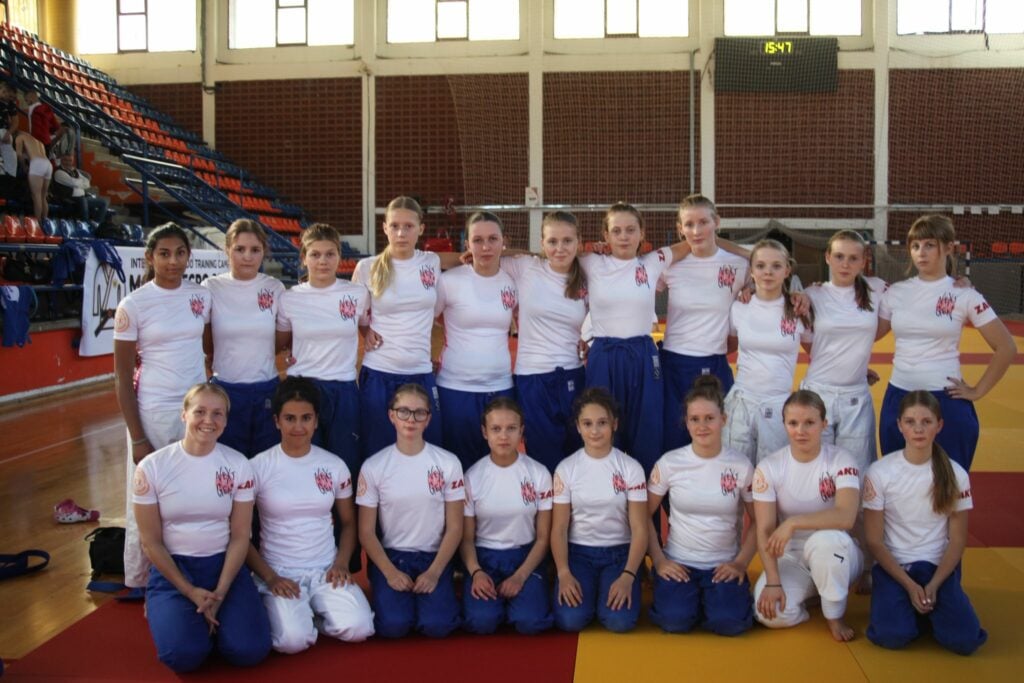
Their latest initiative, “Next Gen On Tour,” recently brought 25 Swedish girls to Montenegro for international training camp and cultural exchange. “It is about building confidence, broadening horizons and preparing them for the international stage,” Gretha explains. “Our girls gained valuable international experience whilst forming connections with judoka from different countries.”
For 2026, the vision expands further: inviting female judoka from other nations to join Swedish camps, creating truly international training environments that double participation numbers, increase access to diverse training partners and establish cross-border mentorship networks.
“Everything we built and enjoyed in 2025 laid the foundation for an even bigger, bolder, and more exciting 2026,” Gretha declares.
Beyond Sport
Next Gen Camp’s impact extends beyond judo mats and competition results. The project actively contributes to social sustainability and gender equality, aligning with multiple United Nations Sustainable Development Goals, particularly Goal 5 (Gender Equality), Goal 3 (Good Health & Wellbeing), Goal 4 (Quality Education), Goal 10 (Reduced Inequalities), and Goal 17 (Partnerships for the Goals).
By addressing systemic barriers whilst providing holistic athlete development, the camp demonstrates how grassroots entrepreneurship can drive meaningful change in traditionally conservative sporting structures.
What started as three athletes identifying a problem has become a movement. Next Gen Camp proves that women’s empowerment in sport isn’t about waiting for systems to change, it is about building new ones that work. For young female judoka across Sweden and increasingly beyond, the message is they want to send is that all female belong here, their ambitions matter and there is a place designed specifically to help you succeed.
As Gretha, Klara and Naemi continue expanding their vision, they are shaping a generation of young women who understand that women have the power and the responsibility to build something better. Interested in supporting or collaborating with Next Gen Camp? Contact the team via their site to learn how you can be part of shaping a better future for the next generation of female judoka.
Images: Next Gen Camp
Author: Szandra Szogedi