





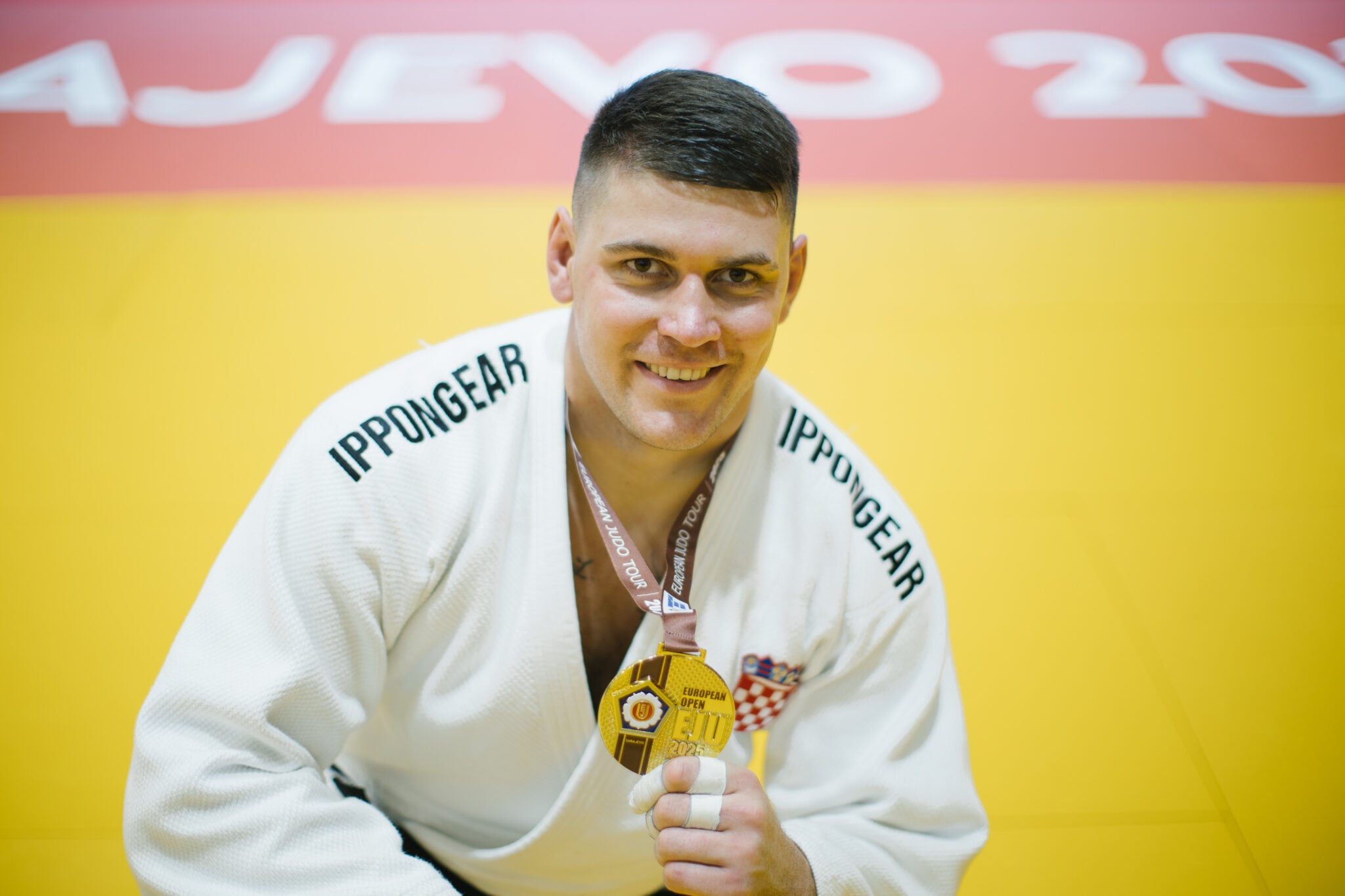
For more than three years, Mikita Sviryd waited for his moment to return. Once a familiar face on the international circuit, the heavyweight judoka found himself rebuilding his life in Split, Croatia, far away from competition but never from the tatami. On Sunday in Sarajevo, that long chapter of patience finally turned into triumph as he claimed his first major gold medal since his return to international judo.

“It feels amazing, really,” Sviryd said after the final, smiling as he reflected on the long road back. “For three years I could not fight, only train, wait, and stay focused. Sometimes it was hard to keep believing that this day would come. Today, everything was worth it.”
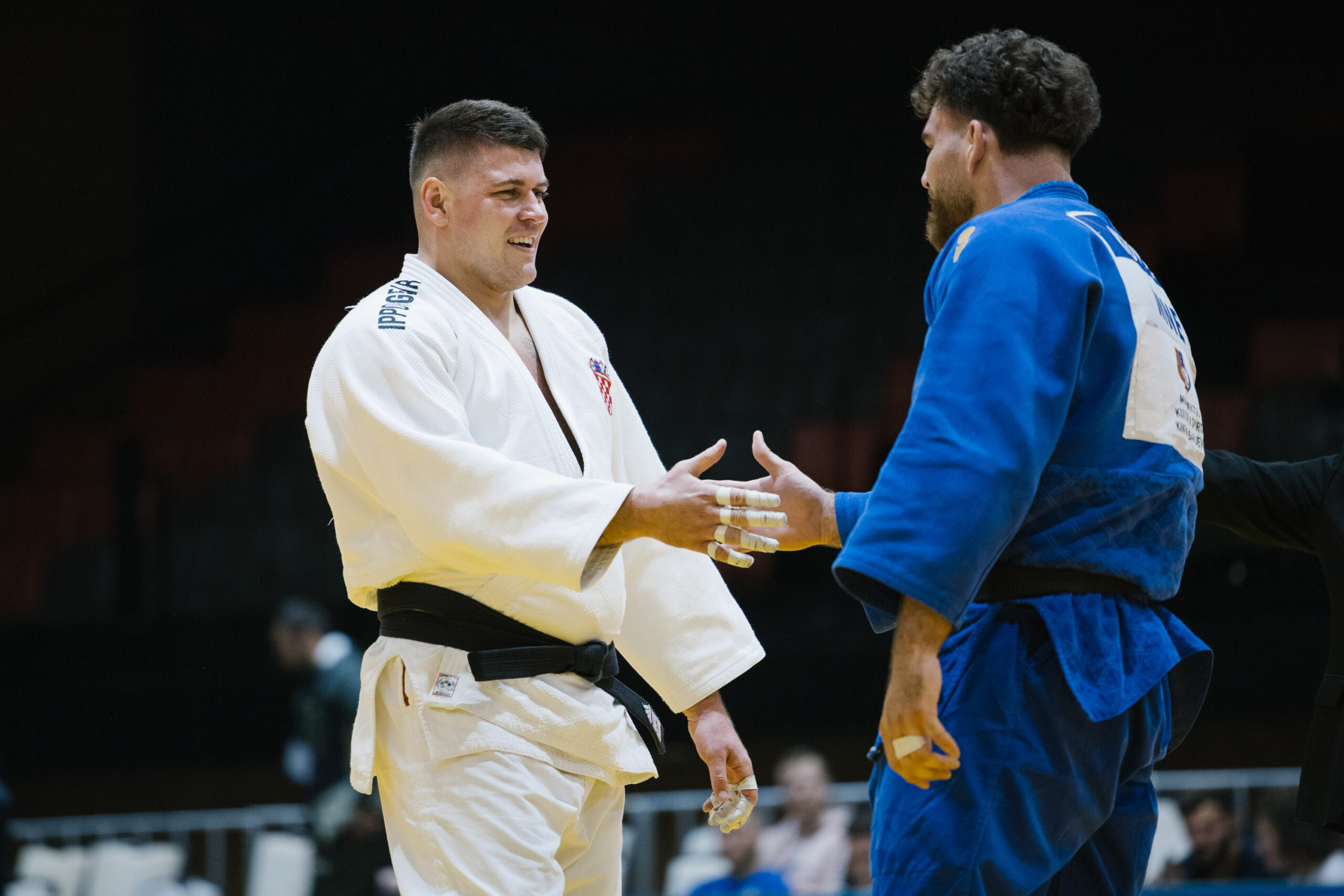
The men’s +100 kg final against Montenegro’s Stefan Kovinic was a fitting test. The two heavyweights know each other better than most opponents. “I think we have fought a hundred times in training,” Sviryd said, laughing. “We trained together at many camps, so I know his style and he knows mine. But training and competition are different things. In a final like this, it is about focus and about who takes the chance at the right moment.”
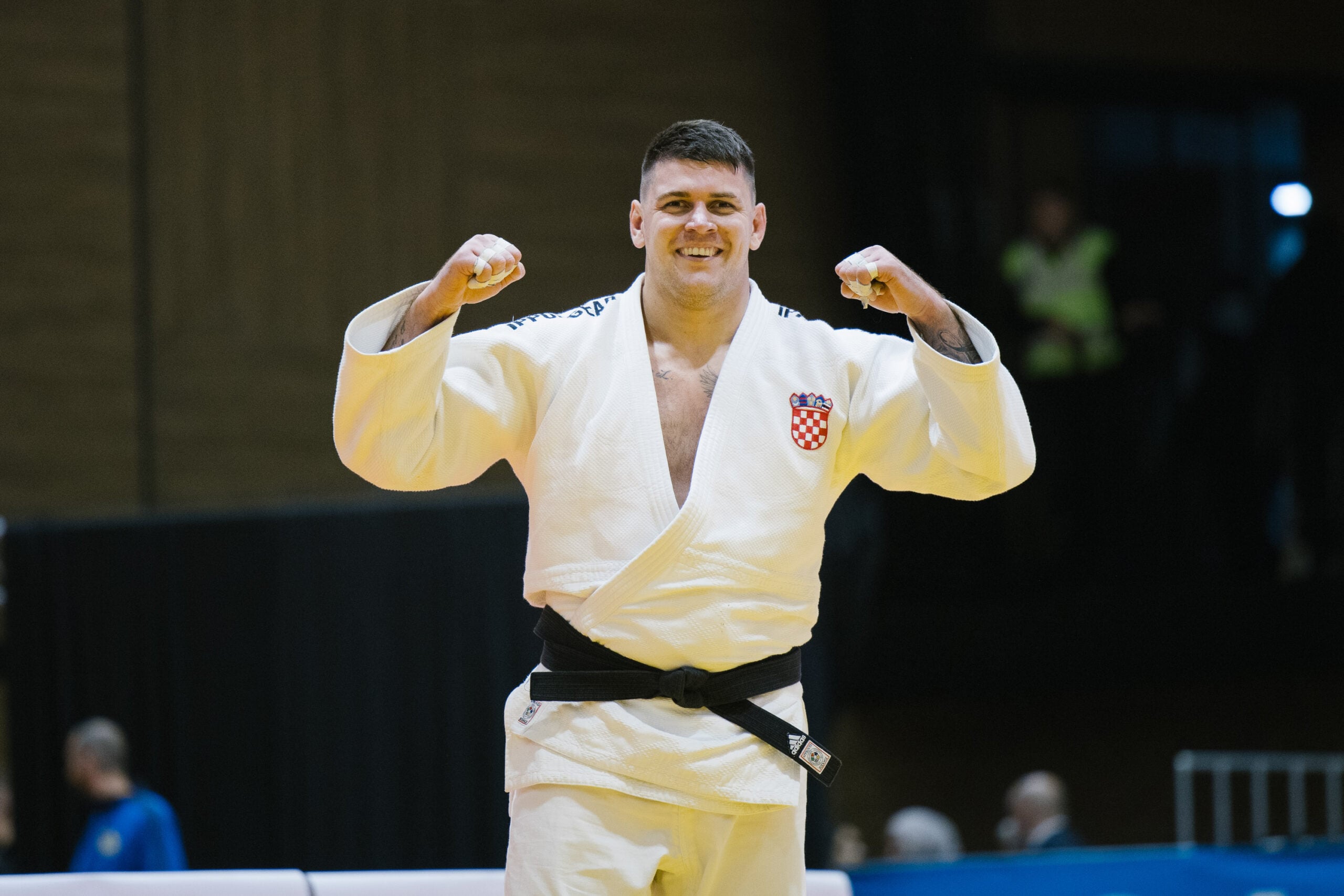
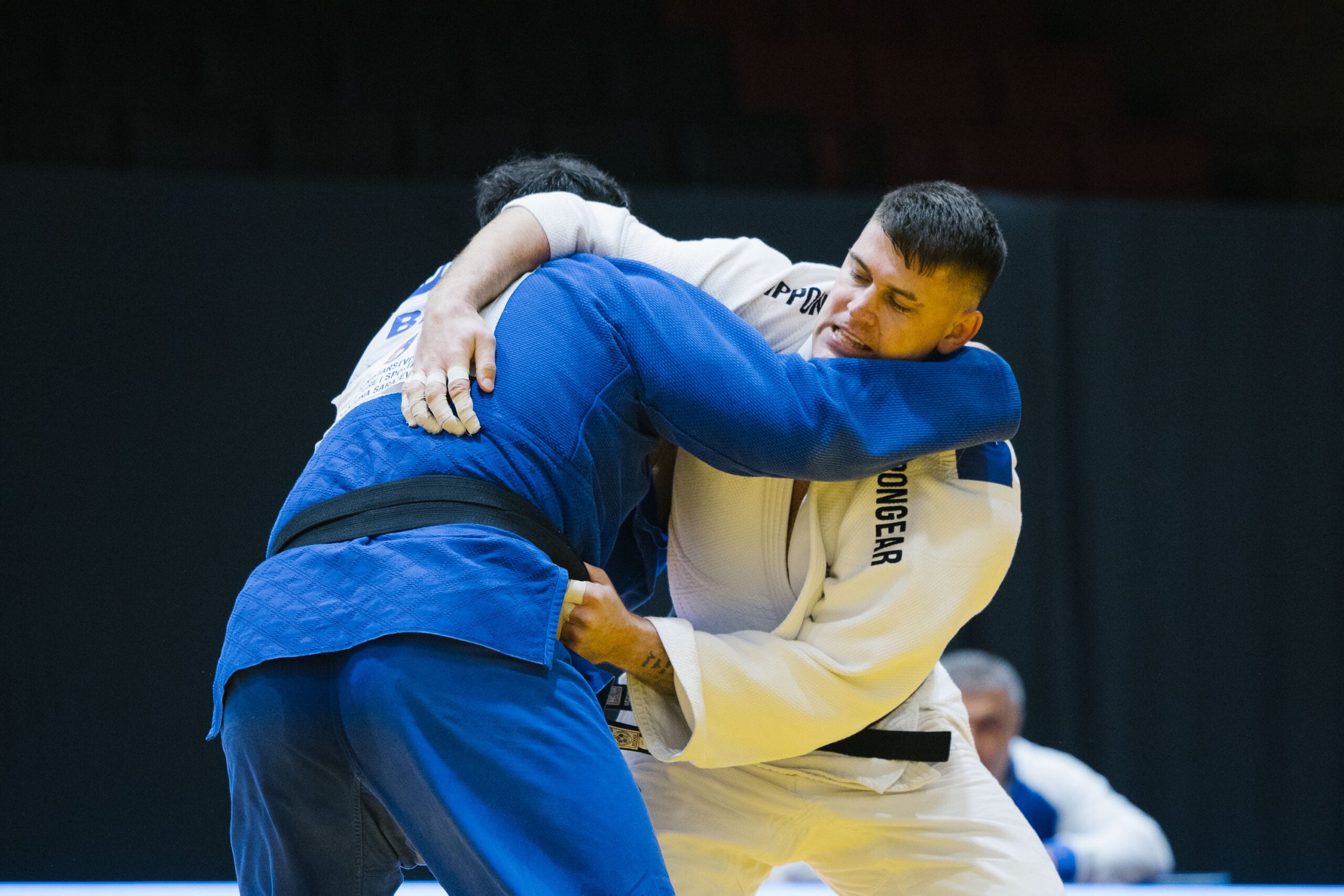
From the opening exchange, both men displayed great respect and power. Each tried to find an opening, but neither could establish dominance. As the contest entered the final minute, both athletes had collected two penalties, raising the tension in the hall. Then, with just seventeen seconds left, Sviryd seized the opportunity.
“I saw him step a little too far forward and I reacted,” he explained. “I went for the lift, felt him lose balance, and I kept the pressure until the end. When I held him down, I knew this time I would not let go.”
The waza-ari and decisive hold-down sealed his victory, a moment of release after years of silence. “It was not just about today,” Sviryd said quietly. “It was about all the mornings in training, all the times I had to wait, all the people who supported me. This was for them too.”
Among those supporters are his parents, who live with him in Split and have been his anchor throughout the past few years. His father, Leonid Sviryd, is a legend in his own right, a former top-level judoka who represented Belarus and the Soviet Union, winning prestigious tournaments such as the Tournoi de Paris, the Moscow International Tournament and the Czech Cup in Prague three times. Leonid also competed at two Olympic Games, in Atlanta in 1996 and in Sydney in 2000.
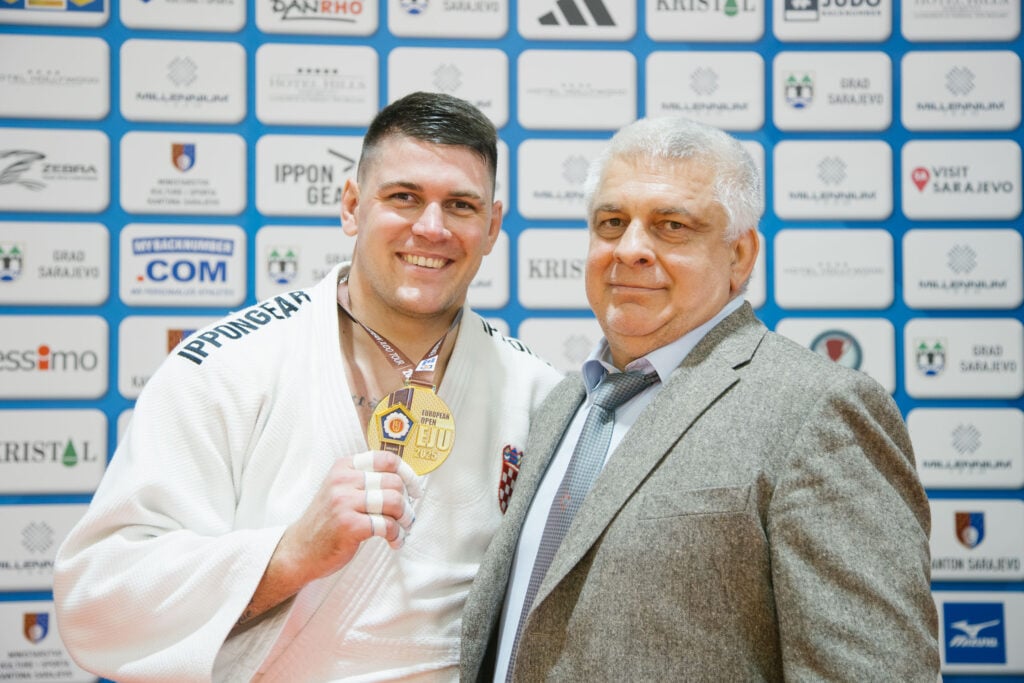
“My father is my biggest inspiration,” Mikita said proudly. “He was an amazing fighter, very technical and very clever. He could throw both left and right, and that made him very hard to read. I only fight right-handed, so he always jokes that I am too simple,” he added with a laugh. “But he teaches me a lot. He knows exactly how to prepare for big competitions and how to stay calm. Without him, I would not be here.”
Having a father with such a rich career has shaped Mikita’s own approach to the sport. “He always says that judo is not only about strength, it is about how you think,” Mikita explained. “When I was a kid, he showed me videos from his fights in Paris and Moscow. I could see how he stayed patient, how he controlled everything. I try to do the same now.”
Life in Split has also helped him rediscover his balance. The Croatian coastal city has become home not only to his family, his father and mother and girlfriend but to a growing network of international friends and training partners. “Judo is a family sport,” Sviryd said. “Everywhere I go, I meet people who share the same spirit. I have friends from Montenegro, Slovenia, Georgia, France, Great Britain, everywhere. We train together, we travel together, and we support each other. That is what makes this sport so special.”
He is known among his peers as one of the most approachable and genuine athletes on the tour, someone who works hard but always takes time to share a smile or a word of encouragement. “Judo connects people,” he said. “It teaches respect. You can fight someone today and share dinner with them tomorrow. That is what I love most about it.”
Looking ahead, Sviryd is already focused on his next challenge, the Grand Prix in Zagreb. Although he now lives in Split, Zagreb feels like home ground, and he knows the importance of performing well there. “It will be a big moment for me,” he said. “To fight in Croatia, in front of the home crowd, with my family watching, will be special. This gold gives me confidence, but it also gives me responsibility to keep improving.”
As he packed his gear after the medal ceremony in Sarajevo, there was no loud celebration, only quiet satisfaction. “This is just the beginning,” he said softly. “I waited a long time for this, and now I want to enjoy every fight, every tournament, every training camp. I want to keep learning, keep growing, and make my parents proud.”
For Mikita Sviryd, the victory in Sarajevo was more than just a return to form. It was a reminder of resilience, family legacy and friendship, a story that began long ago in Belarus, continued through years of waiting in Split, and now finds new strength on the European tatami.
Judoka
Author: Hans Van Essen