





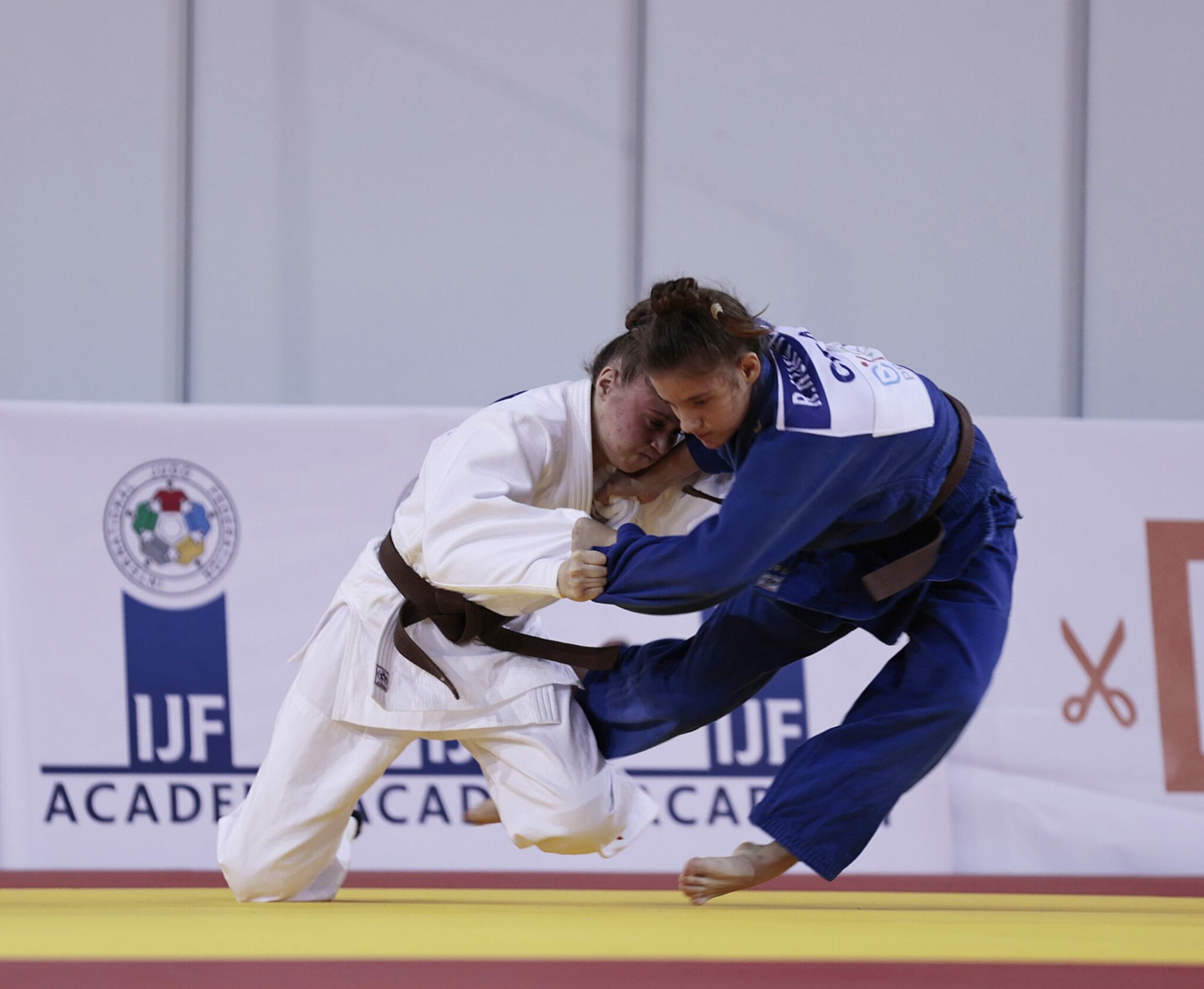
The city of Győr hosted an emotional and action-packed weekend at the “Millennium Team” Cadet European Cup, where 494 judoka from 29 nations gave their all on the tatami. Ukraine dominated the event with an impressive haul of five gold, one silver, and five bronze medals, securing the top spot in the standings. Poland followed in second place with 3-1-2, while Italy completed the podium of nations with 2-4-3. The host team, Hungary, put on a proud display before the home crowd, collecting five silver and five bronze medals.

Although there remains one final stop on the cadet circuit in Thessaloniki, for many, this event in Győr marked a farewell, a final bow at the cadet level before stepping into the more demanding world of junior competition.
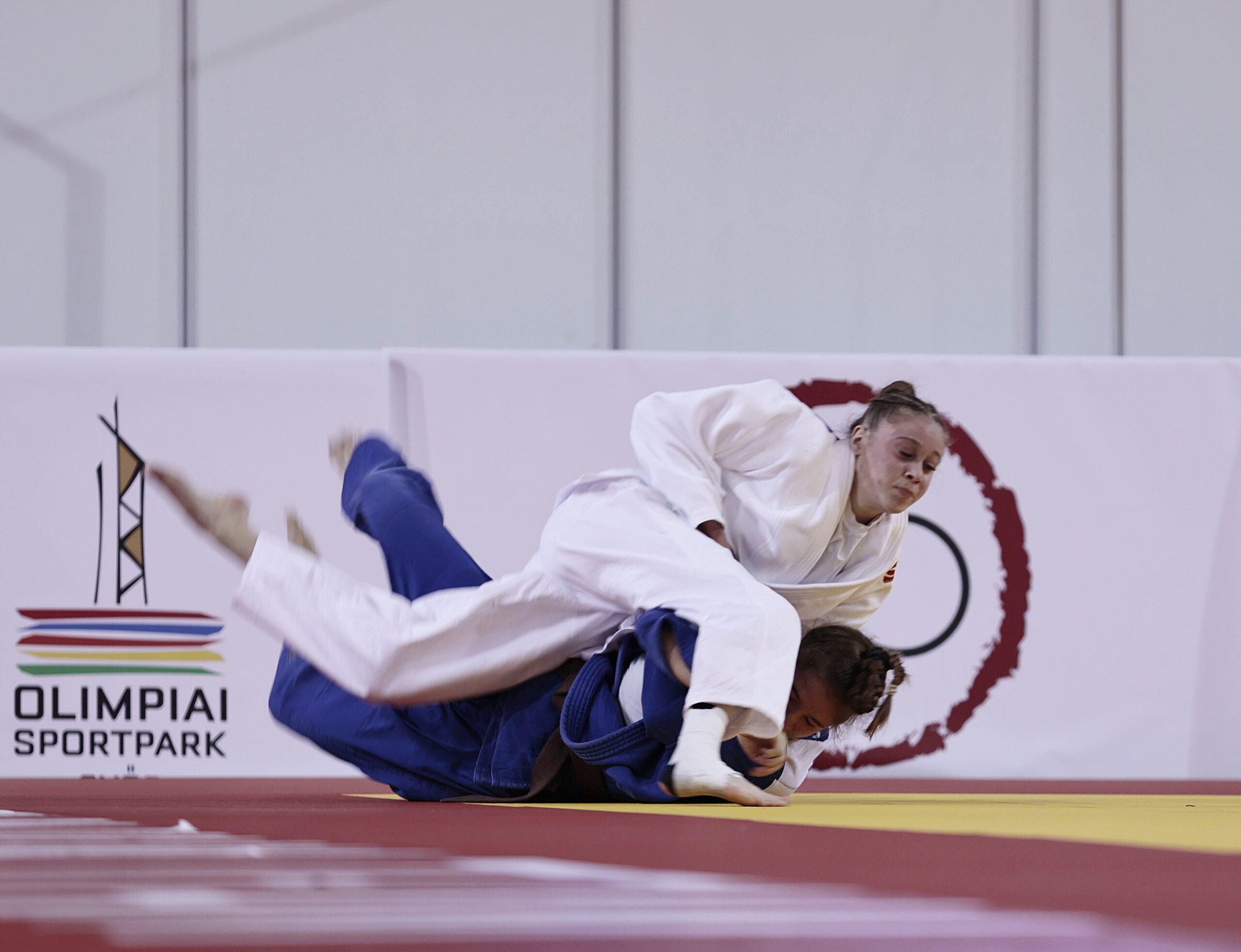
Among those closing this chapter was Kiss Viktória (HUN), who shone brightly in the -48kg category. She won her first four contests with confidence and conviction before meeting Rika Hirose (AUS) in the final. Despite a valiant effort, she settled for silver a beautiful end to her cadet career, earned on home soil.
Reflecting on her performance, Viktória shared:
“I was very nervous before my first match because I hadn’t competed for a long time due to injury, but I felt liberated and eager to fight again. In most competitions, besides wanting to perform well and win a medal, my biggest goal is always to live up to my potential. My hardest match was against the French opponent (Noemie Urban) because her stance was very uncomfortable for me, and I didn’t start well. After receiving my second shido, I realised I had to change something to win. This was my last youth competition, so my next goal is to get stronger in the junior field. I also feel I need to grow mentally, so I will work on that too.”
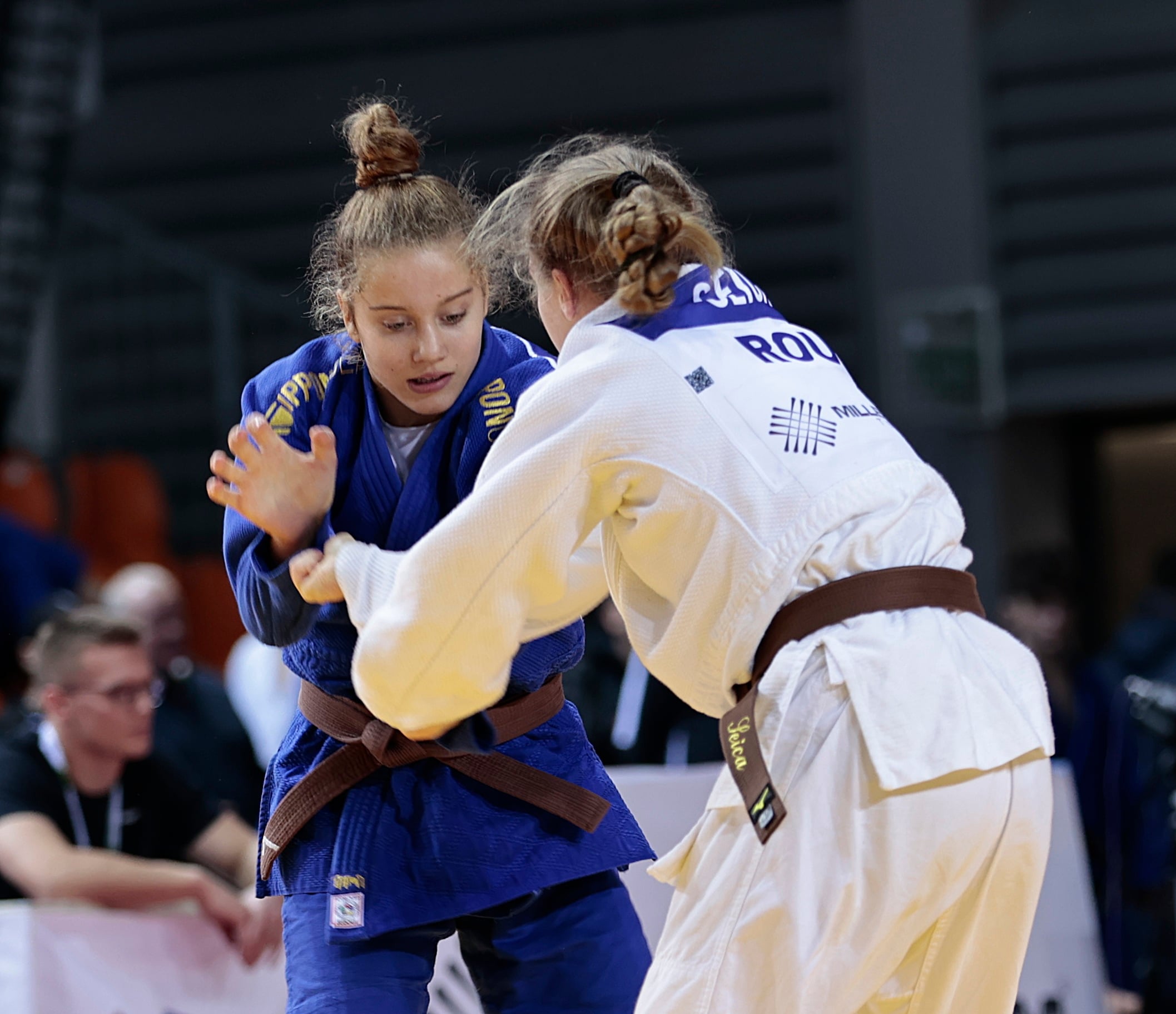
While Viktória concluded her cadet career, Vas Mira (HUN) used the event to begin a new journey. Having previously finished 5th at the EYOF 2025 and 7th at the Cadet Europeans in the -52kg category, she stepped up to -57kg in Győr and immediately made an impact, claiming a bronze medal in her new weight class.
“I just inaugurated my new weight class, -57kg, and I managed to surpass my expectations, I think I brought out the maximum of my day. Overall, I am satisfied with my performance. My goal was to have as many matches as possible and to do judo freely. My hardest match was the fight for bronze I was two warnings behind but managed to turn it around. The next challenge for me will be the junior age group.”
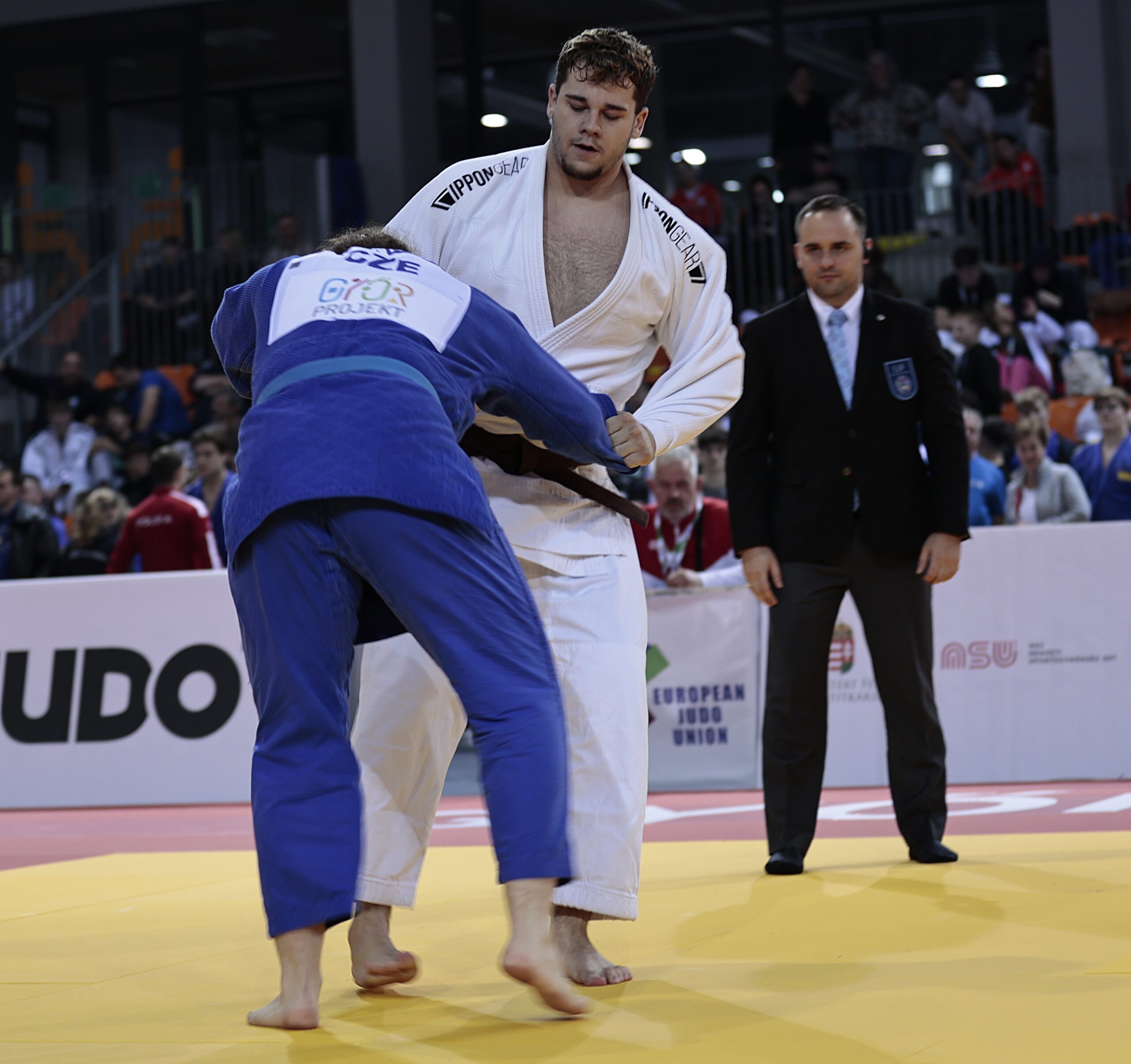
Another strong Hungarian performance came from Szekeres Ábel, who concluded his cadet chapter with a silver medal in the +90kg category. Though the gold slipped away, Ábel’s outlook remained positive and mature.
“I was good, I was relieved; unfortunately, the final didn’t go as I wanted but I am already looking forward to the next goal. I definitely wanted to make the final and to win the brighter medal there. The final was my most difficult match, I knew my opponent. Last time I won against him, now he won. That is the sport… A Japanese training camp awaits me, and I want to work hard there, develop, and learn new techniques.”
For some, these events are not just about medals but about the journey itself, the countless lessons learned through effort, defeat, and triumph. The cadet years are a bridge between childhood and adulthood, between raw enthusiasm and refined purpose. Every bout, every handshake, and every moment on the tatami contributes to shaping who these young athletes become, not only as judoka, but as human beings.
As Jigoro Kano, the founder of judo, once taught: “The ultimate aim of judo is to perfect oneself and contribute to society.”
As these young competitors take their next steps beyond the cadet ranks, their fine farewell in Győr stands as a reminder that true victory lies not just in medals, but in growth, resilience, and the courage to begin again.
Author: Szandra Szogedi