





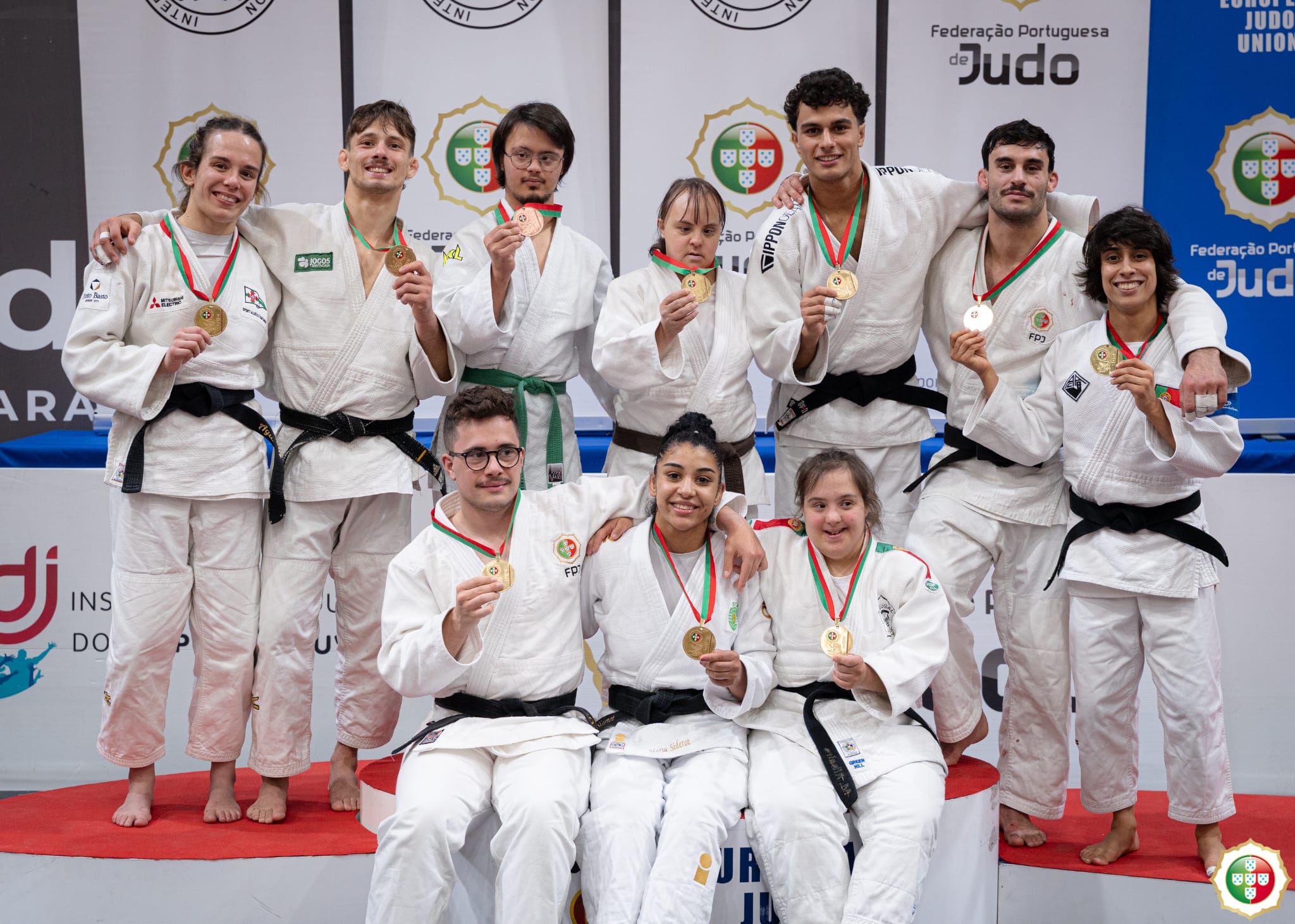
Across the world, inclusion has become one of the defining words of our time. It appears in policy documents, school curricula and corporate visions, yet its true power reveals itself not in statements but in lived experience. Few communities understand this better than the global judo family, where the principles of mutual respect, courage, and “mutual welfare and benefit” are more than philosophical ideals. They are a daily practice.

In Portugal, these values have taken on a particularly tangible form. Each year, the Portuguese Judo Federation hosts fully inclusive national championships in Odivelas, Lisbon, bringing together mainstream and adapted judoka on the same stage, under the same lights, celebrated with the same dignity. It is a bold yet natural extension of judo’s spirit: to ensure that every athlete, regardless of physical, intellectual, or sensory challenges, has a meaningful place in the sport.
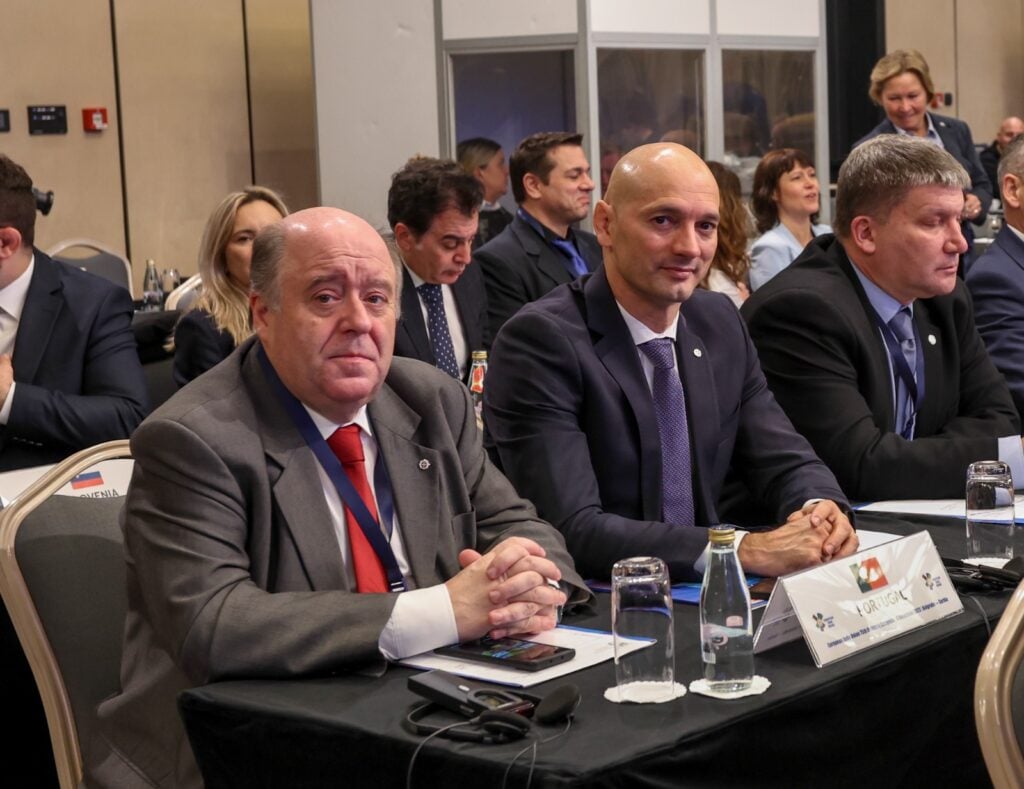
Their latest edition took place past weekend and to understand how this initiative has evolved and what it represents, we spoke with Nuno Carvalho, Vice President of the Portuguese Judo Federation, who has been at the heart of this journey from the beginning.
“Inclusivity wasn’t new to us this year,” he began, reflecting on the 2025 edition. “We have used this format since before the COVID period, around 2019. We started this initiative as we felt the growing number of these athletes in Portuguese judo and, consequently, the need to include them in a prime event as they deserve.”
This quiet confidence, ‘as they deserve‘, is perhaps the most striking part of Portugal’s approach. It isn’t framed as charity. It isn’t experimental. It is presented simply as the right thing to do. This year, 267 athletes took to the tatami, 75 in adapted judo and 192 in mainstream categories. Numbers alone do not tell the whole story, but they hint at a growing truth visible worldwide: adapted judo is expanding, energising communities and reshaping expectations of inclusion within sport.
With adapted judo now part of its own European tour, interest is rising sharply. The Vice President has seen the transformation first-hand.
“These are very important events,” he said. “They allow athletes from all over the world to get together and share incredible moments with each other. Event after event, they can feel their own improvement in sport.”
And improvement, of course, is at the heart of judo. Not only physical progress, but personal development the growth of confidence, connection and self-worth. When asked what message the Federation wishes to send through this inclusive format, the answer came without hesitation:
“Judo is really more than sport.”
It is a community, a culture and for many athletes, especially those in adapted judo, a lifeline. Over the years, the feedback has been overwhelmingly positive from all sides: coaches, families, mainstream competitors and spectators who witness the atmosphere that only inclusion can create.
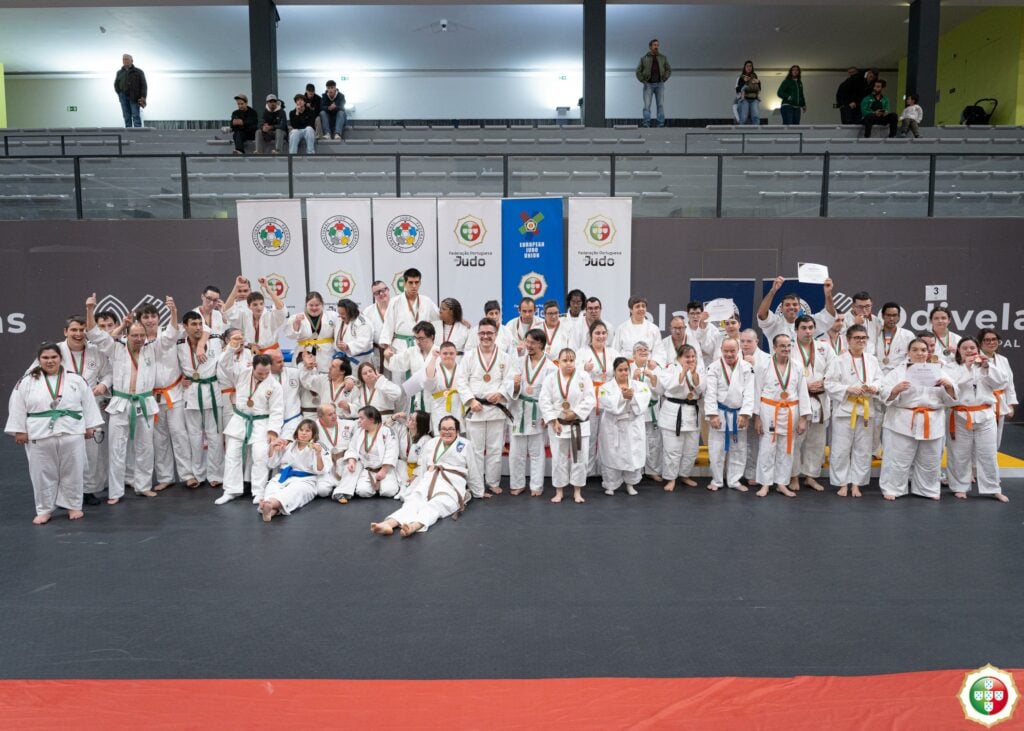
The Vice President described the event as “always a very emotional and gratifying experience.” The most powerful moments come when adapted athletes stand beside their idols European, World and Olympic medallists sharing the same tatami.
“We can feel their joy and happiness,” he said. “They experience one of the most important moments in their sport career.” This shared space is more than symbolic. It is a lived demonstration of equality an act that brings theory and practice together in a way that resonates far beyond Portugal.
While the event stands as a national showcase, it also depends on local support. The city council of Odivelas provides mainly logistical assistance, helping ensure the weekend runs smoothly and safely. Their involvement represents another form of inclusion: public institutions recognising the legitimacy and value of adapted sport.
The rise of inclusive sport worldwide mirrors broader social movements calling for dignity and visibility for all people. Still, judo, with its deep moral code and its emphasis on character-building, offers a uniquely powerful stage.
Portugal’s inclusive nationals demonstrate that inclusion is not merely a programme it is a mindset. It is the belief that every athlete belongs. That every athlete has something to contribute. That the tatami is wide enough for all.
As more countries expand their adapted judo programmes and as international tours draw increasing numbers, the global judo community is becoming a model for how sport can cultivate empathy, understanding, and unity.
It is, simply, judo at its purest.
Author: Szandra Szogedi