






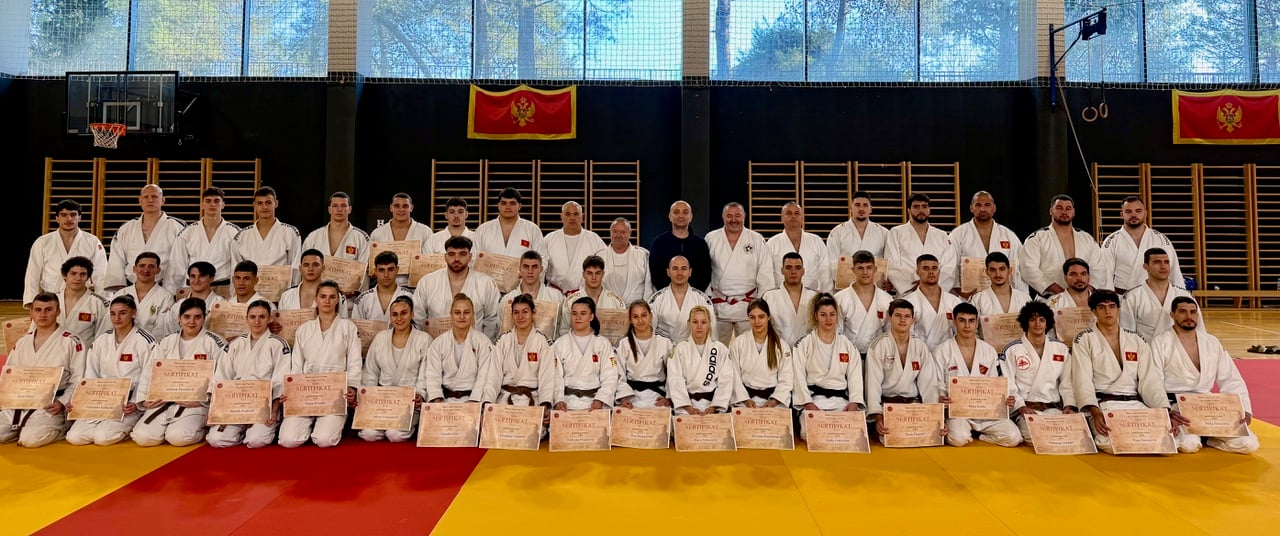
The year of 2025 has felt like a genuine growth for judo in Montenegro and as the year draws to a close, it is fitting that it ended with knowledge, discipline and tradition. On the weekend of 20–21 December, Podgorica became the setting for a small but historic milestone. For the first time, a kata seminar combined with Dan belt preparation was held in the Montenegrin capital, bringing together 47 judoka, united by a shared commitment to mastering the essence of judo.

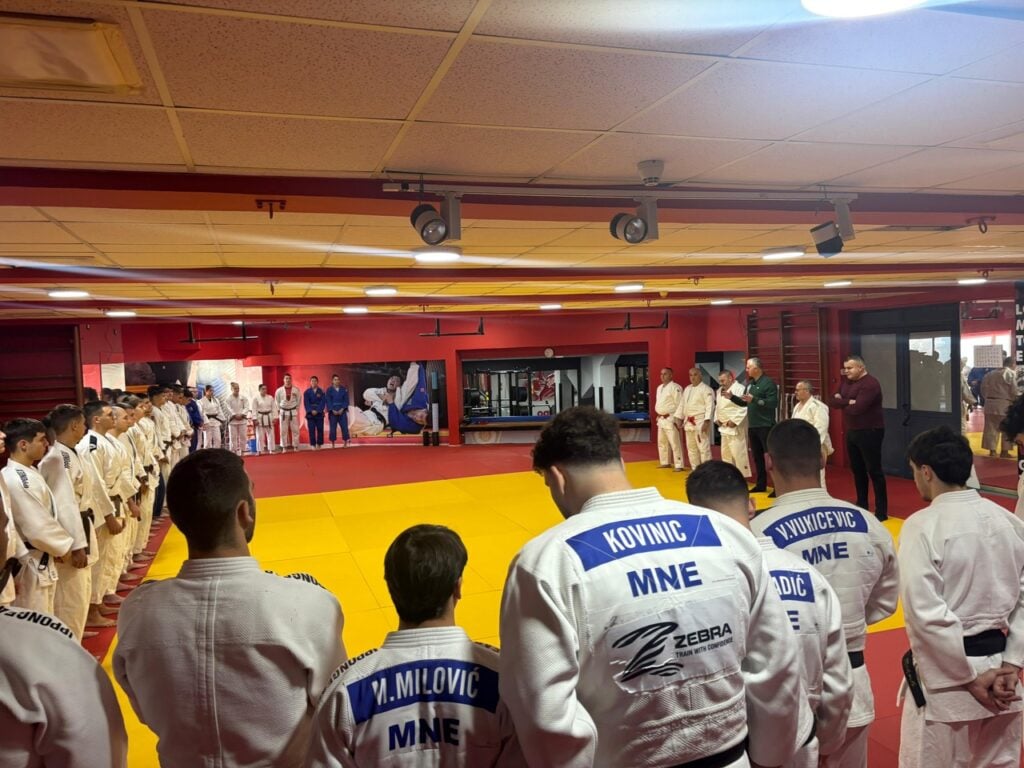
Organised by the Montenegrin Judo Federation, under the leadership of President Jovica Rečević, the initiative reflected a clear intention that is to strengthen an often underappreciated segment of judo, yet it is the very fundamental part of our sport. The focus was on Nage-no-kata and Katame-no-kata, pillars of technical understanding and mutual respect, far removed from the noise of competition.
Throughout the weekend, the tatami told its own story. All 47 candidates worked through the demanding requirements of both kata, performing not only as Tori but also as Uke. This insistence on completeness, on understanding both roles, marked an important step forward. The Dan Grade’s Administrative Board of Montenegro unified the examinations according to the highest standards, setting a benchmark for future generations.
What made the weekend particularly encouraging was the age of the participants. Many were young and that matters. Investing in youth is never just about the present moment; it is a statement about belief in the future. If this seminar was any indication, Montenegro’s judo future is in capable hands.
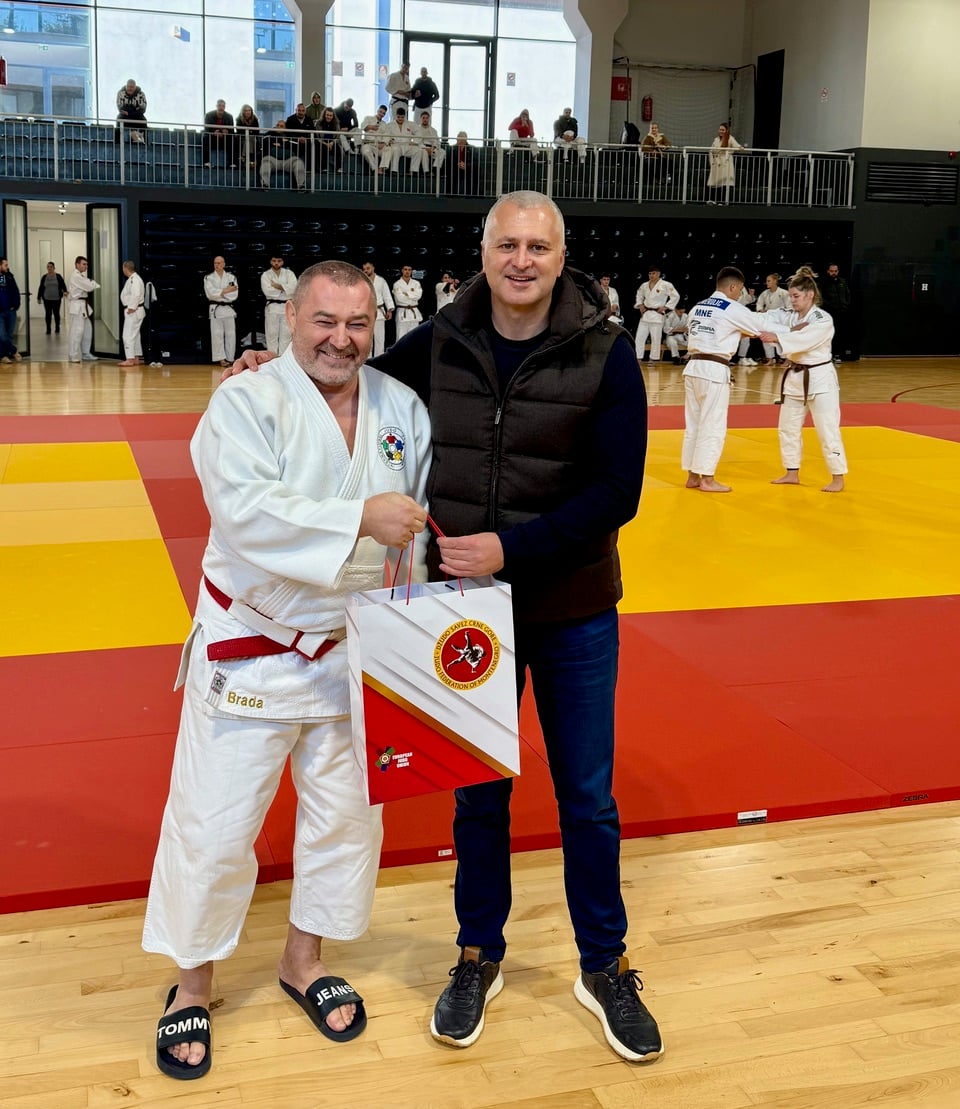
The presence of the European Judo Union added further weight to the occasion. EJU Head Kata Commissioner Dr Slaviša Bradić shared his reflections with unmistakable warmth:
“I am truly happy that we held a seminar on kata in Montenegro. Given the knowledge and enthusiasm shown, I can confirm that these are very talented competitors, coaches eager for knowledge and a management team with a clear vision for the development of judo. The kata culture we promote through the EJU commission aids judo development in education, Dan examinations and preparation for potential candidates of the IJF Academy. As one of my colleagues said: Montenegro is a small country of great people, in every respect.”
Perhaps that is the most fitting summary of the weekend. No grand spectacle, no unnecessary noise, just 47 judoka, learning, refining and honouring the roots of their sport in Podgorica. If this is how Montenegro chooses to grow its judo, patiently, thoughtfully and with respect for tradition, then it is safe to say we will be hearing from this small country many more times in the years to come and not only by hosting continental championships but engaging with way more.
Author: Szandra Szogedi