





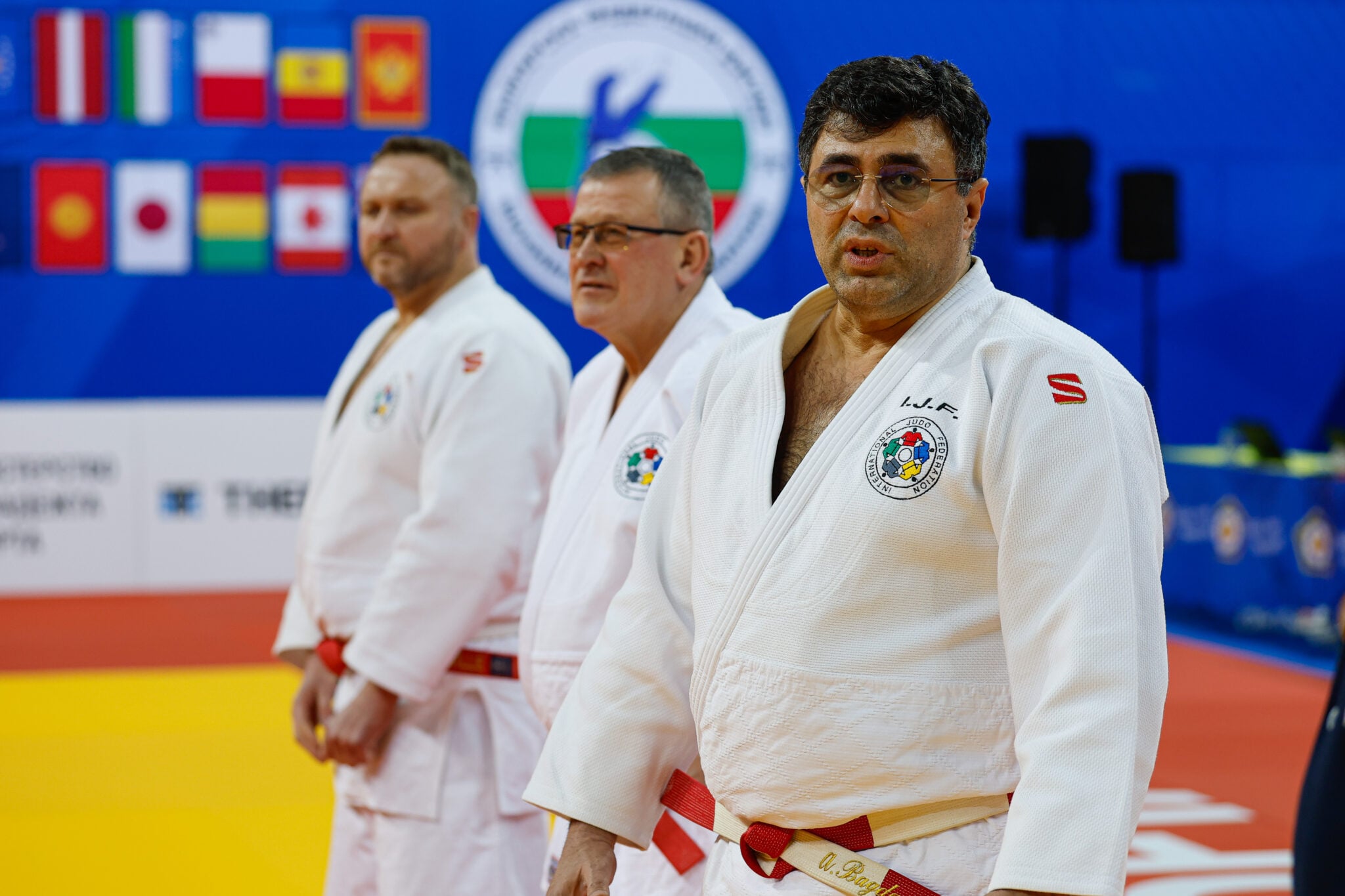
The International Judo Federation informed the judo community of updated rules at the beginning of January and as Europe’s first competition of 2026 approaches this weekend in Sofia, Bulgaria, the sport’s leadership has moved swiftly to ensure seamless implementation.

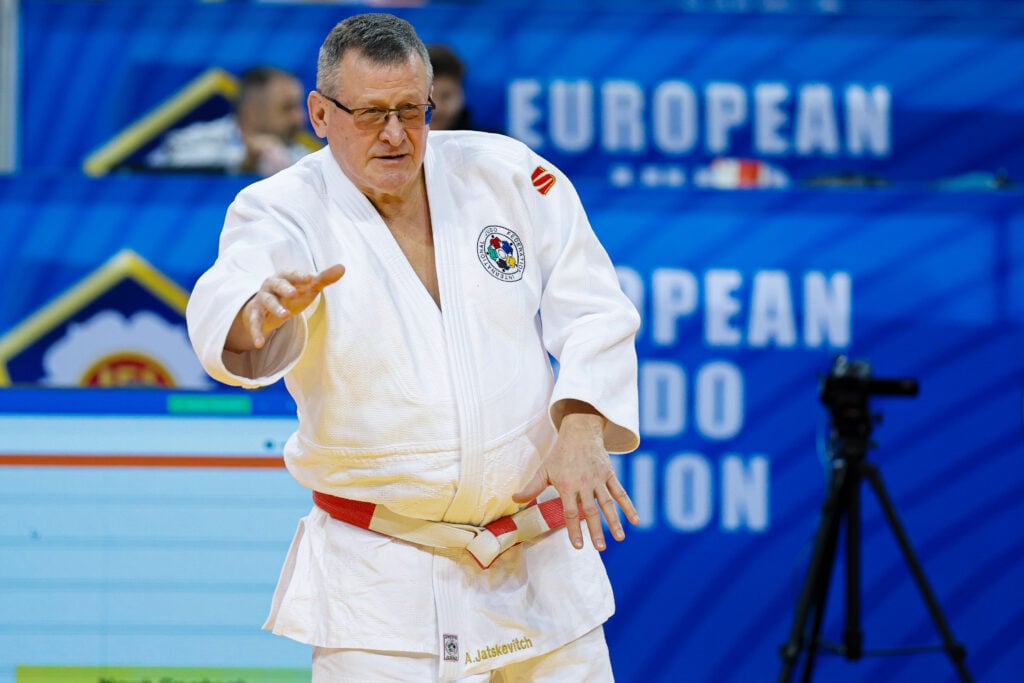
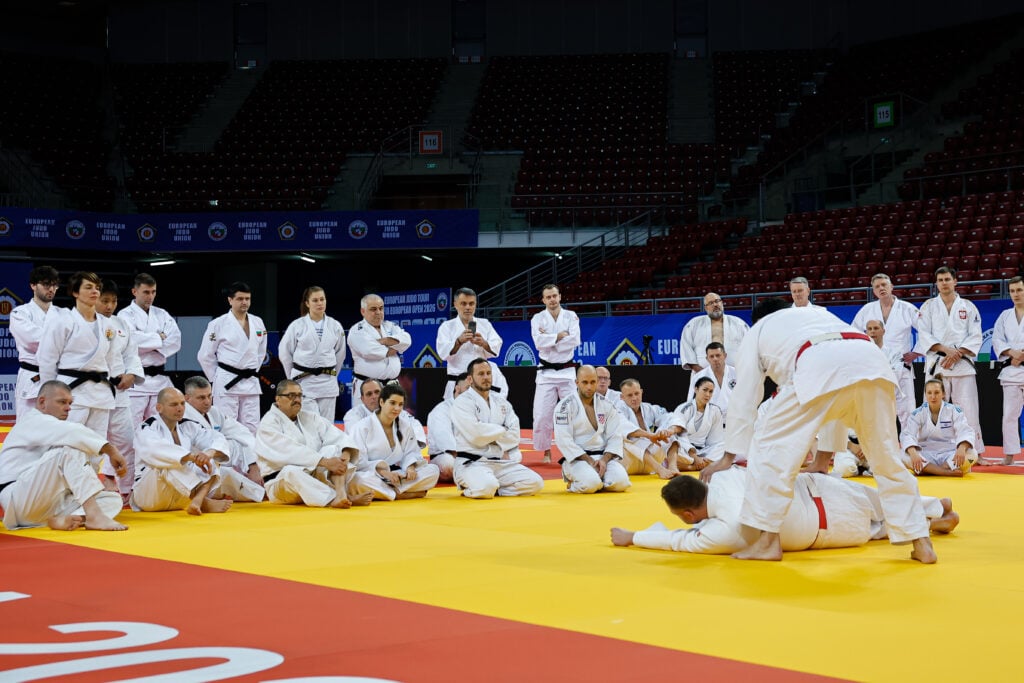
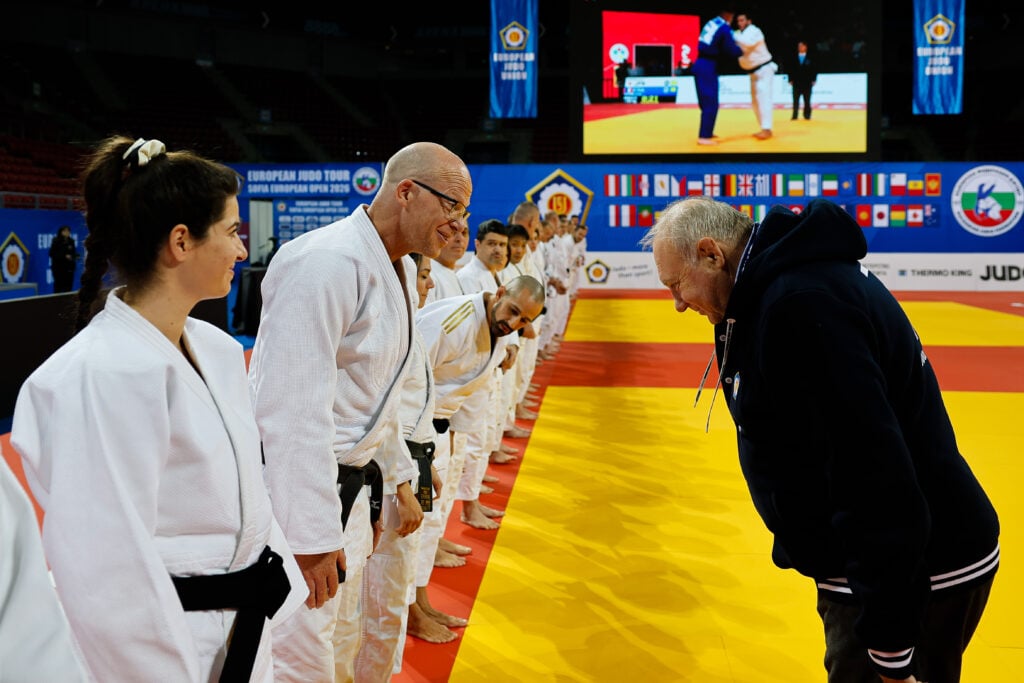
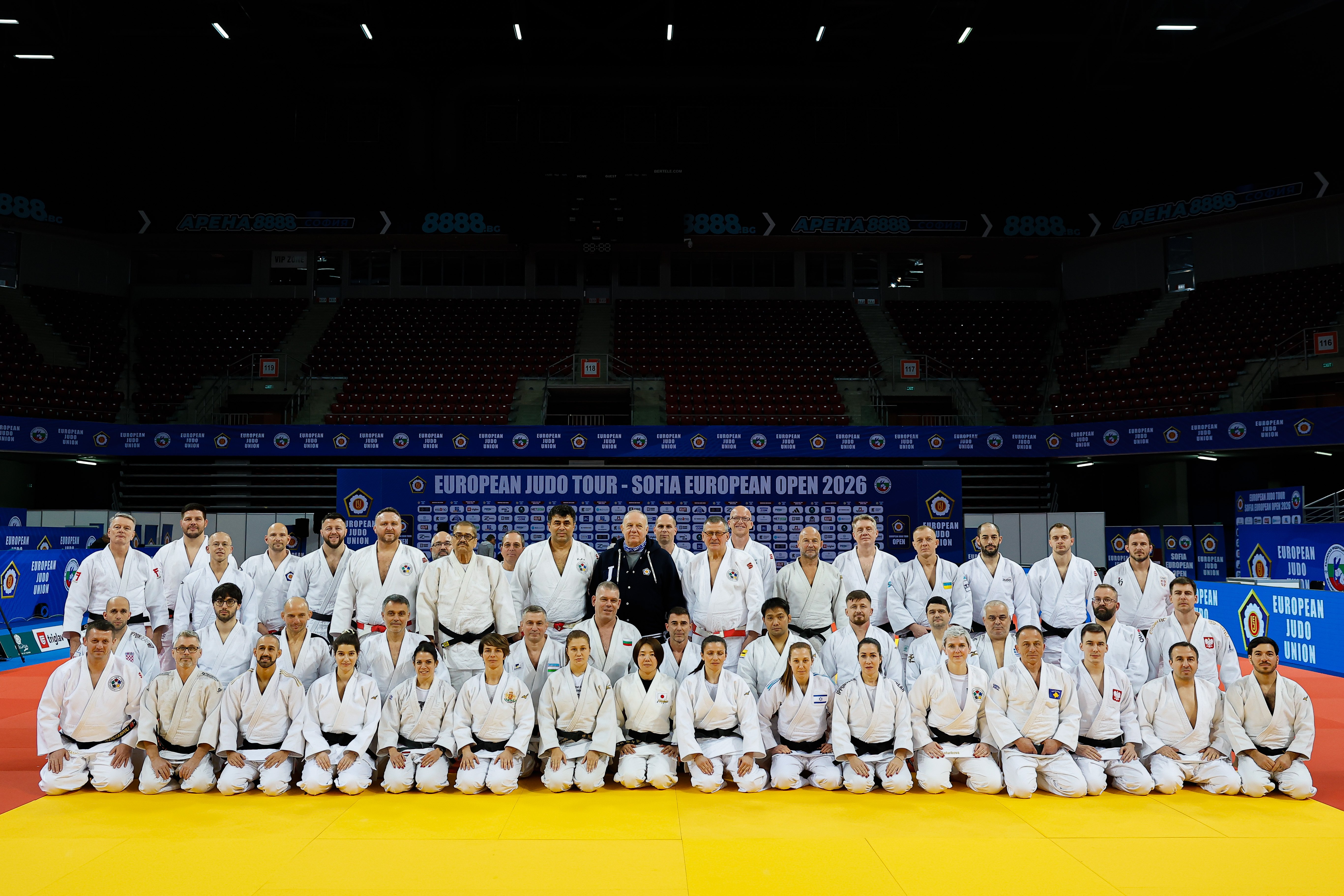
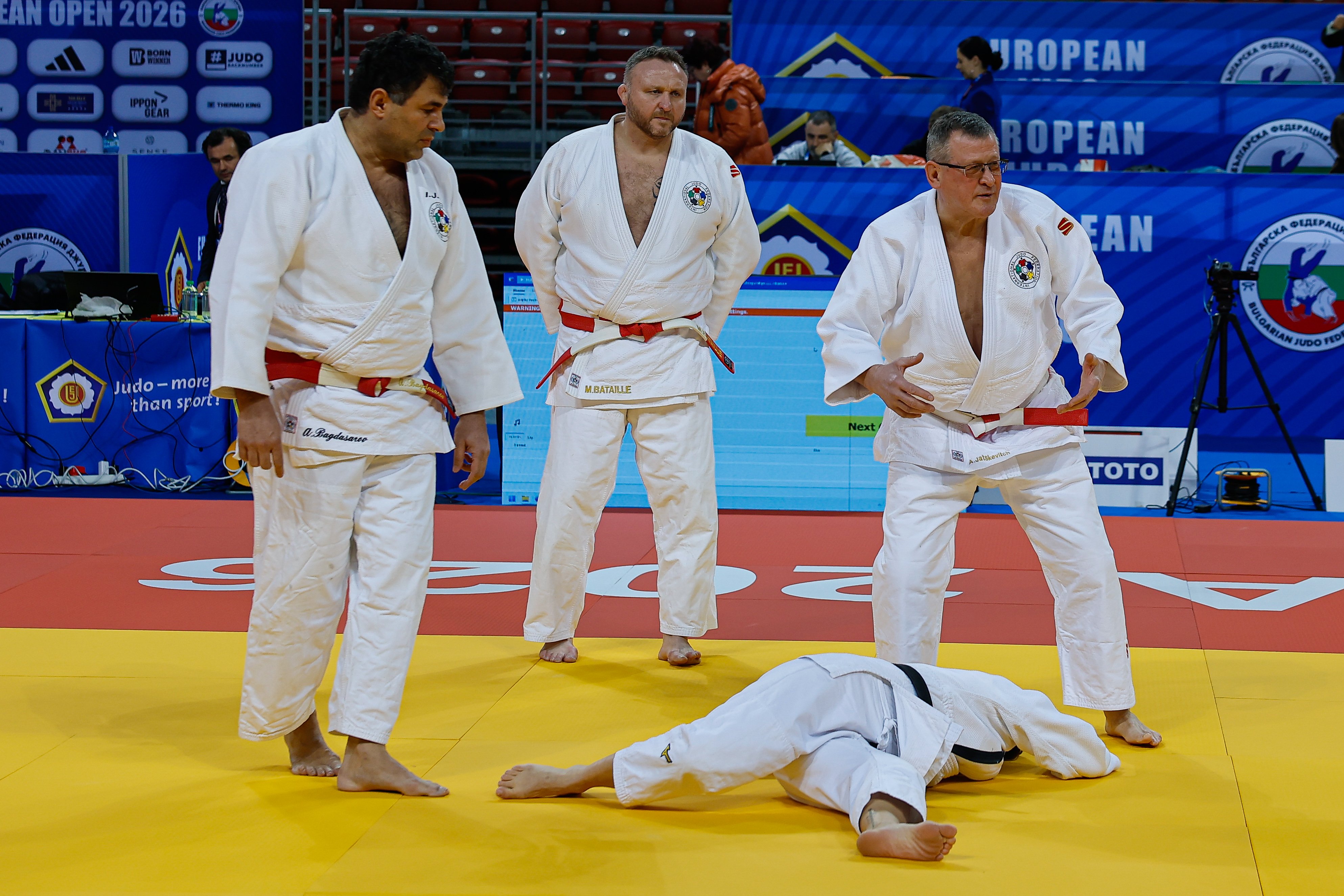
Armen Bagdasarov, IJF Head Referee Director, joined a pre-event coaching seminar to guide coaches through the changes, answer questions and align understanding across the European judo community before competition begins. Joining Mr Bagdasarov were Matthieu Bataille, IJF Referee Supervisor and Alexandr Jatskevitch, EJU Head Referee Director. EJU President Dr Tóth László was also present, underscoring the importance both organisations place on clarity and consistency.
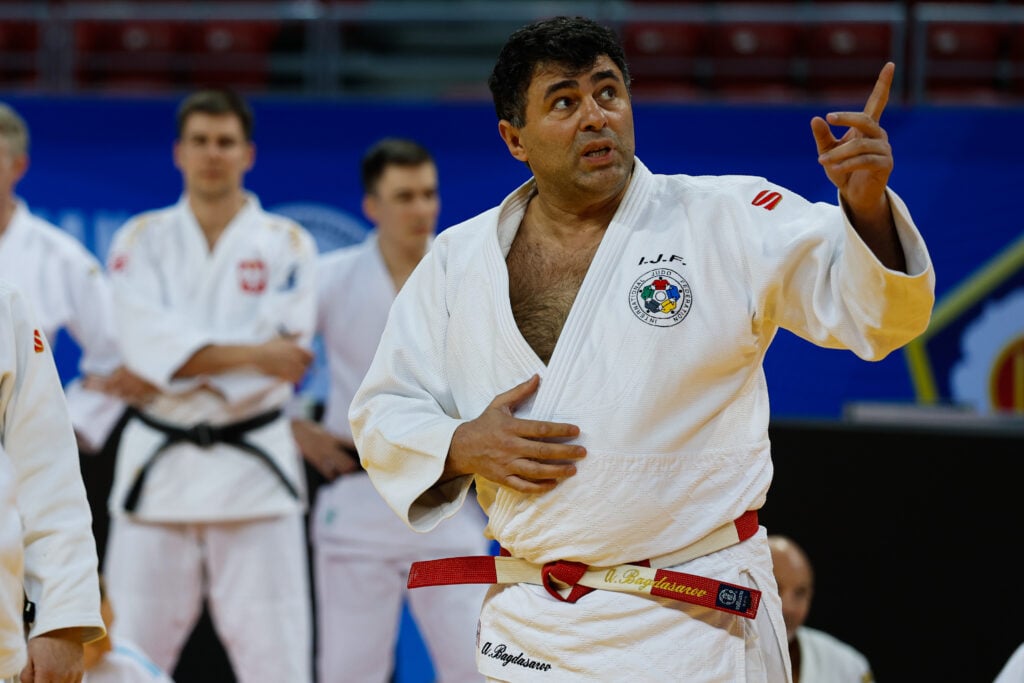
Asked about the most significant updates coaches and athletes must understand immediately, Bagdasarov was quick to provide context.
“First of all, I want to emphasise these are not new rules,” he clarified. “These are rules from 2025, so we have made adaptations on some points because we have been testing for one year. During testing, we commissioners have been observing and we saw some problematic situations or mistakes. We analysed them and made changes.”
The Sofia European Open represents the testing ground. “In Europe, this weekend is the first event and we will test it here. I came to explain to European and overseas coaches and referees so they understand the rules. This is very important for us, judoka, coaches and referees must have the same vision, the same opinion and the same approach to judo.”
When pressed about potential mistakes or misunderstandings athletes and coaches might encounter during adaptation, Bagdasarov acknowledged the inherent uncertainty of implementation.
“This is hard to answer because we are at the beginning, we are just starting,” he explained. “We held this seminar for friendly discussion and to show videos supporting all the coaches and delegates who attended, so they could see what we see and understand our points and what we presented.
“We will see tomorrow because competition has not started. During the competition here in Sofia and next weekend at the Paris Grand Slam, we will see more situations, mistakes or no mistakes, and understand how coaches acclimatise. So we are just at the start.”
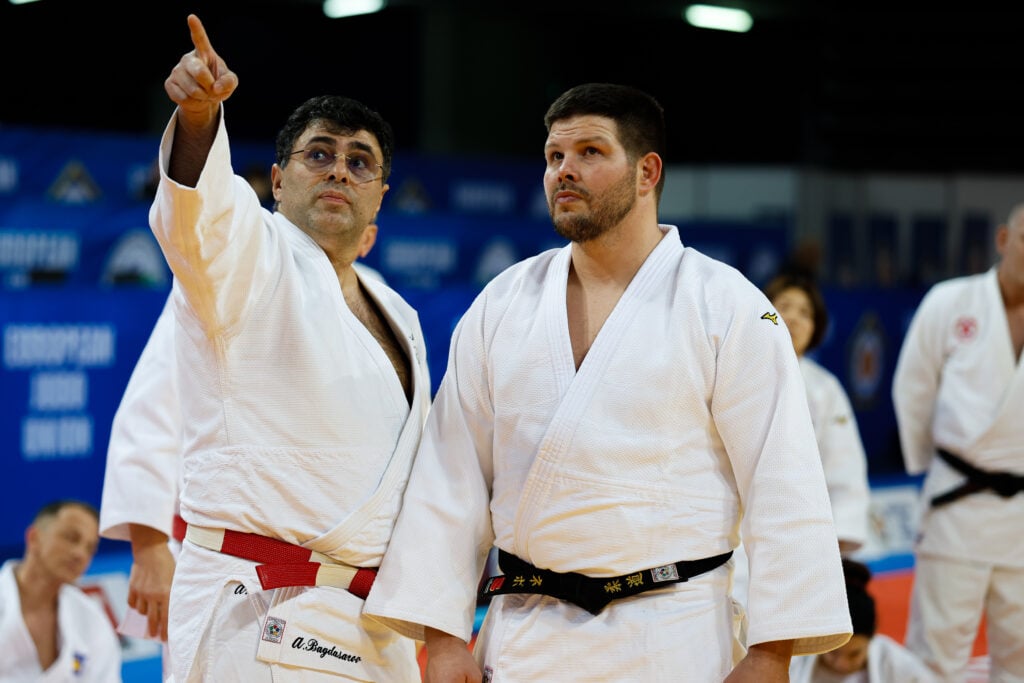
Perhaps most significantly, Bagdasarov outlined the philosophical shift driving these regulatory refinements, a vision to reclaim judo’s technical essence.
“This is the main point from the IJF’s perspective,” he stated. “The IJF Referee Commission wants to change the mentality for athletes, change the vision for athletes and coaches. We have had a lot of tactical fights, and in my opinion, many athletes prepared tactically and in the gym physical preparation for competition.
“We want to change this preparation towards technical excellence, to see more techniques. We want athletes training in the dojo, not in the gym.”
It is a clear message: judo’s governing bodies seek to reward technical skill and dynamic action over defensive tactics and physical attrition.
Watch all action from the Sofia European Judo Open live on JudoTV.com. Competition begins at 09:30 (local time).
Author: Szandra Szogedi