





Ljubljana has long served as a hub for European judo, hosting elite competitions, development camps and innovative projects that push the sport forward. This month, the Slovenian capital welcomed the official launch of JudoBraille, a two-year Erasmus+ Sport project aiming to make judo fully accessible to blind and visually impaired athletes across Europe.

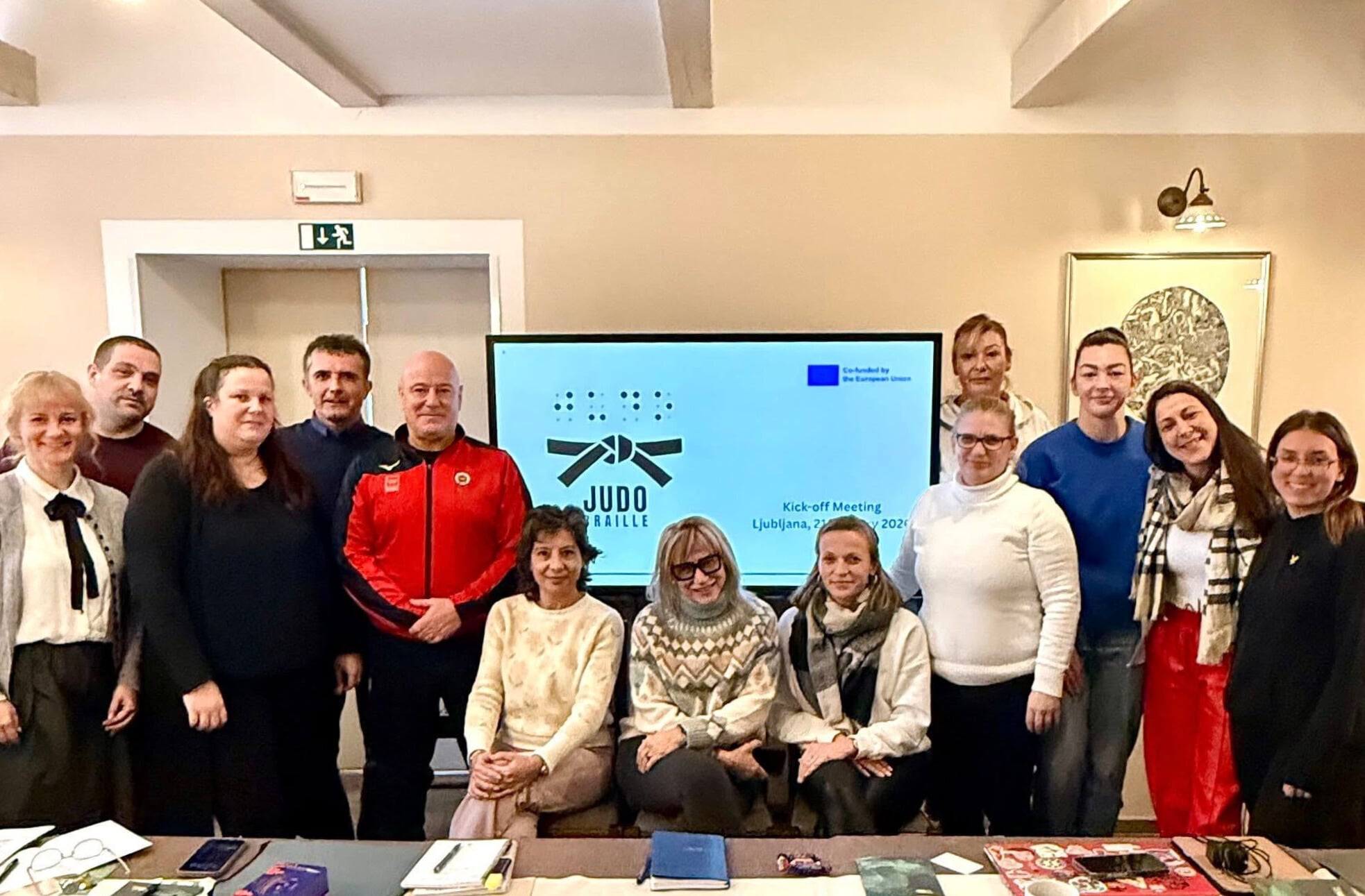
Whilst the EJU is not directly involved, the initiative exemplifies how judo’s community continues evolving to serve every participant, regardless of physical ability. When clubs, federations and disability education centres unite around shared purpose, barriers fall and opportunities multiply.
JudoBraille brings together leading organisations from across the continent: Judo Klub Golovec and Center IRIS (Slovenia), Club Deportivo Elemental Newton (Spain), Kaunas Judo Club Ryto Saulė (Lithuania), and Judo Klub Osoba s Invaliditetom Yuki (Croatia). Associated partners include the Slovenian Paralympic Committee, Croatian Judo Federation, Madrid Judo Federation, and Lithuanian Paralympic Committee, institutional support ensuring the project’s reach extends beyond individual clubs into national structures.
At the kick-off meeting, partners shared expertise, explored collaboration strategies and participated in practical sessions demonstrating inclusive judo techniques. Theory met practice. Ideas became actionable plans.
JudoBraille is a practical intervention designed to remove specific barriers:
- Accessible Belt Exam Guides: Transcribing examination materials into Braille and other accessible formats, ensuring visually impaired judoka can pursue grading progression independently and with dignity.
- Coach Training & Curriculum Development: Equipping coaches with skills to adapt techniques, enhance communication methods, promote safety protocols and build confidence for VI athletes navigating a sport traditionally taught through visual demonstration.

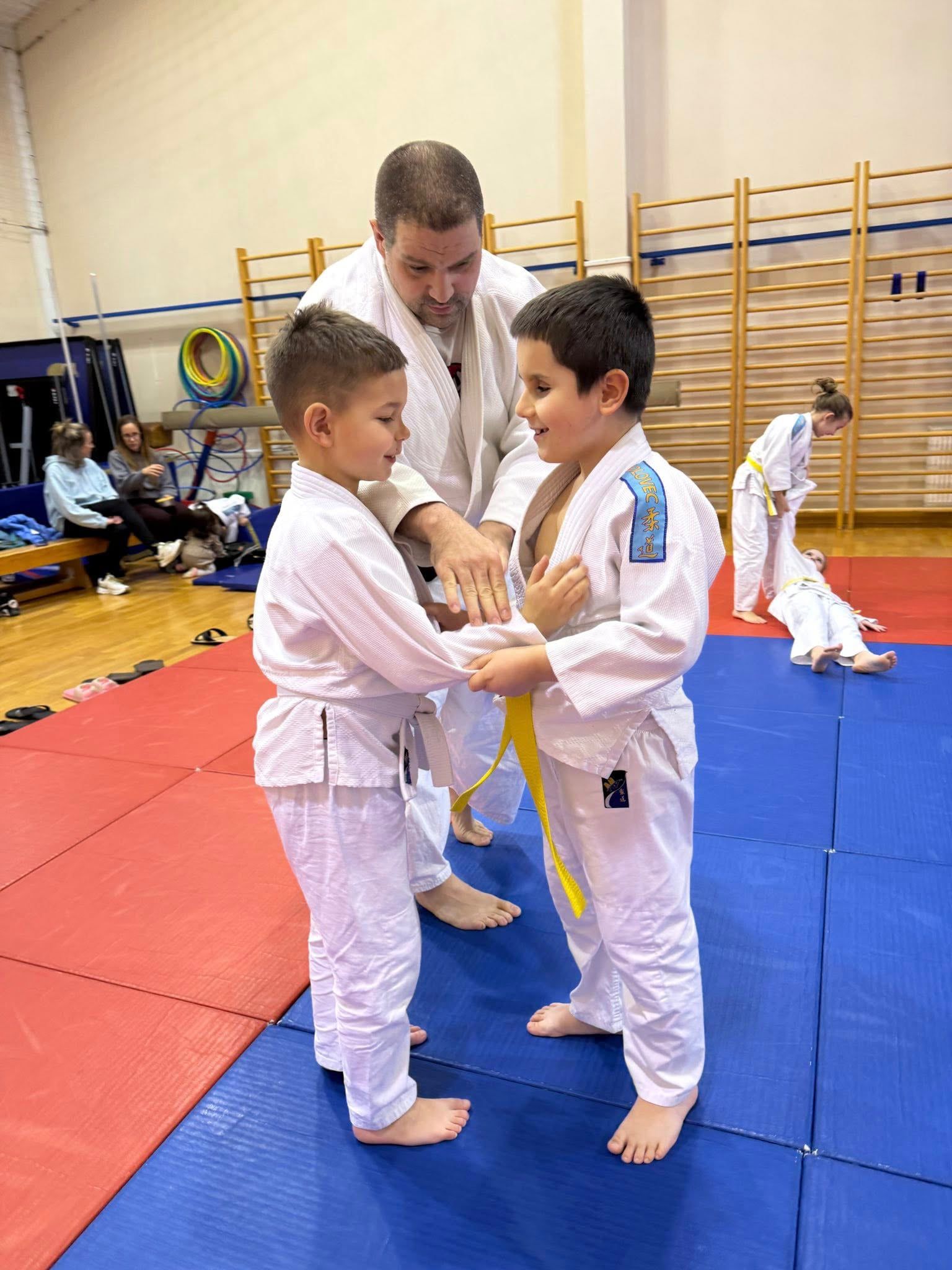
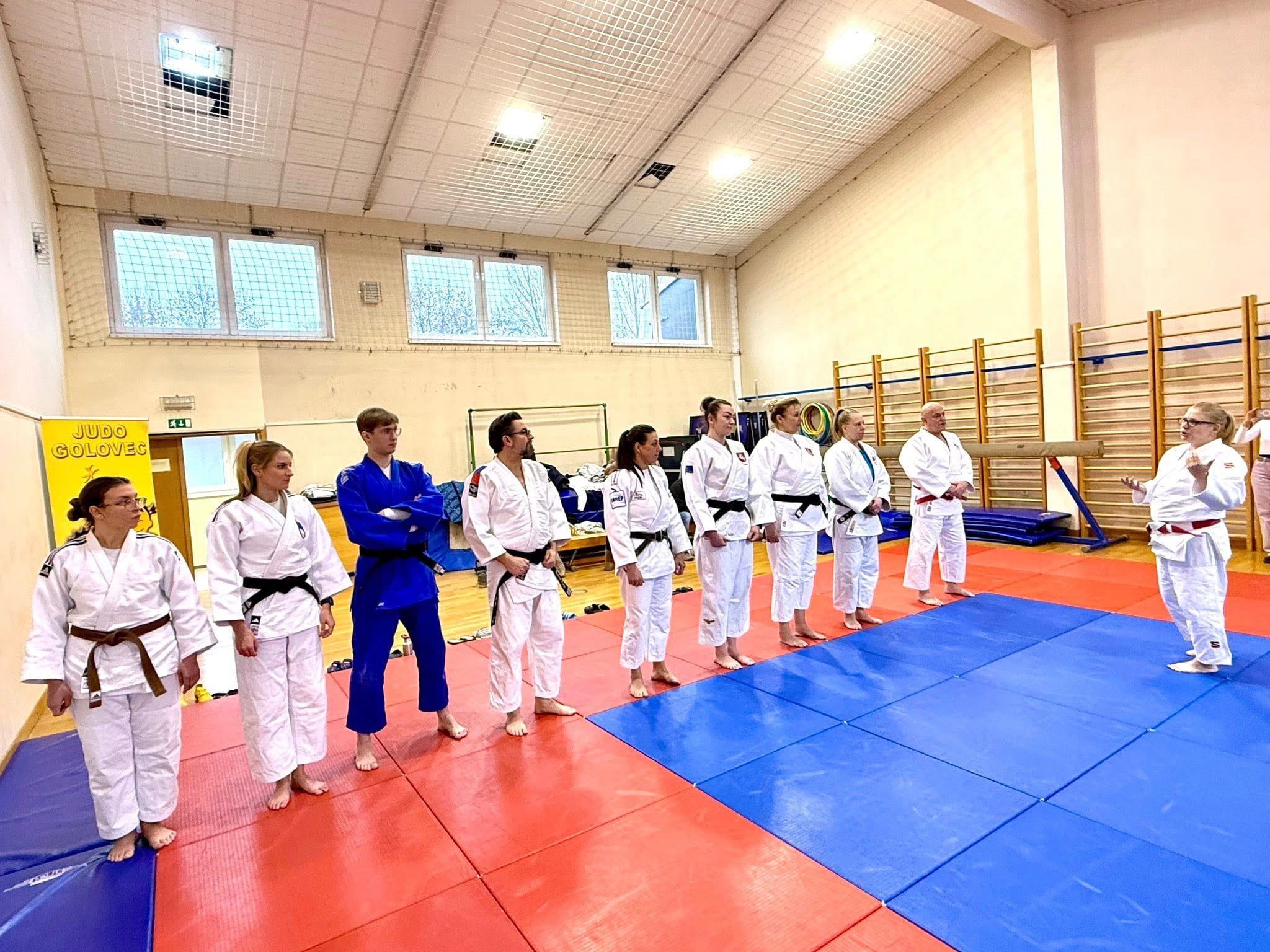
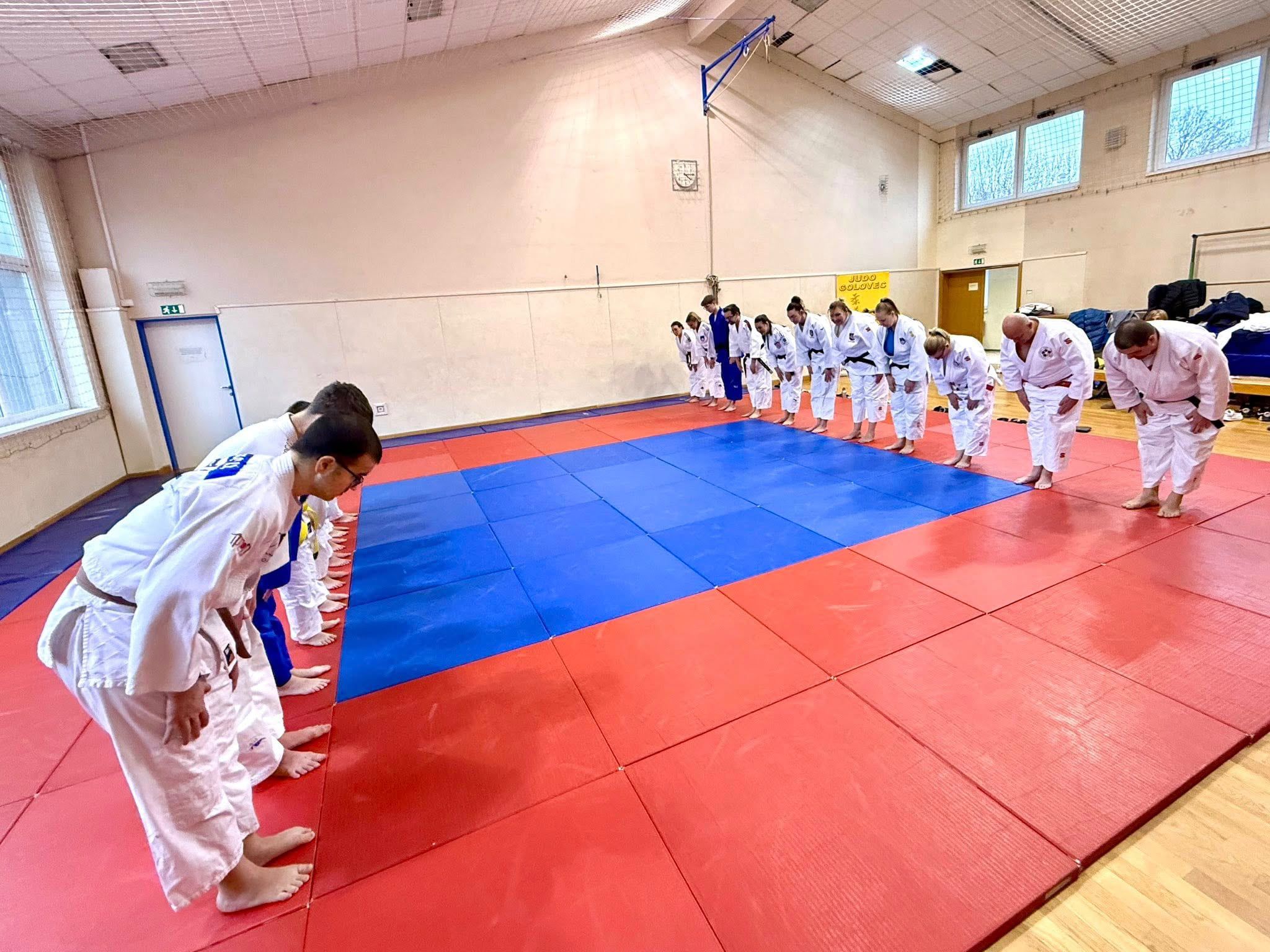
Project coordinator Špela Lampe Cakići of Judo Klub Golovec articulated the initiative’s philosophy succinctly: “JudoBraille is about creating equal opportunities, fostering independence and showing that judo is open to everyone.”
Blind and visually impaired judoka already compete at elite levels, including Paralympic Games but grassroots accessibility determines whether future champions ever step onto a mat. If belt exams remain inaccessible, if coaches lack inclusive training methods, if materials exist only in visual formats, then talent is wasted and potential is squandered.
JudoBraille addresses these gaps systematically, creating resources that will outlast the project’s two-year timeline and benefit athletes across Europe for years to come.
Source and Images: Špela Lampe Cakići
Author: EJU Media