





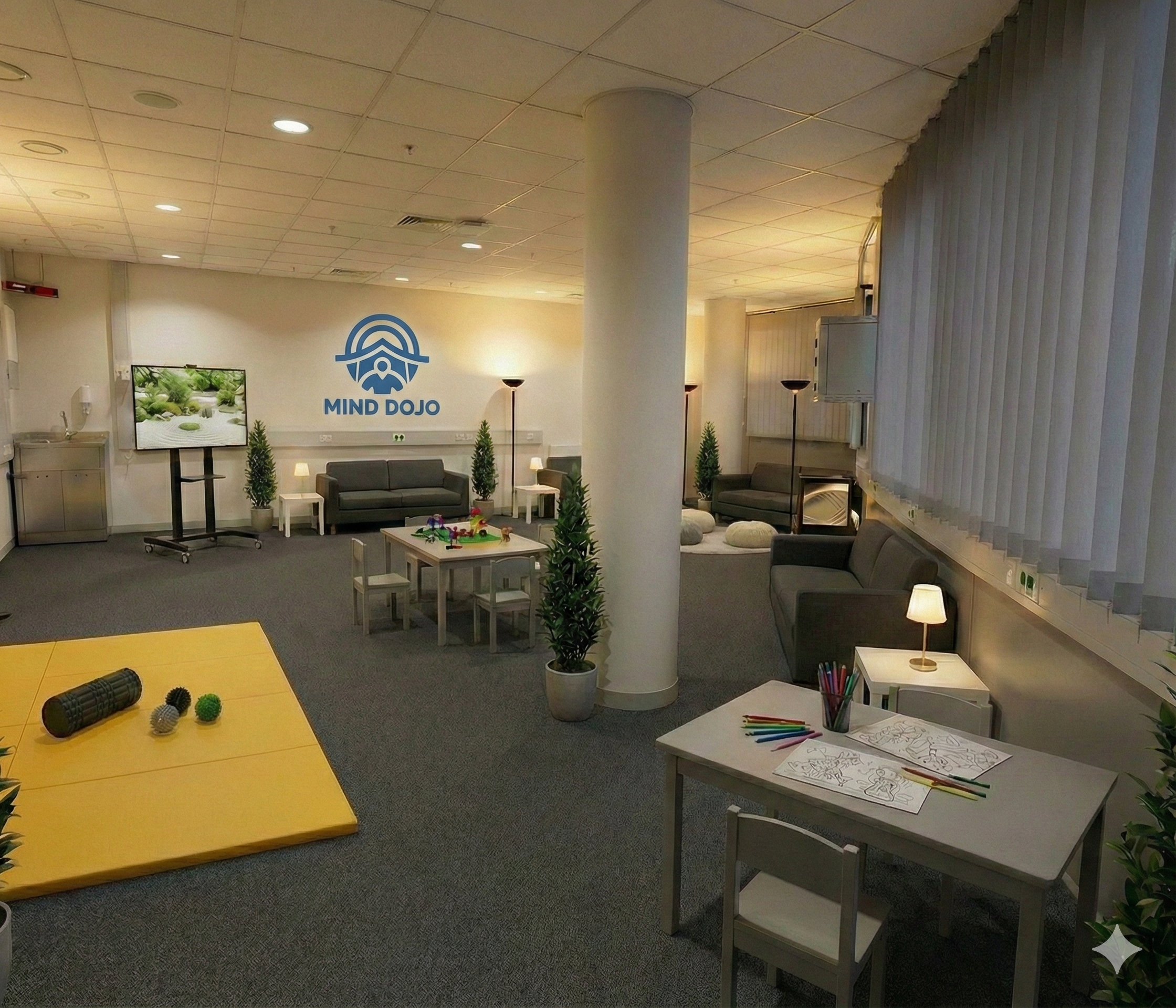
In elite sport, strength is often measured in seconds, scores and podium finishes. Yet, behind every contest lies a quieter reality, the emotional weight of expectation, pressure and relentless performance. As judo continues to evolve, so too does its understanding of what it means to truly care for its community. At the upcoming Linz Grand Prix taking place between 6-8 March, a new initiative will take a significant step forward with the introduction of the Mind Dojo, a dedicated space designed to support mental well-being within the heart of the competition environment.

The Mind Dojo is not a treatment centre, nor is it a performance coaching area. Instead, it offers something equally powerful: a calm, welcoming space where athletes, referees, entourage and working staff can step away from the intensity of the arena to reset, breathe and regain focus. Situated next to the warm-up area, yet intentionally removed from public view, it reflects a growing recognition that mental recovery is as essential as physical preparation.
Research consistently shows that mental health challenges among elite athletes are as common as within the general population. High-pressure competitions can amplify stress, anxiety and emotional overload, making accessible and stigma-free support increasingly vital. The International Olympic Committee has emphasised the importance of creating safe, non-clinical environments where individuals can pause, reflect, and seek guidance when needed. The Mind Dojo embodies this philosophy, representing a shift towards proactive, compassionate athlete care.
Inside the space, visitors will find a simple but thoughtful environment. Quiet corners allow for grounding and emotional regulation, while self-guided activities, from colouring pages and LEGO bricks to self-massage equipment, encourage moments of calm and mental reset. The presence of trained professionals, including a psychologist and Austrian safeguarding officers, ensures that anyone entering feels supported, safe and understood. Their role is not to diagnose or intervene clinically but to provide orientation, reassurance and, where necessary, confidential referrals to appropriate mental health services.
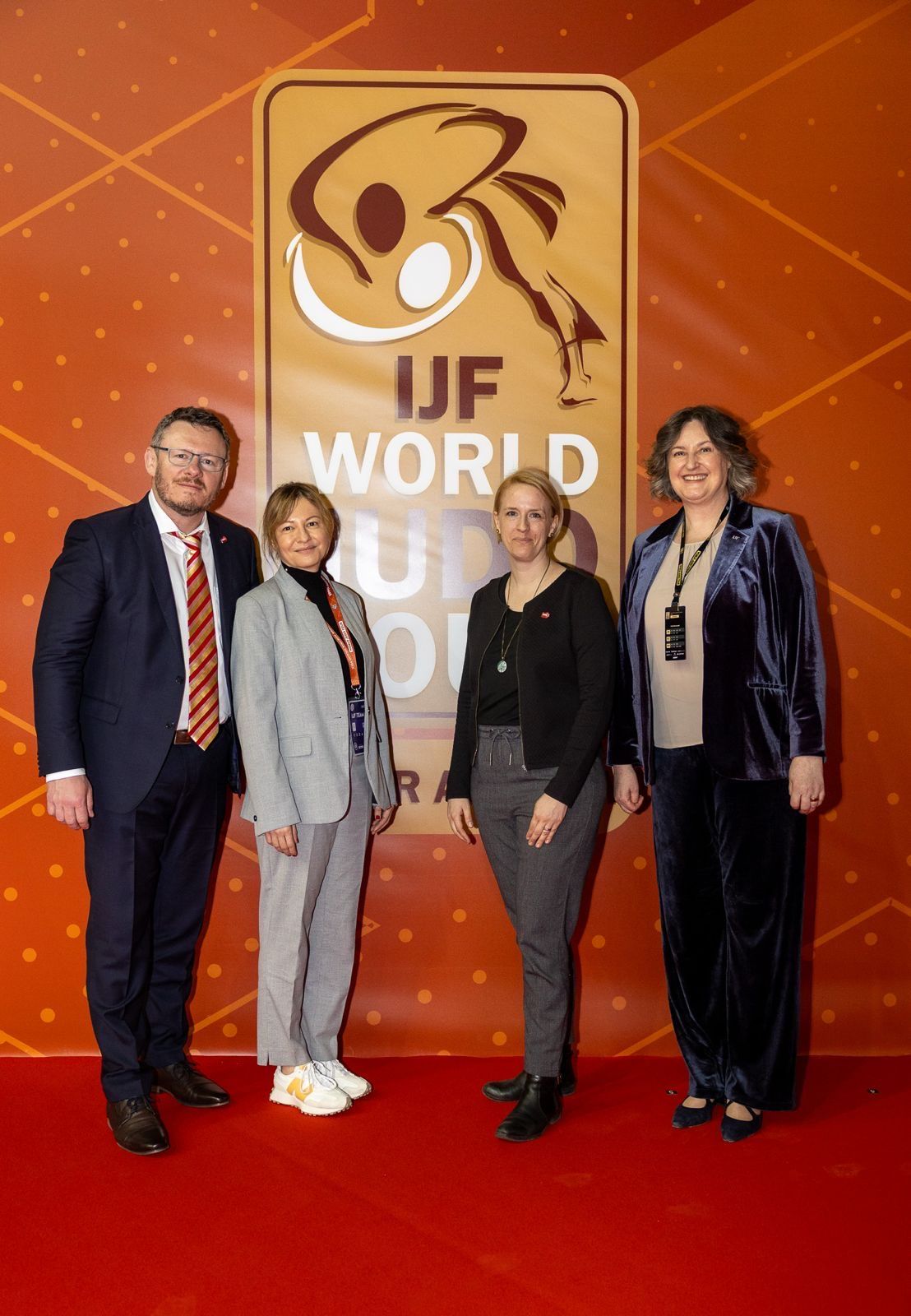
“This initiative has been a long journey,” explains Veronika Jakl, the IJF’s Mental Health Officer. “One year ago at the Grand Prix 2025 in Linz I was asked to take on this role and heard for the first time about the idea of mental health support at judo events. I am very grateful that now, after a year of brainstorming and planning, we will have the pilot Mind Dojo. I have been working closely with the Medical Commission, the Athletes Commission and the IOC to create an experience that feels thoughtful, respectful and genuinely helpful.”
The Mind Dojo is also deeply rooted in judo’s philosophy. Guided by the principles of Seiryoku Zen’yo, maximum efficiency with minimum effort, as well as, Jita Kyoei, mutual welfare and benefit, the initiative recognises that true performance emerges from balance. “We want athletes and referees to find clarity and focus their mental energy during the tournament,” Ms Jakl adds. “By creating this space, we hope they can reconnect with themselves and achieve their highest potential.”
Importantly, the project in Linz is a pilot. Its purpose is to test feasibility within a live competition environment, observe how people use the space, gather honest feedback and identify best practices for future International Judo Federation events. Privacy remains paramount; the Mind Dojo will not be open to the public or media and filming or photography inside the area will be restricted to ensure confidentiality and trust.
Beyond its practical function, the Mind Dojo symbolises a cultural shift within elite sport. For many years, conversations around mental health remained in the shadows, often overshadowed by the pursuit of medals and results. Today, initiatives like this send a clear message: caring for the mind is not a sign of weakness but an expression of strength, responsibility and respect for the people who give everything to the sport.
Judo has always been more than competition. It is a lifelong path shaped by values, resilience and community. With the introduction of the Mind Dojo, that path expands to embrace not only physical excellence but emotional well-being, reminding everyone that the strongest victories are sometimes the quiet moments of pause, reflection and renewed focus before stepping back onto the tatami.
Author: Szandra Szogedi