





World Down Syndrome Day, observed on 21 March, carries a powerful symbolism: the triplication of the 21st chromosome. Officially recognised by the United Nations in 2012, it stands as a reminder to raise awareness, champion inclusion and recognise the achievements of people with Down syndrome. For the European Judo Union, this is not a message reserved for one day. Through its Adapted Judo programme, that philosophy is lived every day on the tatami, where differences are not barriers but part of the richness of the sport. It is here that the idea of judo for all becomes real.

Each year, a story brings that message closer to home. This year, it is the story of Daniel Kidd and his mother, Sandra, from the United Kingdom. It is a story about belief, resilience and powerful victories, the ones that many cannot comprehend.
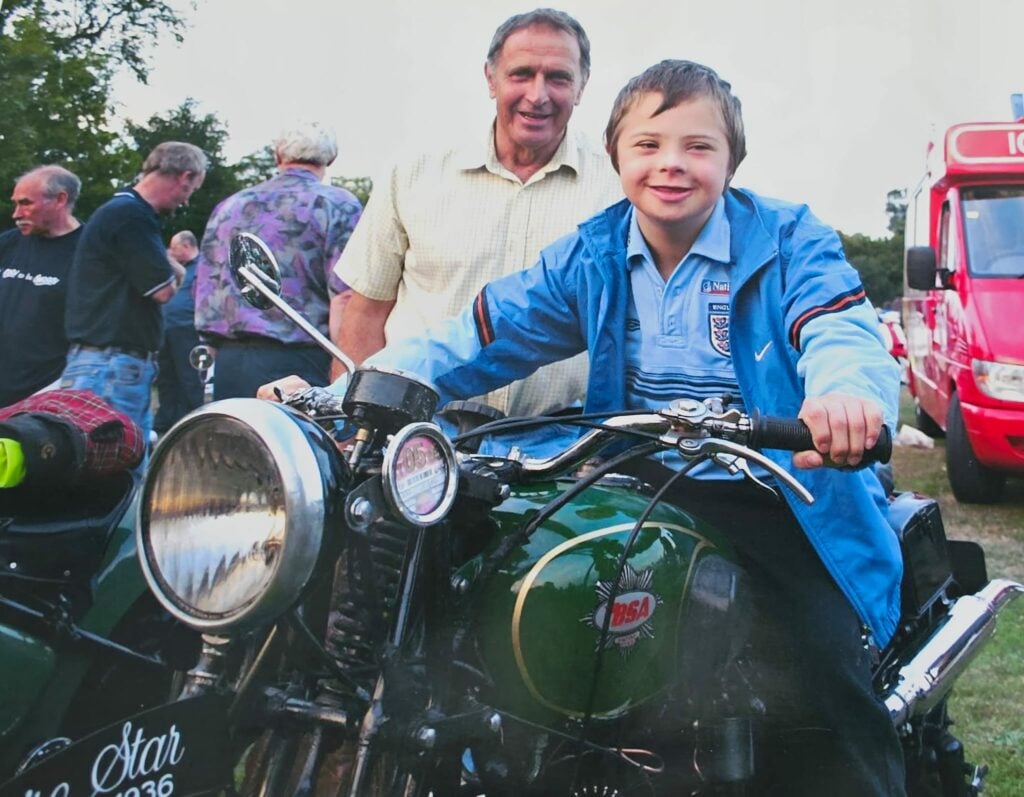
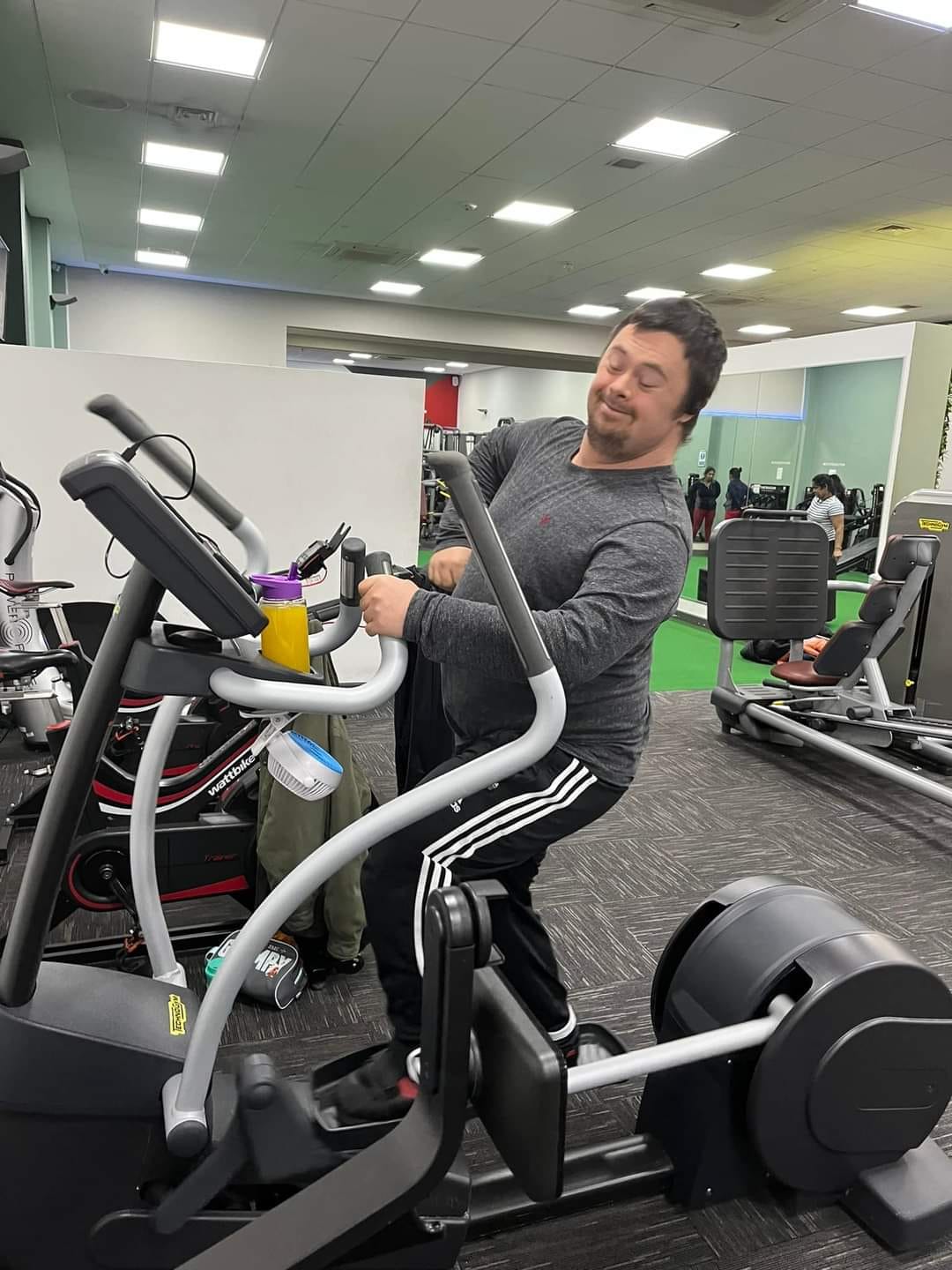
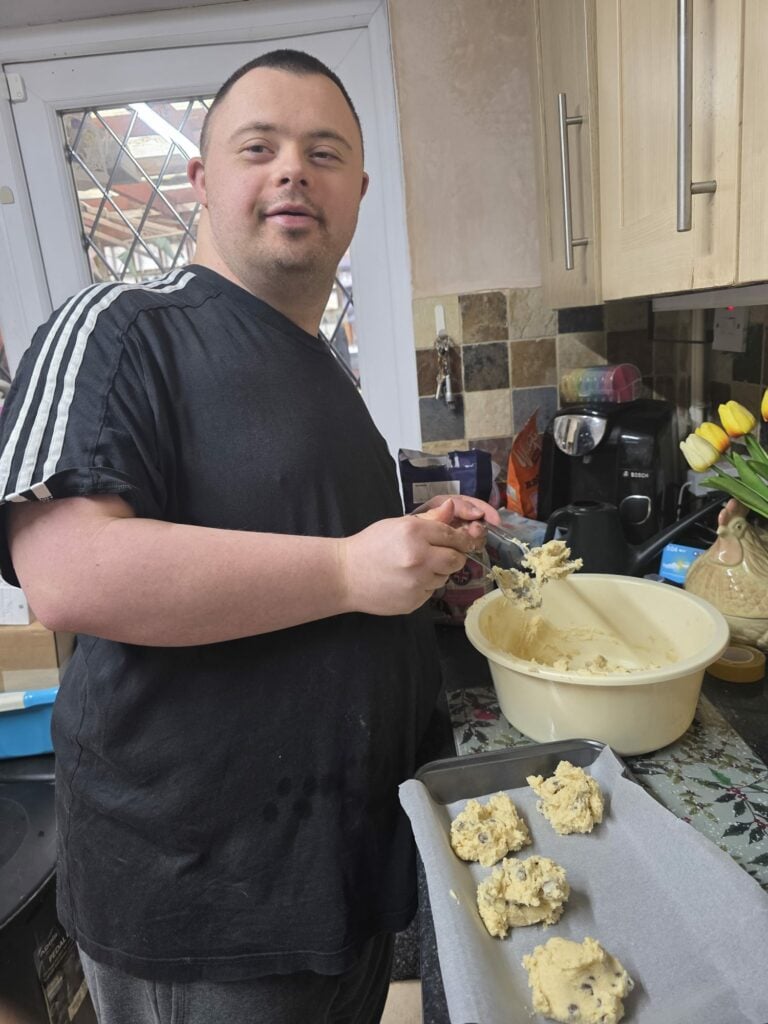
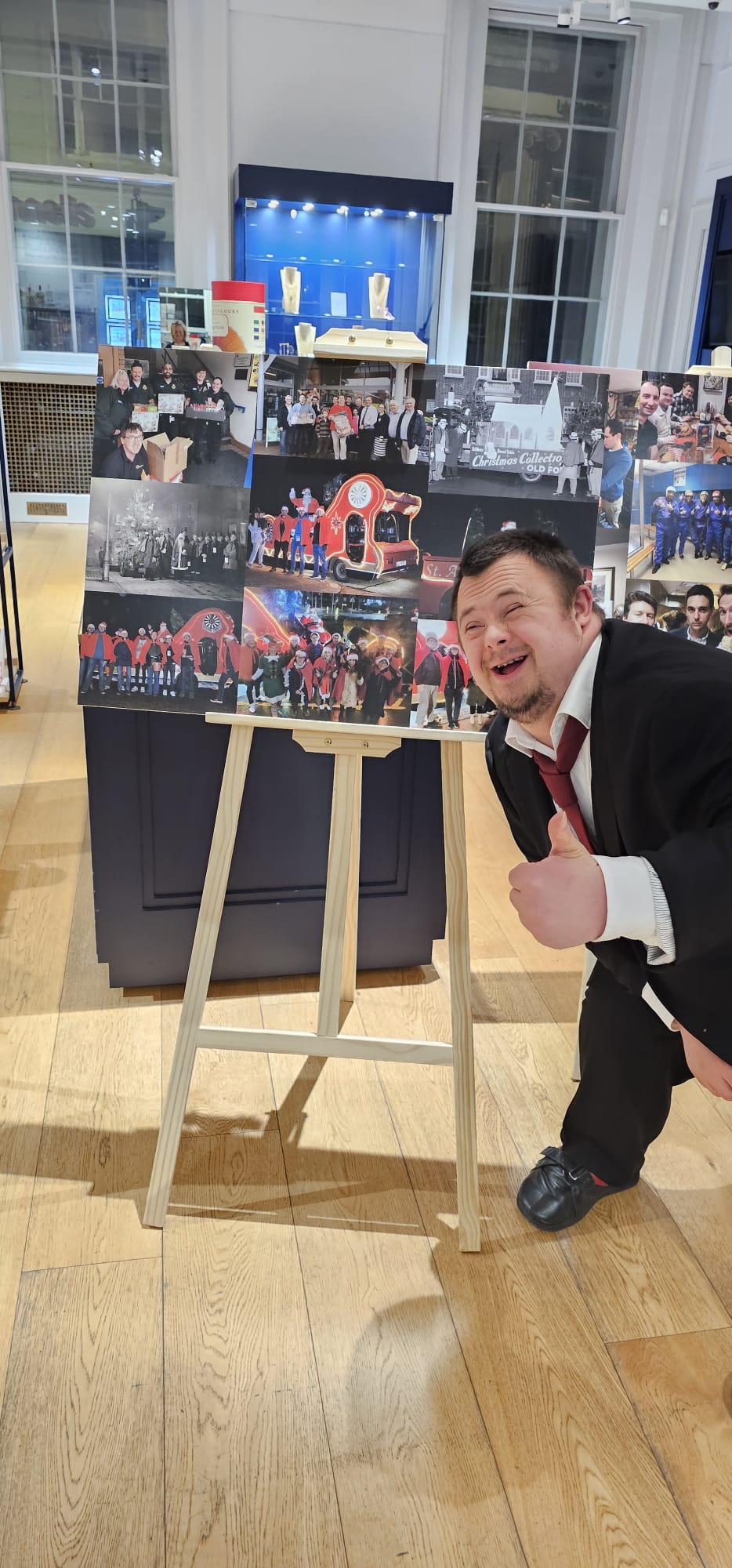
Daniel is 31 years old. He is, as his mother describes him, “fun, very caring but also very stubborn.” His days are filled with activity: judo, swimming, drawing, time at his day centre, helping at a charity shop and supporting a community food bank. He is someone who tries everything, someone who gives, someone who connects.
Like so many others, he has a dream: to live independently, in a place he can call his own and he has been doing exactly that since the age of 18. His life stands as quiet, undeniable proof that a condition does not define limits, nor does it diminish possibility or independence.
Still, the journey began with uncertainty…
At just 14 months old, Daniel underwent open-heart surgery. For Sandra, it was “the hardest day ever.” Yet even in those early years, one belief guided everything: Daniel should have the same opportunities as his siblings. There were no limits imposed in advance, only possibilities to be explored, and this is the mindset Sandra has carried ever since.
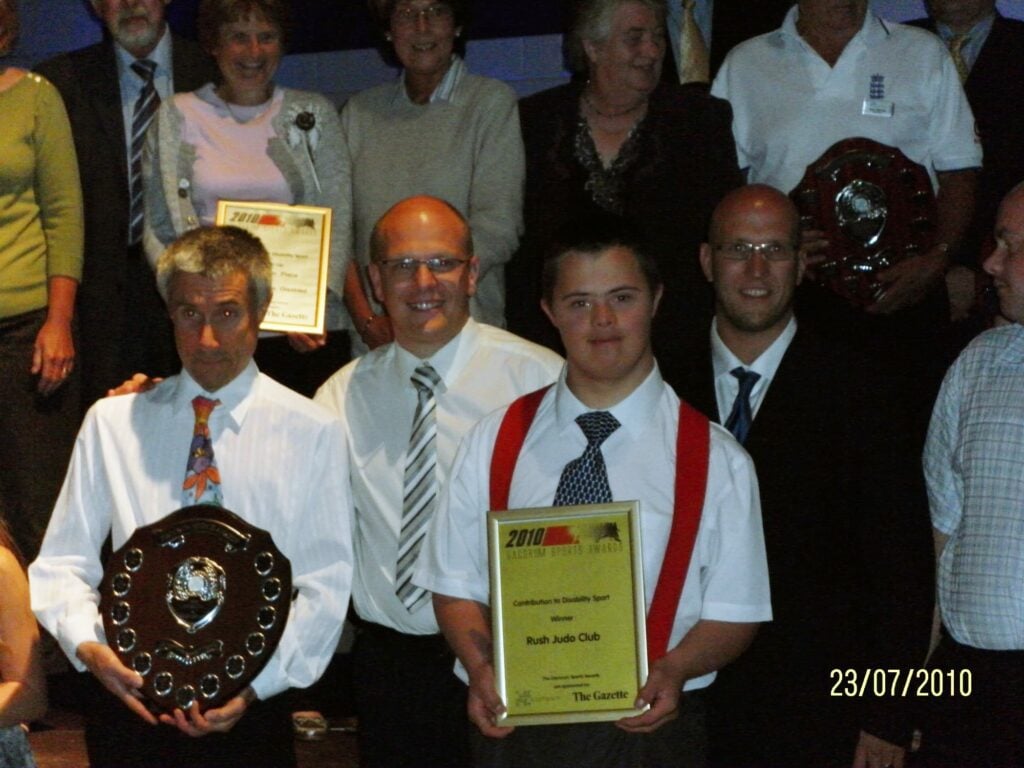
Judo entered Daniel’s life almost by chance. A friend mentioned a new club, Rush Judo, which had started a Mencap class. Daniel was just shy of 16. Sandra admits she was hesitant, unsure how he might react, particularly given the physical nature of the sport but within minutes of arriving, something shifted.
“He was in a suit and on the mat,” she recalls. “And the rest, as they say, is history.”
Daniel, whose physical condition made many sports difficult due to his clubfoot and one leg being longer than the other, found in judo something that became more than just an activity. It became his place. His space. His community.
“It is his happy place,” Sandra shares.
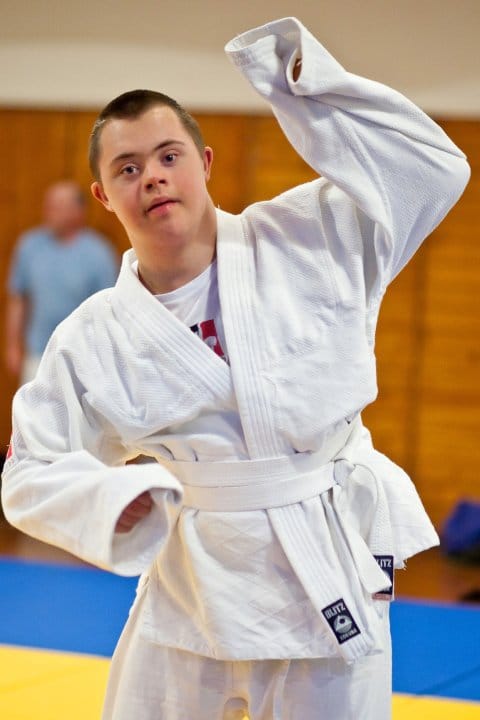
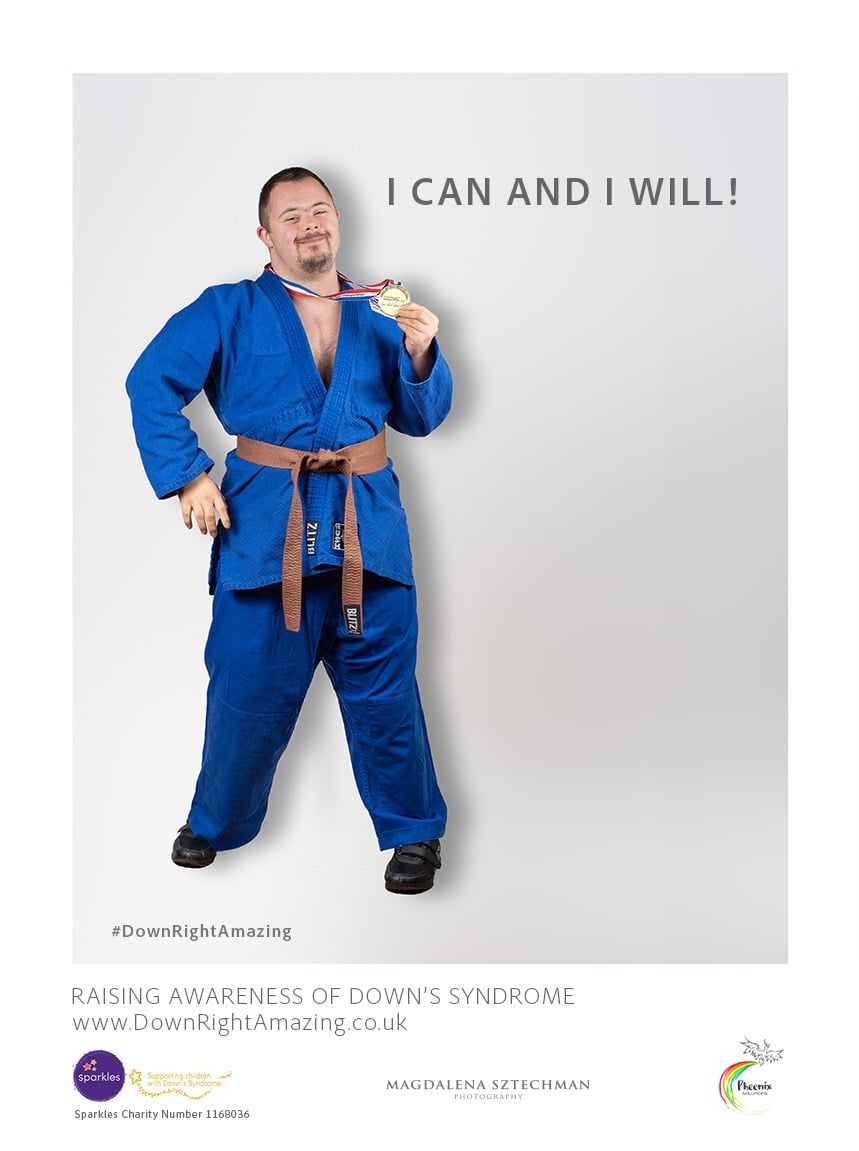
Over the years, that space has shaped him. His confidence has grown. His pride in his achievements is visible. And those achievements are not small: a black belt, a British Championship gold medal, recognition as player of the competition in Sweden.
Yet, the most meaningful moments are quieter. Returning after 15 months of isolation during COVID. Rebuilding the courage to reconnect. Helping younger children on the mat, offering the same encouragement he once received.
“I am so proud,” Daniel says of earning his black belt recently. There is no embellishment needed. The words carry everything. As per Sandra, the journey has been transformative too.
“Patience, belief and determination,” she reflects. “I will not believe he can’t do anything unless he shows me he can’t and even then we find another way.”
It is not a theory, it is a philosophy that one must have through lived experience…, by watching her son meet challenges, fall, rise, and continue.
Sandra’s message to other parents, who may worry of exclusion if trying out different sports, is direct: “Just do it. There is nothing to lose but everything to gain.”
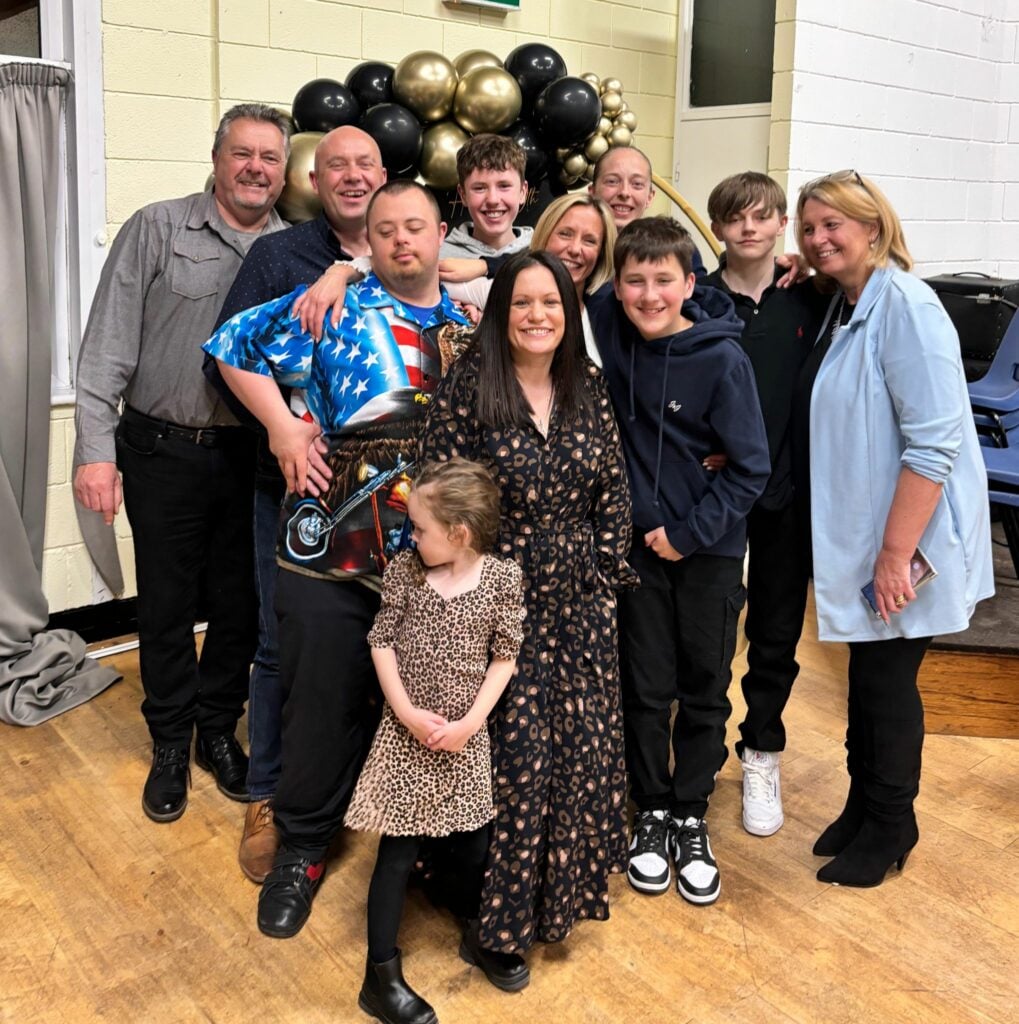
Now, behind every journey like Daniel’s stands a mother like Sandra as well as a community like Rush Judo. At the club, coaches and teammates did more than teach techniques. They created belonging. They believed in him from the first moment, without pressure, without expectation, only encouragement.
“They are like family,” Sandra says.
For his coach, Laurie, Daniel’s journey has been as enriching for those around him as it has been for Daniel himself.
“It has been a long, fun journey full of laughter and personal development,” he explains. “He started as the youngest and now he is one of the senior players, helping the younger ones.”
The most important lesson?
“Never place barriers on what someone can do based on what you think they can do. They will always surprise you,” – reflects Laurie.
Turning to Daniel and questioning what judo brings to his life personally, he replies sharply:
“I like judo. It helps me get fit and I have a laugh.”
It is easy to overlook the depth in those words. Fitness, joy, belonging, purpose, all captured in a single sentence and when he speaks of the future, there is clear ambition:
“One day I am going to be a coach.”
As we come to the close of the interview, on World Down Syndrome Day, Sandra offers a message that cuts through assumptions and fear:
“It is not the end of the world having a child with Down syndrome. It is a bit more hard work but what you put in, you get out so much more.”
She pauses, then adds what may be the truest measure of all:
“Daniel is loved by nearly everyone he meets. He has a heart of gold. He amazes us every single day.”
This is what inclusion looks like. Not a concept but a lived reality. Not a policy but a person. A son. A judoka. A teammate. A mentor.
There are no limits to belonging.
Author: Szandra Szogedi