





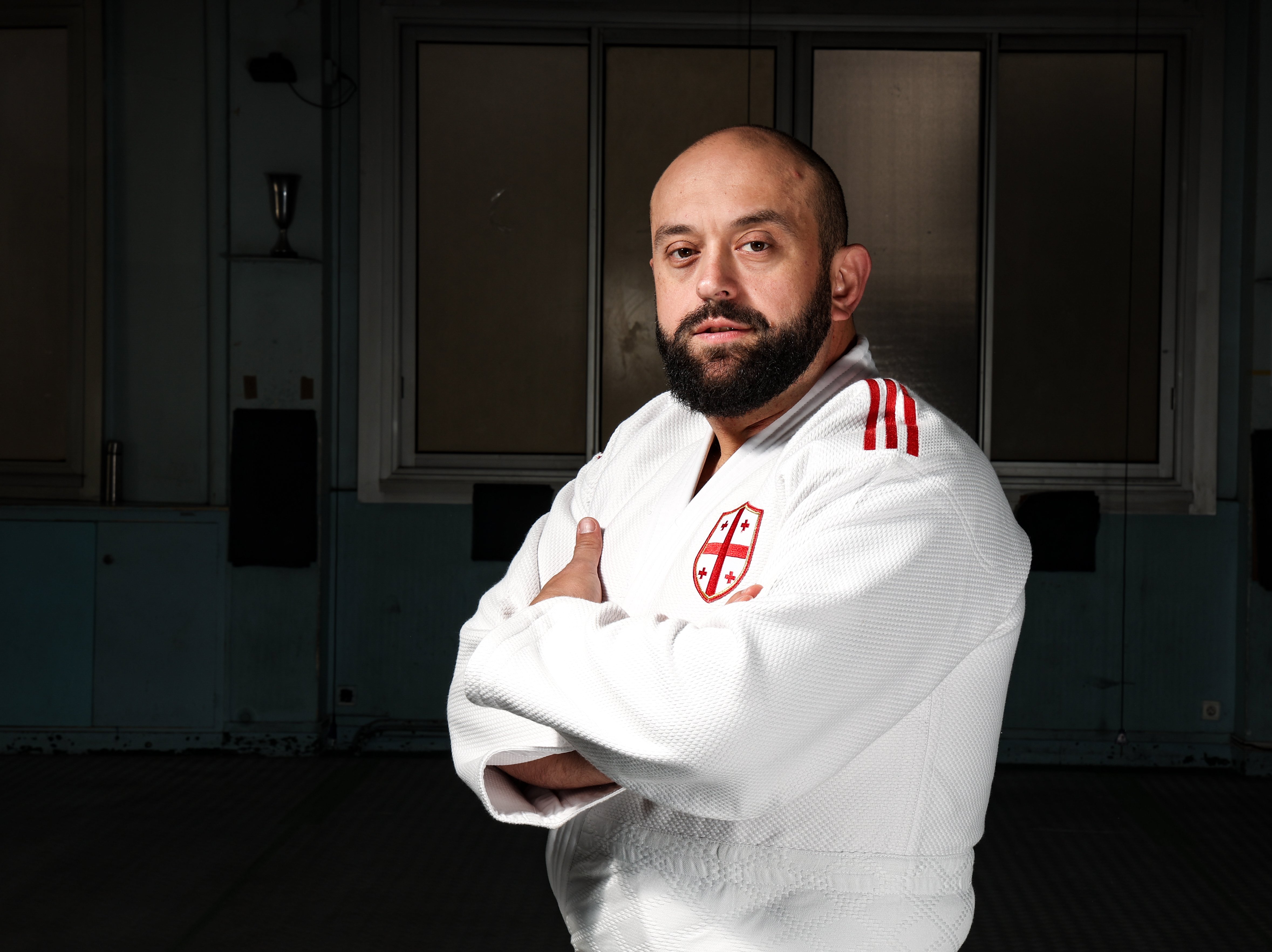
There is something unmistakable about Georgian judo. It does not arrive quietly; it rolls in like a mountain storm, unpredictable, powerful and certainly impossible to ignore. It is not just technique or tradition but a pulse that runs through the nation and at the centre of that pulse, as Tbilisi prepares to host Europe once again, stands Lasha Gujejiani, the calm conductor of a very loud orchestra.

“I develop the Georgian style with love and dedication to judo“, states the man himself.
It is less of a blueprint and more a living language, passed down, refined and spoken fluently on the tatami. Georgian judo is not built in sessions; it is forged over time, like steel in fire.
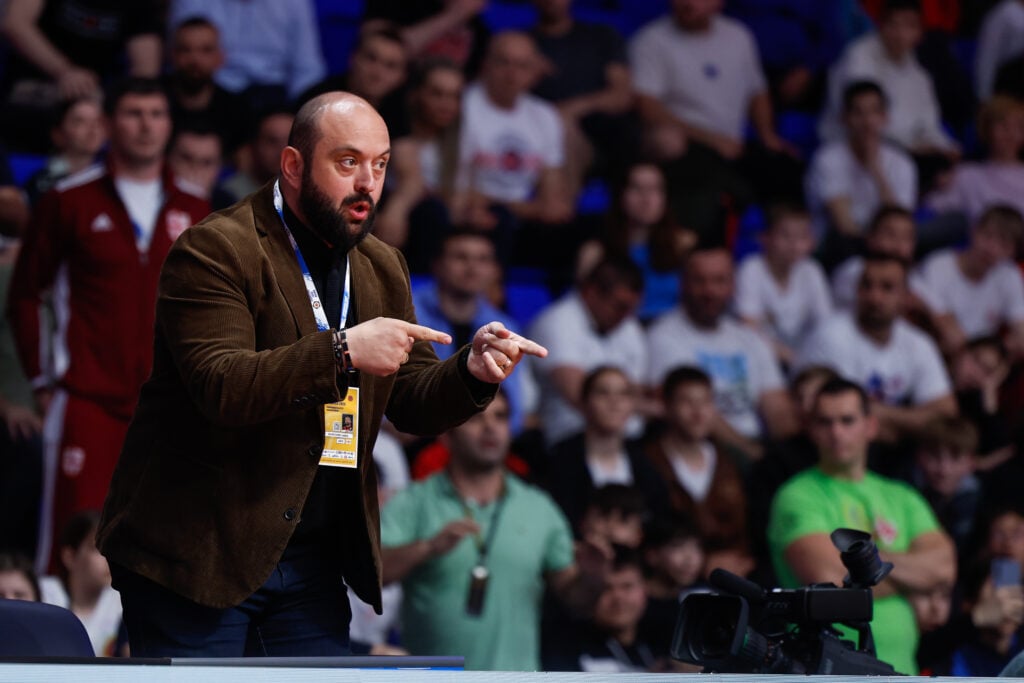
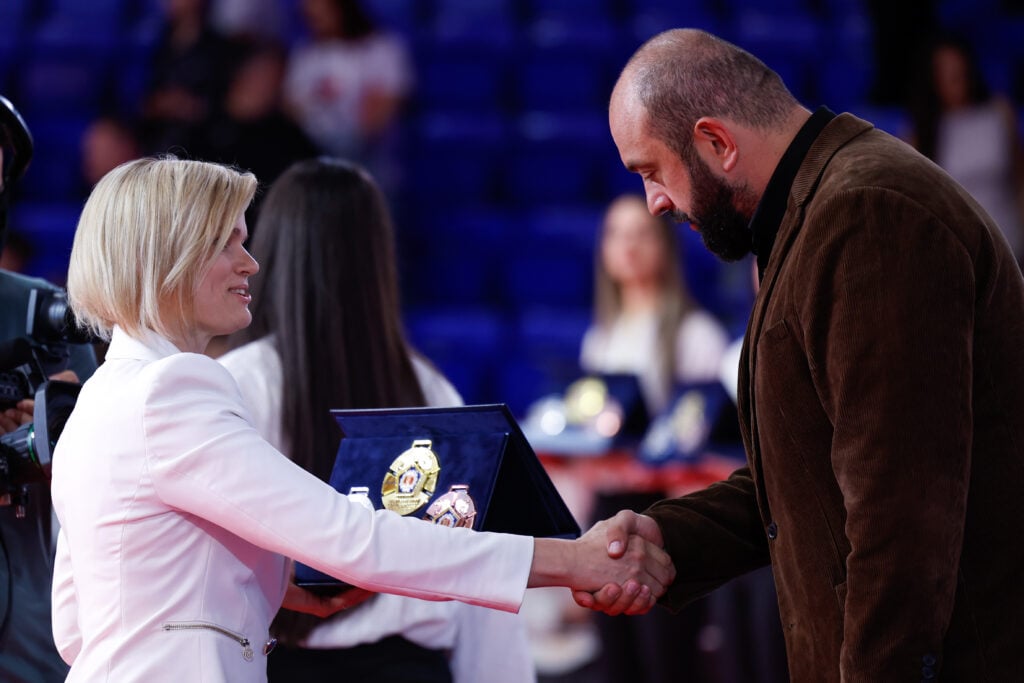
Between 16–19 April, the Senior European Judo Championships return to Tbilisi after 17 years and with that comes expectation that hangs in the air like charged electricity. For some, that pressure might feel suffocating, yet, for Gujejiani, it is simply part of the landscape.
“How well we manage to balance pride and pressure, it will be seen after the competition. A home European Championship is a challenge and pressure, as well as motivation but for a team like ours, accepting such challenges should not be difficult.”
It is the tone of a man who does not fight the current but trusts his team to swim through it. Preparation, too, has been less about sharpening the sword and more about ensuring it does not break before battle.
“The main focus was to keep the team healthy and ensure that all leading judoka compete at the European Championship.”
In a season that stretches athletes thin, this is preservation over performance theatre, a quiet strategy that may well roar when it matters most. The team had a glimpse of it all past weeks during the Tbilisi Grand Slam 2026, a perfect dress rehearsal prior to welcoming the continent. Interestingly, the weight of the occasion rests more heavily on the coach than on the competitors.
“Personally, I feel slightly more responsibility because we are competing at home. Within the team, this is less noticeable. The preparation process remains usual for the team.”
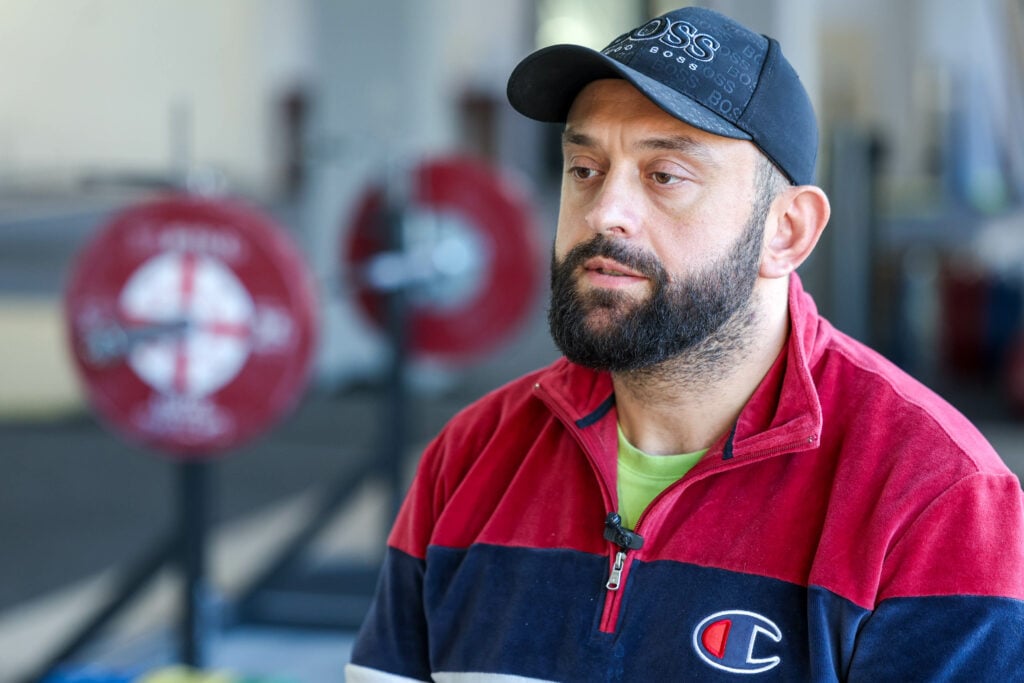
That same philosophy binds the team together, regardless of weight or role.
“I can’t really separate it that way. Of course, there are individual approaches for athletes in different weight categories but Georgian judo is such a unified team that it doesn’t feel or look like we are divided or that anyone is training separately.”
They move as one body, different limbs, same heartbeat. When pressed on individuals, on standout names or rising stars, Gujejiani intentionally resists the spotlight.
“Considering that I gave the main team athletes maximum rest from tournaments and since the Olympic qualification events start this year and we also have the World Championships at the end of the year, while we approach the European Championship with responsibility, our main focus is on improving Olympic qualification standings and performing consistently at the World Championships. Therefore, I cannot single anyone out yet, as they have not been competing actively.”
Still, belief runs deep, rooted like an ancient tree that has weathered every storm before.
“We have optimistic expectations. Georgians have great talent and a character and genetics well-suited for judo. We have never struggled in the past, we are not struggling now and we will not struggle in the future either.”
There is no bravado here, just a quiet certainty that feels immovable. Pressure, then, becomes less of a burden and more of a test.
“Fortunately, my athletes rarely feel heavy pressure but when they do, they handle it well. If they don’t, we analyse what we lacked and what caused the loss.”
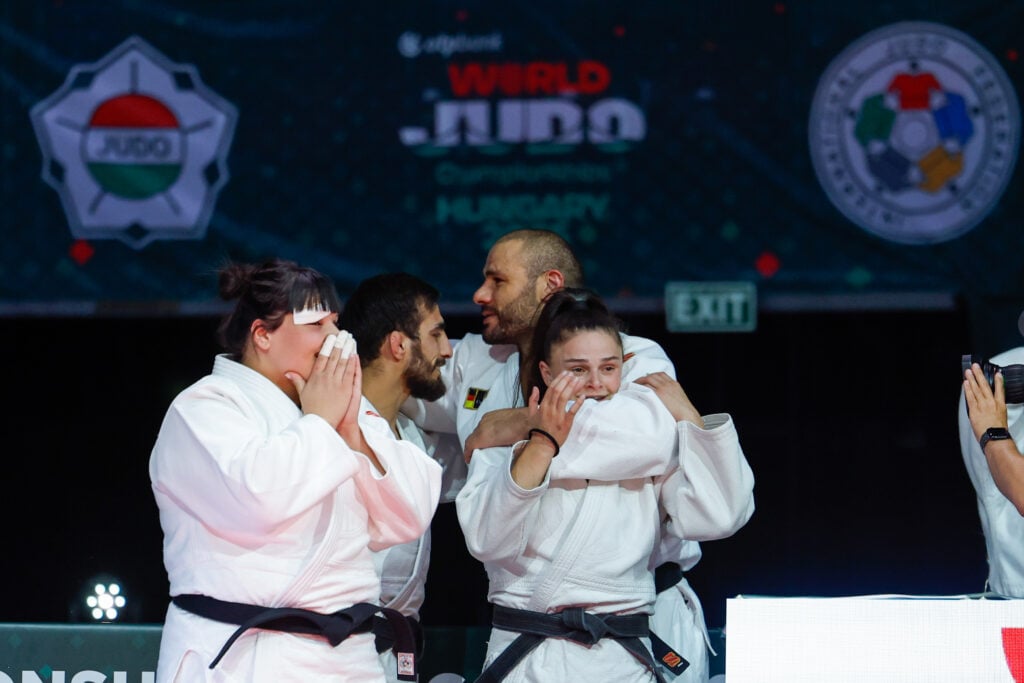
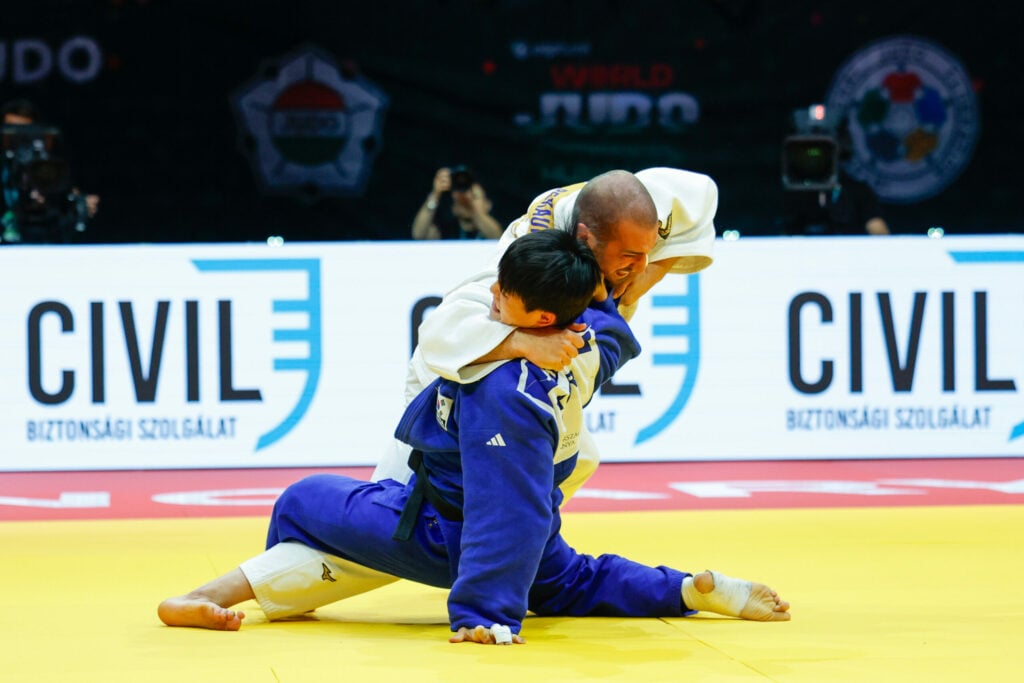
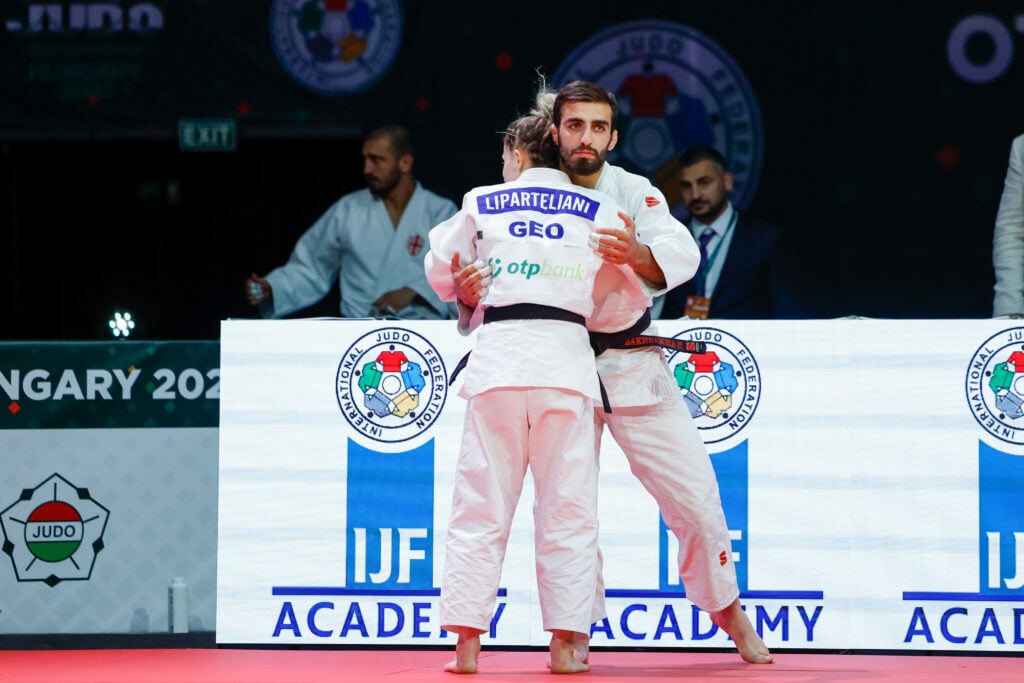
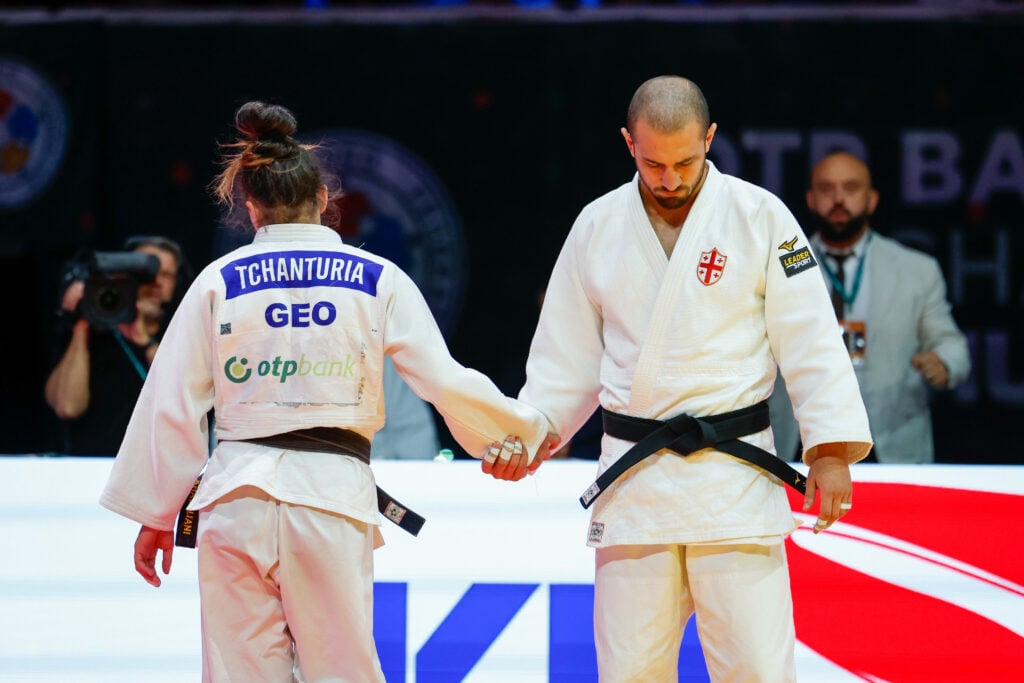
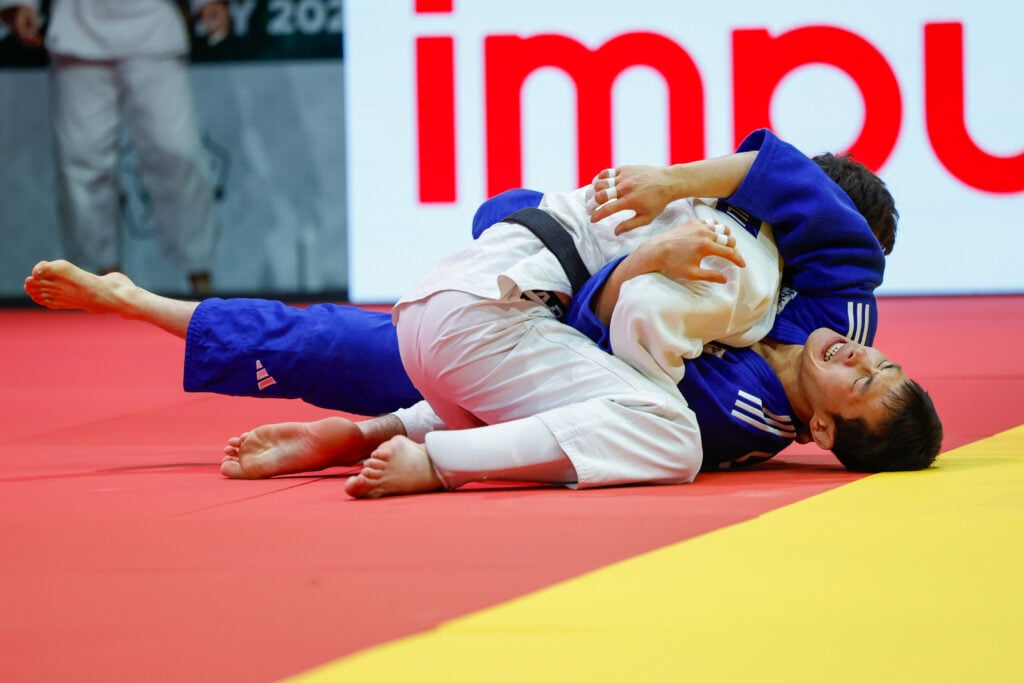
Even within a squad as deep as Georgia’s, where competition could easily fracture unity, the approach of Gujejiani remains simple.
“I approach inhouse rivalry with honesty, without bias and with an objective approach.”
No shadows. No hidden agendas. Just clarity. Now, when asked to list a few countries that could bring the biggest threats this year, Gujejiani delivers a single word as a perfectly timed counter.
“Georgians.”
The message is clear: the only opponent capable of derailing Georgia… is Georgia. Still, when discussing more about judo in Europe, he acknowledges the shifting terrain within the continent.
“European judo has always been strong and distinctive. I believe it is more diverse than Asian judo. It also has a larger geographical scope, with more countries participating than on other continents. This adds competitiveness and strength.”
It is a battlefield that grows wider and more complex each year, where only those who adapt survive. In Tbilisi, however, one advantage cannot be measured on paper.
“The home crowd will be a very important factor for us. I believe it could even be decisive.”
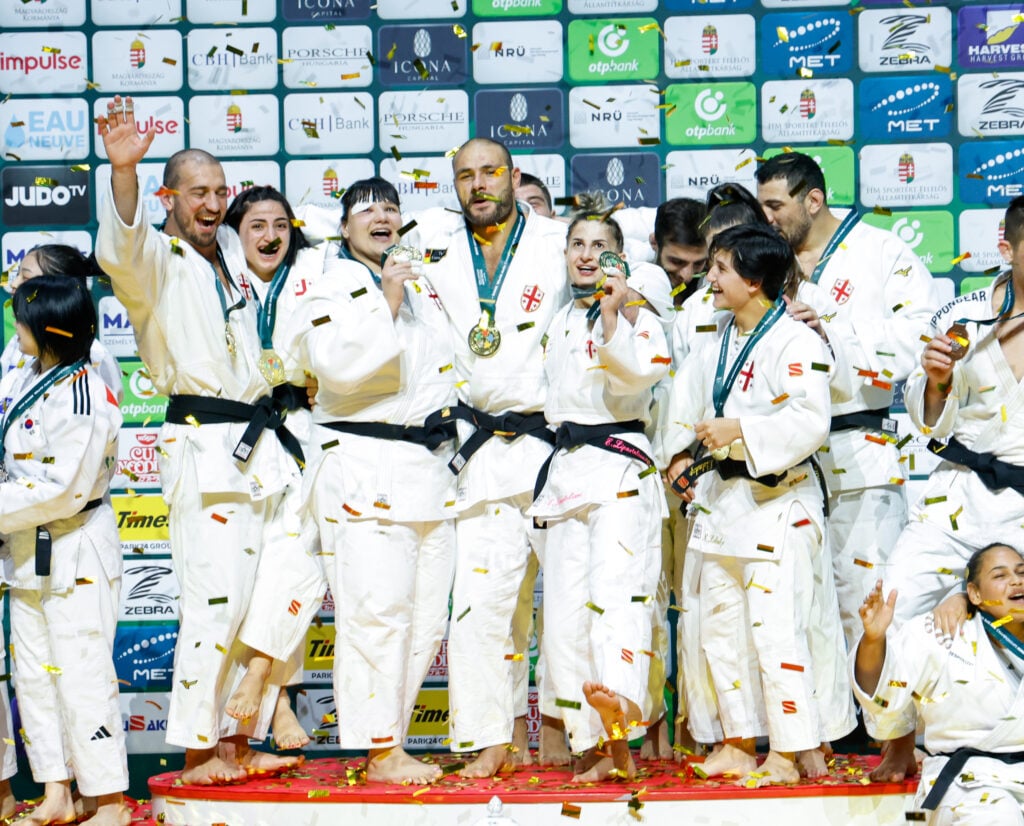
When we are speaking of the crowd in Georgia, similar to France, it is not just support, it is a second wind, a rising tide that lifts every judoka onto their toes. Then, just as the conversation leans towards ambitions, Gujejiani drops a line that lands like a thunderclap.
“For us, success at this championship would mean winning 7 gold medals.”
Seven. That is half of what’s on offer. It is bold, almost mischievous in its audacity, yet delivered with such calm that it feels less like a dream and more like a plan waiting to unfold. That same honesty turns inward when he reflects on his own journey as a coach.
“What has changed is that in my coaching career I have become more satisfied than ‘hungry,’ which is not good. Based on the tournaments this year, I have new motivation. I want to change what has shifted in a positive way, with something that has never been done before.”
Even the architect is rebuilding his own foundations sometimes. Now, with Tbilisi only being a single stop of a long-long ride towards the Los Angeles 2028 Olympic Games, that reflection is needed. In LA, Gujejiani means business too. None which is a small stake.
“I want to have more than one gold medal at the Olympic Games at least two and a maximum of seven. Also, I want us to become Olympic champions with the mixed team, just as we became world champions.”
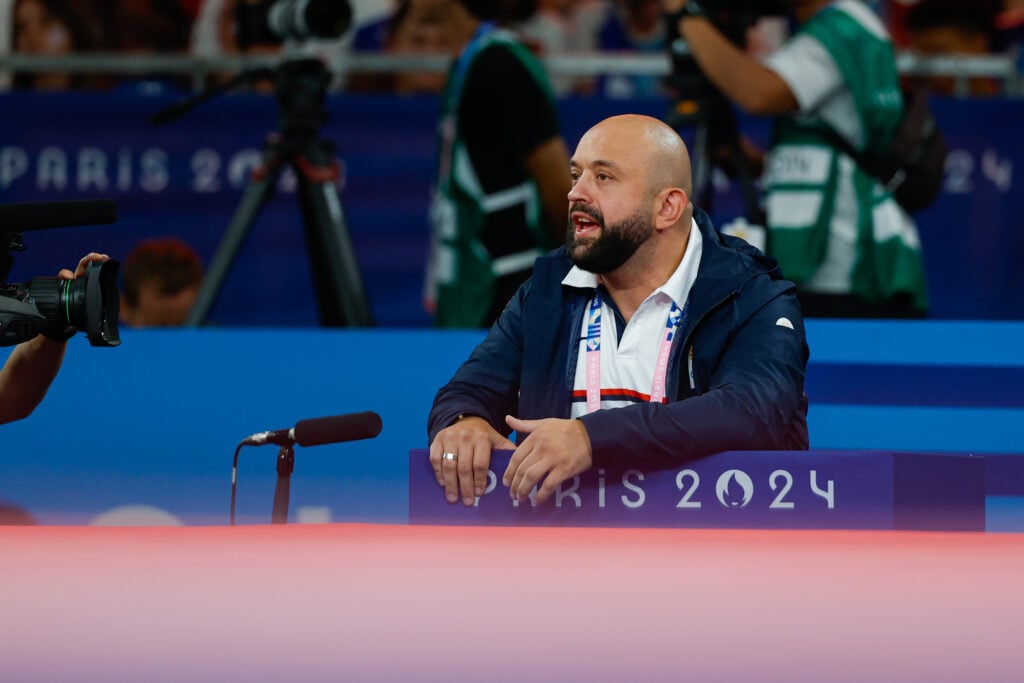
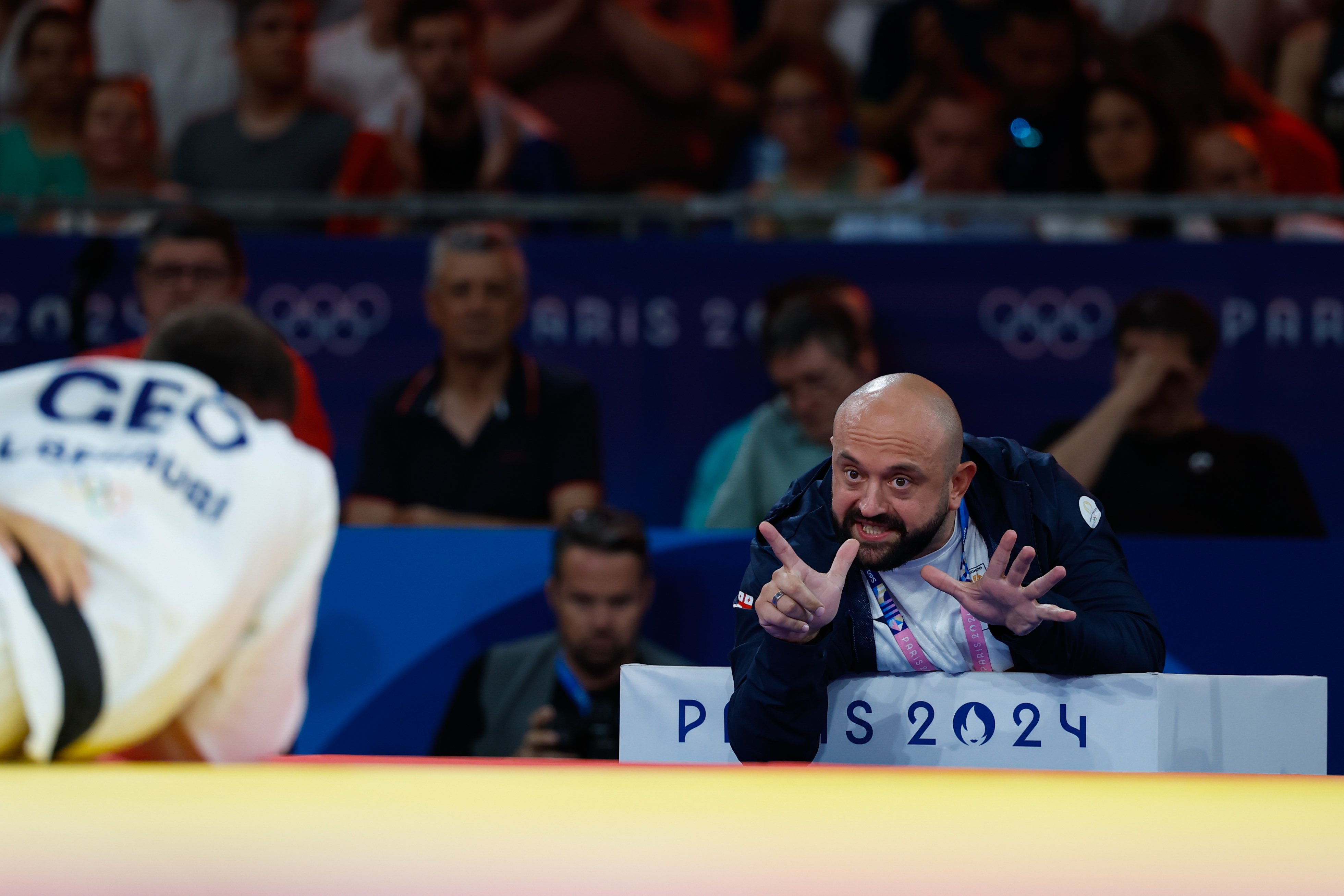
His ambition stretches far like a road that refuses to end.
Little over two weeks to go and so, to close up our conversation, Gujejiani was asked what he would say to his athletes before they step onto the tatami. At this moment, contrary to our discussion, he does not reach for tactics or targets.
“I love you, I believe in you and I have no doubt that you can win.”
In the end, beneath the noise, beneath the medals, beneath the storm, this is the quiet centre. Trust, passion and belief. After all, in Tbilisi, that may prove to be the strongest weapon of all.
Author: Szandra Szogedi