





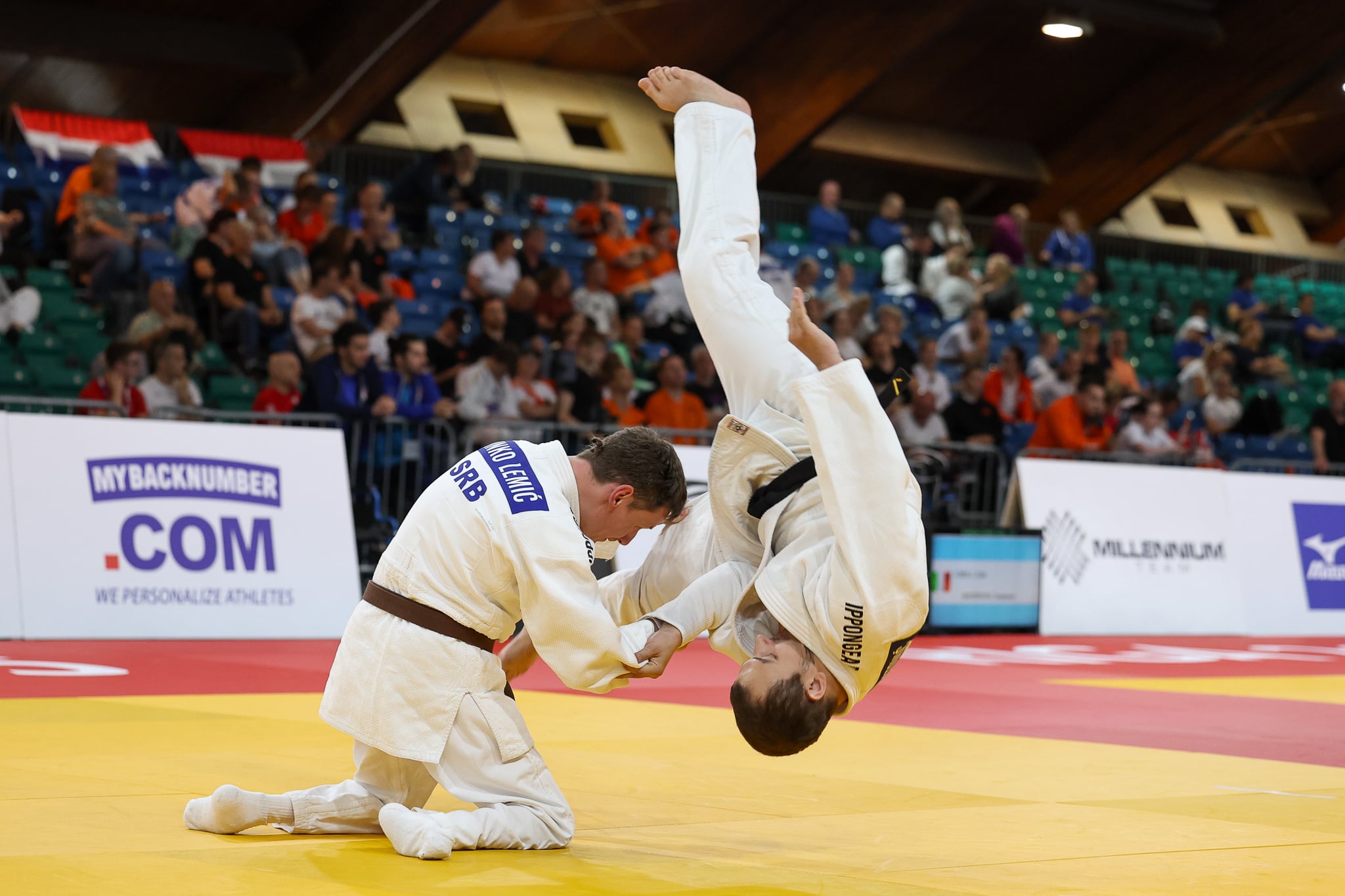
The European Judo Kata Championships are no longer a niche corner of the sport.

In Sarajevo, the 2026 edition is set to become the biggest in championship history, with 393 competitors from 28 nations, up from 330 competitors and 21 countries just two years ago.
The growth reflects a wider movement across Europe, fuelled by the EJU Kata Tour, youth seminars and the increased investment in cadet and junior participation.
Sarajevo 2026 will host pairs across senior, junior, cadet and adapted judo divisions. Traditional powers such as Italy, Germany, Spain, the Netherlands and Belgium remain central figures, but the widening spread of participating nations shows that kata’s reach is expanding rapidly across the continent.
Read on for some of the key rivalries and top storylines you won’t want to miss this year.
Everything You Need to Know About the Upcoming 2026 European Judo Championships Kata 16-17 May
The rivalry defining modern Nage no Kata
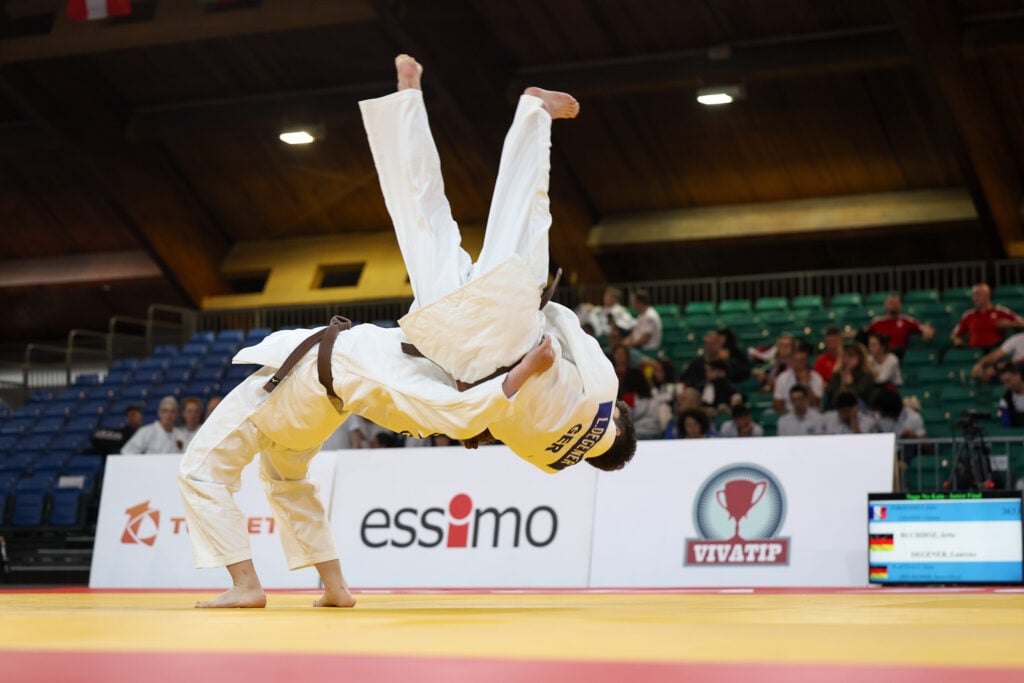
No storyline looms larger than the ongoing duel between Germany’s Schmidt brothers and Italy’s Mauro Collini and Tommaso Rondinini.
The two pairs have traded gold and silver over the last two European Championships. In Sarajevo 2024, Germany’s Immo and Hendrik Schmidt took gold ahead of the Italians. One year later in Riga, the order flipped, with Collini and Rondinini edging the Germans by six points, 397.5 to 391.5.
The rankings suggest little will separate them again. The Italians arrive as current world ranking leaders with 3500 points, narrowly ahead of the Schmidts with 3300.
Spain, meanwhile, continue to prove themselves as another force in the discipline. Spanish pairs have claimed bronze in each of the last two editions, and with several combinations inside the European top ten, another podium push looks likely.
Senior Nage no Kata is also the largest category in Sarajevo with 31 pairs entered.
Belgium versus France in Katame no Kata
More rivalries exist in the world of Katame no Kata, this time, between neighbors.
Belgium’s Nicolas and Jean Philippe Gilon have built a reputation as Europe’s most reliable pair, rarely missing the podium. But in Riga last year, they were finally dethroned by France’s Nicolas Fourmaux and Jean Daniel Nguyen Van Loc, who captured gold by half a point: 390.0 to 389.5.
Italy’s Andrea Fregnan and Pietro Corcioni cannot be overlooked either. The Italians currently top the world rankings with 3250 points, ahead of the Gilons on 3100, while the French champions sit fourth.
Italy’s Tarabelli era in Ju no Kata
With Germany’s Wolfgang Dax Romswinkel and Ursula Loosen having recently retired from Ju no Kata, Italy’s Giovanni and Angelica Tarabelli enter as the ones to beat in the category.
After years of German dominance, the Italian siblings broke through for European gold last year and now arrive in Sarajevo ranked number one in the world with a commanding 3600 points.
France’s Mathieu Coulon and Carole Heras, together with Romania’s Alina Zaharia and Alina Cheru, are all expected to challenge for the podium places.
The category also reflects the growing internationalisation of kata, with pairs from Europe, Asia, the Americas and Africa all ranked inside the world top twenty.
France leads the way in Kime no Kata
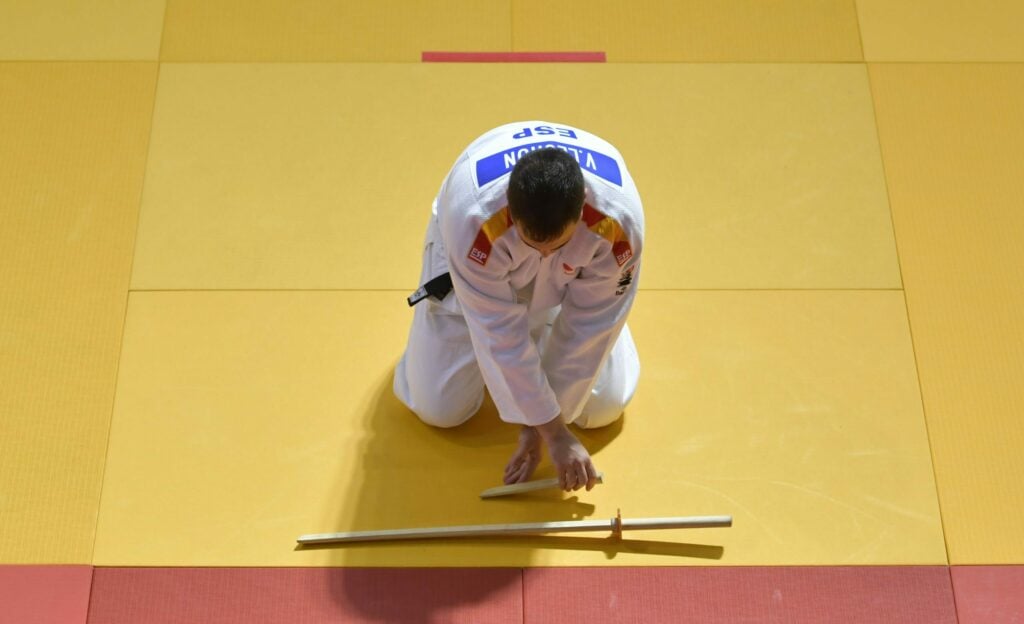
If there is one clear favourite heading into Sarajevo, it may be France’s Gregory Marques and Stephane Bega.
The French pair lead the world rankings with 2875 points in Kime no Kata. Yet the margins are slim. Italy’s Enrico Tommasi and Yuri Ferretti sit second in the rankings, while Spain’s Julian Sanchez-Chaparro and Carlos Navarrete Cerezo continue to improve rapidly.
Belgium’s versatile Gilon brothers also remain contenders, underlining their remarkable ability to compete across multiple kata disciplines at the highest level.
Spain’s strength in Kodokan Goshin Jutsu
Spain may possess the greatest overall depth in Kodokan Goshin Jutsu.
Antoni Obrador Mas and Pedro Marcos Rodriguez enter as world ranking leaders with 2900 points, while fellow Spaniards Juana Puigserver Sanso and Llorenc Gaya Puigserver give Spain a second genuine medal threat.
But Italy’s Marika Sato and Fabio Polo are the reigning European champions after taking gold in Riga, while Germany’s Andreas Freimuth and Eike Alexander Schmidt also remain firmly in the mix.
The artistic challenge of Itsutsu and Koshiki
Itsutsu no Kata and Koshiki no Kata remain the most interpretive disciplines on the programme, where technical precision is just one factor in success. Expression, rhythm and storytelling are equally critical, and more subjective to judge.
Introduced to the European Championships only last year, the divisions immediately added a new layer of sophistication to the event. Italy dominated Itsutsu no Kata through Giovanni Tarabelli and Karol Elia Portesi, while Germany’s Wolfgang Dax Romswinkel and Ursula Loosen captured Koshiki no Kata gold. Dax and Loosen have recently retired from Ju no Kata but will compete in Koshiki no Kata and Itsutsu no Kata.
Tarabelli and Karol Ela Portesi currently sit third in the world rankings for Itsutsu no Kata.
The next generation is arriving fast
Perhaps the biggest story in European kata is not who dominates now, but who is coming next.
Junior and cadet participation has surged, especially in Nage no Kata, as Sarajevo will feature 22 junior pairs and 13 cadet pairs in the discipline alone.
France has had success in Junior Nage no Kata. But Italy’s Filippo Marzaloni and Nicola Bellosi lead the current junior world rankings with 1900 points, ahead of Germany’s Elisa Plattfaut and Jaime Oliver Den Ridder.
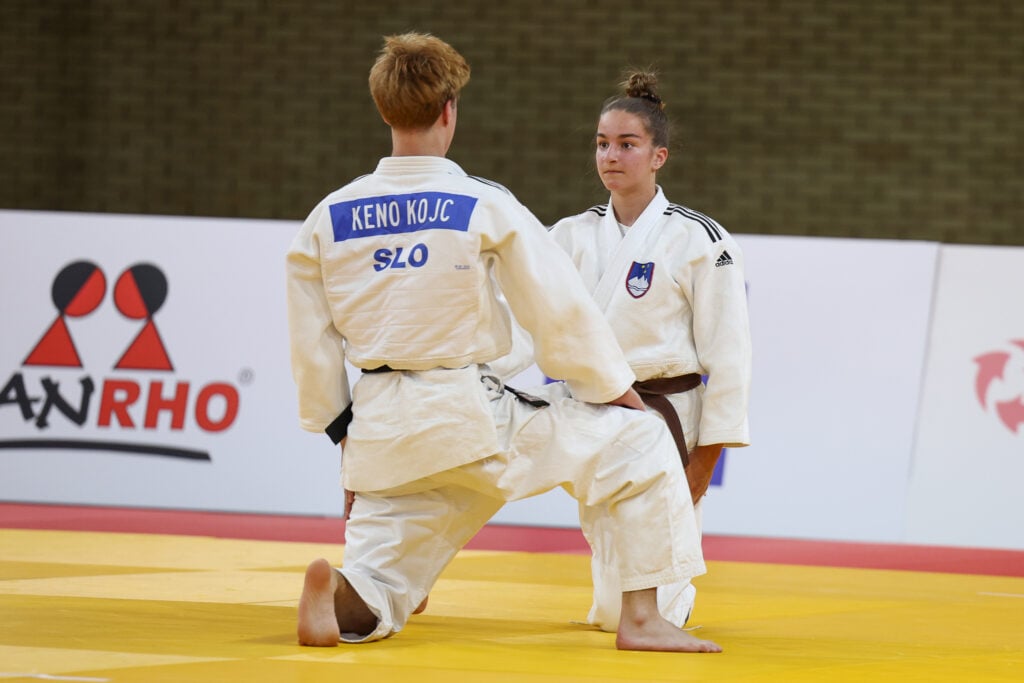
Slovenia, meanwhile, has also invested in their programme in Junior Katame no Kata as the Kojc siblings (Kara and Keno) have dominated recent editions and arrive again among the favourites.
Italy, ever dominant across all categories, completely swept the podium in Junior Ju no Kata last year. Spain’s Diego Hurtado Martín and Javier Miguelez de Salas won the cadet Nage no Kata title last season, but their move into the junior ranks opens the door for a new generation of contenders.
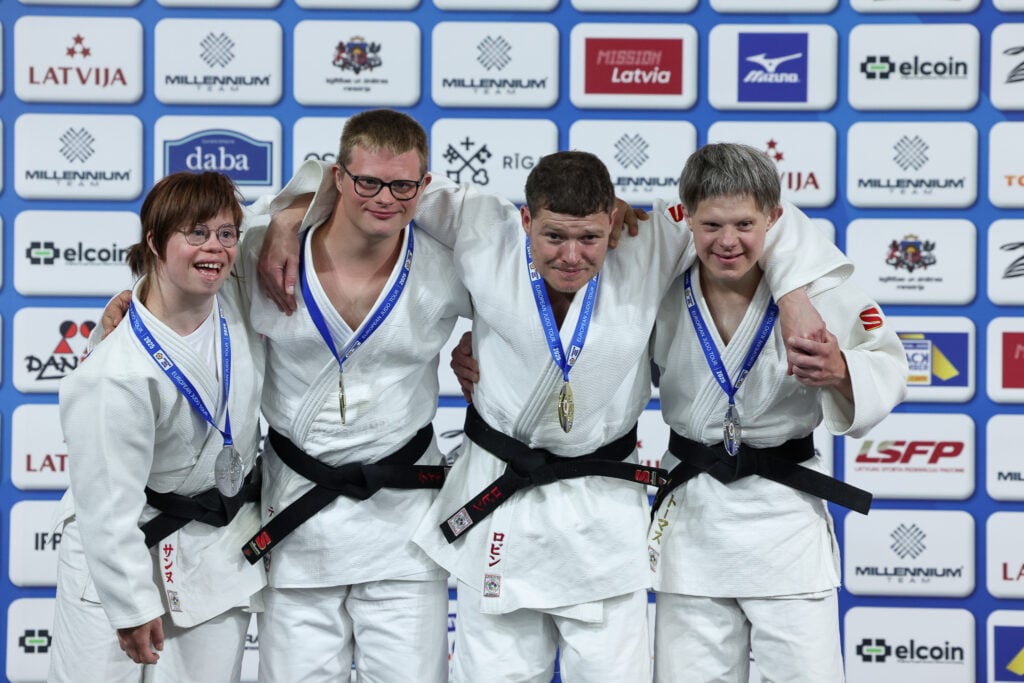
Don’t miss the return of Adaptive Judo Kata to Sarajevo, the same city where it was first introduced two years ago. The 2026 European Championships mark the discipline’s third edition.
You can follow all the action form the 2026 European Championships on JudoTV.com.
Author: Grace Goulding