





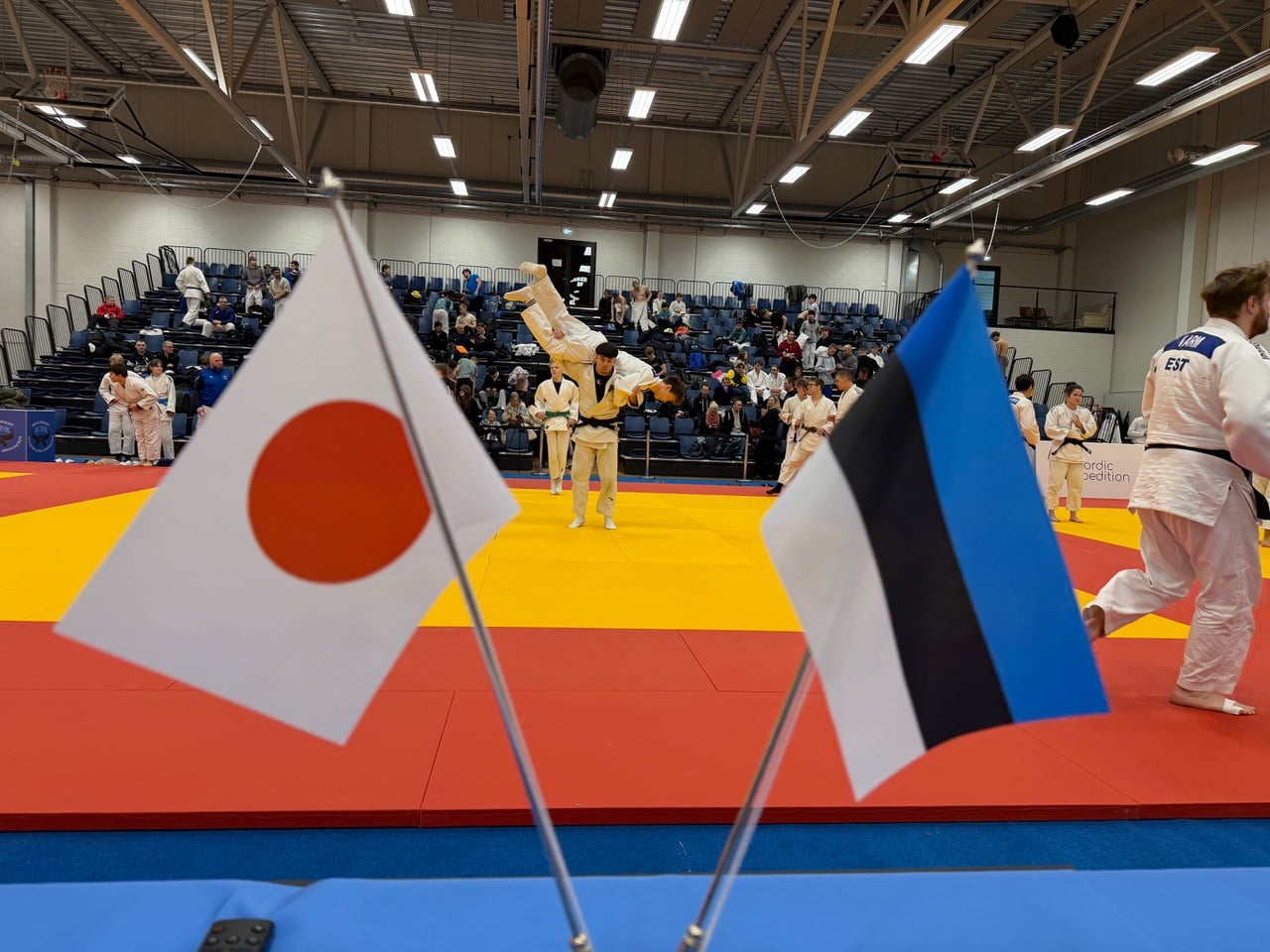
During the weekend of 21–22 February, the Estonian Judo Federation marked a significant milestone for the sport in the region by organising its first-ever official kata seminar. This landmark event provided the local judo community with a valuable opportunity to explore the core values of kata within both educational and competitive frameworks.

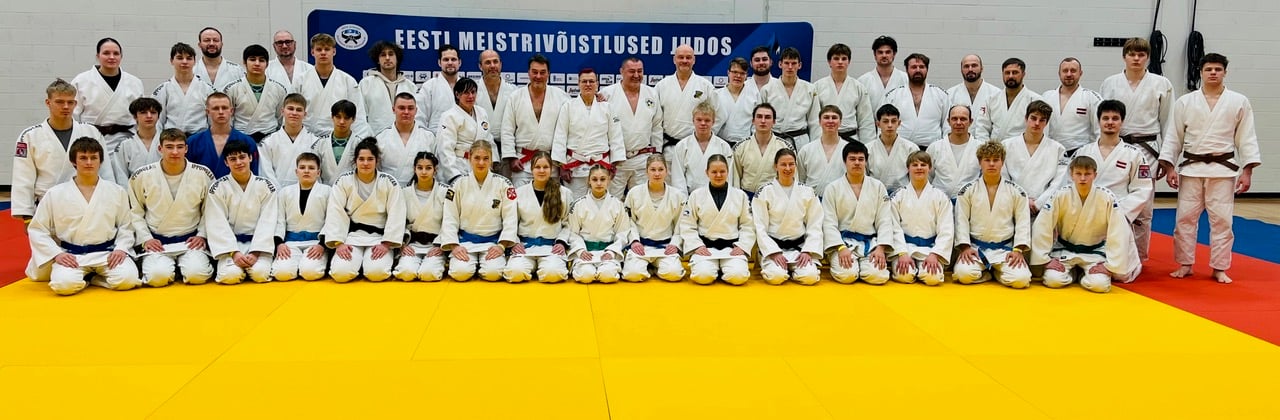
The seminar was led by distinguished experts and members of the European Judo Union Kata Commission, Dr. Slaviša Bradić and Monica Piredda. The curriculum focused on two fundamental kata: Nage-no-kata and Katame-no-kata.
Participants engaged in an in-depth analysis of teaching methodologies, the educational benefits of kata for daily club training and the technical requirements for international competition, including the latest rules and judging criteria.
The event saw an impressive turnout, bringing together a diverse group of coaches, members of Dan grade commissions, kata judges and a large number of young judoka. A highlight of the event was the active participation of the President of the Estonian Judo Federation, Mr. Ruslan Jakimov. By stepping onto the tatami and personally participating in the training, Mr. Jakimov demonstrated the vital importance of kata in the lifelong journey of a judoka.
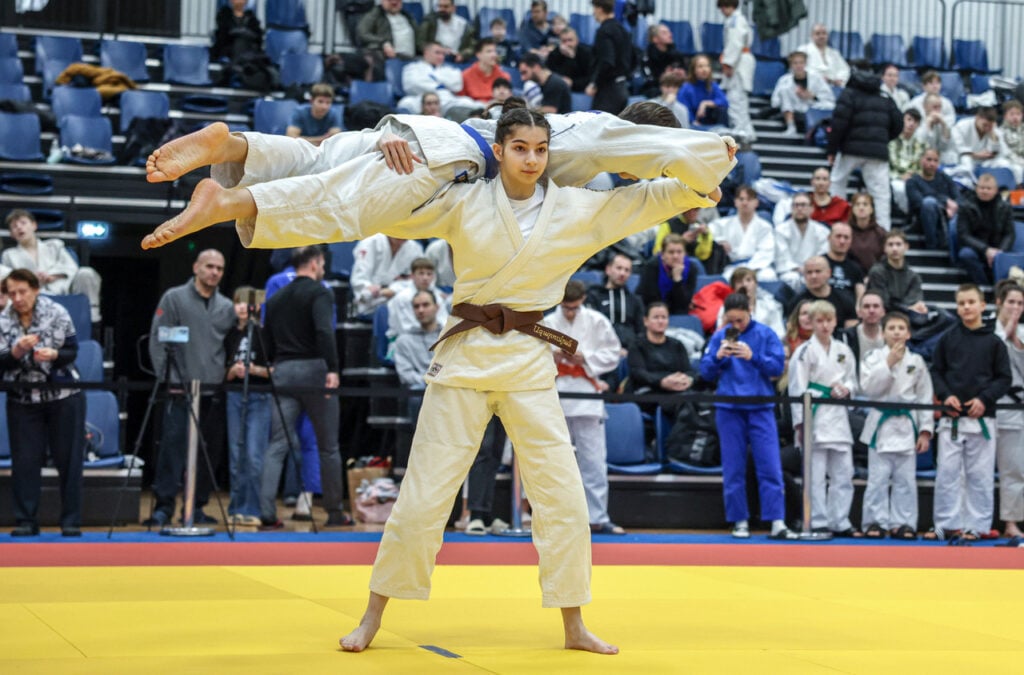
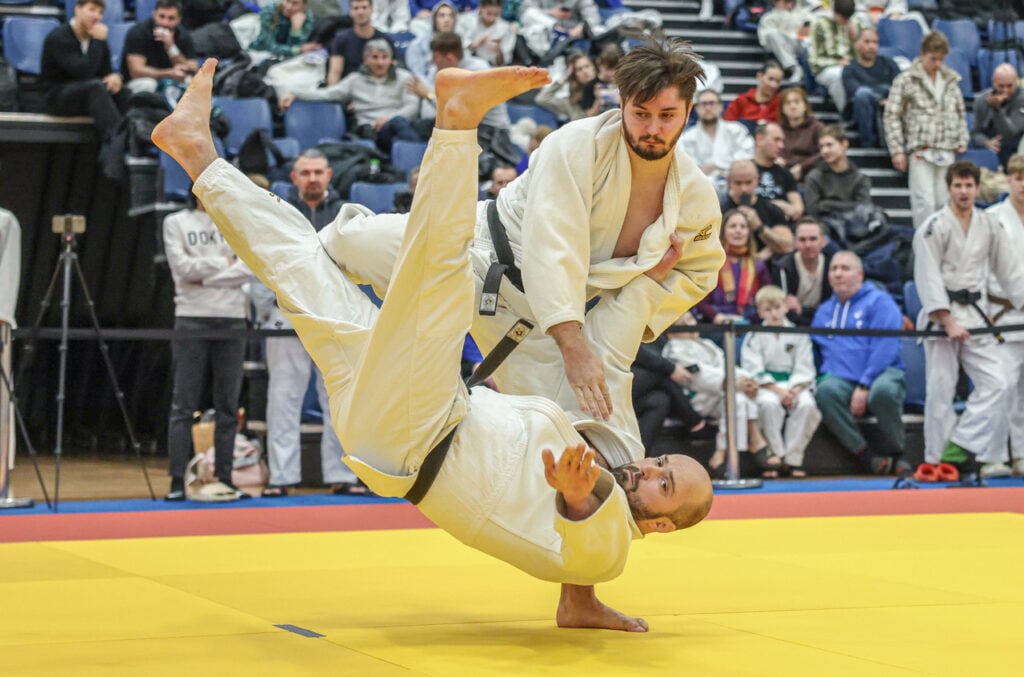
The weekend concluded with the historic first Estonian National Kata Championship, which featured 11 pairs competing in Nage-no-kata. The technical level displayed by the young competitors suggests a bright future for this discipline in Estonia.
“Based on the enthusiasm and talent shown by the young athletes, it is clear that kata practice in Estonia has a strong foundation. We can certainly expect to see Estonian judoka making their mark on the international results table in the near future,” said Dr Bradic.
Ms Piredda echoed the experience: “The weekend spent on the tatami in Tallinn, where together with Slavisa Bradic we directed the first Kata Seminar and the first National Kata Championship in the history of judo in this wonderful country, was extremely rewarding. A true success. The events were impeccably organised and strongly supported by President Ruslan Jakimov, who demonstrates a forward-thinking and broad vision, embracing all activities that contribute to the promotion of judo. Many young athletes practiced kata for the first time during Saturday’s Seminar and then chose to register for Sunday’s National Championship, a clear sign of enthusiasm for a new sporting experience and a strong desire to learn.”
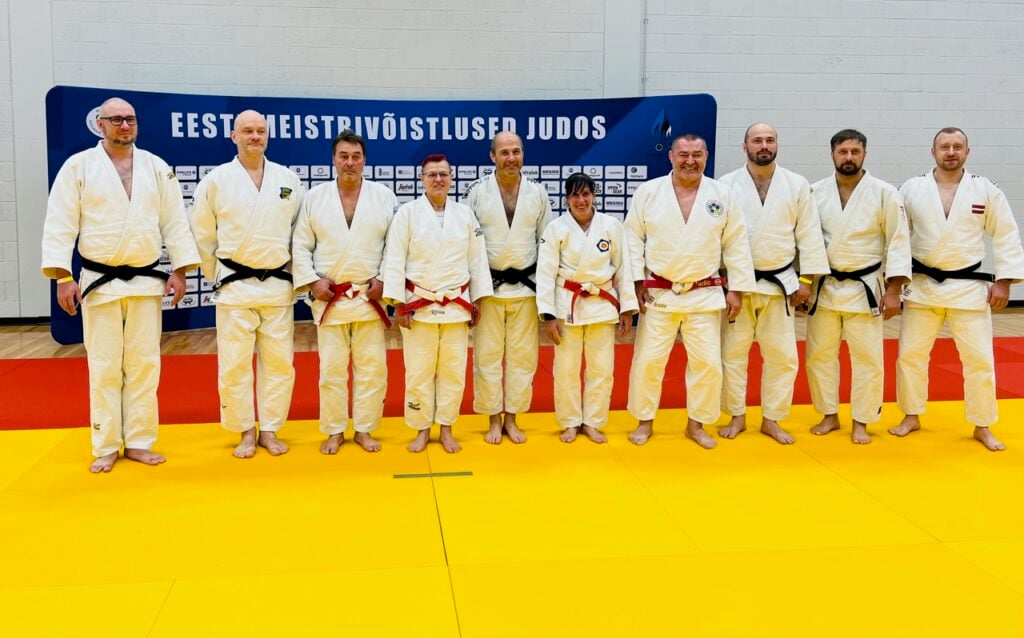
One of the most significant aspects was seeing how many athletes competing in their first kata event also took part in the ne-waza competition. Once again, this confirms that shiai and kata represent complementary dimensions of the same sport.
Images: National Judo Federation of Estonia
Author: EJU Media