






In the heart of Conegliano, Italy, stands an institution that radiates quiet strength and compassion: La Nostra Famiglia. Here, children and young people with disabilities are not defined by their conditions but by their potential. At the centre of this remarkable place is Gabriele Martini, the coordinator of the team of educators, whose work is rooted in empathy, inclusion, and the pursuit of autonomy for every child.

“La Nostra Famiglia,” Gabriele begins, “is a rehabilitation centre that welcomes children and young people in what we call the ‘developmental age’ from birth to 18 years old.”
Within its walls, children with a wide range of conditions, from autism and intellectual disabilities to cerebral palsy and neurological or psychiatric disorders, receive not only therapy but also education, care, and community.
“What makes our institute unique,” Gabriele explains, “is that it combines a hospital, a rehabilitation centre, and a full school under one roof. From kindergarten to senior high school, our students can grow, learn, and receive treatment in a familiar, supportive environment.”
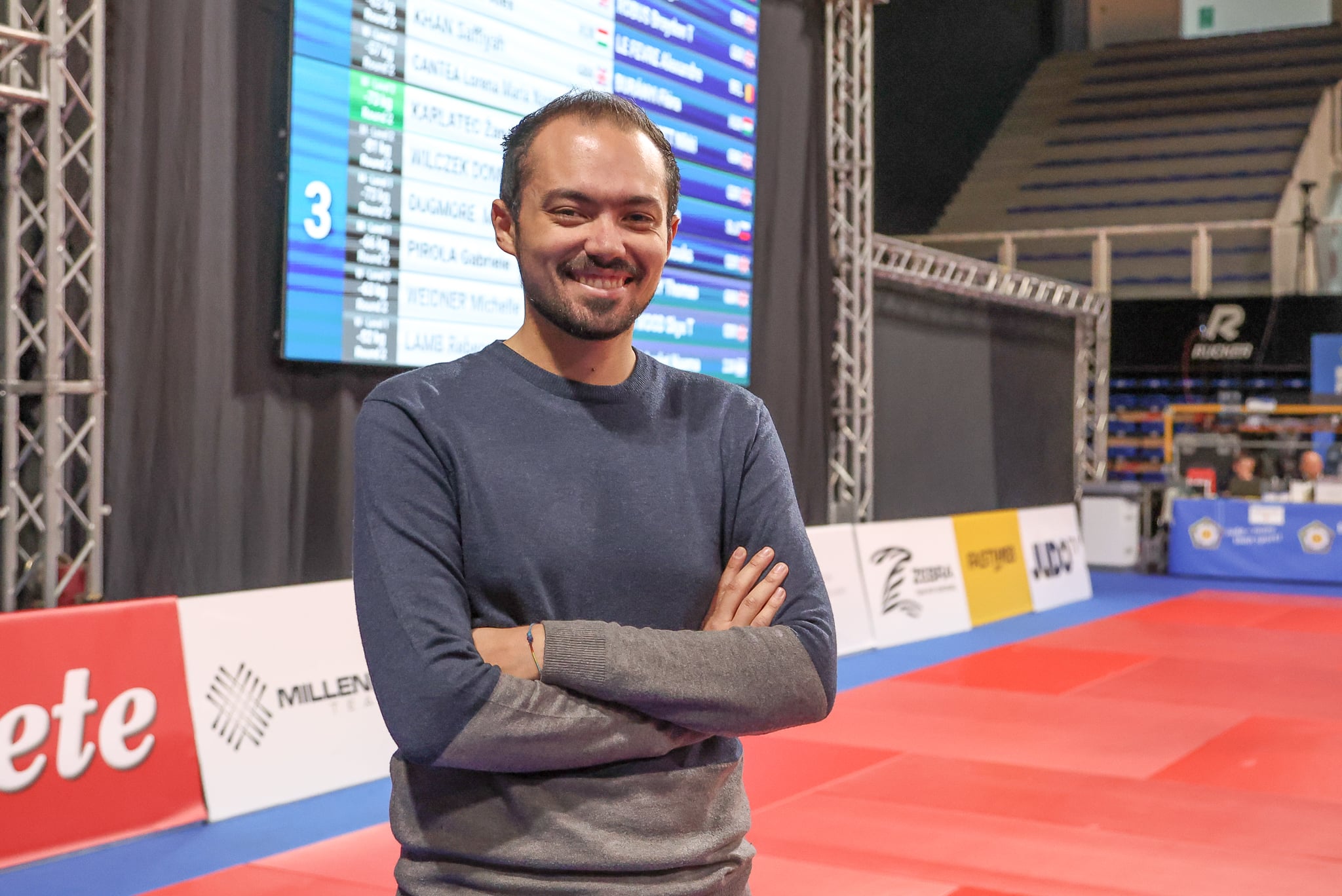
Some children attend full-time classes within the school, while others come only for outpatient treatments such as physiotherapy, speech therapy, occupational therapy, or psychological support. The institute also works closely with families and the public health system, ensuring that all services are fully supported by Italy’s national healthcare, meaning parents do not have to pay for their children’s care.
“We have several centres,” Gabriele adds, “but the two most important are here in Conegliano and in Bosisio Parini, near Lecco. This model is rare, even unique, in Italy.”
When asked what brought him into this field, Gabriele pauses thoughtfully. “It’s a difficult question,” he admits with a smile. “My mother worked for many years with people with disabilities. That’s how I first got close to this world.”
He went on to study at university, earning a degree in Professional Education. During his final year, he completed an internship at La Nostra Famiglia, an experience that confirmed his calling. “From that moment, I knew it was my passion,” he says simply.
What began as an internship became a lifelong mission. Over time, Gabriele moved from being an educator in direct contact with the children to coordinating the entire team of educators. “Now I have responsibility not only for the children,” he explains, “but also for the educators themselves. My role is to help them give their best, to create the right atmosphere, the right energy, so that everyone can work well and feel good.”
Describing the work of an educator, Gabriele chooses his words carefully. “It’s very difficult to explain,” he says. “Our goal is to help every child reach the highest level of autonomy possible, in movement, in thinking, in feeling, in living.” To him, education is not about instruction alone but about empowerment. “It’s about helping them become as independent as they can, in every sense, physically, cognitively, emotionally.”
This philosophy of dignity and growth permeates everything within La Nostra Famiglia. For Gabriele, leadership is not about authority but about harmony. “My biggest ambition,” he says, “is to build a positive working climate. If the educators feel supported, they can give their best, and that means the children receive the best.”
Working with children with disabilities has profoundly shaped Gabriele’s view of life. “This job,” he reflects, “has made me understand what really matters. It might sound simple, but it’s not. It teaches you about patience, about gratitude, about what’s truly important in life.” He speaks as someone who has witnessed transformation, both in others and in himself. “When you work here, you see progress measured in smiles, gestures, and small victories. That’s where the meaning of life hides.”
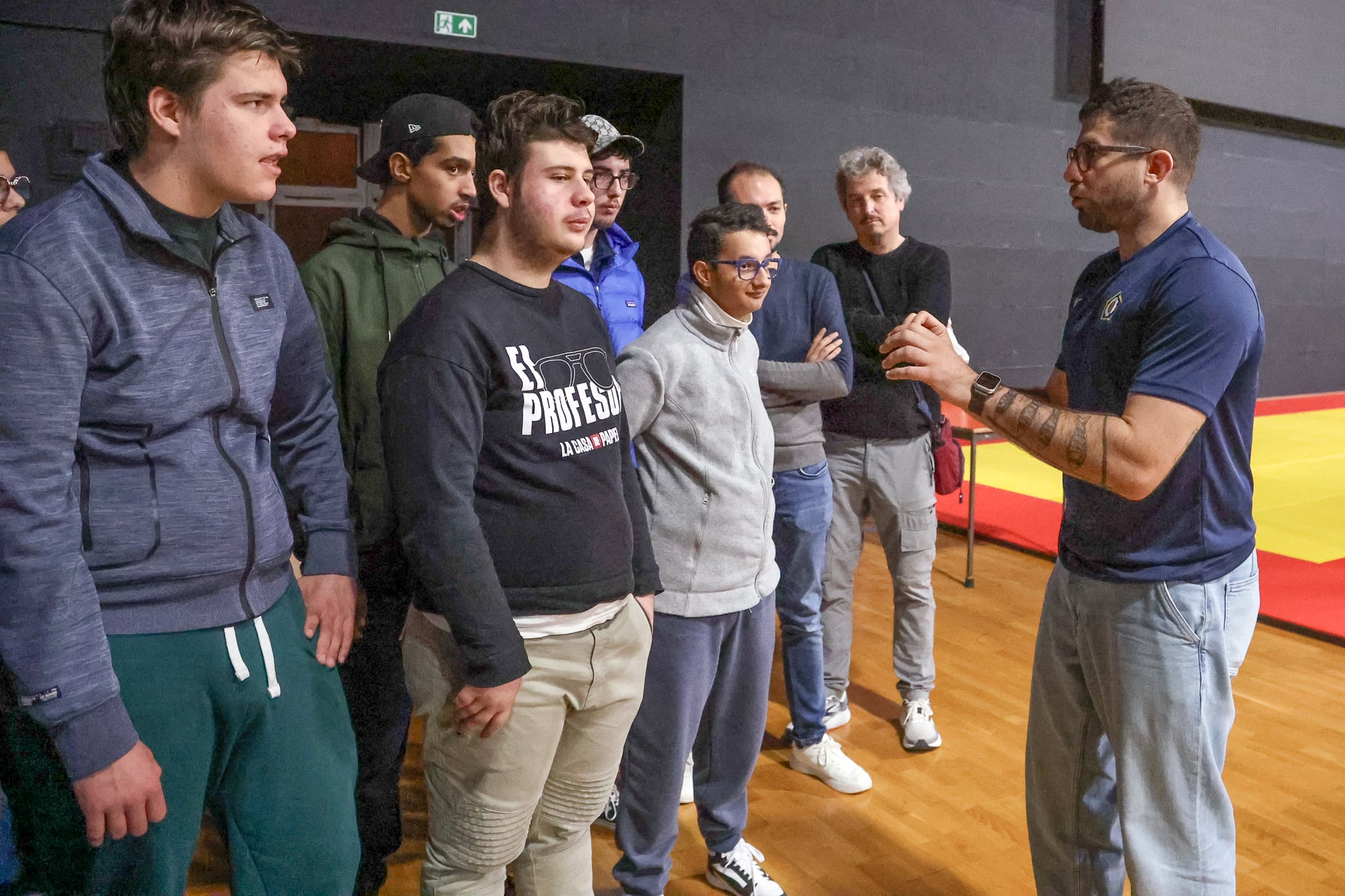
In recent years, La Nostra Famiglia has been exploring sport as a tool for inclusion and rehabilitation. “We have realised how powerful sport can be,” says Gabriele. “It gives our children the chance to experience teamwork, movement, and joy, and to feel part of something.”
The institute now collaborates with several local sports associations. When asked about judo, Gabriele’s eyes light up. “We haven’t yet tried judo with our students,” he says. “But attending at this tournament might be the first opportunity, perhaps the beginning of something new.”
Indeed, during the visit of the Open European Adapted Judo Championships for Adapted in Conegliano, Gabriele and his colleagues welcomed the chance to introduce their students to the sport. “We are very grateful,” he says warmly. “Thank you for choosing us and for bringing this opportunity to our children. This is just the beginning.”
La Nostra Famiglia of Conegliano stands as a symbol of what can be achieved when care, education, and compassion meet. For Gabriele Martini, it is not just a workplace but a living community, a family in the truest sense of the word. “It’s called Our Family,” he says, smiling, “and that’s exactly what it is.”
Author: Szandra Szogedi