





Author: Ewa Kempka

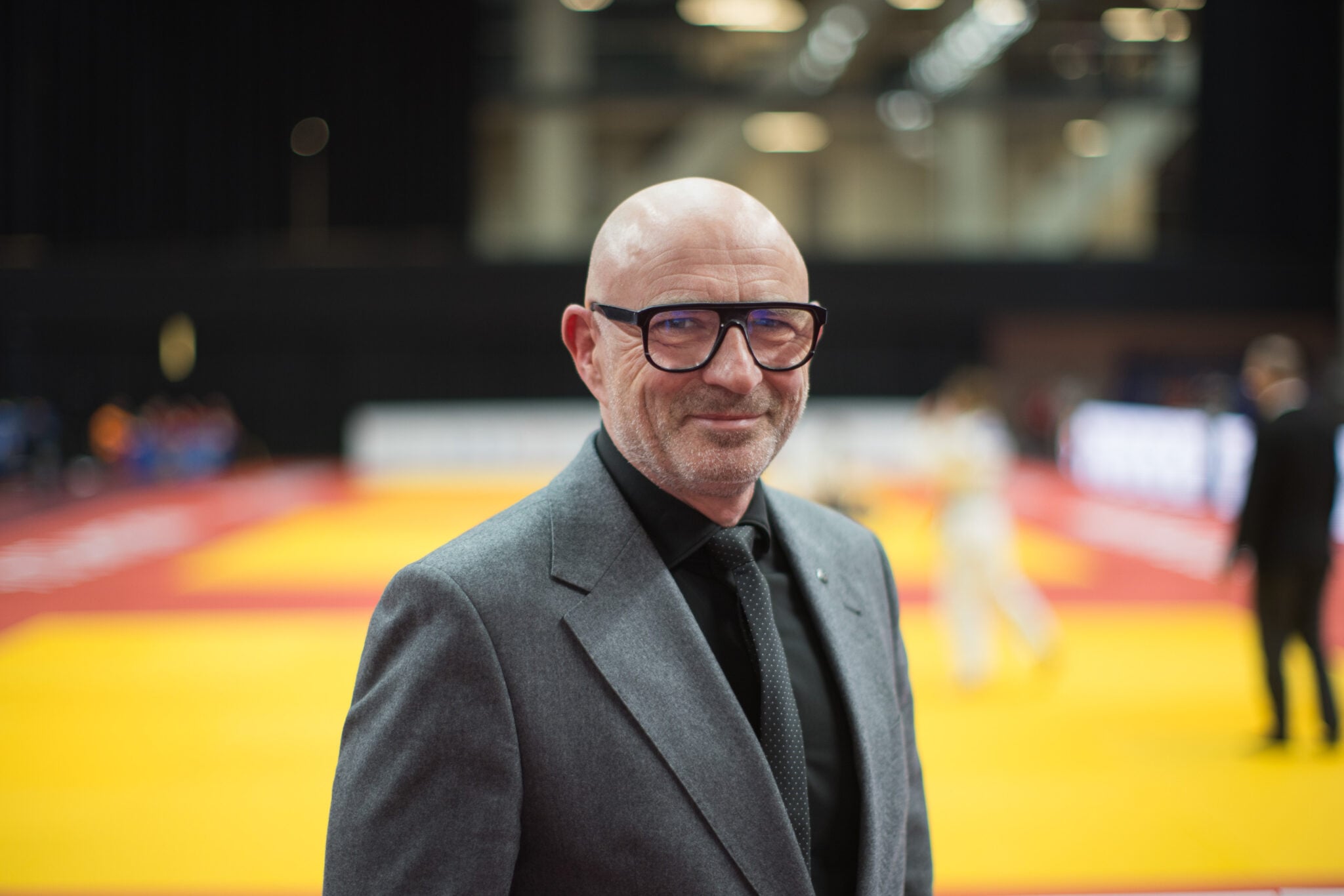
The curtain has fallen on the Warsaw European Open 2026. With what expectations did the Polish national team approach the event and how do they assess the final result? To reflect on these questions and share his perspective, the Sports Director of the Polish Judo Association, Adam Maj, kindly offered his time for an interview.
Adam Maj: The participation of the Polish national team in this year’s Warsaw European Open was very important, as it was one of the last qualification tournaments for the European Championships in Tbilisi, which will take place in a month. For some of our athletes, it was therefore a real opportunity to collect the missing ranking points or to confirm their qualification for this event.
For that reason, we followed the performances of our team with great attention and hope, especially those of the younger athletes. It was an important to test for them not only in the context of the upcoming European Championships but also as another step in building experience ahead of future international competitions and Olympic qualification campaigns.
How do you assess the sporting level of the tournament and the competition with such a large international field?
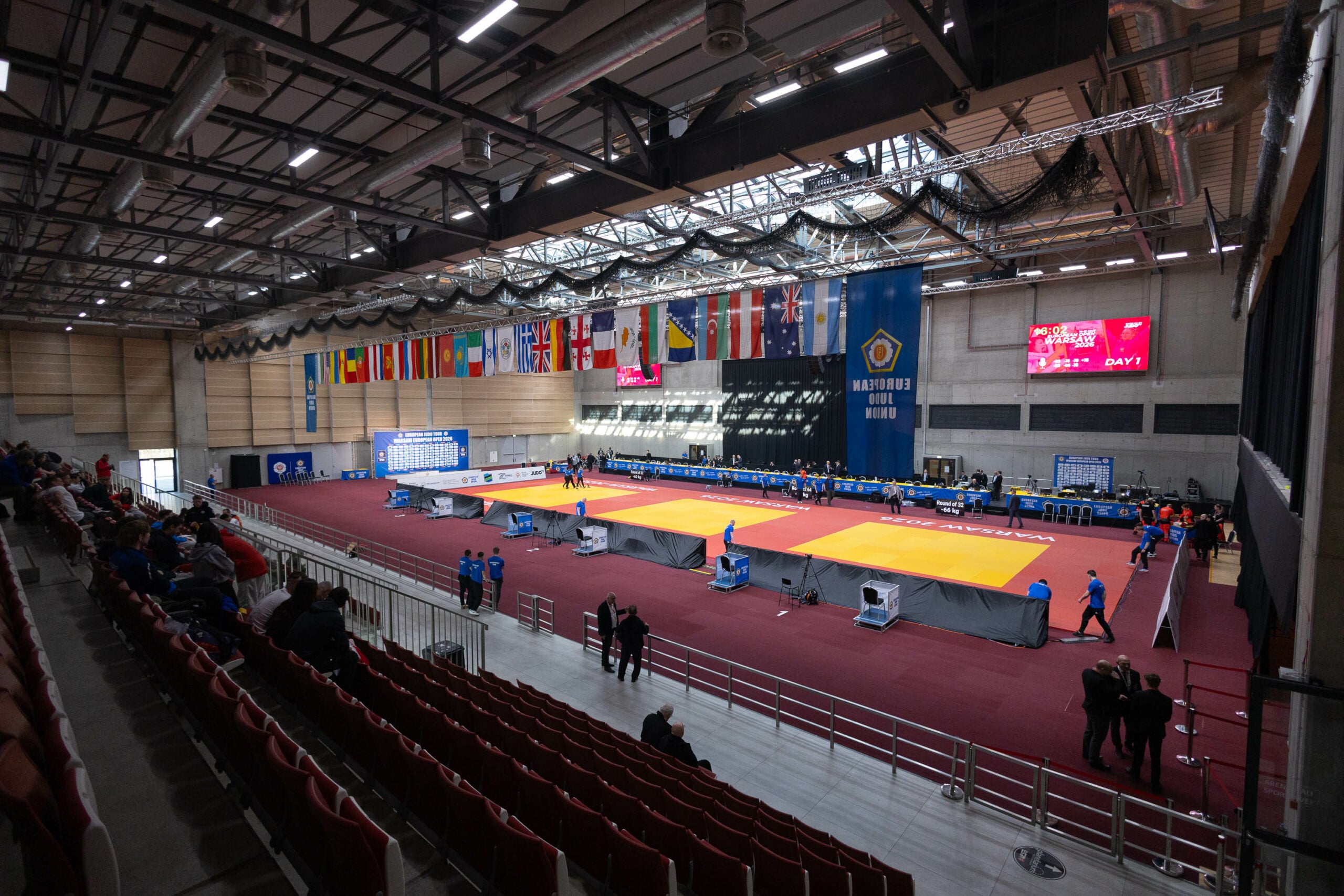
Maj: I evaluate the sporting level of this tournament as good. The Warsaw European Open can be considered a third-tier “Open” level competition, where athletes who are generally ranked in the middle positions of the IJF World Ranking compete. The highest-ranked judoka usually focus on higher-level events such as Grand Prix or Grand Slam tournaments.
The European Open level is therefore a very important stage of international competition. It is a tournament that allows athletes to gain experience, collect ranking points and gradually build their position in order to compete in the most prestigious events in the future.
Was there any performance by Polish athletes that particularly surprised you or made the biggest impression?
Maj: The performance of the Polish team should be assessed as good, even very good. The Polish team won a total of 11 medals: 4 gold, 4 silver and 3 bronze, which is a very solid result in international competition.
I am particularly pleased with the performances of athletes from the younger generation, many of whom are still in the junior or under-23 age categories but are already able to compete successfully at the senior level.
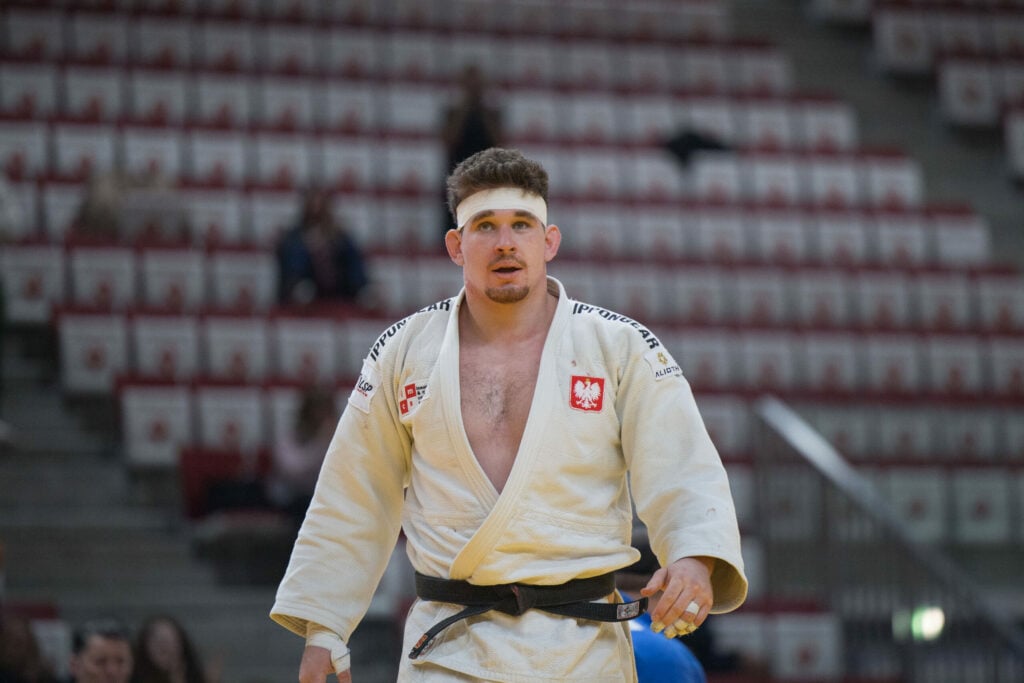
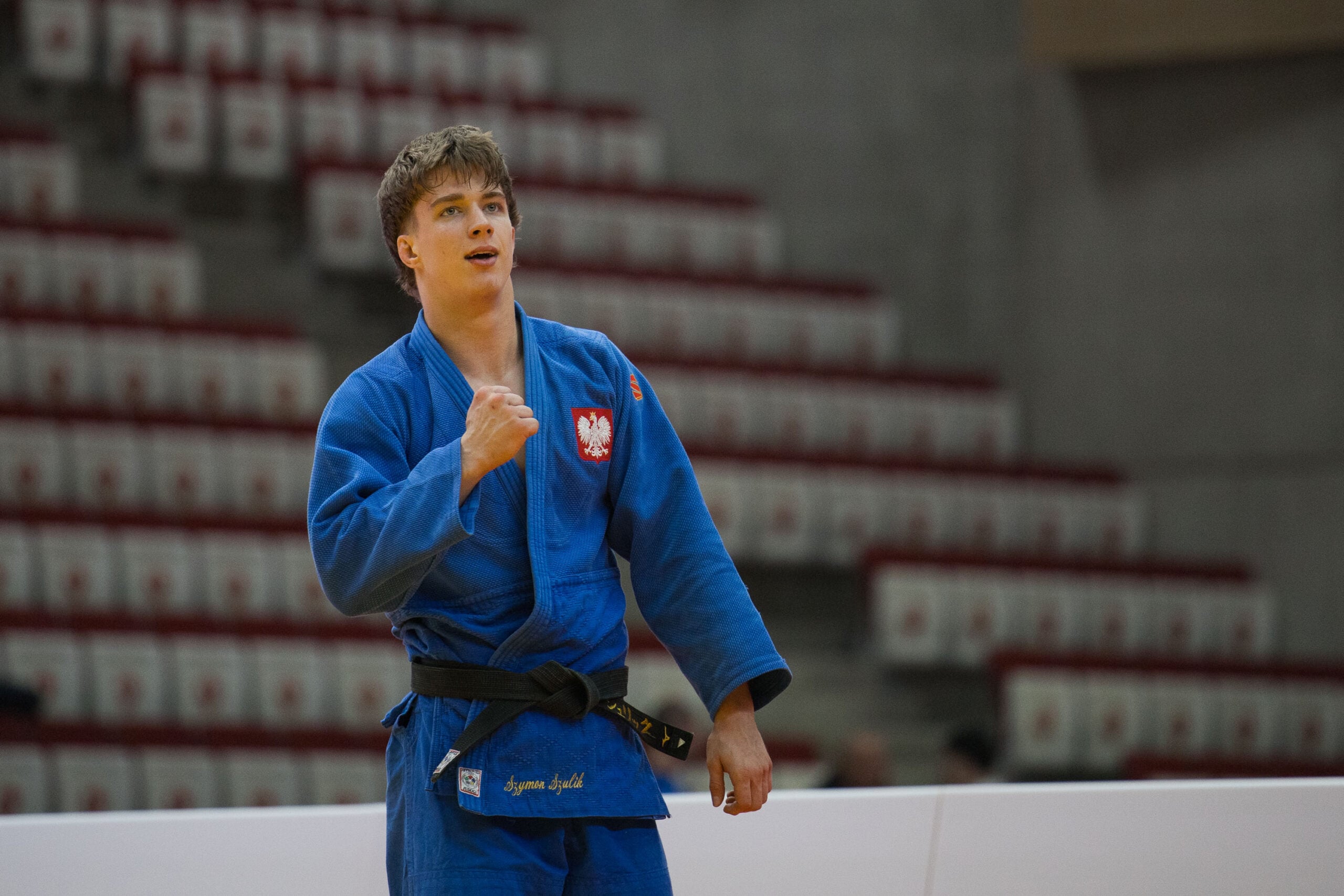
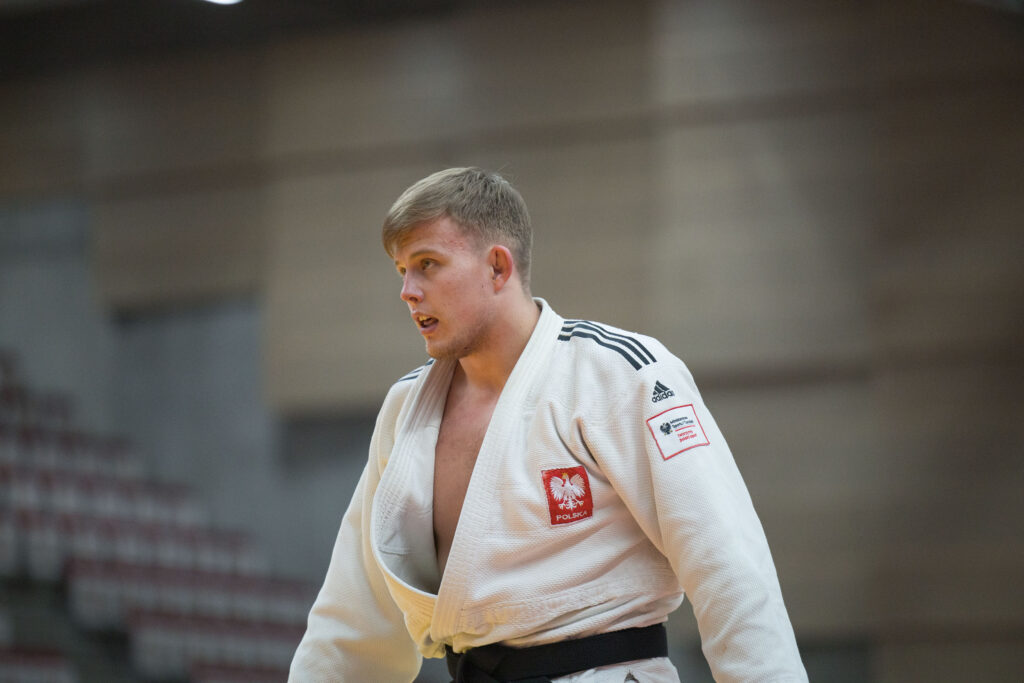
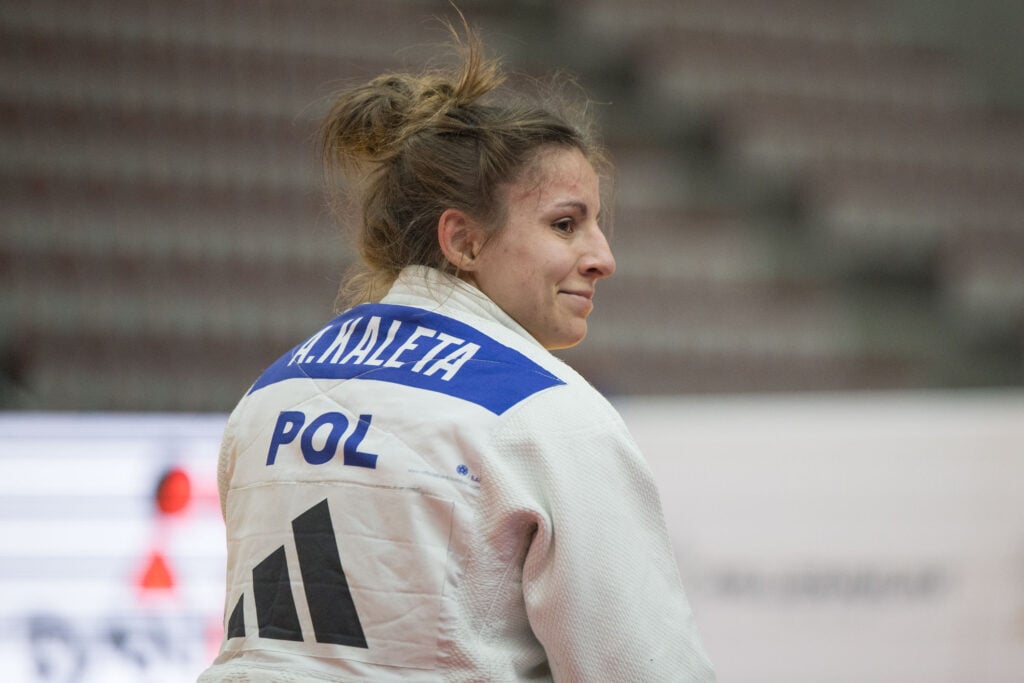
It is worth mentioning, among others, Szymon Szulik (81 kg) and Aleksandra Kowalewska (70 kg), who both won gold medals, as well as Grzegorz Teresiński (+100 kg), who also claimed gold while presenting himself with great confidence and very good style. Barbara Twarowska (52 kg) and Michał Jędrzejewski (100 kg) also confirmed their talent with strong performances. Of course, congratulations go to all medalists and their coaches.
How important was this tournament as a stage of preparation for the upcoming events in the international calendar?
Maj: As I mentioned earlier, the Warsaw European Open is a very important step in the development of our younger athletes. It is precisely at this level of competition that judoka gain their first significant experience in senior international events.
It is particularly important because winning medals at tournaments of this level often opens the door to competing in higher-category events such as Grand Prix or Grand Slam tournaments. Since we managed to win a considerable number of medals at this year’s edition, it gives us strong hope for more successful performances by our athletes in higher-level tournaments and for the continued development of their position in international competition.
After this weekend, can you point to athletes who have taken a clear step forward in the fight for a place in the national team for the most important events of the season?
Maj: For me, the biggest and most noticeable step forward was made by Szymon Szulik in the -81kg category. He is still a junior athlete, yet he managed to win a gold medal at a tournament of this level, which clearly shows his great potential and the very good direction of his development.
I am also very pleased with the performance of Aleksandra Kowalewska in the -70kg category. Last year she finished fifth, and this year she took the next step by winning the gold medal. Such progress shows that her development is moving in the right direction.
Grzegorz Teresiński also confirmed his high level in the +100 kg category, once again delivering a very strong performance and proving that he belongs among the leading athletes in his division. The rivalry with Jakub Sordyl, who was also a medallist at this tournament, creates healthy competition that will certainly influence their further sporting development.
What coaching or training conclusions can be drawn from the performance of our national team in Warsaw?
Maj: Competing for medals at the most important events, such as the European Championships, World Championships and, in the longer term, the Olympic Games, requires very well-planned and consistent preparation from the national team. In order to fight effectively for Olympic qualification, athletes must achieve strong results in qualification tournaments and systematically collect ranking points.
The performance in Warsaw confirmed that the direction of preparation we have chosen is the right one. We won a total of 11 medals, and both younger athletes and more experienced representatives stood on the podium, confirming their place among the European elite.
However, a fuller assessment of the level of our national team will only be possible after the most important events of this season, the European Championships and the World Championships. These competitions will best show where we stand compared to the strongest national teams.
Finally, how important is it for Polish judo to organise tournaments of this level and to have the opportunity to compete with Europe’s top athletes on home soil?
Maj: Organising European-level tournaments such as the Warsaw European Open, as well as other events held in Poznań and Bielsko-Biała, is very important for us, above all from a sporting perspective. It gives our athletes a valuable opportunity to compete in strong international tournaments at home and gain experience against high-level opponents.
The second important aspect is organisational. For many years we have been organising these events together with the European Judo Union at a very high level, which is recognised and appreciated within the international judo community. Thanks to this, Poland regularly receives the opportunity to host championship events, such as European Championships in various age categories.
At the moment, we are also thinking about future organisational challenges, including the possibility of hosting the World Junior Championships. Organising tournaments like the European Open is therefore also an important stage in building the experience and expertise needed to prepare events.
Author: EJU Media