





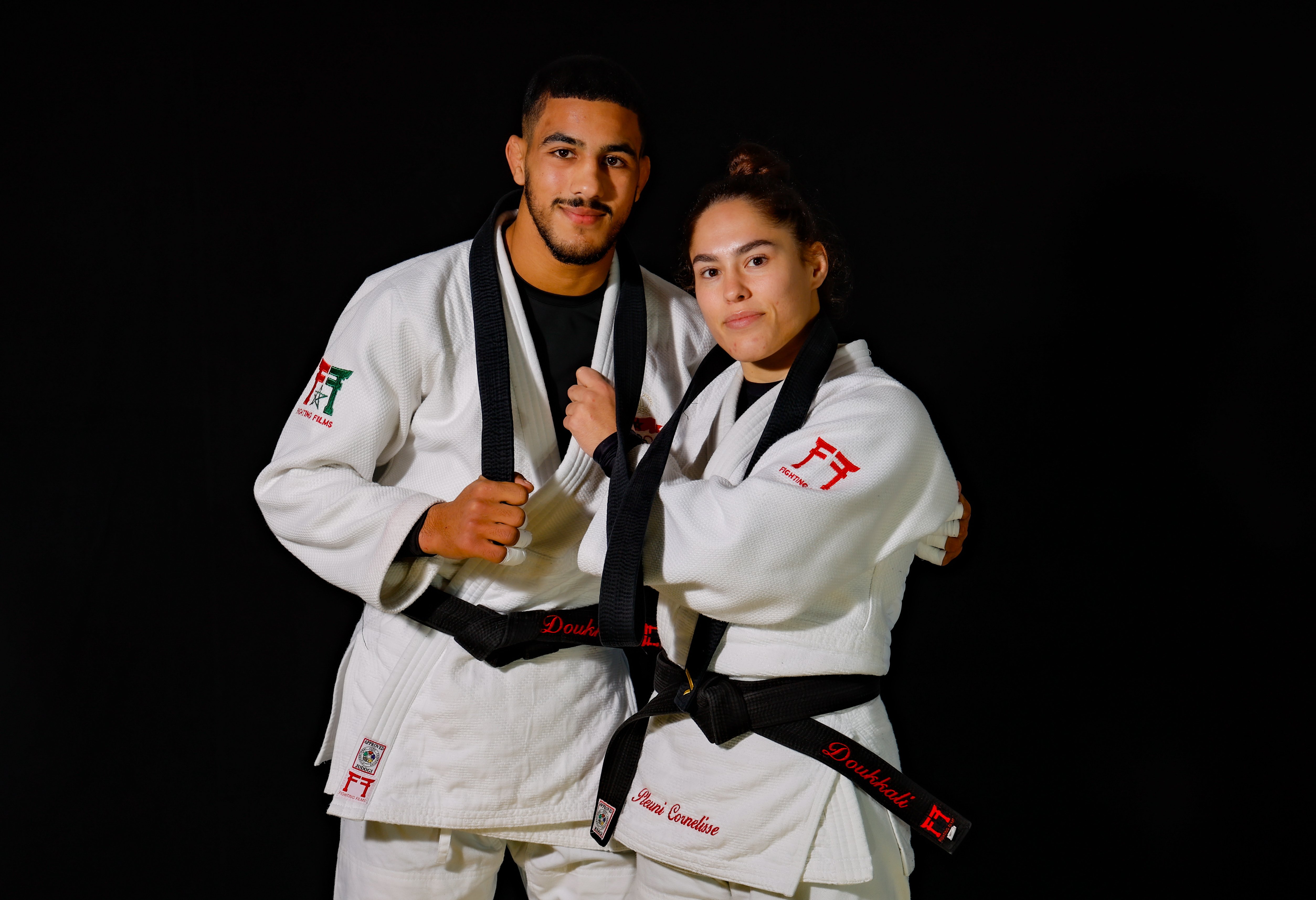
There is no judo uniform without a belt, just as there is no bond without the tightness that holds it together. The obi, the traditional Japanese belt, does far more than secure fabric around the body. It binds the judoka’s spirit to their practice, drawing everything inward with purpose and intention. Each day, as hands wrap the belt around the waist and pull it firm, they are not simply dressing for training; they are creating order from chaos, transforming loose cloth into a symbol of readiness and resolve. The tighter the knot, the greater the security. The neater the tie, the deeper the confidence. This simple act of tightening becomes a meditation on commitment itself, a reminder that strength is found in the deliberate choice to bind oneself to something greater.

The belt, however, symbolises something far more profound than the uniform it holds together. It represents the relationships forged on the tatami bonds between coach and athlete, between training partners who have lifted each other from the mat countless times, between rivals who have pushed one another to greatness.
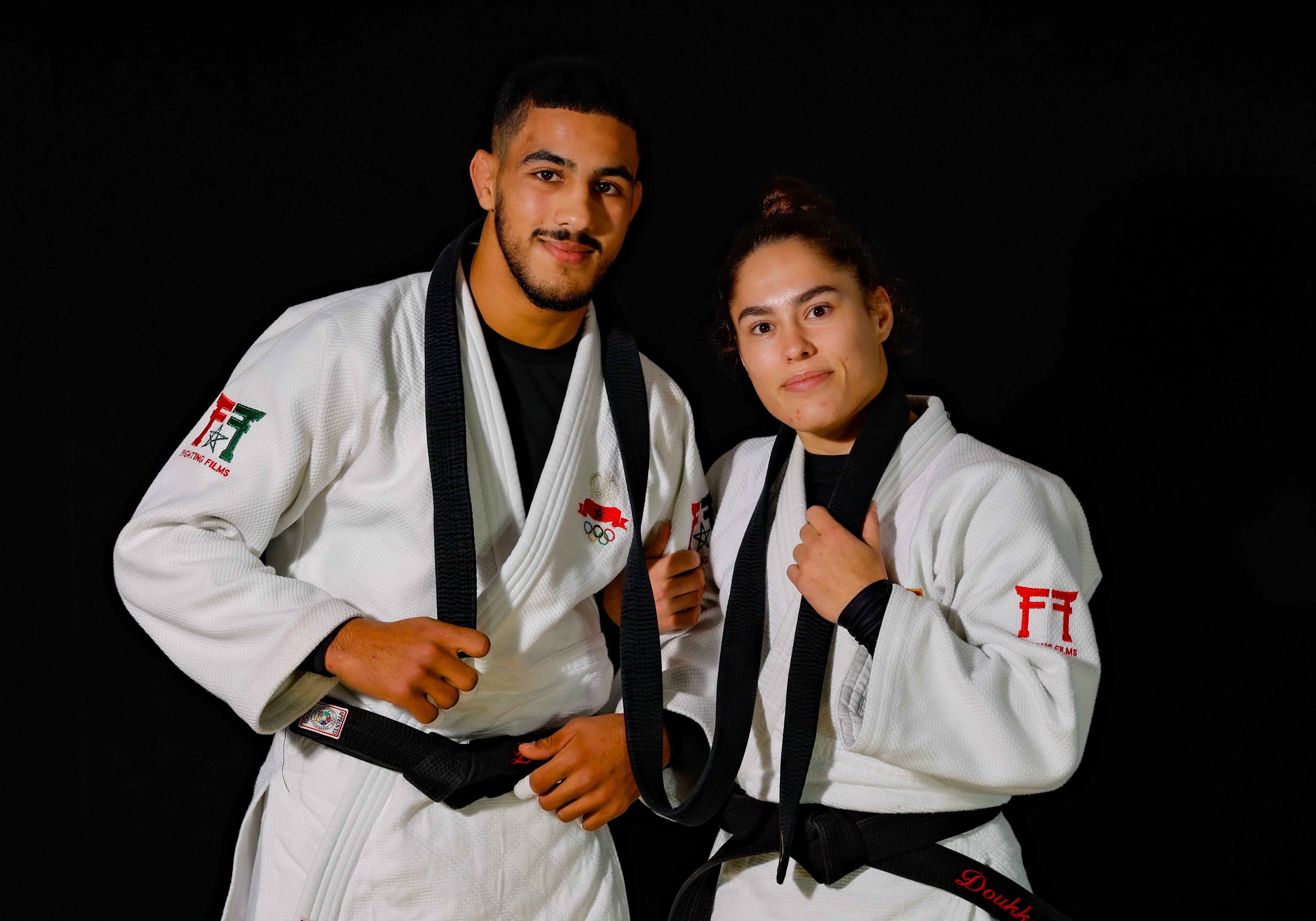
These connections, like the obi itself, require constant attention and care. A belt tied carelessly comes undone mid-randori; a relationship neglected unravels just as quickly. Yet, when we invest the effort to tie our bonds tightly, when we show up consistently, honour our commitments and hold fast even when the throws come hard, those connections become unbreakable. The judoka learns that the strongest knots are those tied with intention, respect and dedication. In judo, as in life, it is the tightness of our bonds that determines whether we stand firm or fall apart when tested. The belt teaches us that true strength lies not in standing alone but in being bound to others with purpose, loyalty and love.
When you watch athletes tying their belts, you discover something extraordinary hidden in plain sight: the profound connections that exist within judo, all symbolised by the simple act of tying a belt. Each tie, each pull, each careful adjustment represented more than preparation, it symbolised the invisible threads binding this global judo family together.
Throughout the year, we will discover different stories using a black belt to symbolise connections and journeys on the tatami. For Pleuni Cornelisse (NED) and Hassan Doukkali (MAR), the journey brought love. Their shared passion for judo became the foundation of something far deeper.
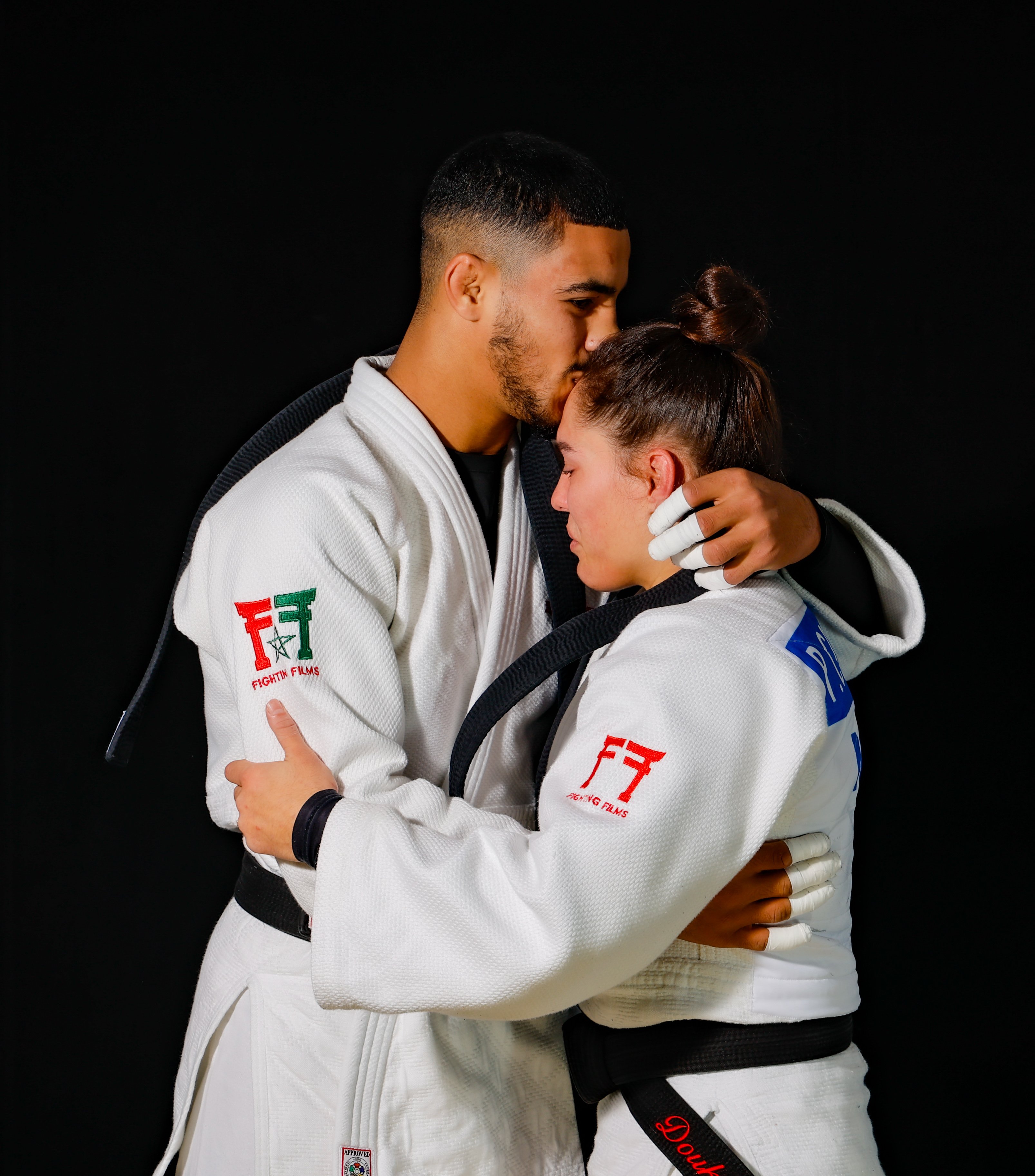
Pleuni:
“We met last year here in Mittersill, so this is actually our anniversary. A year ago, we were just looking at each other, a little shy and then he wrote to me on Instagram. That is how it started. Now we are here again but this time together.
“We visit each other often, which makes it easier. If you stay apart for a long time, it is harder. So it is not technically a long-distance relationship because we make the effort to see each other as often as possible. I think the longest we didn’t see each other was three weeks. We are always together.
“Since being together, it is not only about my judo anymore. His judo is now important to me too. If I do well, I am happy but if he does well, I am also happy. That is important to me, and with that, the belt symbolises support for me.
“I can say from my heart that judo gave me the love of my life and with that peace too. Before meeting Hassan, I was always stressed and I didn’t have the best relationships before. This is different, it goes so easily. Sometimes I think, ‘Is there something wrong? Because this is too smooth, you know?’ I can relax around him and he gives me the feeling that everything is okay.
“Although I met him through judo, true, but after judo, then what is there? If you have each other, that is better than nothing. Then you can still do judo, maybe coaching but that is it. I am grateful we have met. Everything tastes sweeter together. I think everybody should love each other more.”
Hassan:
“Pleuni brings balance, peace and light into my life. She supports my journey and makes every challenge easier just by being by my side. The word I choose that this belt represents for me and our connection is the term forever. I am deeply grateful. Judo didn’t just shape me as an athlete; it also brought the most important person into my life. I first saw her here in Mittersill a year ago. When her eyes met mine, I felt something, truly. I felt admiration from the first glance and then I sent her a message on Instagram that evening.”
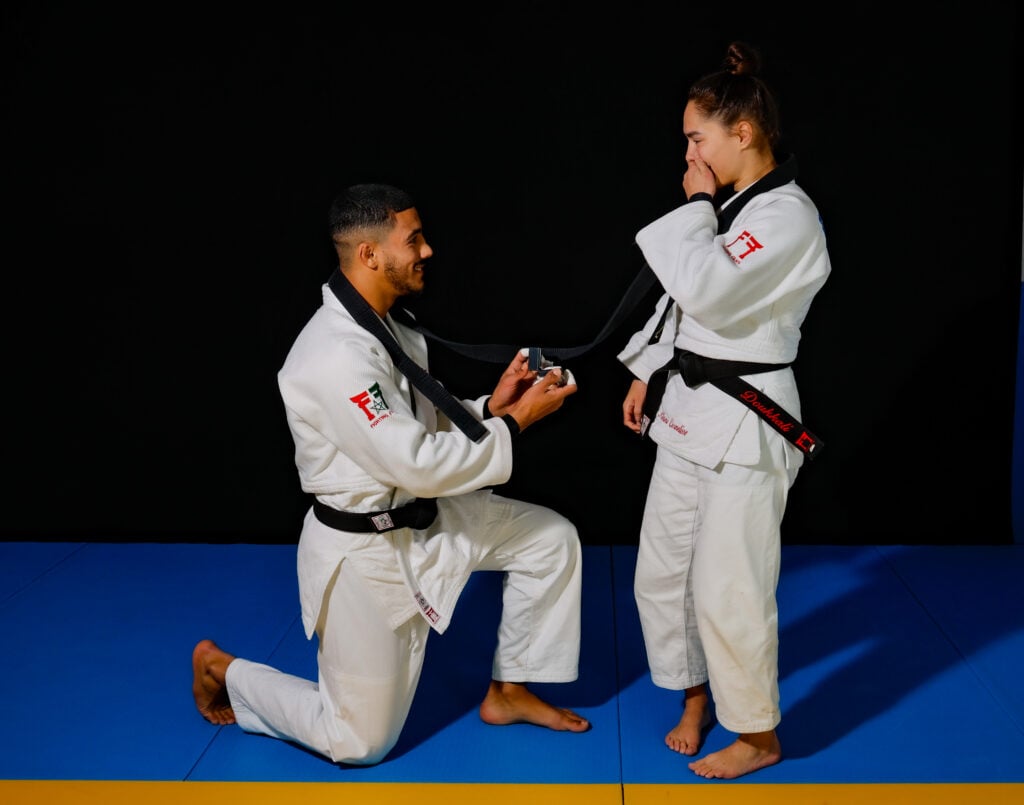
The rest, as they say, is history. To mark this incredible journey, Hassan proposed to Pleuni during the Mittersill Olympic Training Camp, belts tied, ready for commitment. It was the perfect moment to symbolise the connection that has been created through judo.
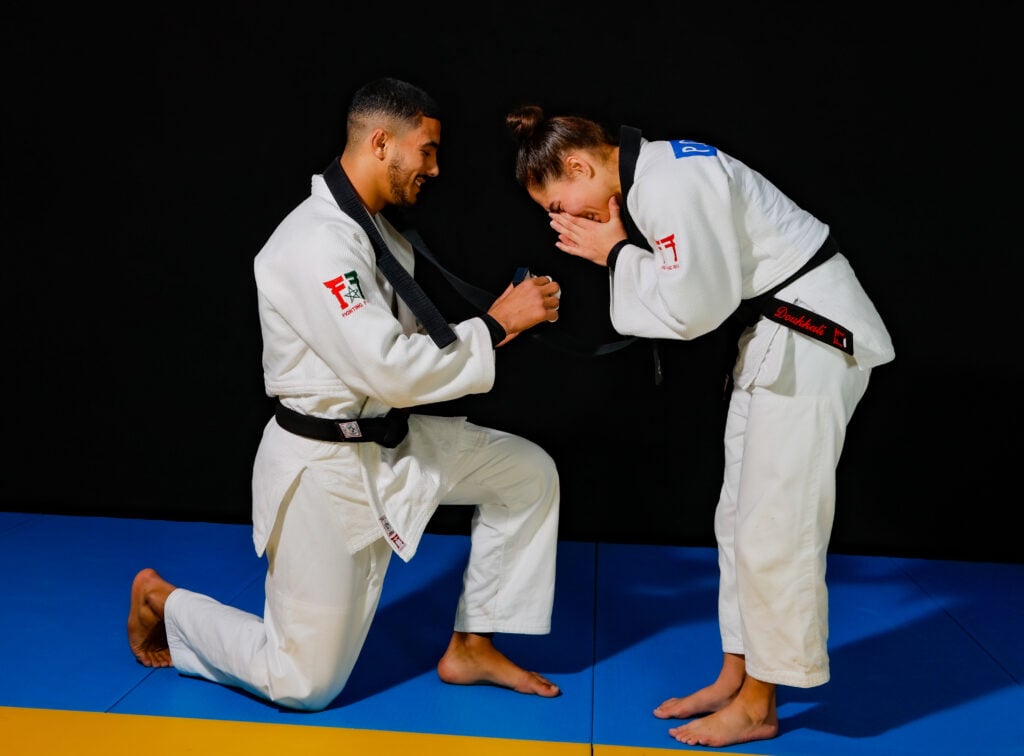
When you tie your belt, you are not simply dressing for training, you are binding yourself to a worldwide community built on respect, dedication and the profound relationships forged through shared struggle and triumph.
Tie Your Belt! The Journey Awaits!
Images: Gabi Juan
Author: Szandra Szogedi