





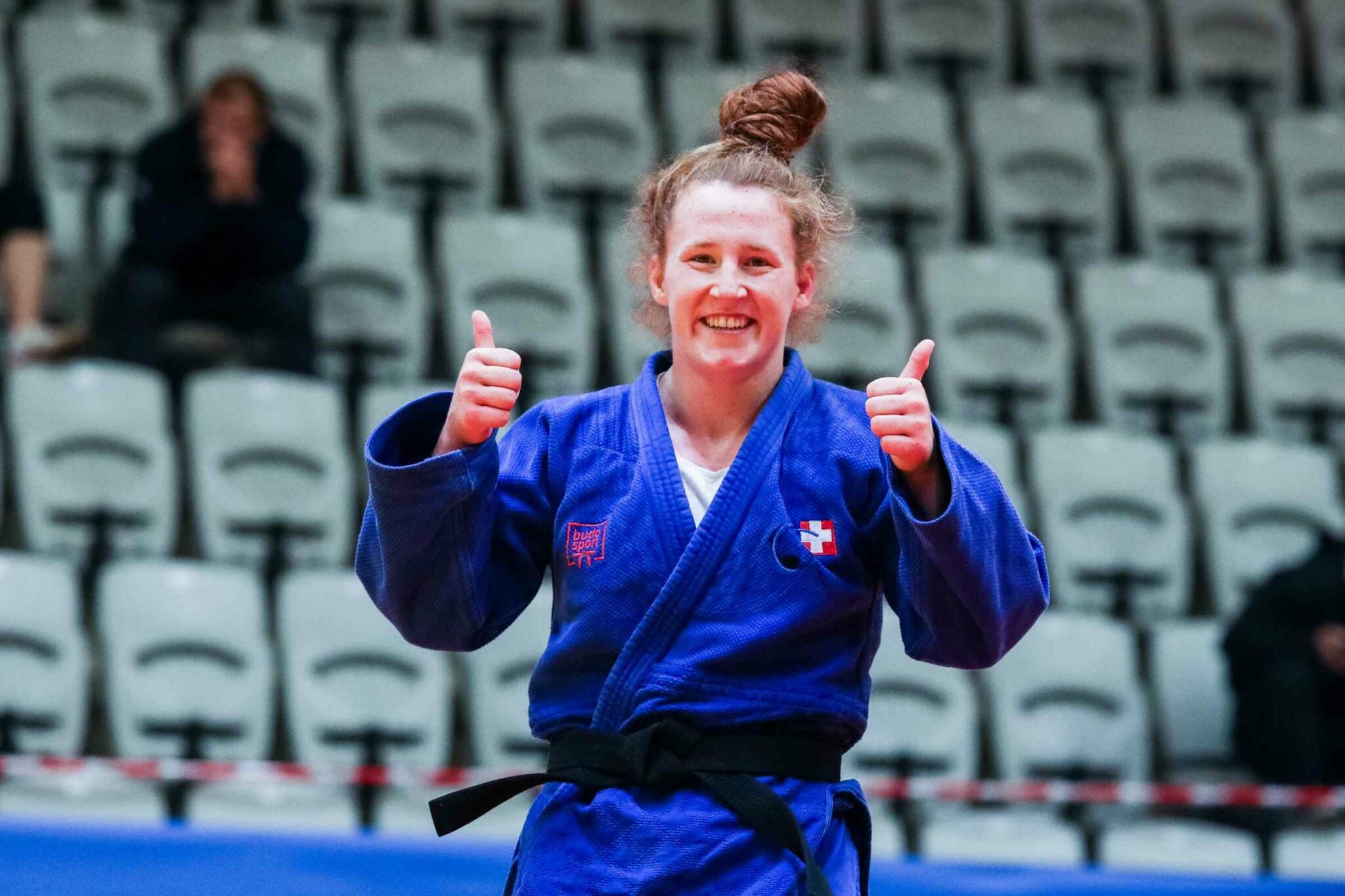
At 26, Swiss judoka Gioia Vetterli is entering an important phase of her sporting career. After years of steady progress, she now stands at the edge of the IJF World Tour, preparing to convert her European success into results on the global stage. This season offered clear signs of her development, marked by victories at the European Open events in Prague and Ljubljana, her strongest senior performances to date.

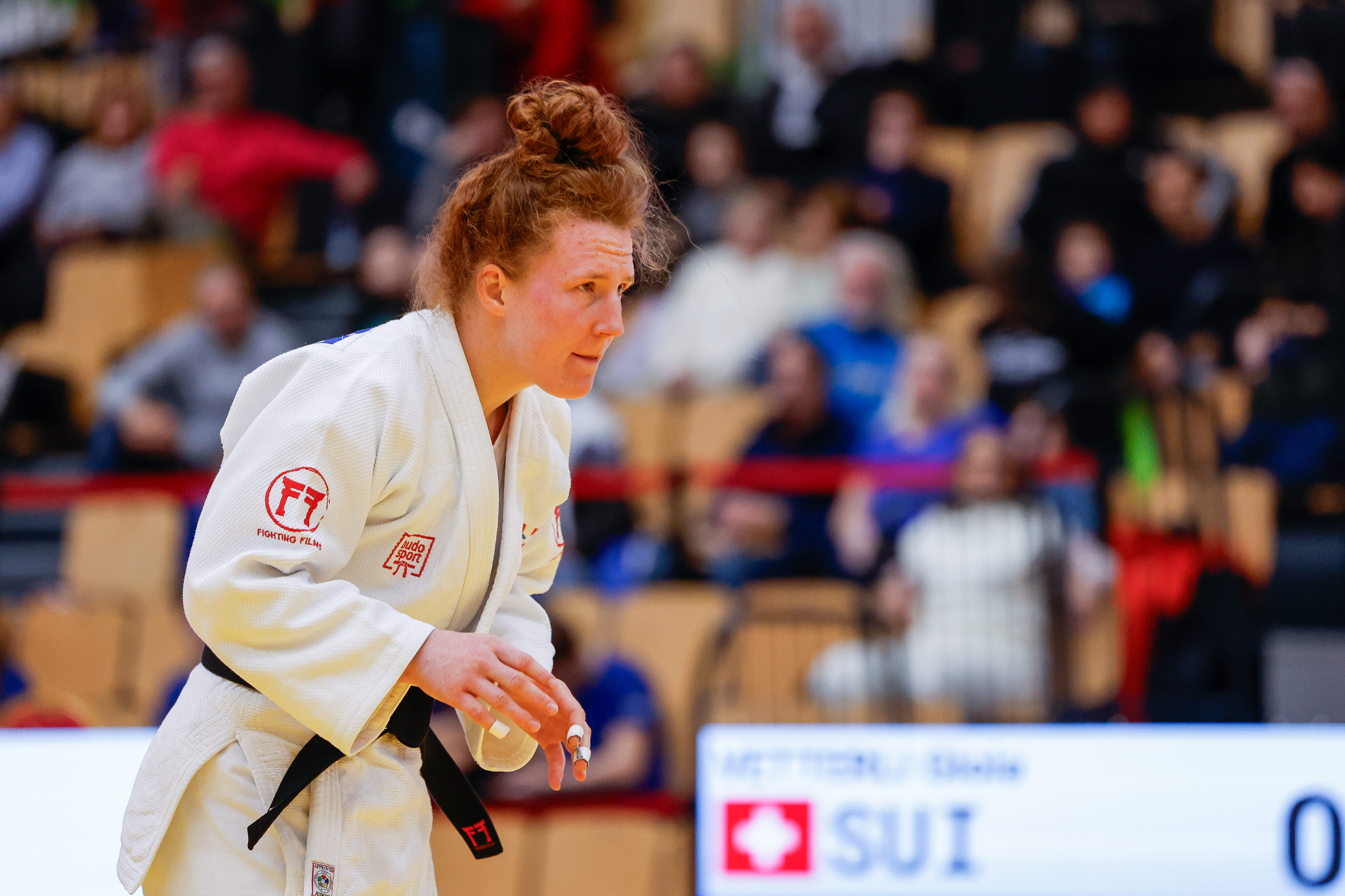
Vetterli began her international journey at a young age, competing across cadet, junior and U23 levels. Looking back, she says the biggest turning point came when she stepped into senior competition. “I had to become stronger mentally, not just technically,” she explains. “My first podium at a European Cup in 2017 was another key moment. It showed me that I can truly compete at this level.” Training regularly with international partners also helped her understand the gap she needed to close.
Her rise from European Cup successes to European Open titles didn’t happen by chance. Vetterli dedicated significant time to technical refinement, particularly in her gripping and in the transitions between standing and ground work. But the mental shift was just as important. “I started trusting myself more. I learned not just to participate, but to take control of the match,” she says. “Working with a mental coach really helped me take that step.”
Even with these improvements, she recognises that there is still work ahead to reach podium positions at Grand Prix and Grand Slam events. “At that level, athletes are extremely consistent and tactically sharp. Small mistakes cost you everything,” she says. The intensity difference is particularly striking. “There is no room to breathe at that level. The gripping starts immediately and any hesitation is punished.” Her plan is to develop a broader tactical repertoire and continue building confidence against the world’s best. “I am working on being less predictable and really believing that I belong at that level.”
Vetterli’s progress comes at a time when Swiss judo is experiencing a noticeable rise across age categories. She attributes this to improved structures and long-term planning. “There has been a real investment in performance pathways and more consistency from youth to elite,” she says. “Training environments are becoming more professional, and there is more international exposure early on.”
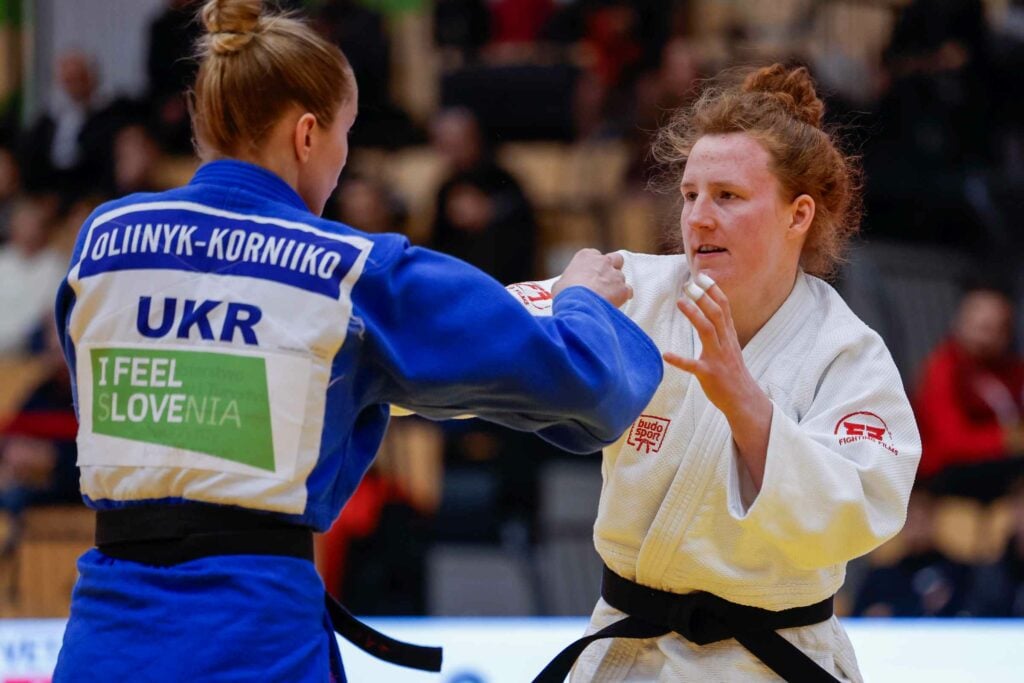
The question of whether Switzerland could qualify a more substantial team for the 2028 Olympic Games no longer feels unrealistic to her. “With the right continuity, yes. Several Swiss athletes have shown they can compete internationally and some are already close to the qualification zone.” She feels a shift happening in the national culture as well. “Switzerland is building a performance culture step by step. We have access to things like sports nutrition and the military sport programme now. The focus on professionalism has definitely increased.”
Part of Switzerland’s structure includes two main training centres, one in the French-speaking region, one in the German-speaking region. Rather than seeing this as a division, Vetterli believes the dual system works. “We have national training sessions once a month where all athletes come together. It’s important to align technically and tactically across regions.” Daily life also plays a factor. “Travel distance is important. Switzerland is small but athletes need training to be accessible when they are balancing studies or work.”
Her upcoming challenges are clear. On the sporting side, she aims to stay healthy and build consistency at higher levels. Beyond judo, combining elite sport with her sports science studies remains a demanding but meaningful balance. Technically, she hopes to broaden her attacking options and sharpen her reactions under pressure. “I want to become more versatile and add more variety to my judo,” she says.
Vetterli lives the multilingual reality of many Swiss athletes and sees it as an advantage. She speaks Swiss German, German, French, English and a bit of Italian. Away from the tatami, her days revolve around training and university. Like most Swiss athletes, she relies on a combination of support systems: “I receive support from the federation, Swiss Sports Aid and the Swiss Army as part of the sport military programme.”
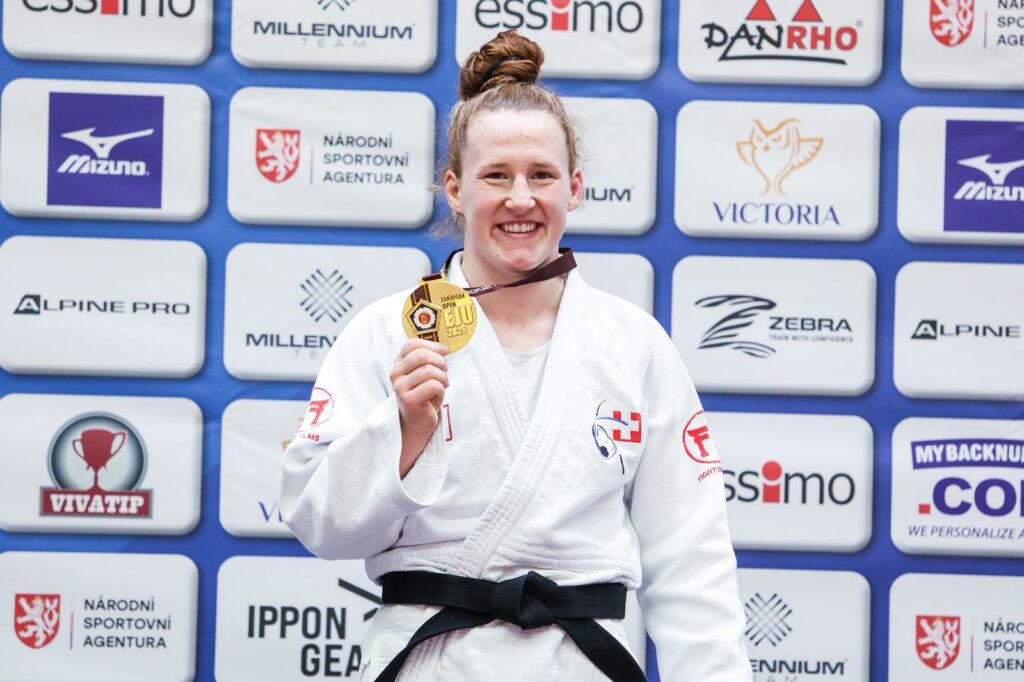
What would help Swiss athletes take the next step internationally? Vetterli without hesitation. “Funding would make the biggest difference. The facilities are good but without financial security, it’s hard to plan a full-time competitive career.” Travel, training camps and long-term preparation are essential for Olympic qualification, and she believes sustained investment is key.
What drives her today is not only personal ambition but also the belief that she can contribute to a new era for Swiss judo. “I believe I can compete with the best, and I want to be part of Switzerland’s rise internationally. Every small step forward motivates me.” Looking further ahead, she hopes her journey can inspire others. “I would like to be remembered as someone who persevered, who showed that with resilience and determination, it is possible to succeed internationally even from a small country.”
With the Grand Prix in Zagreb wrapping up her international season, Vetterli now shifts fully into preparation mode for the year ahead. Her trajectory is clear: steady, determined progress toward the world’s toughest competitions. Step by step, she continues to close the gap, one fight, one lesson and one season at a time.
Author: Hans Van Essen