





Author: Mario Krvavac

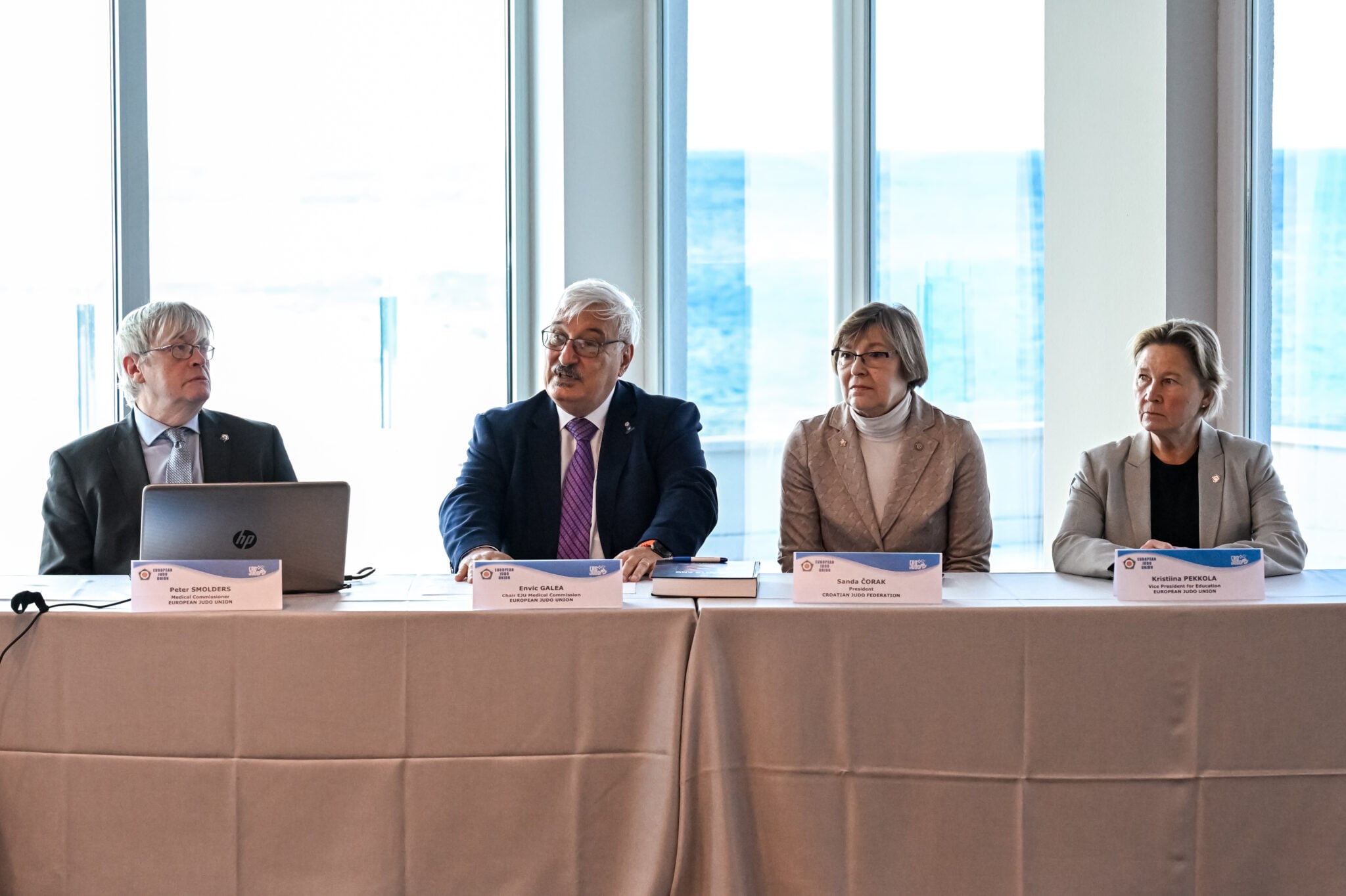
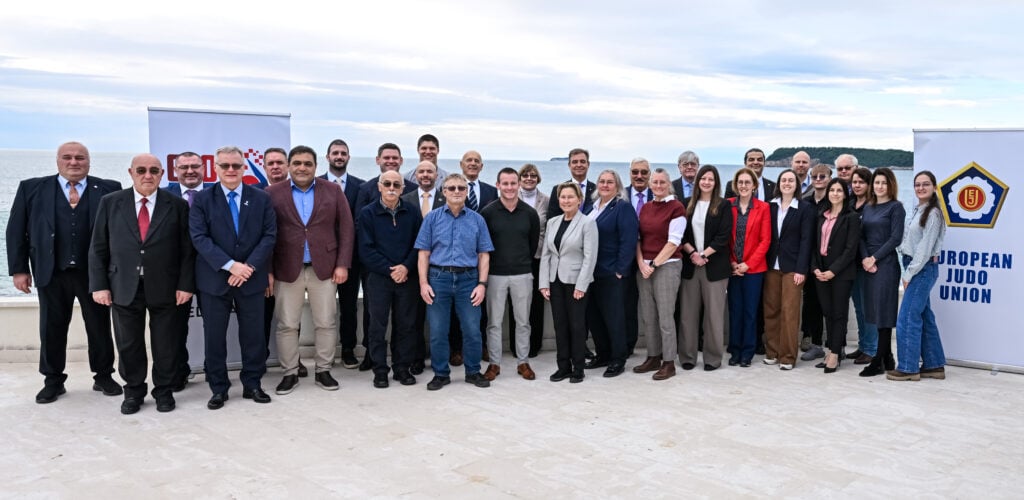
The picturesque city of Dubrovnik once again welcomes international scientists as the host of the European Judo Union (EJU) Medical Seminar. This prestigious event, held from 28 to 29 November at the luxurious Ariston Hotel, brings together medical experts, coaches and athletes from across Europe.
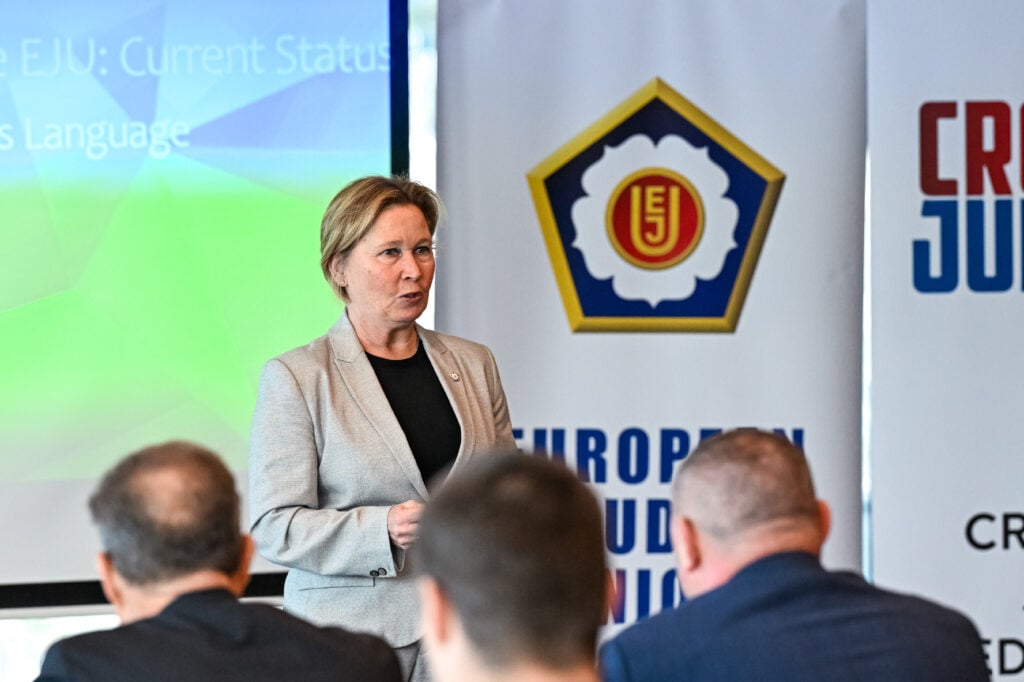
The aim of the seminar is to advance the medical knowledge and skills needed to support judo athletes, with an emphasis on injury prevention, treatment and rehabilitation. Renowned sports medicine experts will lead discussions and workshops, sharing the latest research and techniques in the field. EJU Vice President for Education, Kristiina PEKKOLA, emphasised:
“This is one of the most important seminars each year because we need to keep each other updated. As we can see, judo is evolving in the use of technical skills, especially adapted to the growing judo community, so it is very good that experts can come together to discuss how we can make the sport more sustainable and safer.”
Participants have the opportunity to take part in interactive sessions and to network with fellow professionals dedicated to the health and well-being of judo athletes. Data has been collected for years, contributing to scientific research, and highlighting its importance, as explained by Peter Smolders, Chairman of the EJU Medical Commission:
“It is very important. I have been doing this for five years now; I took over the legacy from my colleagues, which dates back to 2005. The larger the database, the better the conclusions will be. It is an improvement on what we have been doing for 20 years, but now we go into different competitions and tell each other that we are looking for more data on shime-waza. That is exactly what we have been doing in 2024 and 2025.”
Science is extremely important in sport but it does not reach everyone, so the task of the medical commissions is to spread this information to athletes, referees, coaches and the wider judo community. “In the future, we need to launch a big campaign, for judoka, doctors, and everyone involved, to make judo even safer,” Smolders concluded.
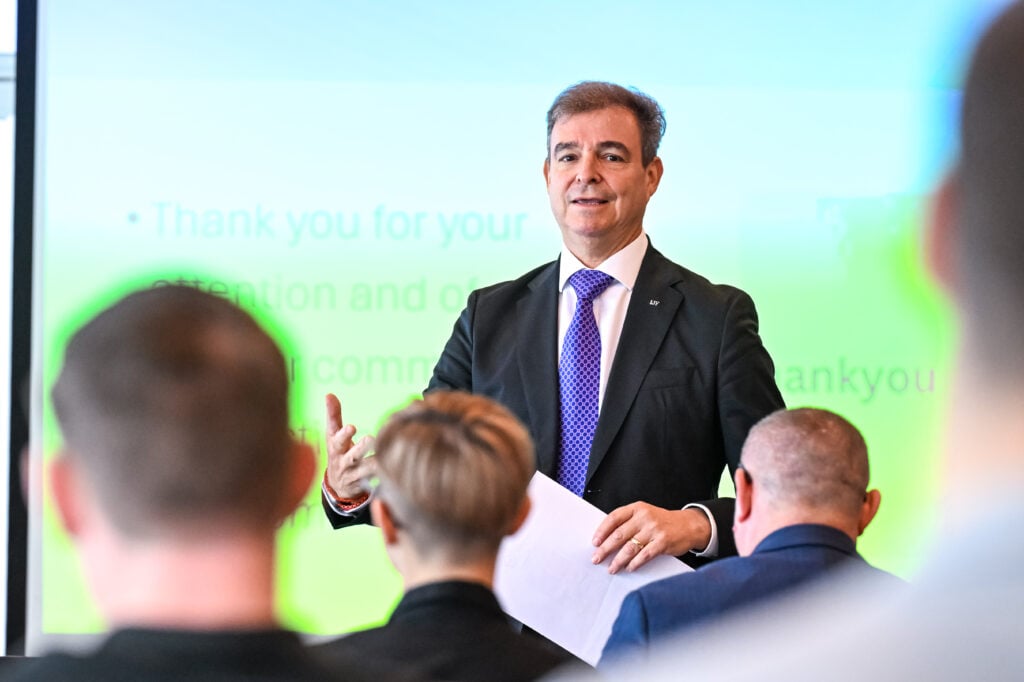
As Dubrovnik continues to position itself as a centre for international sports events, this seminar further demonstrates the city’s commitment to promoting judo and supporting the development of sports medicine. The event is also supported by the International Judo Federation (IJF), and thus the Chairman of the IJF Medical Commission, Antonio Castro, was also present:
“It is very important for us; we are part of the same family. The father of the family is the IJF but all continental unions have medical commissions. We are not in the sky, we are all on the same level as a community. Here in Croatia, we are very happy to share our experience with our colleagues from the EJU, first of all because Croatia is a very special place for judo. Everything the country does for judo is remarkable, and we are happy to share the experience with the EJU Medical Commission.
“We have a large number of tournaments, a large population of judoka and you can clearly see what happens with injuries in tournaments. It is very important for us to stay together and develop together. The next steps are to raise and improve the facilities so that athletes have good and safe conditions for practising judo.”
After a long and demanding season, the Croatian Judo Federation has once again proven itself to be a reliable partner, particularly through the organisation of major events. Earlier this year in March, the European Cadet Cup and training camp were held in Poreč. In April, Dubrovnik traditionally hosted the European Cup, bringing together senior men and women. The activities continued in June with the OTC Poreč and the EJU Cadet training camp. After the summer break, November saw the 8th Scientific Conference and the IJF Grand Prix Zagreb and as the finishing touch, the EJU Medical Seminar.
Images: CJF / Tino Maric
Author: EJU Media