





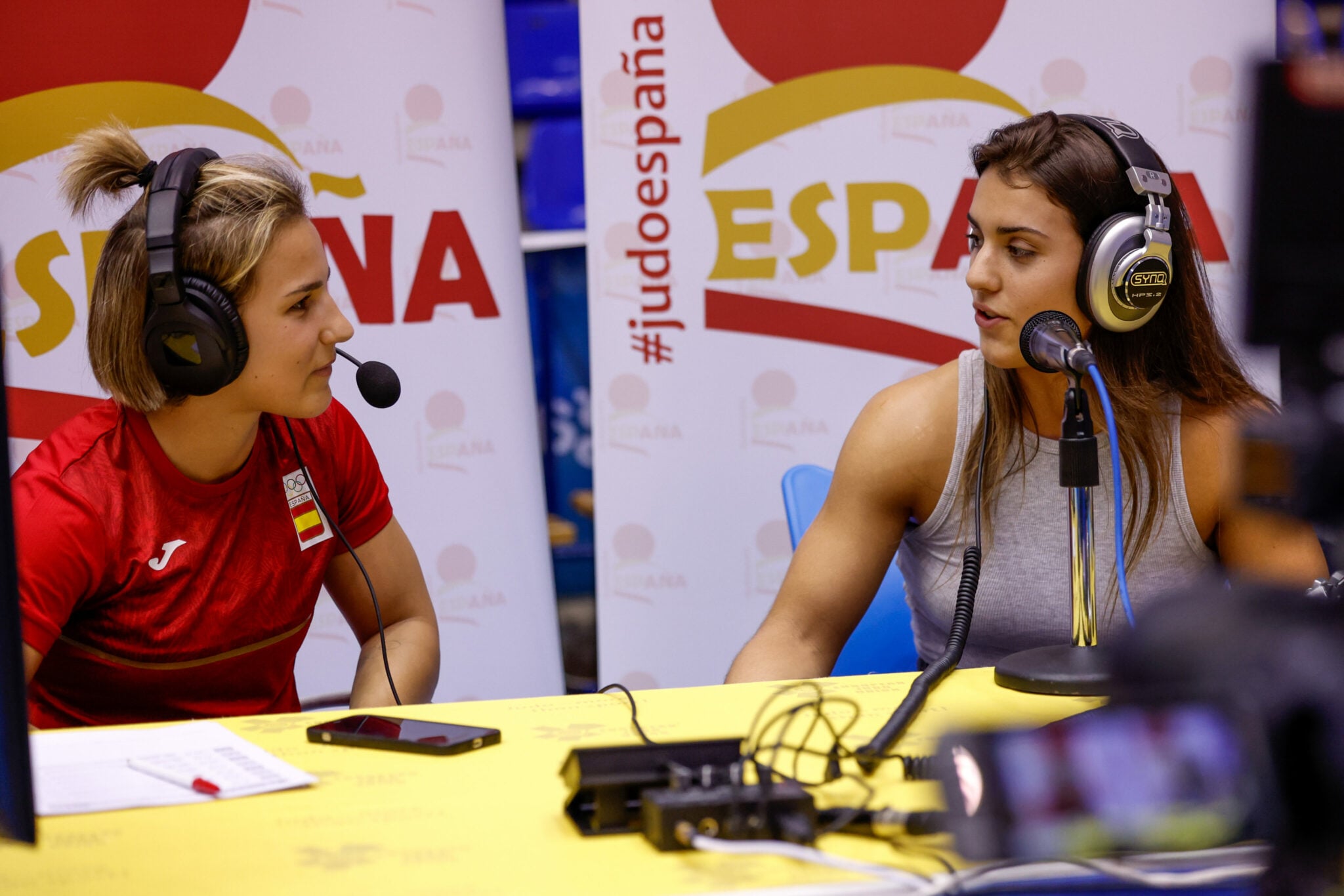
This weekend, the European Cup returns to Malaga, a city with one of the richest traditions in continental judo. For the 14th time, the Andalusian capital will host the event, which has become a firm fixture on the European Judo Union circuit. The tournament’s roots go back to its inaugural staging in Marbella, before finding a permanent home in Malaga for every edition since. More than 300 judoka from 35 nations are set to compete this year, all chasing one of the 14 coveted gold medals on offer. The event continues to attract strong international participation, confirming its reputation as one of the best organised and most popular stops on the European Cup tour.

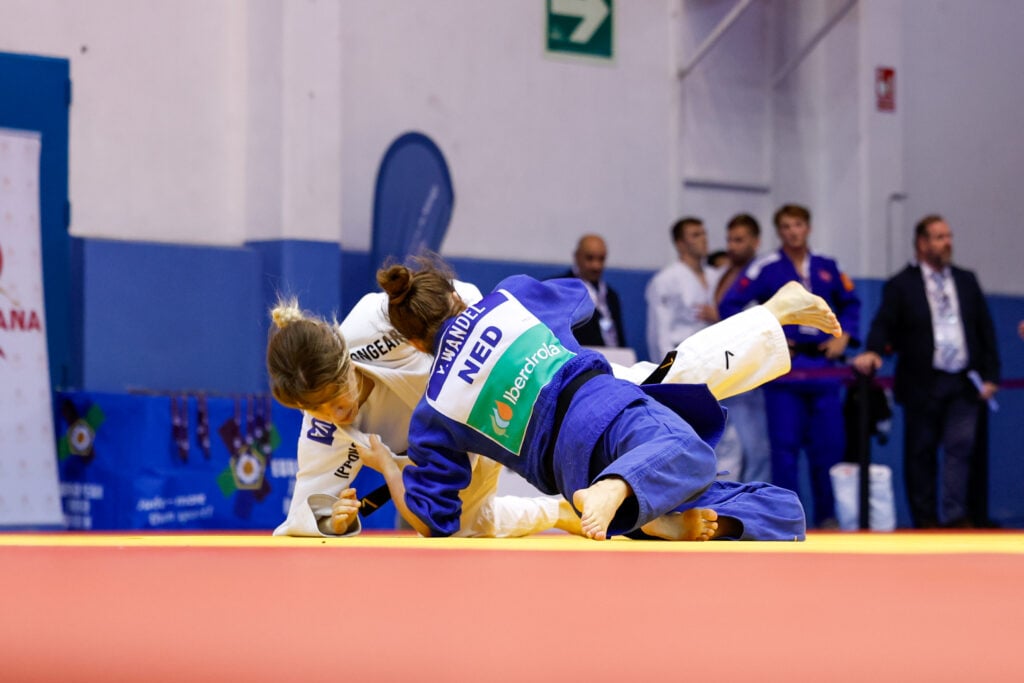
Last year’s edition set a participation record with 393 athletes and a remarkable 63 judoka battling in the –73kg category, where France’s Orlando Cazorla emerged as champion. Spain topped the medal table with four gold medals, underlining its home advantage and deep reservoir of hungry athletes.
The Spanish team has long been the dominant force in Malaga. Across all editions, Spain has collected an impressive 42 gold medals and a total of 210 podium finishes, almost twice as many as nearest rival France. The French, however, have claimed 36 titles at the event and have produced some of its standout performers. Among them, heavyweight Anne M Bairo holds a unique record: she remains the only judoka to win the Malaga European Cup three times, taking gold in 2016, 2022 and 2023. Germany, Russia and Italy also feature prominently in the all-time medal standings, each contributing to the tournament’s consistently high level of competition.
Part of Malaga’s enduring appeal lies in its perfect blend of conditions: a high-level tournament set against the sunny backdrop of Spain’s southern coast. Even with the event traditionally held in October or November, athletes enjoy ideal training weather and a relaxed yet competitive atmosphere. Over the years, several medallists in Malaga have gone on to reach the pinnacle of world judo, including Olympic medallists Amandine Buchard of France, Korea’s An Ba-ul and Luka Mkheidze, who all fought here earlier in their careers.
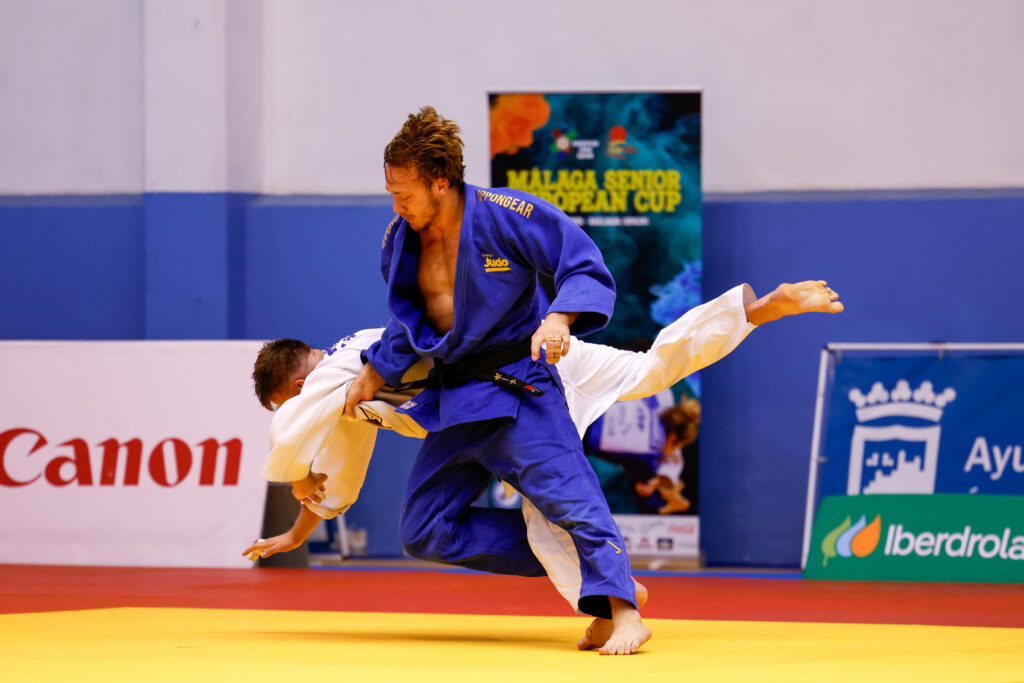
World champions have also graced the Spanish tatami, among them Madeleine Malonga, Loïc Pietri, Donghan Gwak, Arman Adamian and home favourite Francisco Garrigós. Their participation has helped to cement Malaga’s reputation as a proving ground for future champions, a place where preparation meets the sunny opportunity. The event also carries a strong sense of continuity and community within Spanish
judo. Few embody that spirit better than Isabel Puche, now 38, who remains one of the tournament’s most recognisable names. A multiple Spanish champion, Puche has collected seven European Cup medals in Malaga’s history, dating back to the first two editions in 2010 and 2011. Her enduring presence symbolises the event’s unique blend of heritage and renewal.
This year’s competition promises another vibrant weekend of action. Saturday’s programme features the men’s lightweight divisions alongside the women’s middleweight and heavyweight categories, spread across four mats. On Sunday, attention will turn to the women’s lightweights and the men’s middle and heavyweight divisions.
With the mix of experienced competitors and ambitious newcomers, Malaga once again looks set to deliver high-quality contests and the kind of memorable moments that have become synonymous with the event. Fans can follow all the action live on JudoTV, where the next chapter in this long-running Spanish success story will unfold.
Author: Hans Van Essen