





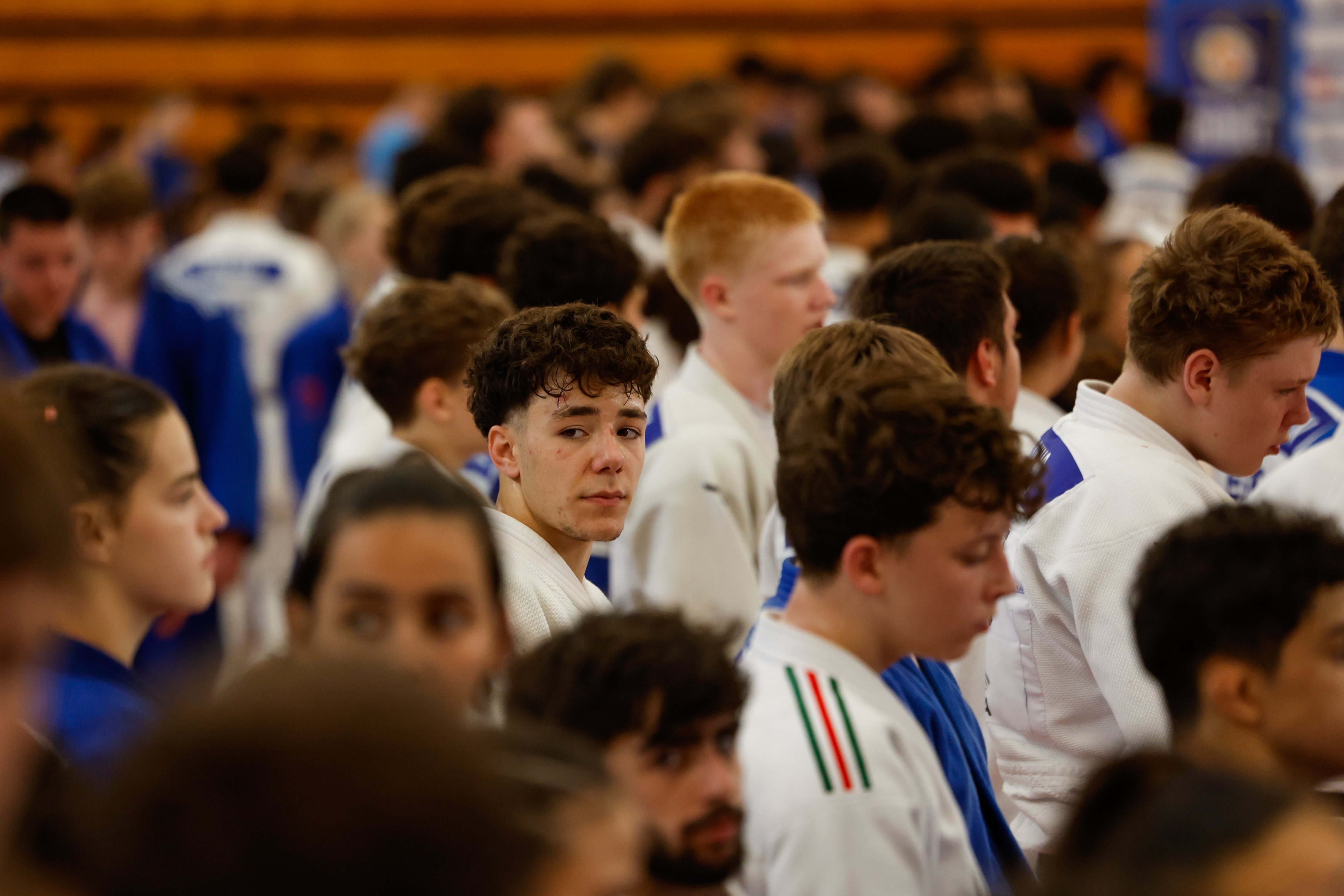
The Faro ‘Millennium Team’ Cadet European Cup 2026 was a success and what better way could there be to close the event than with a two-day international training camp, where sharing, collaboration, and mutual support were the key principles.

With several national teams present after an intense weekend of competition, the number of athletes increased even further with the arrival of judoka from other age categories, who joined the camp in search of an enriching training experience.
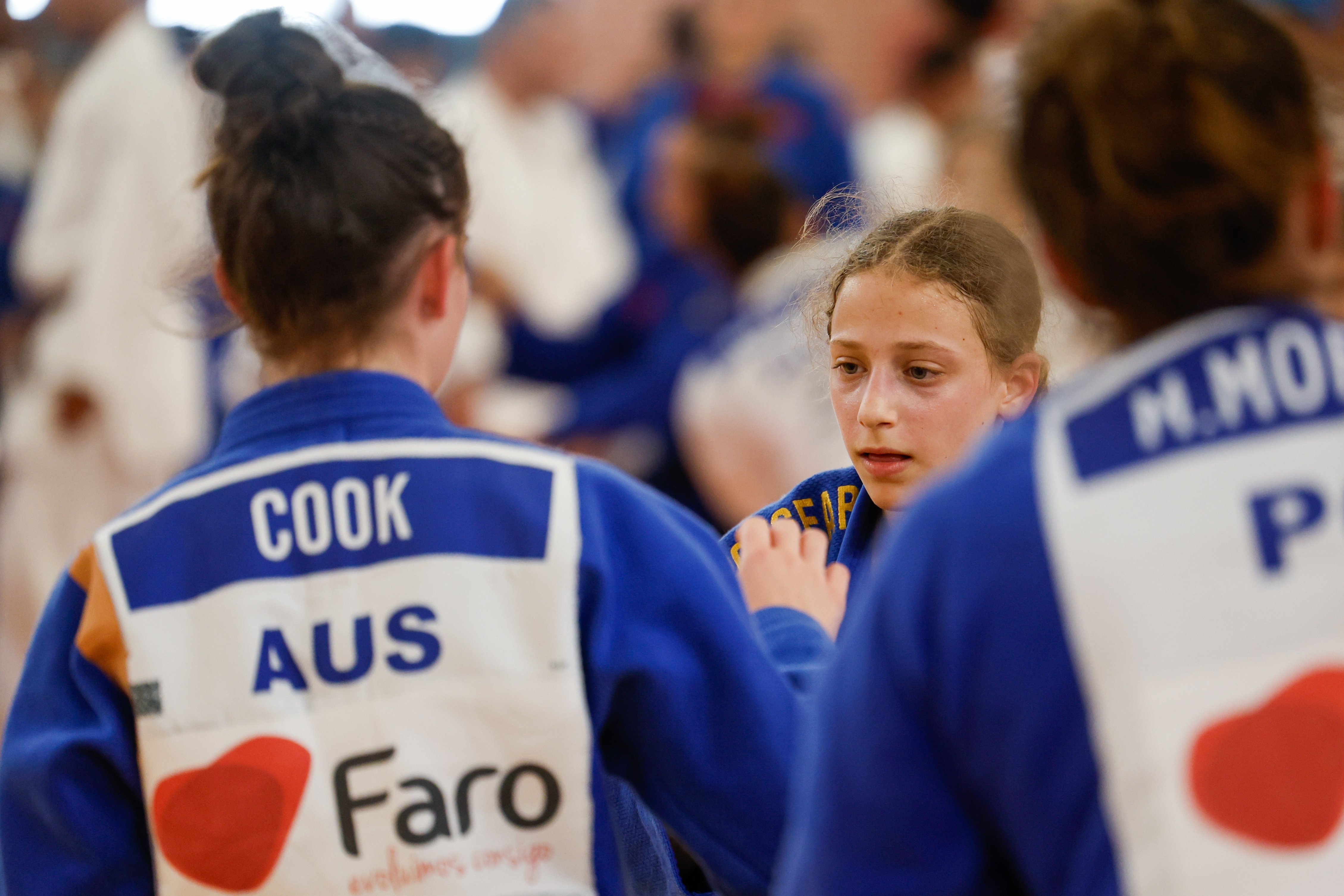
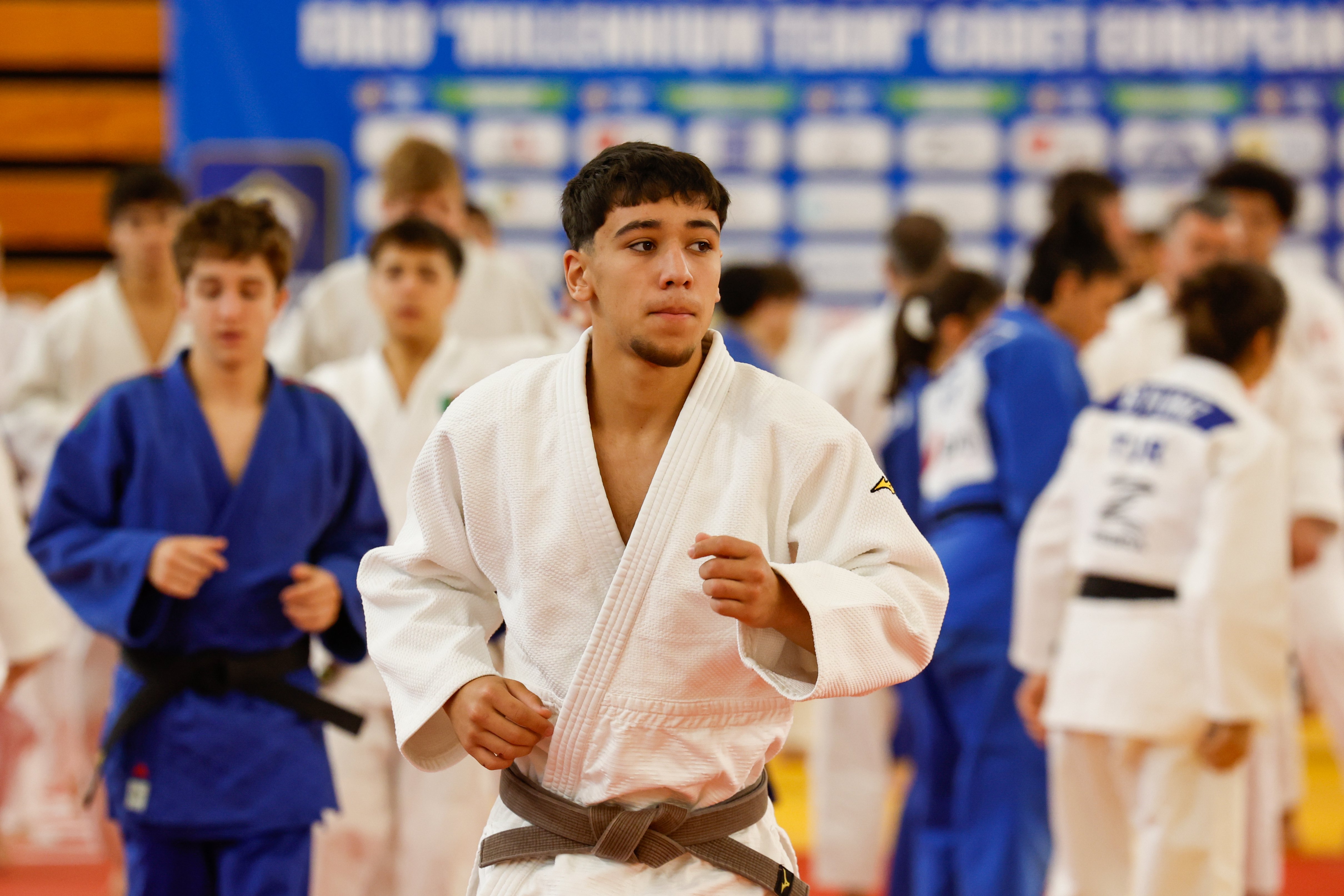
Among those present was Mariana Esteves, Olympic athlete for Guinea, who took advantage of the camp to carry out intense training sessions with her next competitive objectives in mind.
Accompanying the athlete, as well as other judoka from the Alta de Lisboa club, was Taciana César, also an Olympic athlete, now in the role of coach.
“The training camp is very strong. We are taking the opportunity to work on her physical preparation, fine-tune some technical and physical details, and understand exactly the level she is at,” she began by explaining.
The presence of several international teams was also a decisive factor in attending the training camp in Faro: “It would be a shame to have a camp of this level in Portugal and not take advantage of this opportunity.”
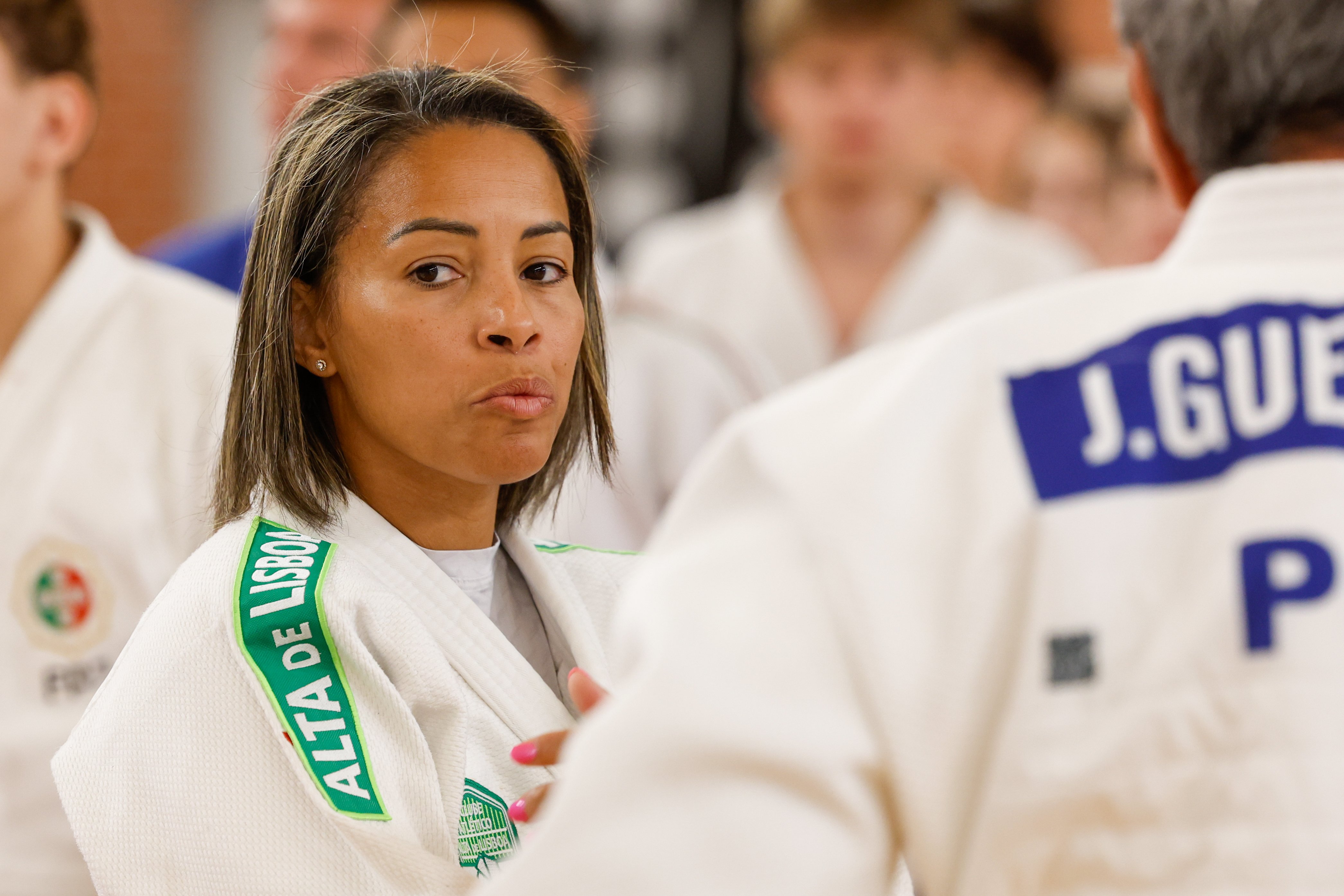
Also taking advantage of the training camp with upcoming international commitments in mind is Davi Monteiro, athlete of the Portuguese national team, who recognises the importance of this type of competition and training camp in Portugal for athlete development.
“It is a way for us to learn and evolve. It gives us experience because it is not always possible to travel abroad to participate in this type of competition and training camp.”
As this was the last major competitive moment before the cadet European Championships, the presence of many athletes who will compete in the continent’s main competition made the camp even more important: “It is important because many of the athletes who are here are exactly the ones we will face at the cadet European Championships.”
The training camp was technically led by the Portuguese Cadet National Team coaches, Joana Ramos and António Saraiva, who highlighted the high level of both the competition and the international training camp.
“The presence of so many teams and athletes only raises the level, and that is very positive,” they began by saying.
Despite the strong international presence, the vision of the coaching staff is very clear: “No one can come here and say this training camp is not strong. We are seeing athletes from every team giving their maximum in every training session.”
Still, what is the true importance of organising training camps of this dimension in Portugal?
“For us, this type of training camp and this multicultural environment are fundamental. We are not able to provide international experiences to all athletes throughout the season, and here they have the opportunity to gain experience in terms of training volume, different judo styles, and different competitive experiences.”
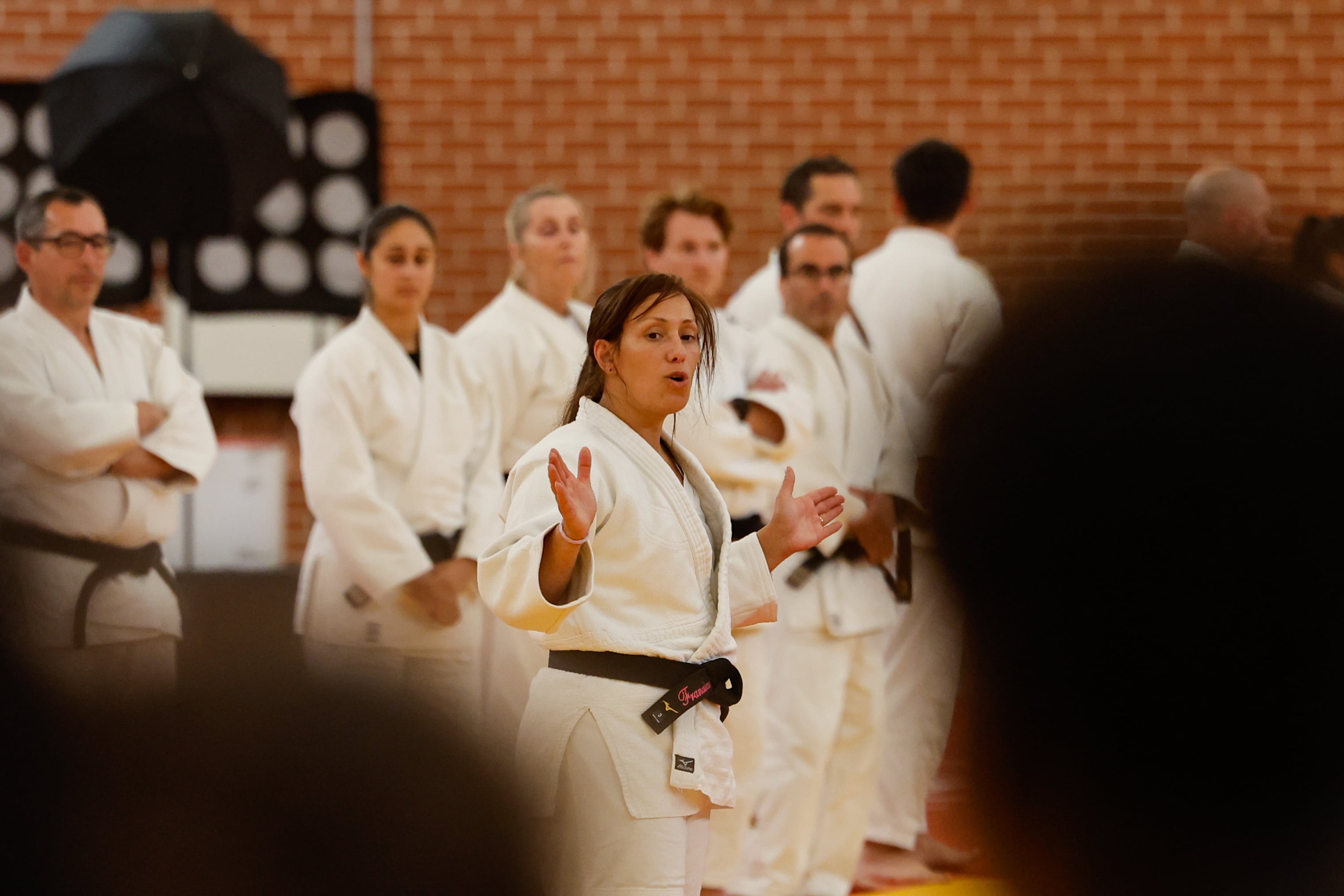
The Portuguese coaching staff also understands that this age category represents a decisive phase in the development of future high-performance athletes:
“We know that results in this age category do not necessarily define a senior career. But we already have athletes showing great work capacity, consistency, and commitment. That is the future of our national team.”
The work carried out with young athletes goes far beyond training on the tatami, as explained by Joana Ramos: “There is also a very important educational aspect to our work. I often say that we are teachers because we teach what it means to have posture and presence as an athlete.”
Davi Monteiro also left a message that perfectly summarises the spirit experienced during these days in Faro: “You always have to train. Even when it is hard. In the end, there is always a reward. Even if it is not a medal, we always gain something.”
Between contests, training, learning, and sharing, Faro once again demonstrated that it continues to establish itself as a privileged stage for the development of the future of European judo.
Author: António da Costa
Author: EJU Media