





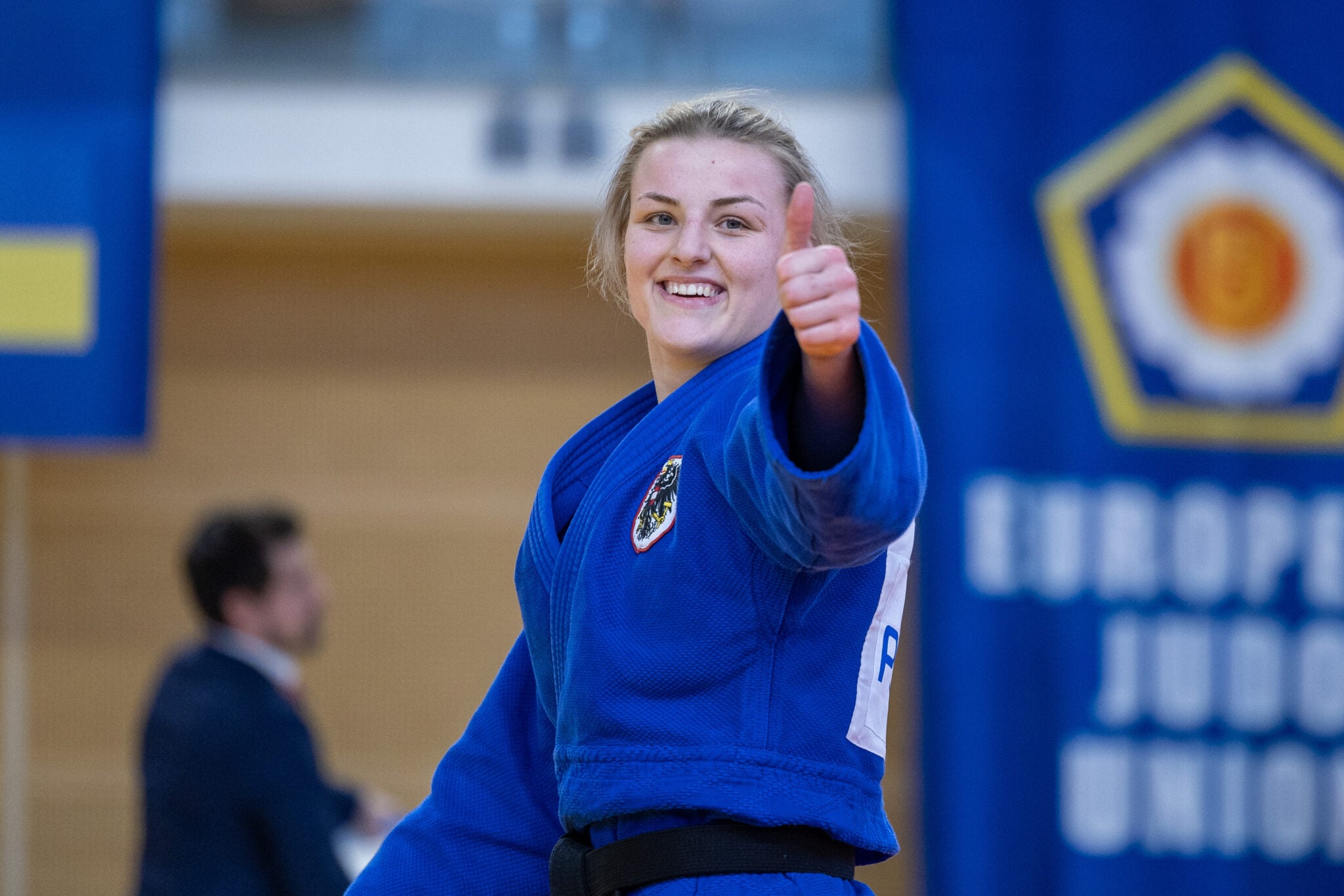
Your complexion might be a little paler than usual and your heart rate a touch higher. Sleep, too, may occasionally dip into the red zone. With the Junior European Cup in Graz (30–31 May) fast approaching, the pressure is coming from two directions. It is not only the weight of competing on home soil, with parents, siblings and friends watching from the stands, that is raising the stakes for Austria’s young talents.

Take a guess. Helena Rottenhofer (-63 kg), Marlene Schinwald (-57 kg), Felix Einfinger (-73 kg) and Michael Pröll (-81 kg) all have something significant in common. Each has recently completed the written part of their school-leaving examinations and, this weekend, will be competing in Graz with important junior European Championship qualification criteria on the line. The exception is Schinwald, who has already secured both qualification standards. Once the final scores are settled on the tatami, attention will quickly turn back to the classroom, where oral examinations await next week.
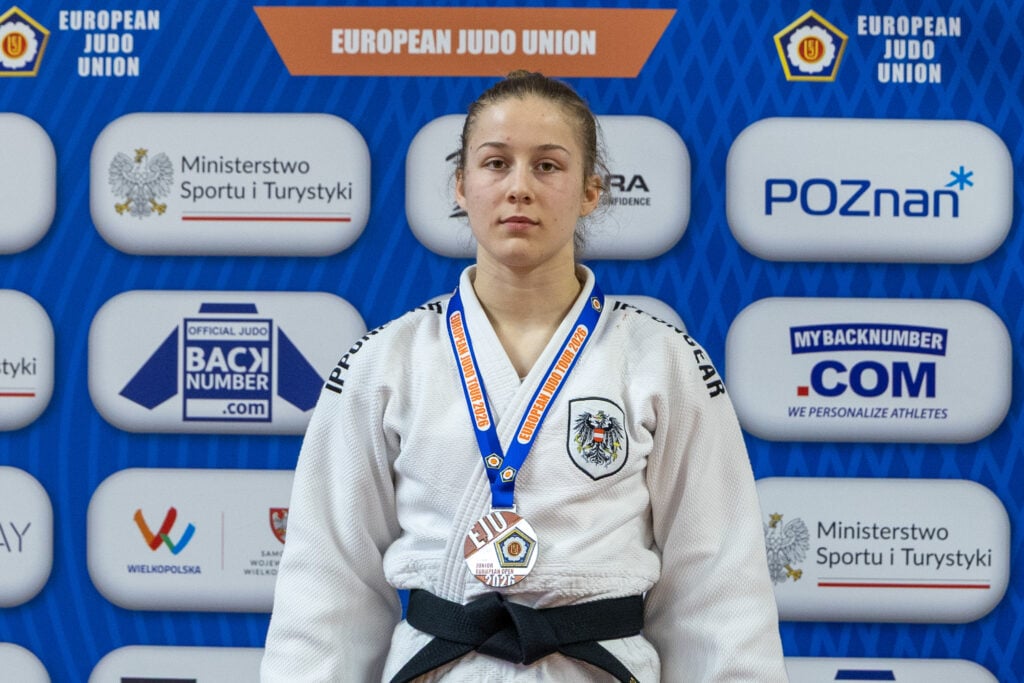
The challenge is clear: perform under pressure in one of the strongest junior tournaments of the season, then return to complete their A-levels successfully at the first attempt and, ideally, with as little stress as possible. Achieving both goals would allow them to begin their sporting careers as sports soldiers later this year without unnecessary delays.
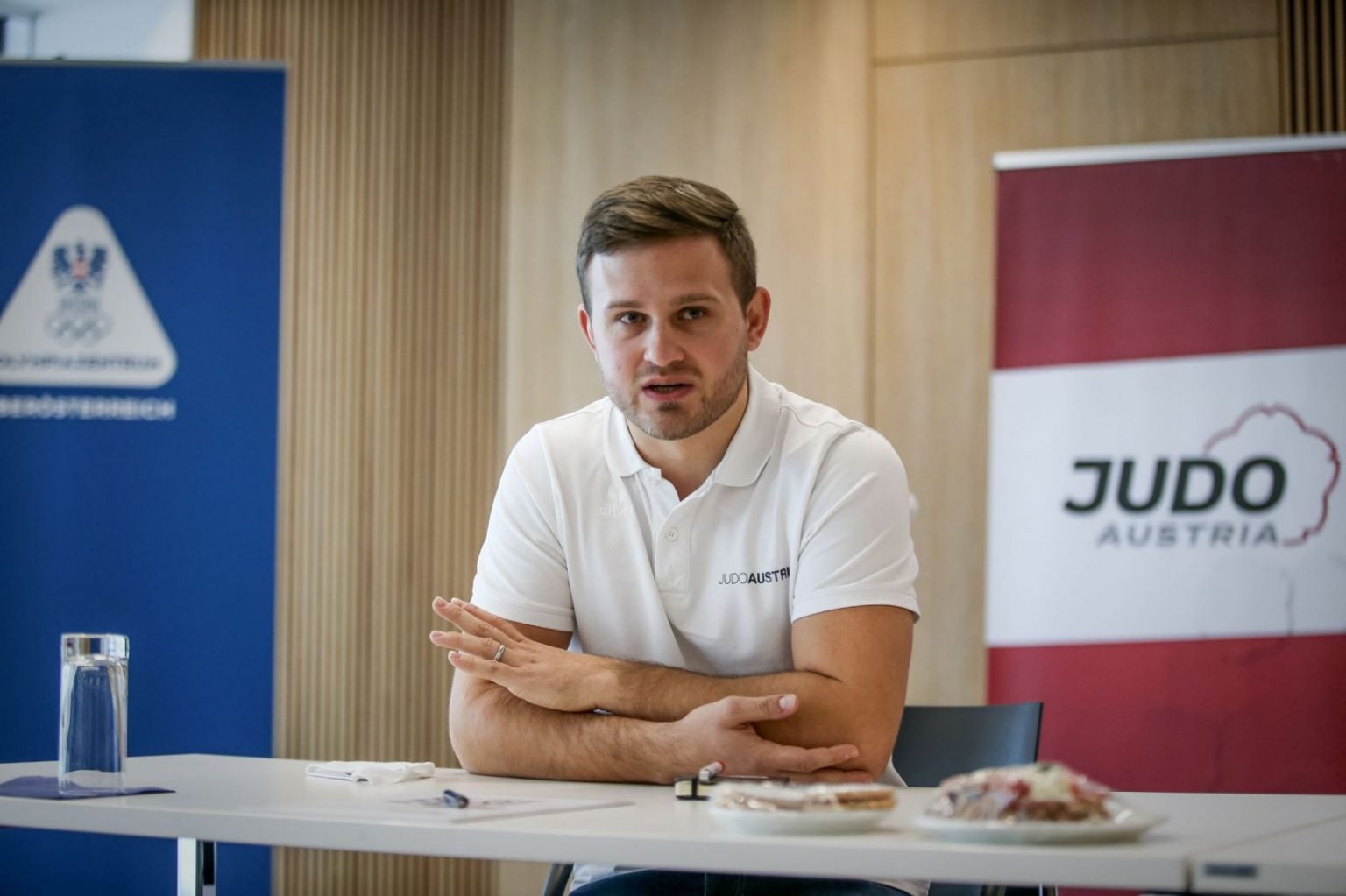
“This situation is nothing new to us but it is for our athletes,” explained Austrian junior national coach Michael Winkler and sports director Markus Moser. The pair took time for a brief interview before turning their full attention to the busy days ahead in the Styrian capital.
What are your expectations as you head to Graz for the Junior European Cup on home soil?
Markus Moser: “From an organisational point of view, we couldn’t be happier: the number of entries , 676 judokas from 34 nations, has exceeded our wildest expectations. We’ve had to ask three additional hotels for rooms, and we can already say that Graz is now clearly the number one venue for Junior European Cup tournaments. By way of comparison: Lignano last hosted 595 participants. In Graz, the previous entry record stood at 511 participants. This year, we have reached new heights. This fits in well with the bigger picture: in January, our association is hosting the Olympic Training Camp in Mittersill; in March, the World Tour will be visiting the Tips Arena in Linz; and in June, it’s time for the Junior European Cup. The same applies to all three events: Interest in each of these three events is enormous, in terms of attendance, we usually rank right at the top, and are certainly always in the top three. This may be partly due to Austria’s favourable geographical location in Central Europe and the resulting ease of travel for many other European nations, but it also has to do with our organisational skills and hospitality. All delegations feel well looked after here. That’s a mark of quality we aim to earn anew every year.”
From a sporting perspective, that means: if you can hold your own in Graz, you should also be competitive at the European Championships, right?
Michael Winkler: “The quantity and quality of the field is top-notch, which means for our 51-strong team: the bar is set particularly high this year. If you want to make it to the final block, you need to win at least three times; in weight classes with a particularly large number of competitors, even up to six times. It’s going to be anything but easy, and on top of that, Helena, Marlene, Felix and Michi, to name just four, are currently under pressure from their A-levels. They have only been able to manage a limited training workload recently. So, the omens aren’t particularly favourable but as a competitive athlete, you have to be able to cope with that.”
Over the last four years, Judo Austria has won no fewer than 11 medals in Graz. Would it be naive to believe that this winning streak will continue this year?
Moser: “Our goal remains the same: we want to win at least one medal. On paper, it will be far tougher this year than in recent years but in judo, that doesn’t necessarily mean anything. We expect our young athletes to give 100 per cent and rise to every challenge. You don’t always leave the mat as the winner. What counts is that you have given it your all…”
Winkler: “The home U21 European Cup is an important opportunity to assess our current standing and an ideal dress rehearsal for the upcoming major events, the junior European and World Championships. There, our top athletes will face even tougher competition. That’s when the real test begins, Graz is just an important stepping stone.”
Schedule
Saturday, 30 May
Women: -63, -70, -78, +78 kg
Men: -60, -66, -73 kg
Sunday, 31 May
Women: -48, -52, -57 kg
Men: -81, -90, -100, +100 kg
Live stream: Graz Junior European Cup 2026 – JudoTV
Author: Wolfgang Eichler
Author: EJU Media