





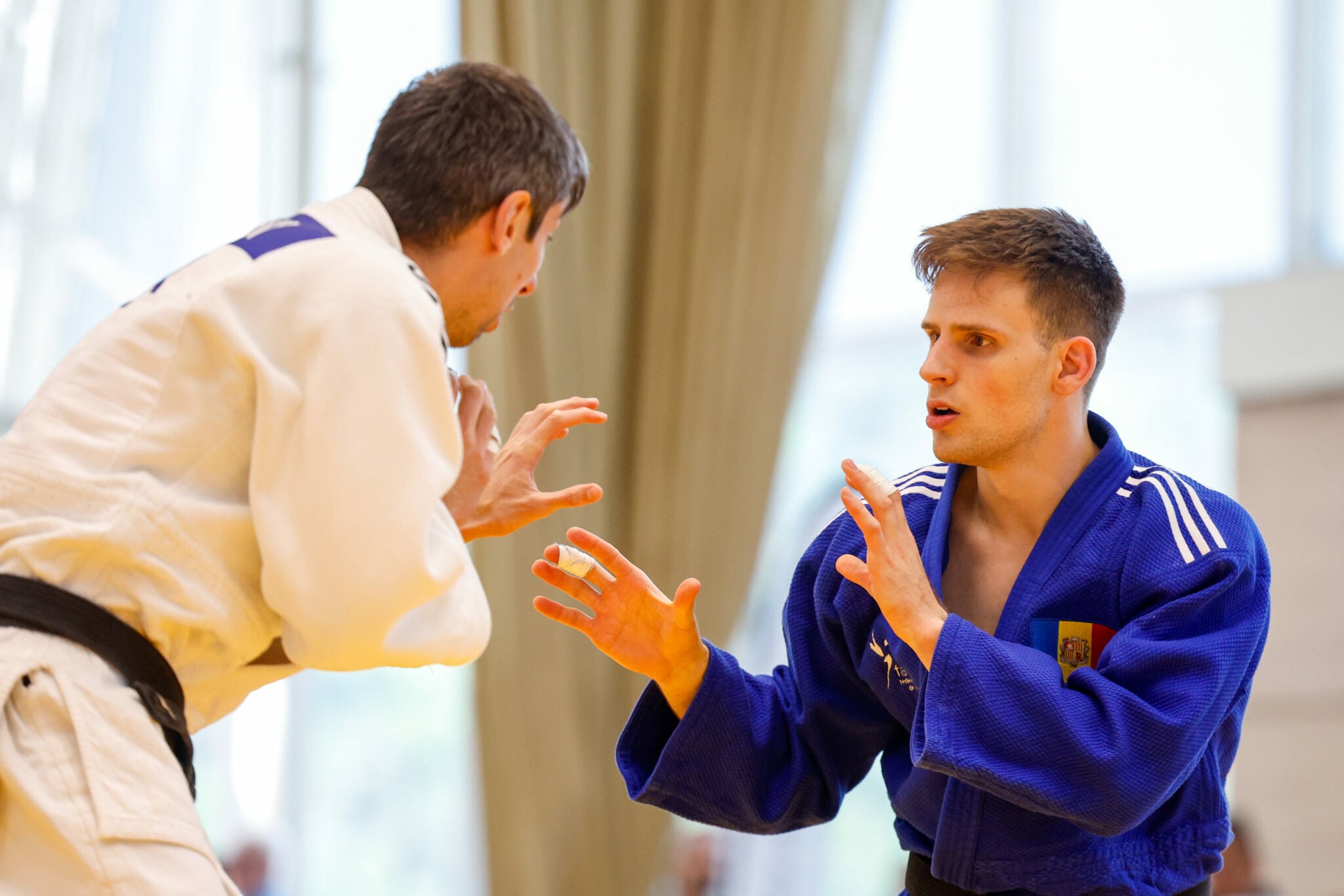
Most people don’t remember the exact moment they fell in love with a sport but Marc Reig does. The Andorran judoka was eight years old, in a borrowed judogi with sleeves too long, he was not yet aware that something life-shaping had just begun. He had tried several sports, all the usuals, but nothing had ever felt quite like the tatami, where things were calm, focused and deeply respectful.

That first day on the mat, he didn’t realise it yet, but he had found his place. Judo wasn’t just another after-school option, it became part of who he was. There was a rhythm to it, a way to greet, to fall, to rise again. No bright lights, no applause, just repetition, discipline, and quiet confidence. It didn’t promise medals or headlines. What it gave him was steadier: a way of being.
As the years passed, Marc came to understand that what keeps an athlete going isn’t always seen. It is not the noise or attention, it is the people who stand quietly behind you. When he left Andorra to study in France, he thought the distance might pull him away from judo, but it didn’t.
“Someone made a phone call. They got me recognised as a high-level athlete and that changed everything. Without that, I wouldn’t have managed to keep going,” he says. He doesn’t say it to boast, he says it with the sincerity of someone who knows how much a single gesture can matter. In small countries like Andorra, that kind of support isn’t flashy, but it can be life-changing. “They knew me, they understood what I needed. That’s rare, and it’s powerful.”
Marc has never had a free pass. He works, he trains, and he juggles both the best he can. “It has always been like this.” No special treatment, but no complaints either. When help was needed, it came, not in grand announcements, but in practical ways. “They fund our competitions, help with travel, training camps… Even if we need a van to get somewhere, they sort it. That’s enough.”
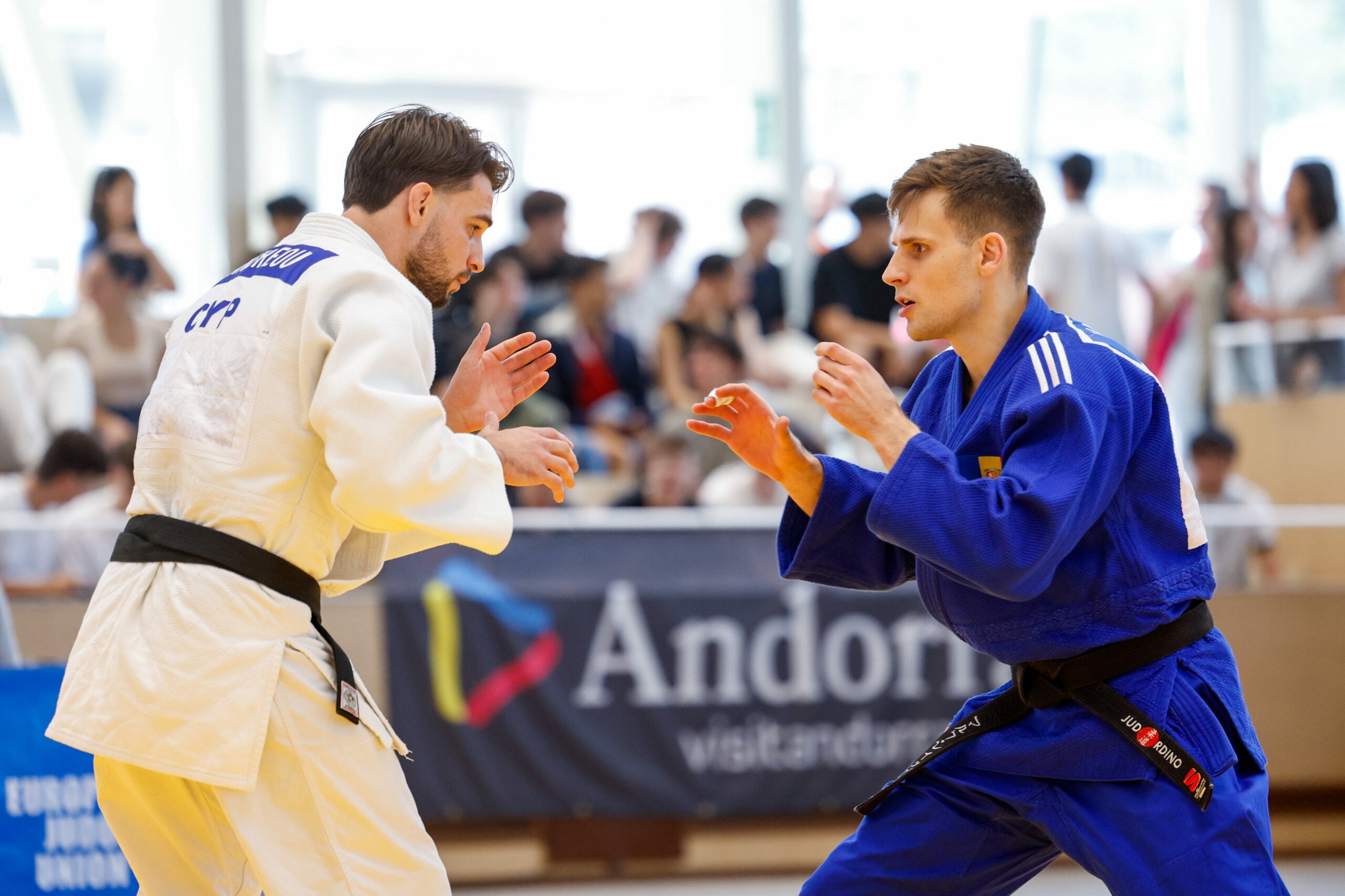
Over time, he has shifted roles. He used to look up to the older judoka. Now, he is the one the younger ones quietly watch and he embraces that. “It matters that they see us. That they know it’s possible, even from a small place like ours.” Marc also trains with the young ones often, not out of duty, but because it feels right. He remembers what it was like to be that kid, unsure, hopeful, looking for a sense of belonging, and now he tries to offer that same sense of possibility.
Like many sports, judo took a hit during the pandemic. The mats were empty, and routines were broken. But slowly, things have returned. “We are rebuilding. There is energy again. I think the Games of Small States will inspire more people to get involved,” he says. As for Marc, the goal isn’t medals anymore. Not really. “I am not chasing the European or World Championships at this point. I am in a different place now. If something exciting comes up, I will go for it but right now, I just want to enjoy judo.”
In judo, everything begins and ends with a bow and what stays with you isn’t the applause it’s who you became and who stood beside you all the way through. Marc is part of the athletes’ crew at the Games of the Small States of Europe Andorra 2025, competing in the -73kg category. He is ready to make proud the country he holds dear to his heart.
Source: Andorra Esportiu
Author: Szandra Szogedi