





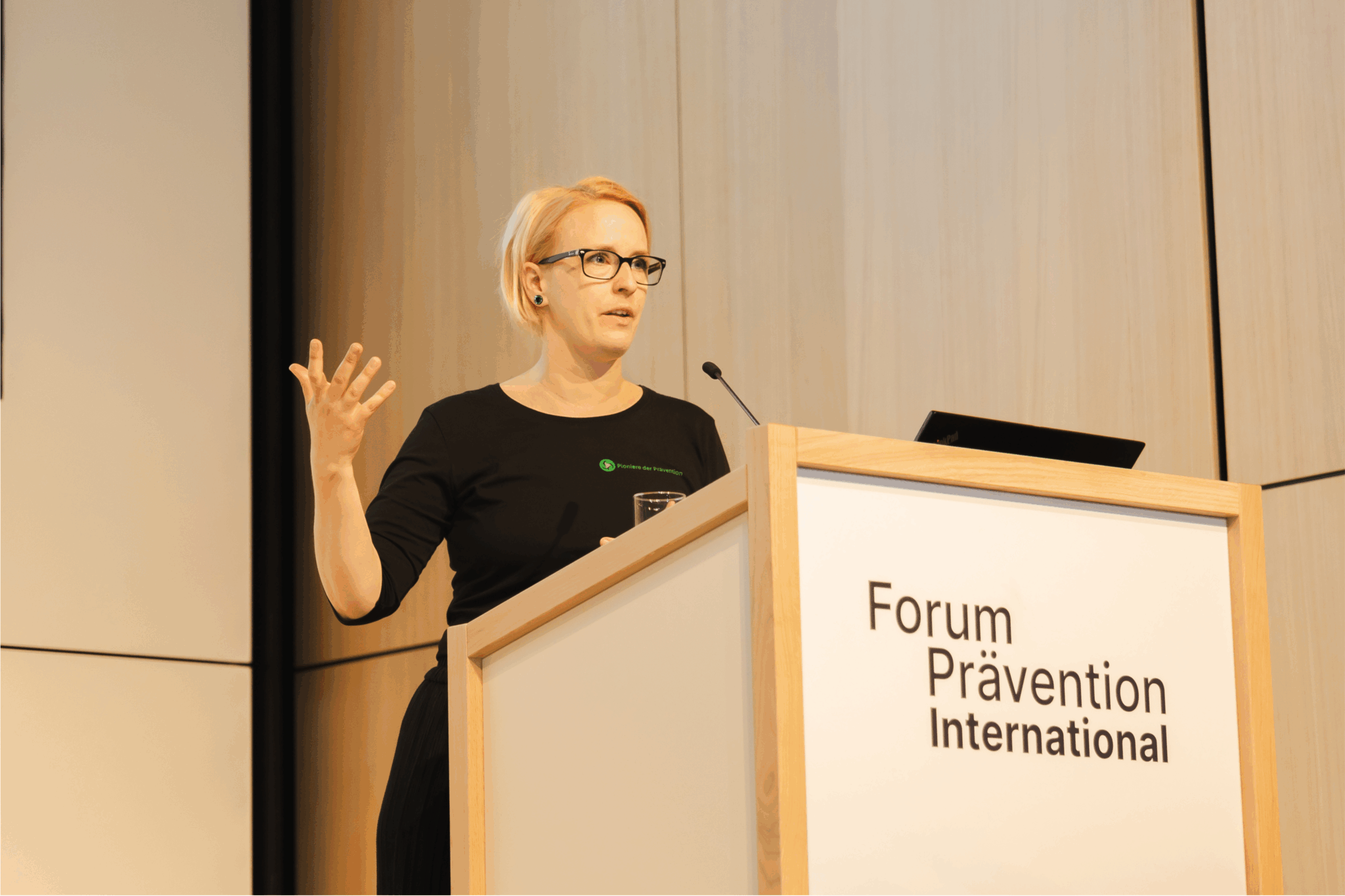
Human Rights Day, observed each year on 10 December, serves as a global reminder that dignity, equality and safety are fundamental rights belonging to every individual. In sport, and in judo in particular, these principles are not abstract ideals but lived values that shape how we train, compete, teach and interact.

This year marks an important moment for the European Judo Union, with the recently established EJU Human Rights Commission beginning to take meaningful shape. To honour Human Rights Day, we spoke with Veronika Jakl, member of the Commission and EJU Safeguarding Officer, about the challenges and responsibilities facing the judo community today.
Understanding the Most Pressing Challenges
When asked about the current human-rights issues affecting judoka on and off the tatami, Jakl highlighted the increasingly complex global environment:
“The world is currently very complex and filled with numerous political and social tensions. It is a challenge to come to good solutions together on an equal footing and to always view each other as human beings, both on and off the tatami, with varying standards across different regions and clubs.”
Differences in social context, education and resources mean that human-rights standards are not uniformly implemented throughout Europe. This unevenness presents real challenges, from communication and expectations within clubs to ensuring safe conditions for athletes. The Commission’s work aims to provide guidance, harmonise practices and encourage open dialogue across all levels of our sport.
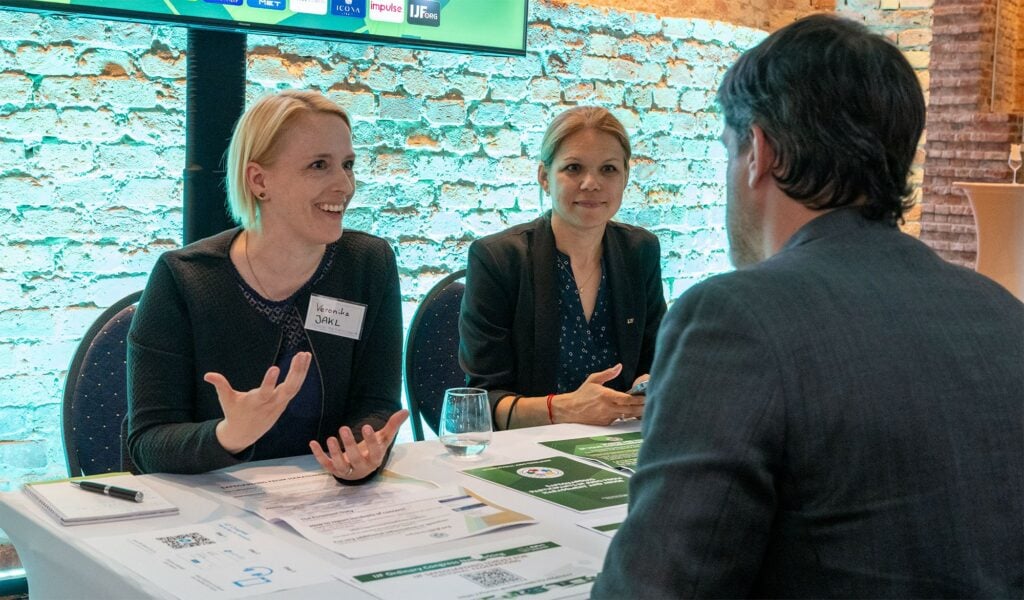
Safeguarding as a Cornerstone of Human Rights in Sport
As an EJU Safeguarding Officer, Jakl emphasises that safeguarding is not simply administrative:
“Safeguarding policies are sometimes viewed just as formal documents. However, their contribution to a broader human rights culture lies in their power to initiate dialogue and action.”
She underlines three core steps required to build a culture that protects every judoka, especially children and vulnerable athletes:
- Open Dialogue – Encouraging honest conversation about safeguarding within clubs and national federations.
- Shared Commitment – Ensuring organisations take the topic seriously and treat safeguarding as integral to their identity.
- Binding Rules – Establishing clear, mandatory procedures that support prevention and enable appropriate consequences when conflict or interpersonal violence arises.
The EJU strengthens these efforts through regular exchange platforms, quarterly safeguarding meetings, and free e-learning courses designed to support federations and clubs. Work continues to ensure that European events provide safe, respectful and consistent environments for all participants.
Action and Accountability: A Message to Europe’s Judo Community
This year’s Human Rights Day theme calls for concrete action. Jakl’s message to coaches, clubs and federations is clear:
“The basis must come from the grassroots in every Judo club. Safeguarding is everyone’s responsibility and a non-negotiable part of coaching and club management. You are responsible for the culture and communication within your dojo.”
She encourages federations to adopt safeguarding policies, supported by EJU templates and guide their clubs in implementing appropriate rules. For clubs, she recommends taking immediate, practical steps:
- Appoint a safeguarding officer
- Hold a meeting involving the executive board, coaches, safeguarding officer and long-standing members
- Discuss openly the potential risks or situations that may lead to unsafe or uncomfortable experiences
And above all, she stresses that clubs and federations are not alone:
“If you need help with any step, feel free to contact us in the Human Rights Commission. We are here to help you.”
Moving Forward Together
Human Rights Day reminds us that judo’s core values, respect, courage, honesty and friendship, carry profound responsibility. The newly formed EJU Human Rights Commission aims to support the entire European judo family in turning these values into daily practice.
By fostering dialogue, strengthening safeguarding structures and empowering clubs and federations, we can ensure that every judoka, regardless of age, gender, ability, or background, trains and thrives in an environment built on dignity and respect. The work begins with each of us, on the tatami and beyond.
Author: EJU Media