





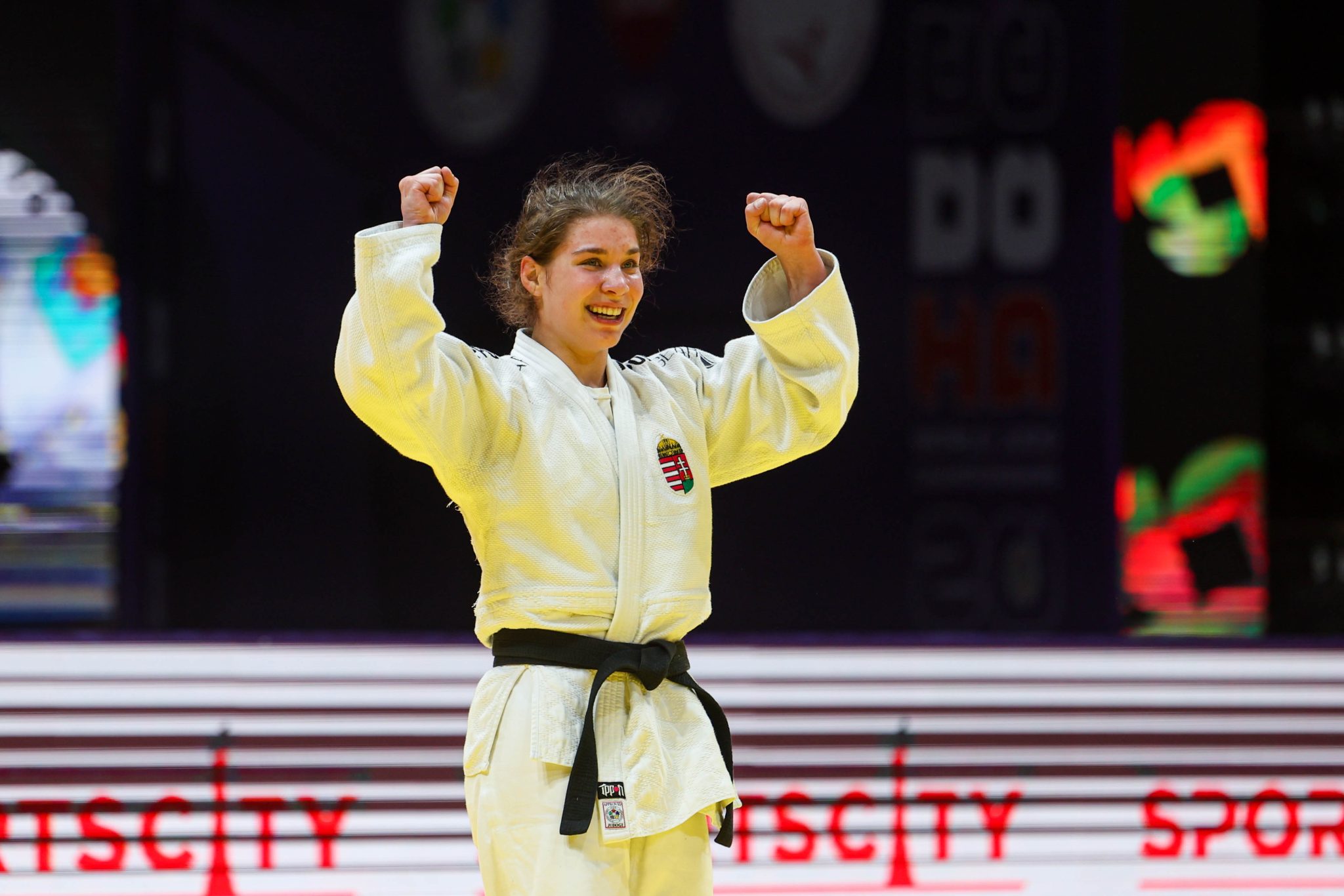
Since moving up from the -63kg to the -70kg category, Hungary’s Szofi Özbas has claimed four Grand Slam golds in her new weight, along with the 2025 European title, her first senior continental crown.

The 24-year-old arrives at the European Championships in Tbilisi, Georgia, from 16-19 April as the defending champion, a role she told the EJU gives her confidence, if she “handles it the right way”.
“I use it well, it definitely gives me confidence. If I don’t, then it becomes a burden. So it really depends on me”.
The EJU caught up with Ozbas on home soil at the Olympic Training Camp in Tata, Hungary, that serves as the final sharpening stone before championships begin. “I’m very happy that this final stage of preparation is here, and that the others came here as well,” she said. “Mentally, that’s what this camp gives me.”
On the physical side, she said that Tata is “similar to other camps”, with no change in approach. She continues to seek out the toughest opponents. “I try to focus not so much on quantity but on quality.”
Training at home, she added, suits her. “I really like being in a calm home environment. Travelling abroad brings its own atmosphere too, but I prefer the calm. I think a big part of my success has always been staying calm. These small things might not make a big difference for others, because ultimately the focus is on judo, but for me it’s important.”
The Paris Grand Slam and defending European champion: “I need to forget all that”
Ozbas last competed at the 2026 Paris Grand Slam in February, where she claimed gold at the prestigious event.
“That was a very special competition,” she said. “I didn’t expect it to feel that special. Probably because of the Olympics, subconsciously, both my body and mind associated it with the Olympic atmosphere, and the competition really delivered that feeling.”
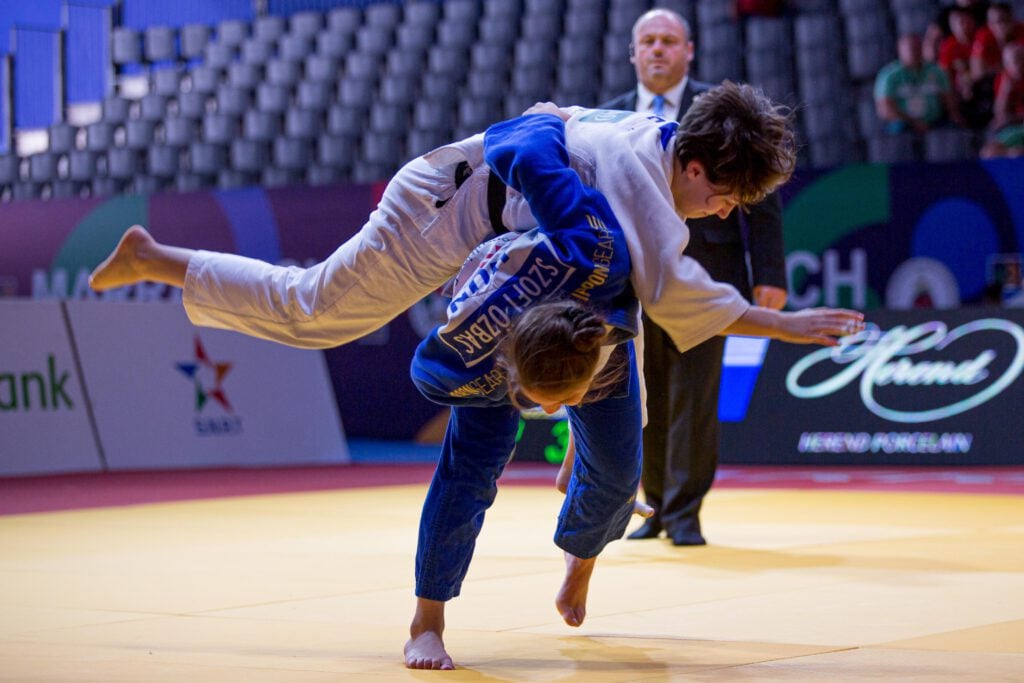
At the most recent Paris 2024 Olympic Games, two-time Olympian Ozbas exited in the second round, losing to eventual -63kg bronze medallist Catherine Beuchemin-Pinard of Canada.
Despite her recent success in Paris, Ozbas believes she actually has to “forget all of that”.
“It’s very hard, because it’s not only negative experiences you need to forget to perform well, but the positive ones too. I know for myself that remembering past success doesn’t help me in the moment. Before or after, yes, it gives me a boost, but if I’m standing on the mat thinking about what happened last year, it won’t help me right then.
“So I try to stay in a kind of vacuum, to rely on my current preparation and to do judo freely. From that kind of light, free judo, anything can happen.”
Spoken like the true queen of calm.
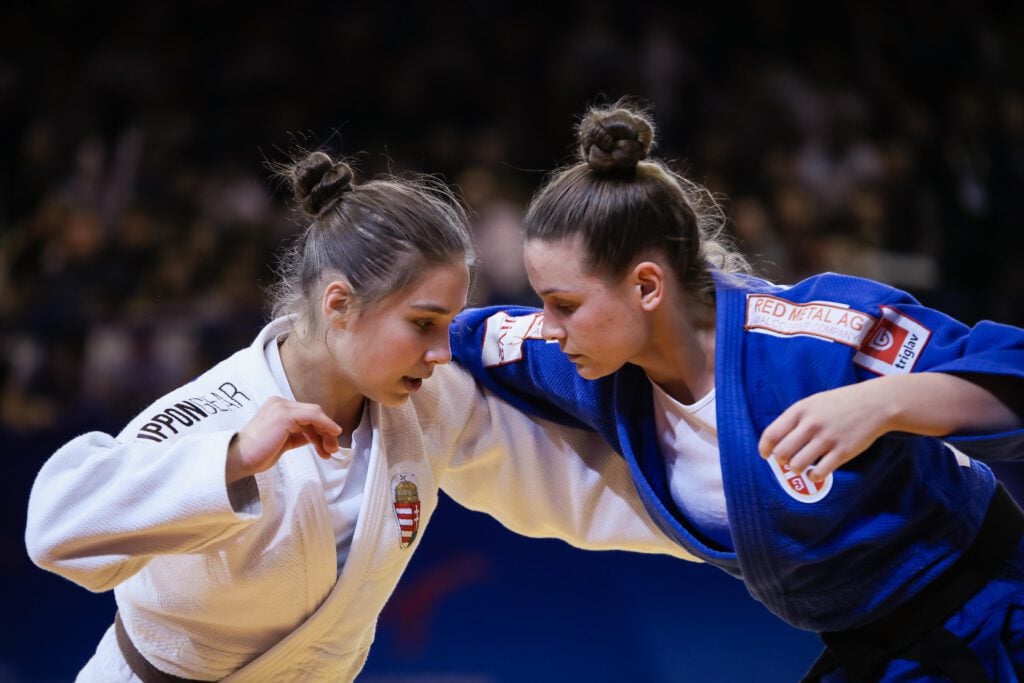
Honesty and respect, two judo qualities embodied
Along with embracing the calm, Ozbas is also refreshingly honest, a quality that keeps her grounded and focused both on the tatami and in life.
Asked what she still wants to refine ahead of the European Championships, she replied candidly, “Honestly, I have no idea. I never do these kinds of analyses myself, and I’m not very good at it, because my emotions and ups and downs can easily mislead me from seeing myself objectively.”
What she can say is that she has done everything she can in training to remain in that “uncomfortable zone”, to push through even when it feels difficult, as well as focus on rest and recovery. Afternoon naps, she said, help a lot.
“I really hope that all these small difficult moments will come together into a complete performance, and somehow turn into a positive feeling.”
Her experience on the European stage also plays a role, too. “It’s not unfamiliar anymore, the bad feelings, the ups and downs, even crying, and then finally feeling good at the competition. I trust it will be enough.”
Letting go of past results, both good and bad, is just part of a broader strategy and philosophy she embodies: staying present, and treating everyone with respect regardless of outcomes.
“What matters more to me is what’s happening now, how we behave with each other, how we support our teammates, how we help each other prepare. These things aren’t based on results at all, and that’s what I consider important. Whenever I train or interact with someone, this is very important to me, not judging people based on results.”
Looking ahead to Tbilisi, Ozbas was clear on what success means to her.
“Success for me would mean that whatever happens in this competition, I can accept it fully, without doubts or second thoughts about myself. No questioning myself afterwards.
“No matter what happens, regardless of medals or results, what matters is that my intention and my strength in each match are clear and honest to me. I don’t want to question myself there. I hope I can give everything I have and finish with a good competition.”
Judoka
Author: Grace Goulding