





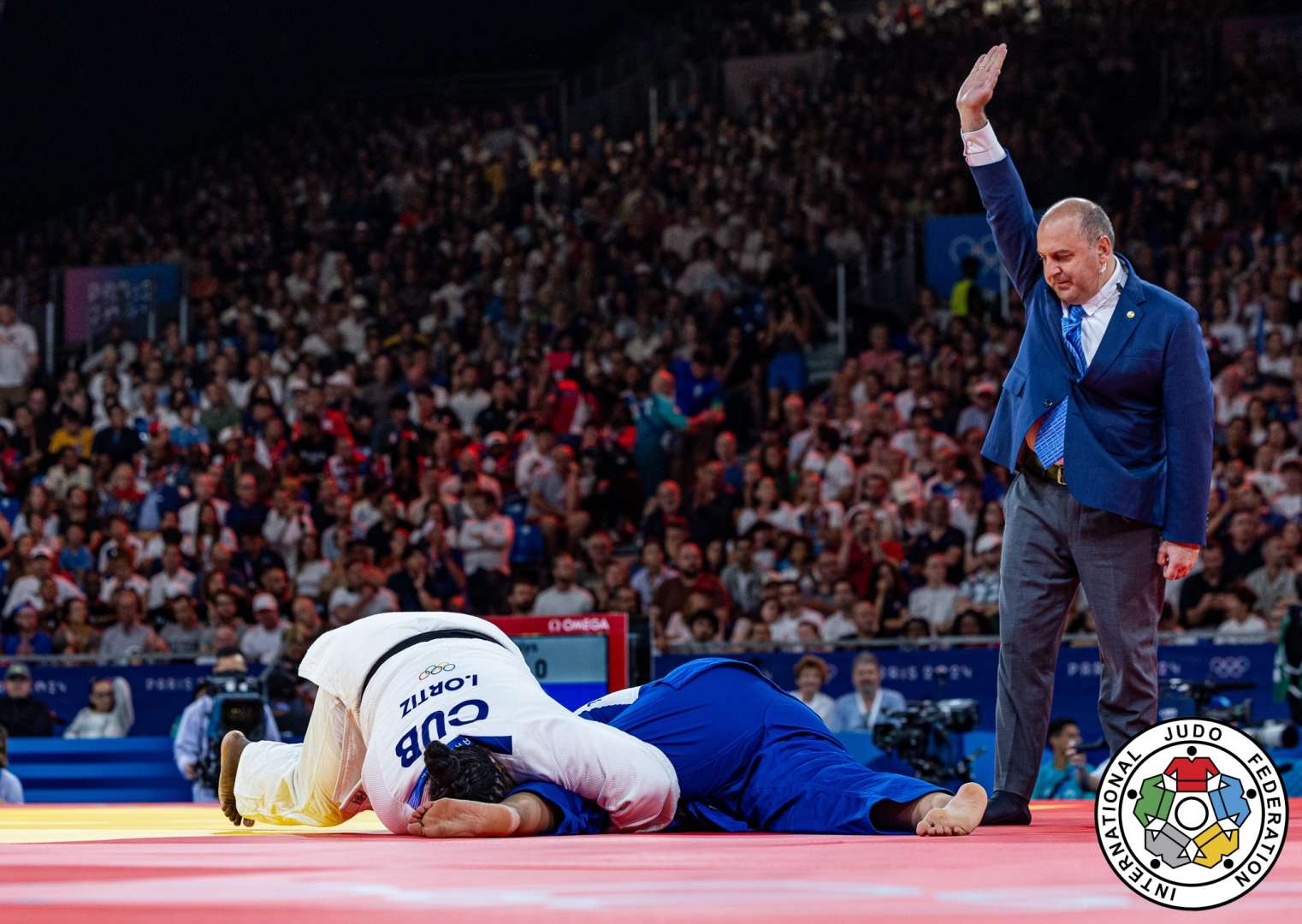
“It would have been hard to imagine me ending up anywhere outside of sport, my father worked in the government’s sports department and was always determined to keep me moving. By the age of six, I had already tried gymnastics, swimming, and tennis. Ironically, it was tennis that led me to judo, though not in the most graceful way”, Vladimer Nutsubidze, Olympic Referee, EJU Referee Commissioner, and IJF Referee Supervisor, begins to share his story in his most recent interview with us.

He continues, “I once lost a tennis match 6:0, 6:0 to an older player and my pride didn’t take it well. Embarrassed and frustrated, I walked over and pushed my opponent to the ground, and the next day, all my sports were replaced by judo. That’s when it began.”
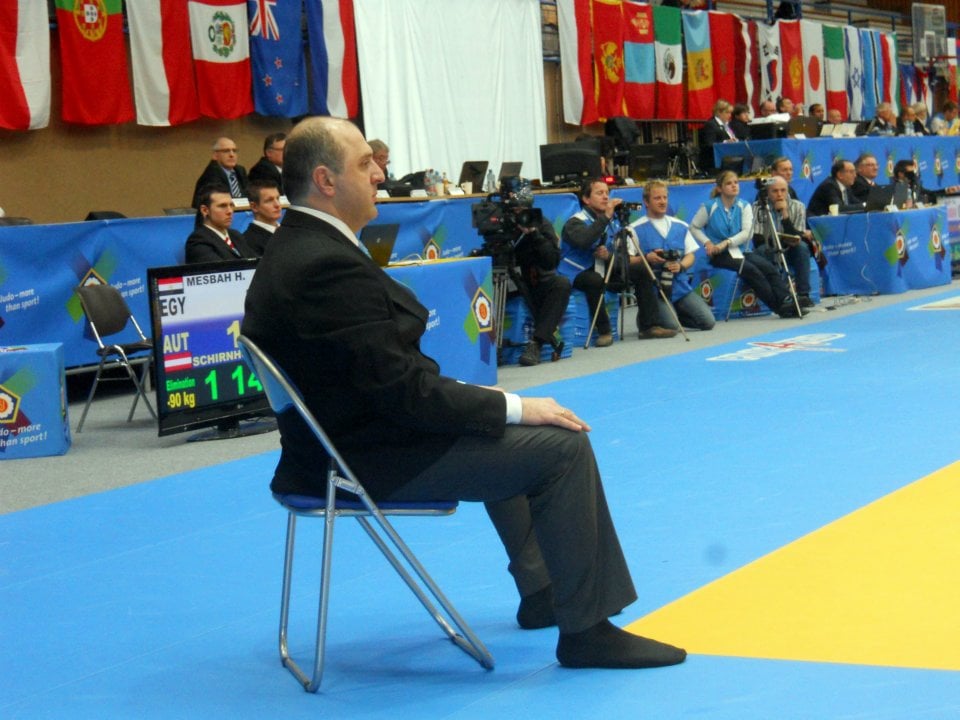
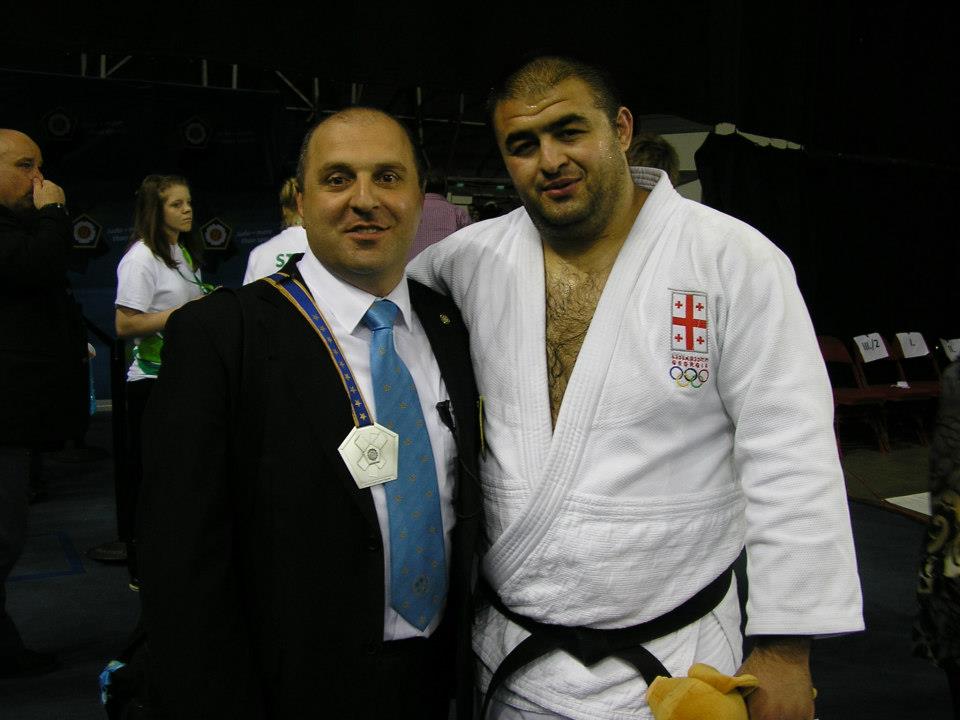
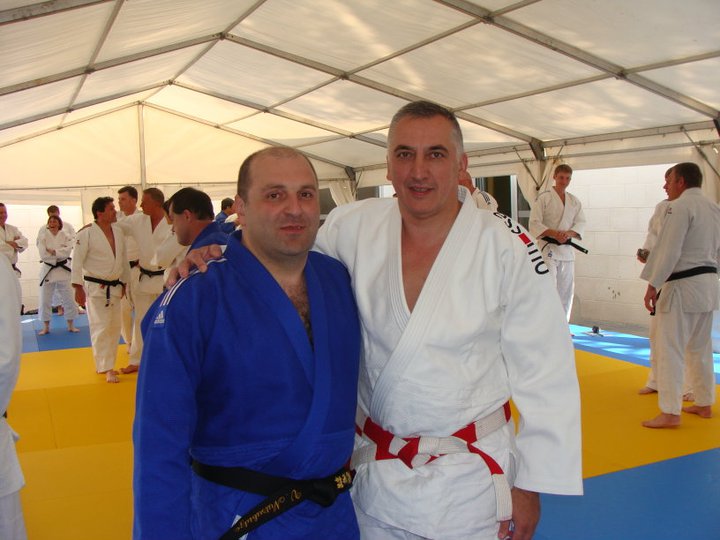
Nutsubidze spent his early days of training in Tbilisi. “Those formative years were full of bruises, lessons, and local victories. I was never without a medal at regional or USSR youth tournaments.”
As he was enjoying the glow of success, an apparent injustice struck, leaving the Georgian referee with plenty to process. “Unfortunately, during one of the competitions in Tbilisi, I suffered a serious injury that left me walking with a cane for two years. Though that ended my competitive career, it opened a new door, refereeing. There were moments during my competitive years when refereeing felt unfair, I remember thinking, ‘one day, I will stand where they stand and change this, so no athlete ever feels that injustice again.’ So I did.“
Still, trading the judogi for a suit was no walk in the park.
“My move into refereeing came thanks to the encouragement of the first generation of Georgian judoka, particularly Olympic referee Anzor Kibrotsashvili, who saw something in me and pushed me to take that leap. It wasn’t the easiest choice at the time. In Georgia, during the 1990s, refereeing was a dangerous occupation, disagreements on the mat sometimes continued off it, and not always with words but I stayed, learned, and grew. My background as a judoka helped me immensely, it taught me to feel the rhythm of a fight, to understand when a move is born from control or desperation and to remain composed when emotions are high. Refereeing is not only about seeing with your eyes; it’s about sensing intent.”
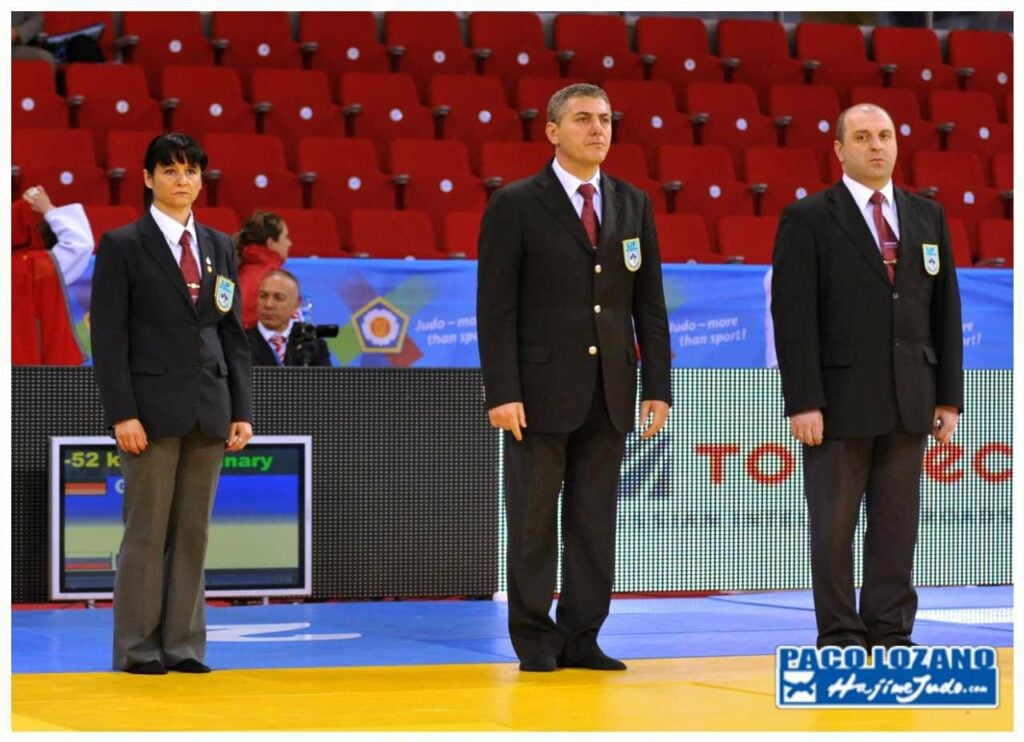
Though it took some time, Nutsubidze did find his new family. “Over time, what I have found most rewarding is the trust and respect shared within our referee family. We are united by fairness and precision, and we have come a long way from the days when rule interpretations differed from continent to continent. Today, we speak one judo language.”
Drawing on over a decade of experience, he offers deep and meaningful insights into what defines a great referee: “Uncompromising integrity,. The courage to see and call every detail exactly as it is, no matter who stands on the tatami or what titles they hold.“
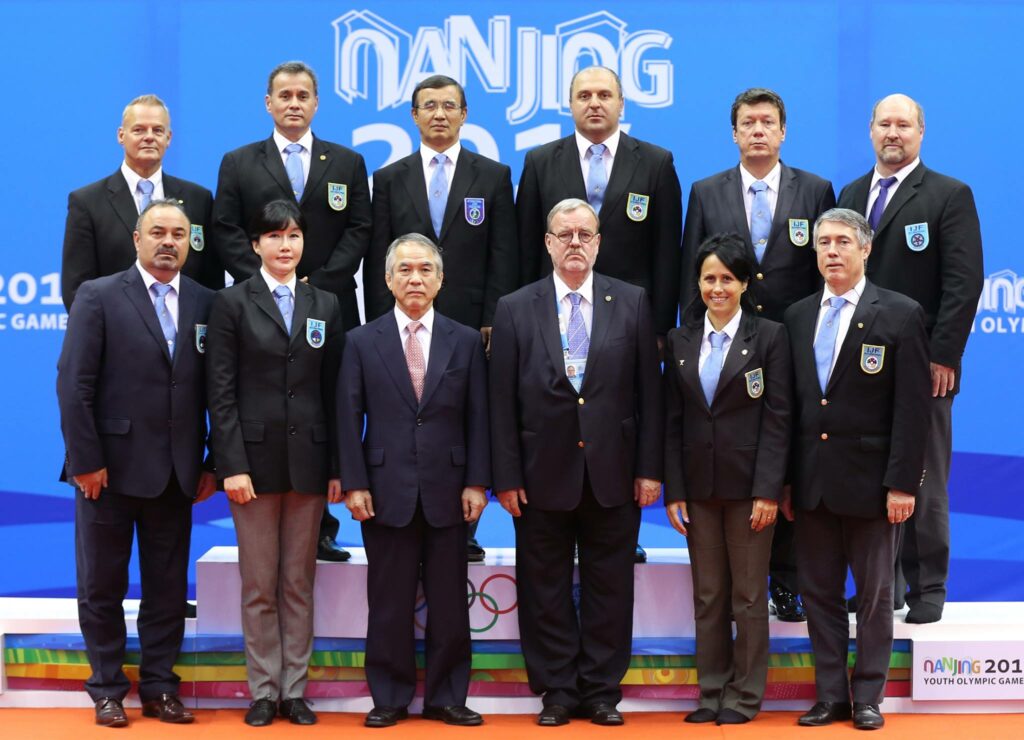
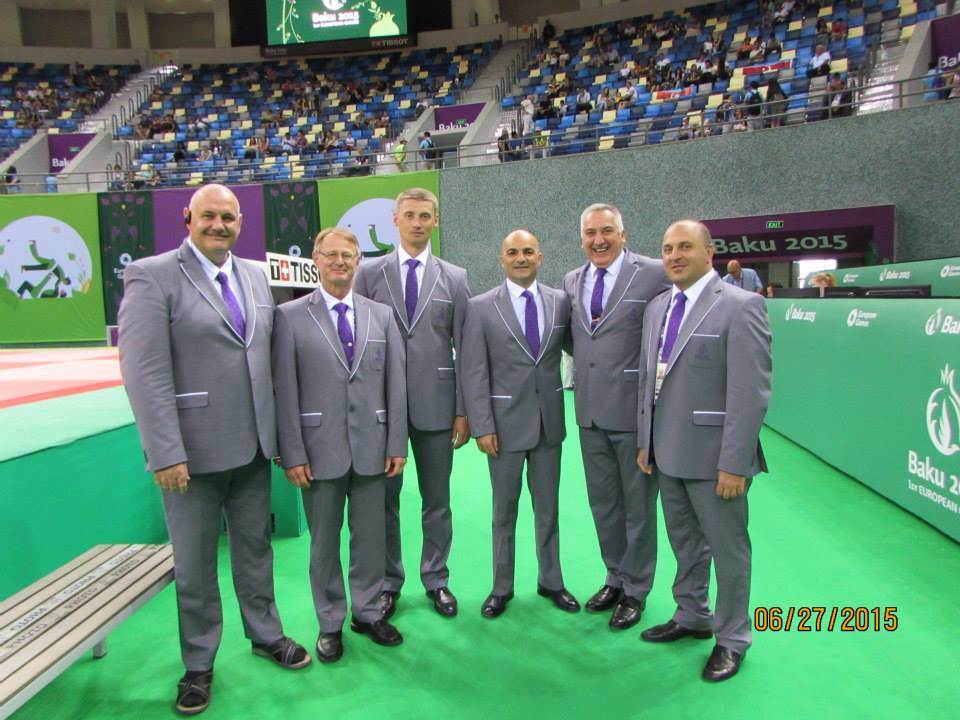
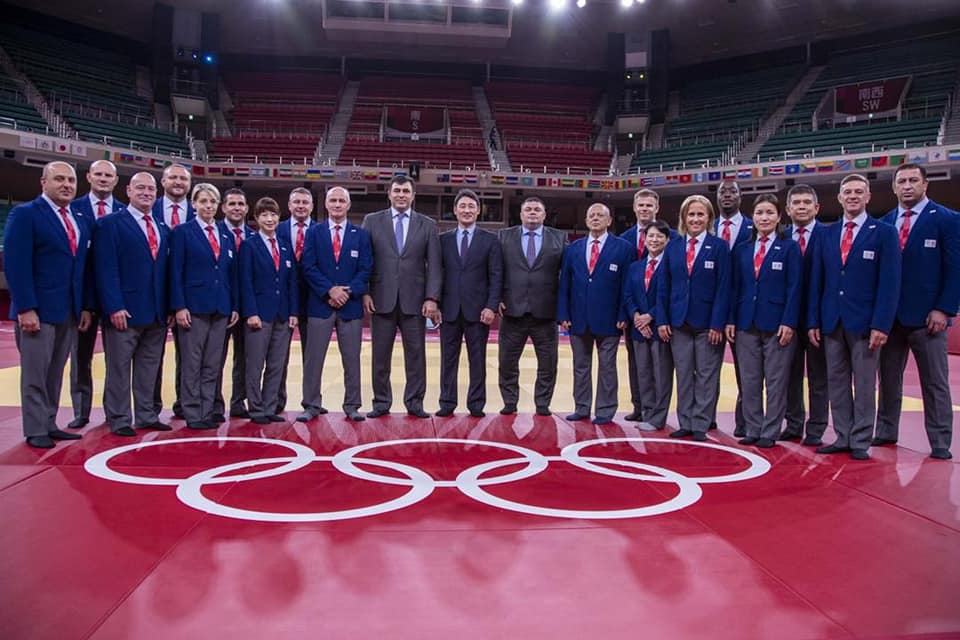
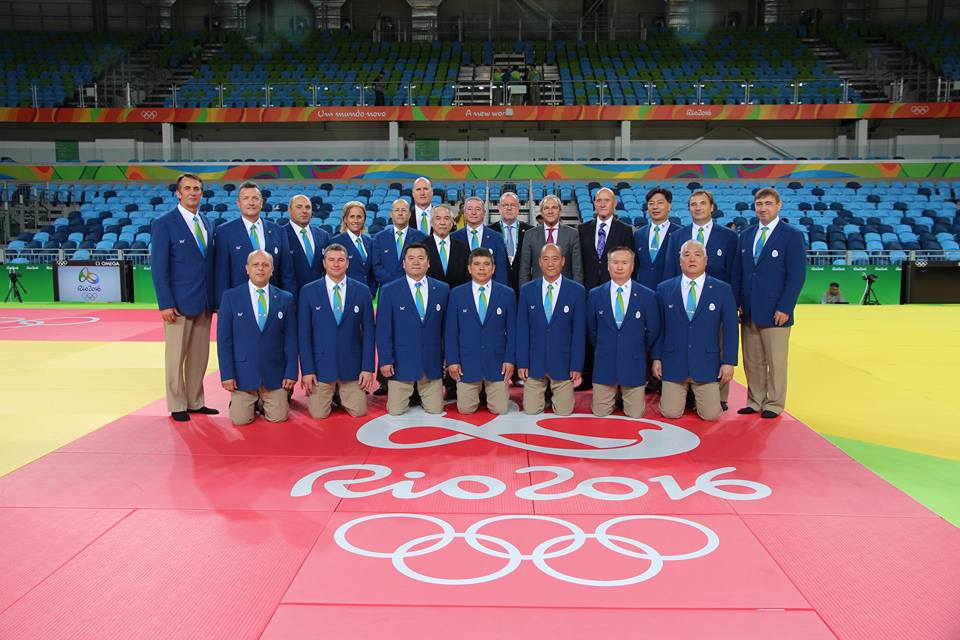
Nutsubidze’s commitment to his provisioned journey has rewarded him many times over, and just two weeks ago, a single call that offered him to become IJF Referee Supervisor, captured two words: trust and gratitude.
“When I received the proposal from the IJF Referee Director, I felt two strong emotions. First, a deep sense of trust, realising that I was being asked to supervise the very colleagues I had stood alongside just a year earlier. And second, genuine gratitude toward the European Judo Union, it’s leadership team and the President, Dr. Tóth László, who had given me the opportunity to gain solid practical experience in a similar continental role over the past year.”
New Position. One Word. Responsibility.
“For me, one of the biggest challenges was the shift in responsibility. As a referee, you are accountable only for your own decisions but as a supervisor, you carry responsibility for the decisions made by the referees on the tatami. The level of accountability grows tremendously, and so does the pressure.
“Beyond ensuring fair outcomes in each contest, a supervisor also has an educational duty: to correct referees when necessary but also to explain why a decision was wrong and how to avoid repeating the same mistake in the future. It is not just about evaluation; it’s about guidance, dialogue, and development.”
Before parting ways, he offered one simple piece of advice to young referees.
“If you see refereeing as your life’s highest achievement and you are willing to dedicate yourself fully to mastering and refining it, then nothing is impossible. I often remind them of my own path: if I managed to be nominated for three Olympic Games in a row, then truly, anyone can. What matters is perseverance, discipline, and love for judo. If I could do it, so can you.”
Cover Image: IJF / Gabriela Sabau
Author: Szandra Szogedi