





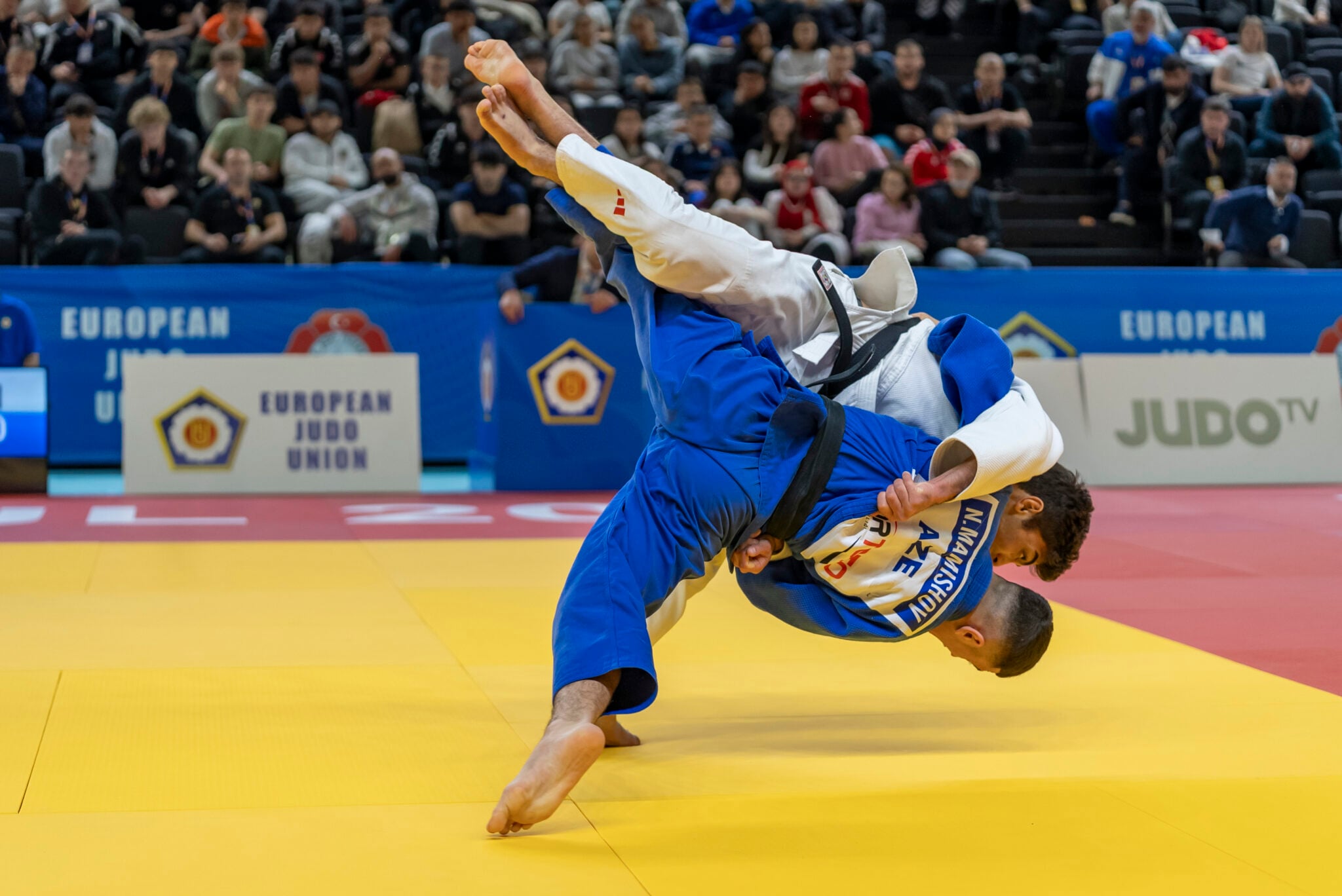
There is something about junior events that feels different the moment you step into the hall. The noise is a little sharper, the emotions closer to the surface, the ambition almost tangible. In Istanbul, from 2–3 May, that feeling never left.

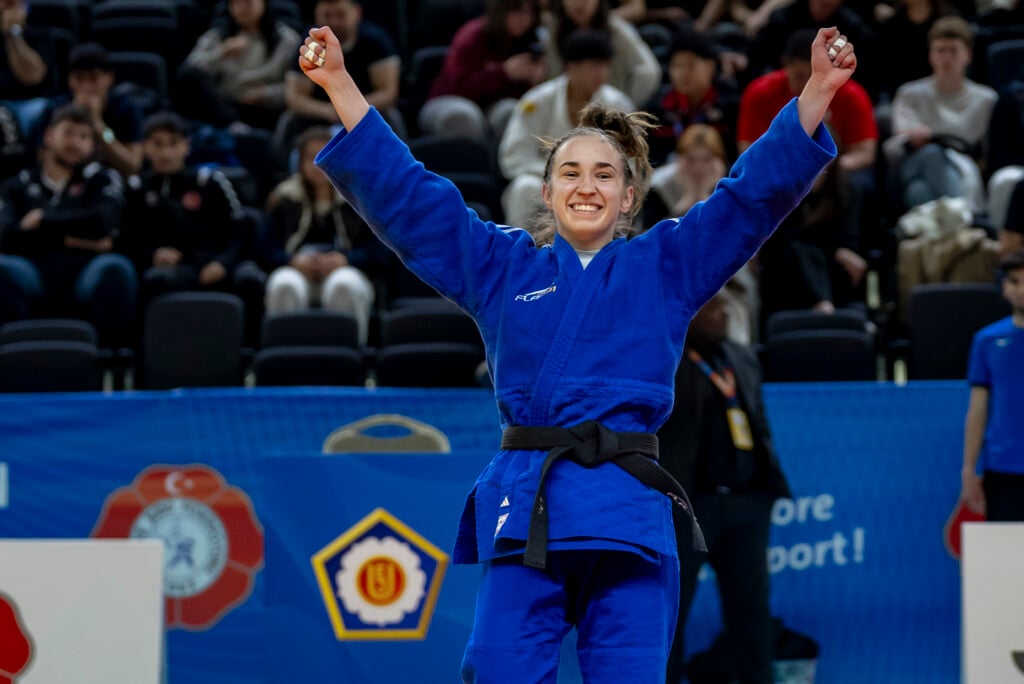
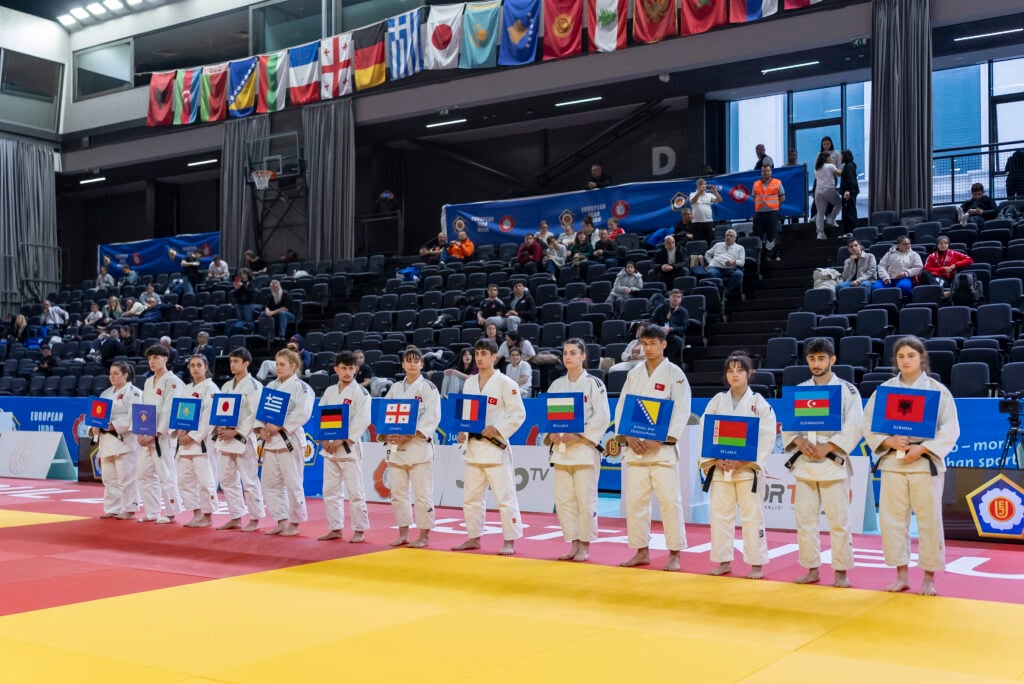
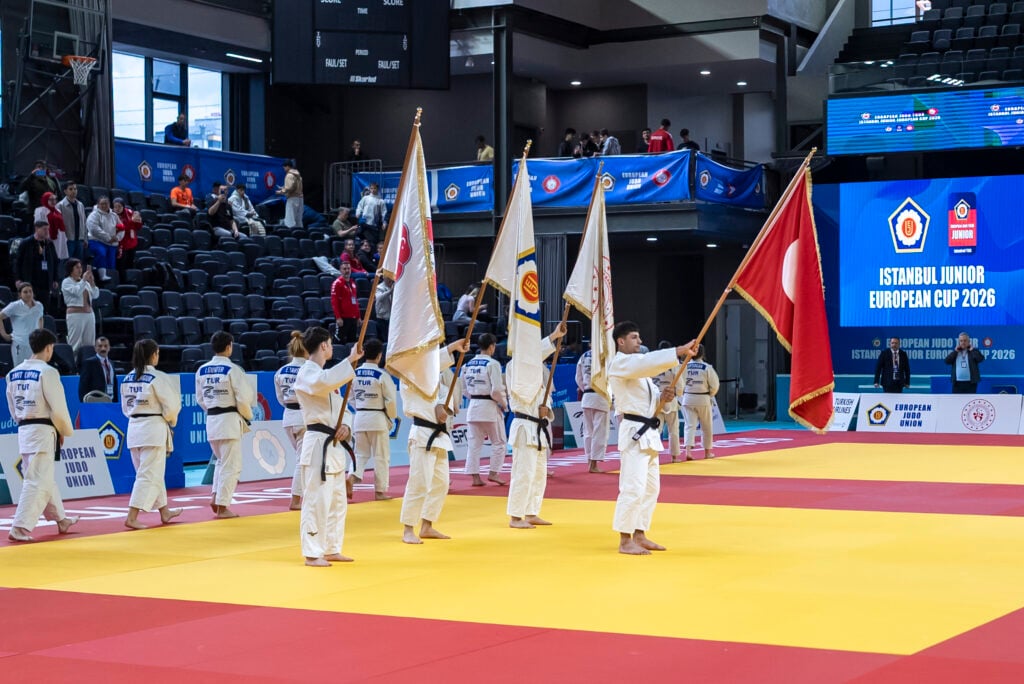
The Istanbul Junior European Cup 2026 brought together 502 judoka from 27 countries but beyond the numbers, it was a gathering of stories in progress. For many, this was not just another competition. It was a step forward, a test, a moment to prove something, to themselves as much as to anyone watching.
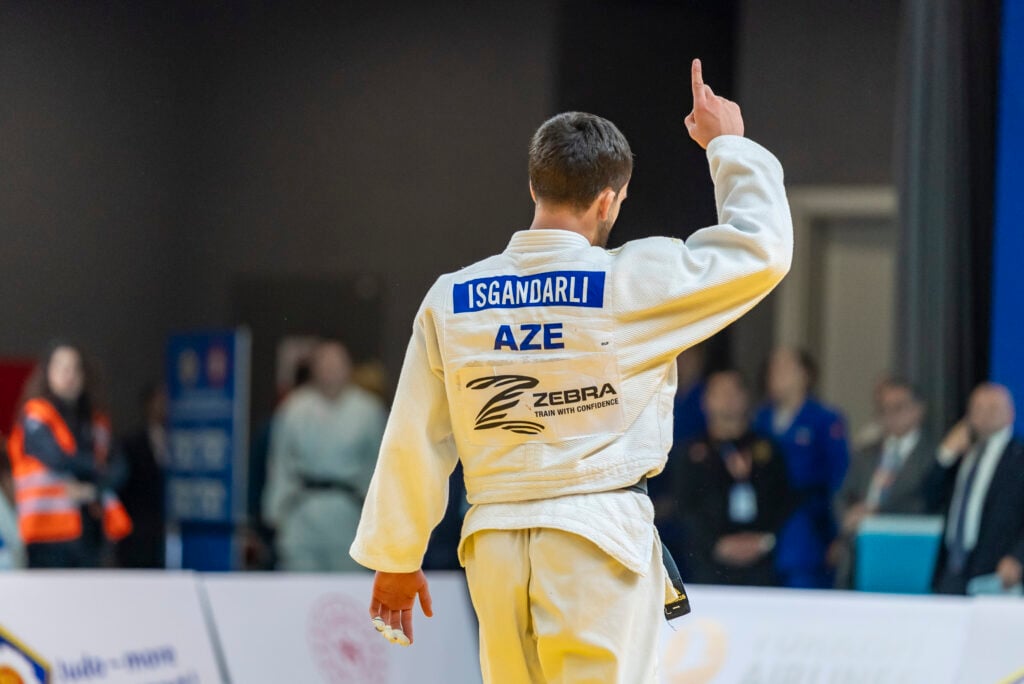
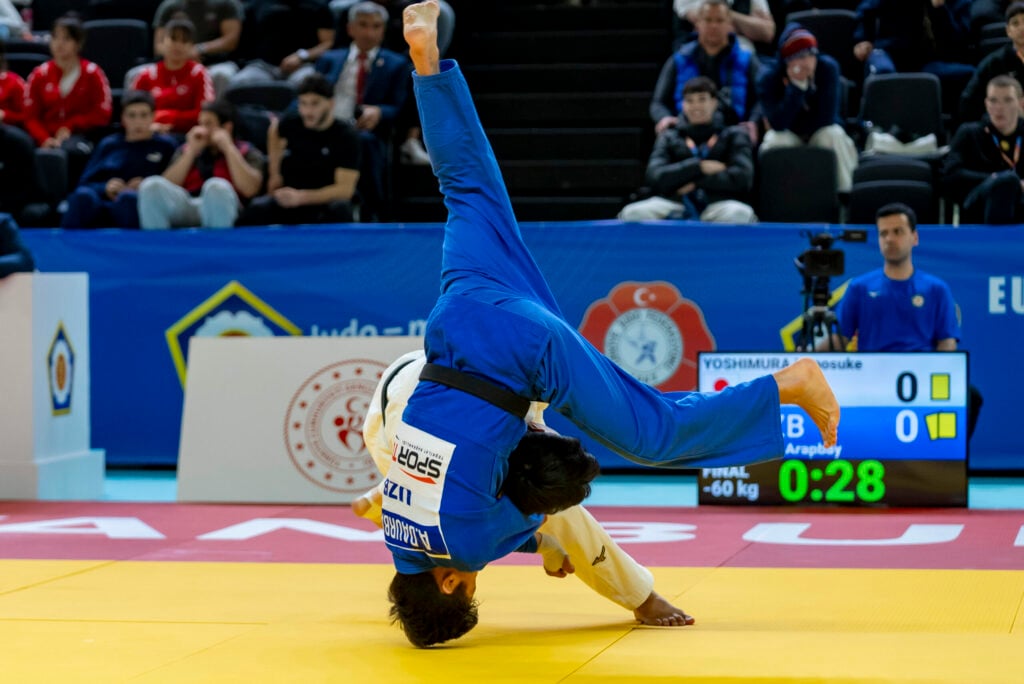
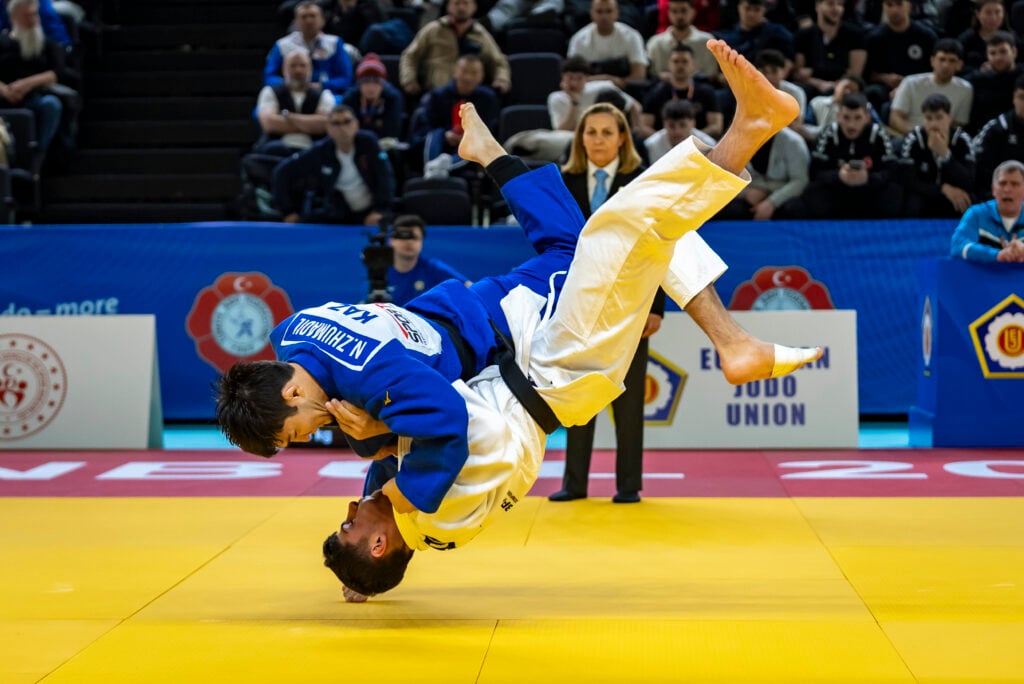
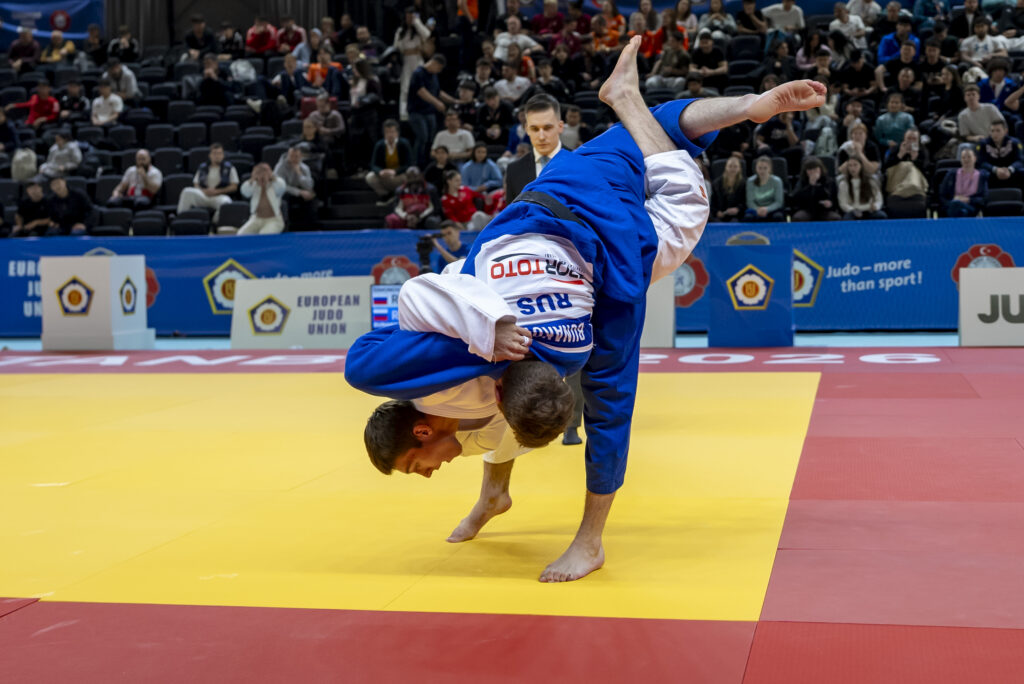
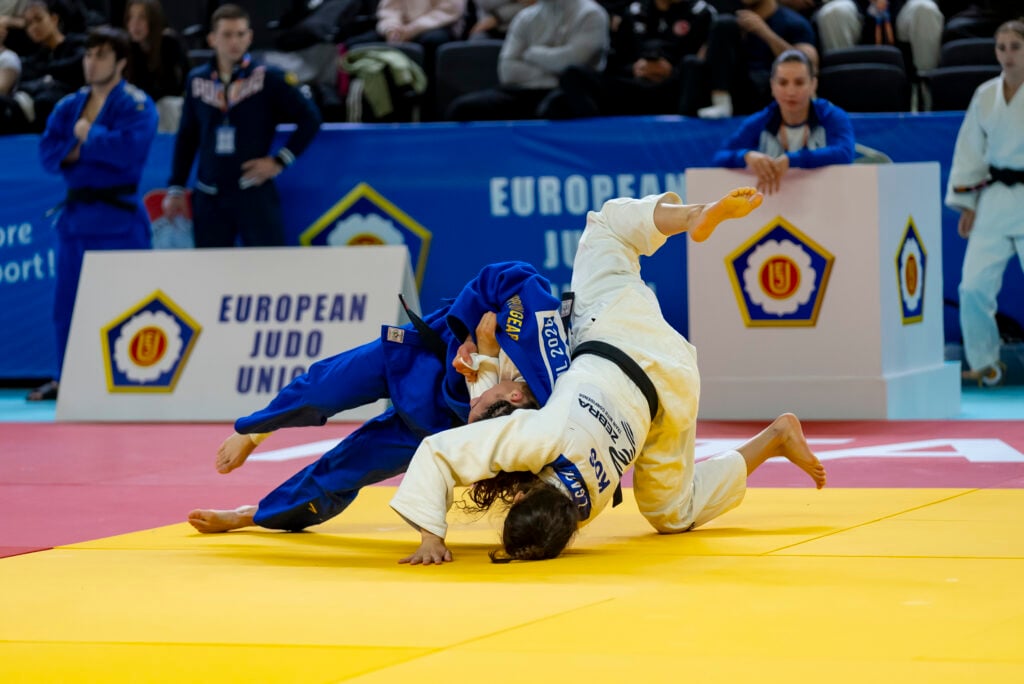
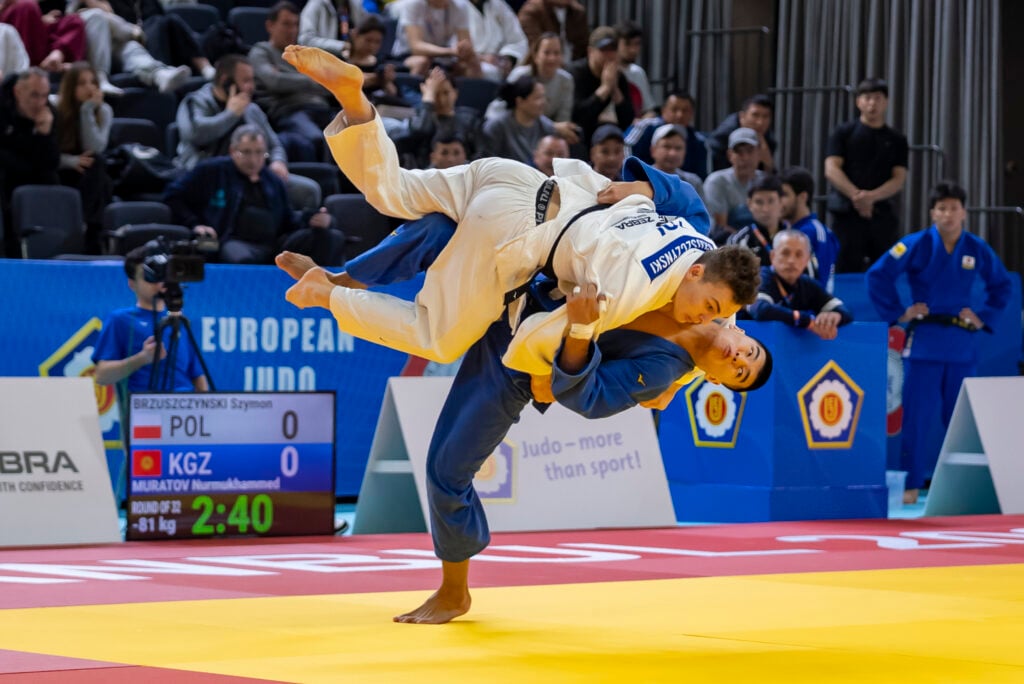
Across two days, the pace rarely dropped. The fights came quickly, often fiercely contested, with little hesitation. You could see it in the way athletes attacked, committed, sometimes raw but always honest. This is what makes junior judo so compelling: the balance between developing technique and fearless intent.
In the stands, the atmosphere reflected it all. Teammates leaning forward with every exchange, coaches calling instructions that cut through the noise, families and supporters reacting to every score. It felt alive. It felt important, and it is important. Events like this quietly shape the next chapter of European judo.
Learning in Silver – Nisanur Serin’s Story
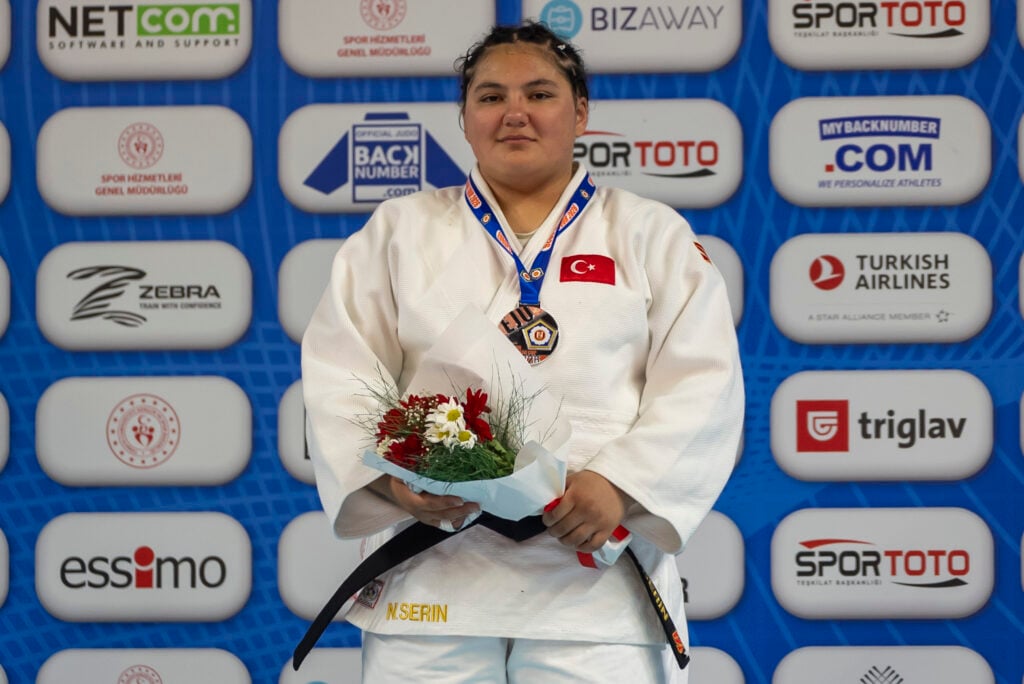
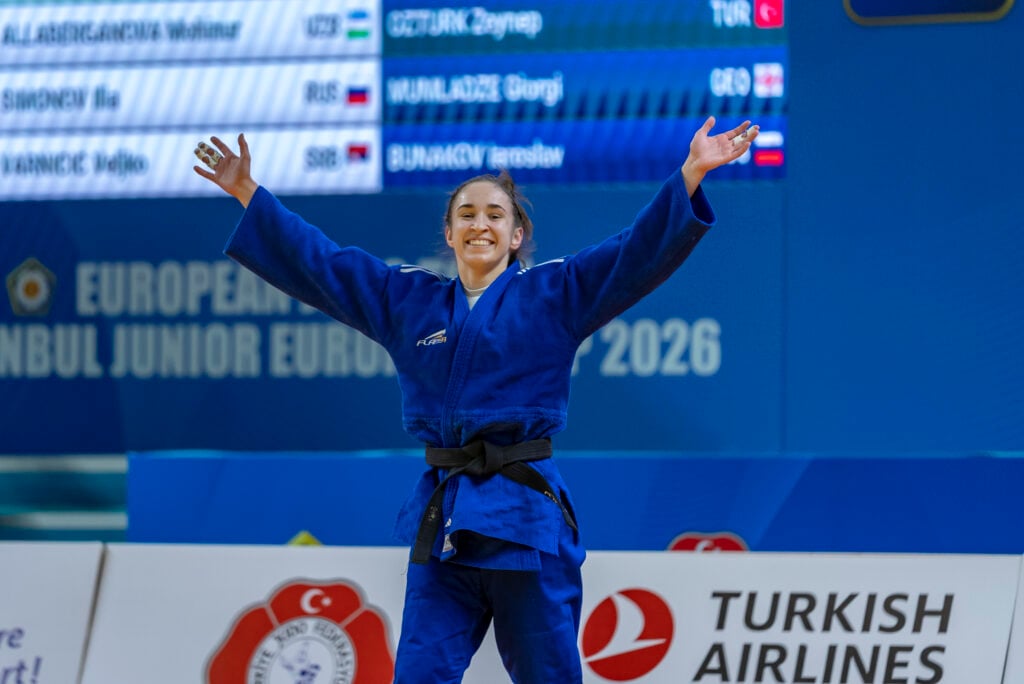
For Türkiye’s Nisanur Serin, the +78 kg category ended with a silver medal but her takeaway went far beyond the podium.
“Representing my country on the tatami and winning a medal is a great source of pride for me,” she said, still carrying the weight of the moment. “Seeing our flag on the medal podium is a feeling that is truly hard to describe. In that moment, I feel that all the effort I have put in has paid off.”
There was pride, certainly but also perspective.
Her toughest moment came in the final, a contest that didn’t unfold the way she had imagined.
“I couldn’t fully perform the way I wanted,” she admitted. “I wasn’t able to control the match as I had planned but this became an important experience for me.”
It’s a familiar theme at this level, success and frustration existing side by side. For Serin, the loss was not an endpoint but a lesson.
“I learn something from every fight. The final helped me see my weaknesses and understand what I need to focus on more in my future training.”
That ability to reflect, to take something forward even in defeat, is often what separates those who stay at this level from those who move beyond it.
Between Pressure and Focus
Step onto the tatami at a European Cup and the outside world narrows quickly. The expectations are there, the doubts too but how you handle them makes all the difference.
“When I stepped onto the tatami, my only goal was to win,” Serin explained. “Of course, I felt stress and excitement. Before every match, there were moments when I thought, ‘What if I lose?’”
It’s a thought every athlete knows, even if few admit it so openly.
“But I tried not to let those feelings affect me,” she continued. “As I focused on the fight, I pushed those thoughts out of my mind. During my time on the tatami, I focused only on the fight, my opponent, and what I needed to do to win. That made me feel stronger.”
There, in that shift, from doubt to focus, is where performances are shaped.
More Than a Competition
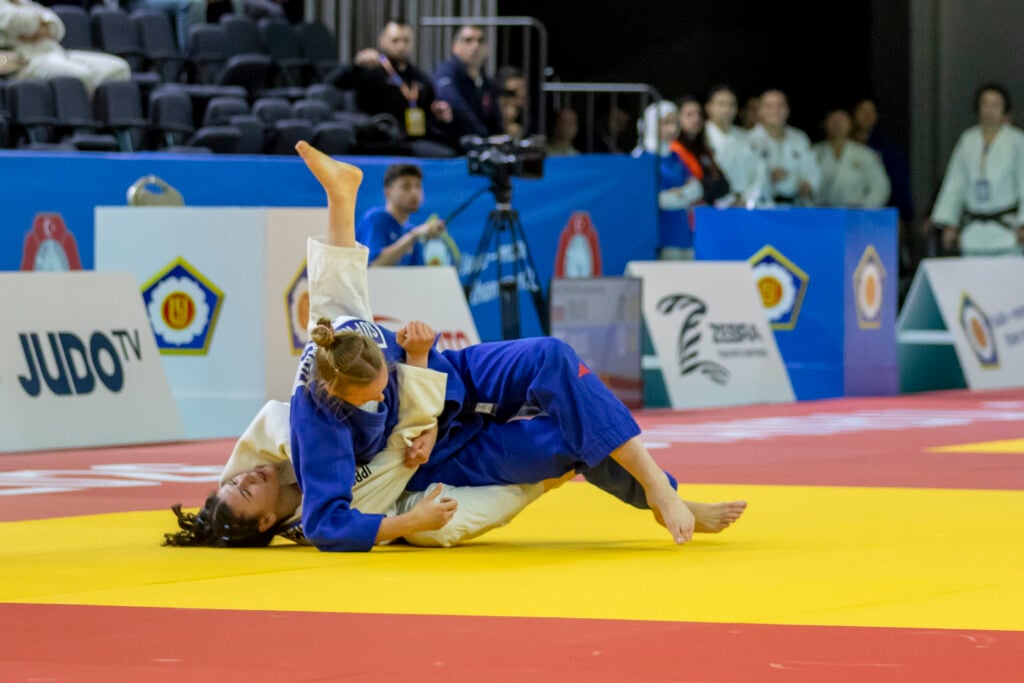
As the final medals were awarded and the hall began to quiet, there was no real sense of an ending. Not here. Not for these athletes, as for most, the journey continued almost immediately, with the Istanbul EJU Junior Training Camp beginning the very next day. Three more days on the tatami, this time without medals at stake but with just as much to gain. That is the rhythm of junior judo. Compete, learn, adjust, repeat.
The Istanbul Junior European Cup was more than a successful event. It was a snapshot of potential, of athletes finding their level, testing their limits, and, in many cases, realising that they are closer than they thought.
If the intensity, honesty and hunger shown over these two days are anything to go by, European judo’s future is not just secure, it is already taking shape.
Author: Ugur Catalkaya
Author: EJU Media