





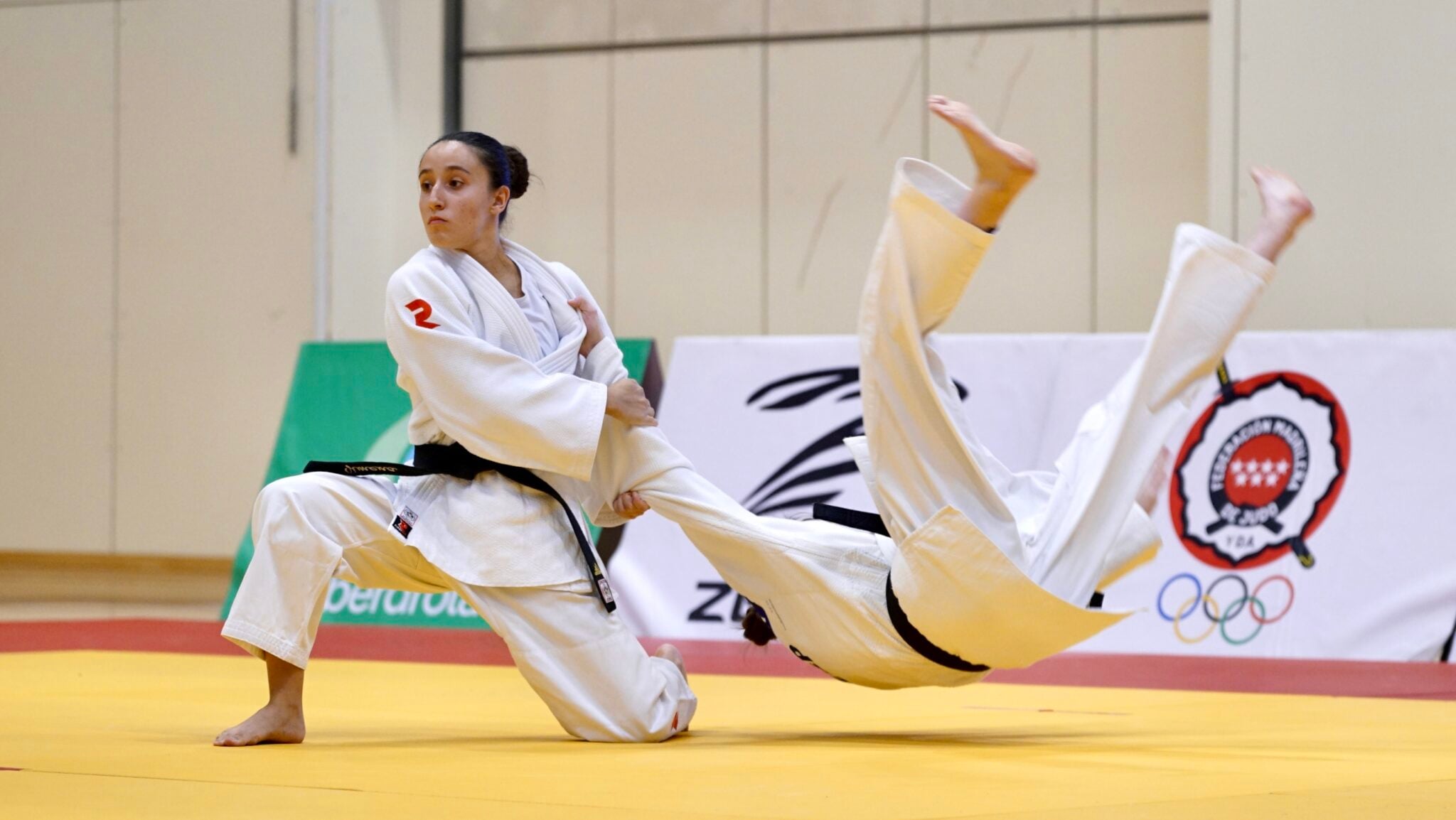
The Madrid Kata Tournament 2025 concluded in Spain with a weekend of high-level kata performances, bringing together some of Europe’s and the world’s most promising pairs. Italy and Spain emerged as the dominant nations, while Canada, Germany, and others also celebrated strong podium finishes.

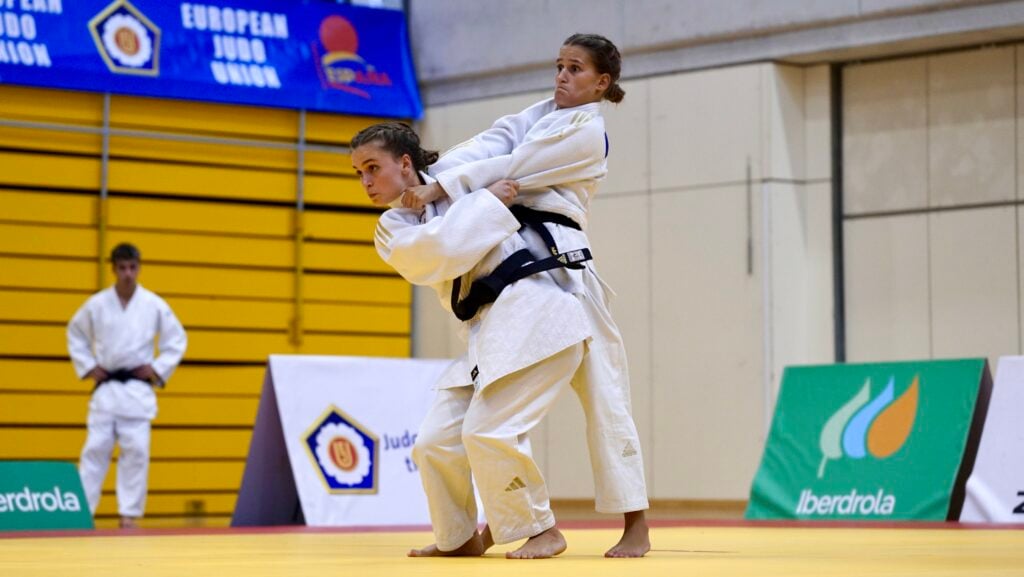
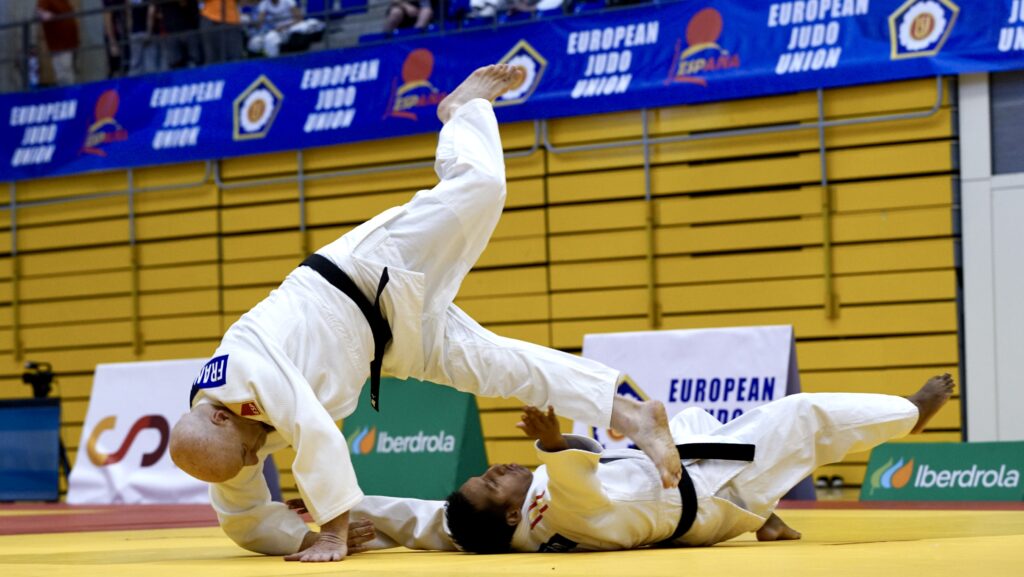
Italy reaffirmed its status as a kata powerhouse, capturing four gold medals along with several podium places across categories. From the classical forms of Nage no Kata to the precision of Kime no Kata, Italian pairs delivered consistent excellence. Here are some of the highlights:
- Collini & Rondinini (ITA) stole the show in Nage no Kata, scoring an impressive 401 points in the final.
- Tarabelli siblings, Giovanni & Angelica (ITA) were sublime in Ju no Kata, earning gold with 398.5 points.
- Tommasi & Ferretti (ITA) reached the pinnacle in Kime no Kata, edging out Spain by just a few points.
- Obrador Mas & Marcos Rodriguez (ESP) led a full-Spanish podium sweep in Goshin Jutsu, with 529.5 points.
- Sanchez Resino & Fernandez Martinez (ESP) topped the Ju no Kata Junior ranking with 360 points, underlining Spain’s growing youth development.
- Rooney & Hu (CAN) were the strongest in Katame no Kata, delivering an excellent final with 384.5 points.
- In the junior division, Mainville & Warolin (CAN) secured victory in Nage no Kata Junior, showcasing Canada’s rising kata stars.
- Slovenia celebrated junior success with the Kojc siblings (SLO) taking Katame no Kata Junior gold.
Raul Camacho, EJU Kata Commissioner shared his view on the event:
“The third edition of the EJU Kata Tournament in Madrid has been a resounding success. With a record attendance of nearly 90 participating pairs from 18 countries across three continents, the event has firmly established itself as one of the benchmark competitions on the European kata circuit. We were also honoured by the presence and collaboration of a large number of international judges, including several ranked among the very best in the EJU. Their expertise ensured reliable results, absolute neutrality, and full transparency in the evaluation of the judoka’s demonstrations. The organisation sincerely thanks the EJU and its President, Dr. Tóth László, for the trust and support received, and looks forward to continuing this collaboration in the future.
“For me, it is crucial to have the top EJU judges here, this, in my opinion, is one of the key factors in the success of the event. We are truly grateful to them for their hard work. Of course, there are always areas for improvement, and we are committed to working on them for future editions.
“As for women’s participation, it is increasing year by year. We see more and more female and mixed pairs in each tournament, across different kata. This shows we are clearly moving in the right direction.”
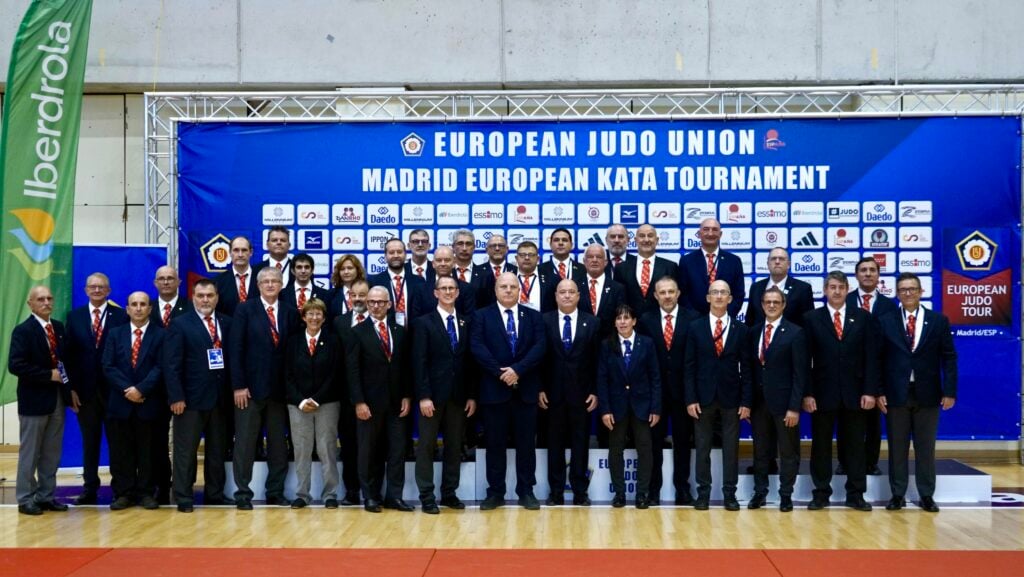
The Netherlands, Germany, Romania, and Austria also joined the medal table, reflecting the tournament’s broad competitive base. In total, 21 nations reached the podium, proving the international growth of kata. The balance of youth performances and senior precision created a dynamic tournament that highlighted kata’s artistry and technical depth.
The programme also featured adapted judo kata demonstrations, alongside a judges’ seminar where new members could learn and obtain their certification
Results
Images: Sergio Caballero Saiz
Author: EJU Media