





Author: Ewa Kempka

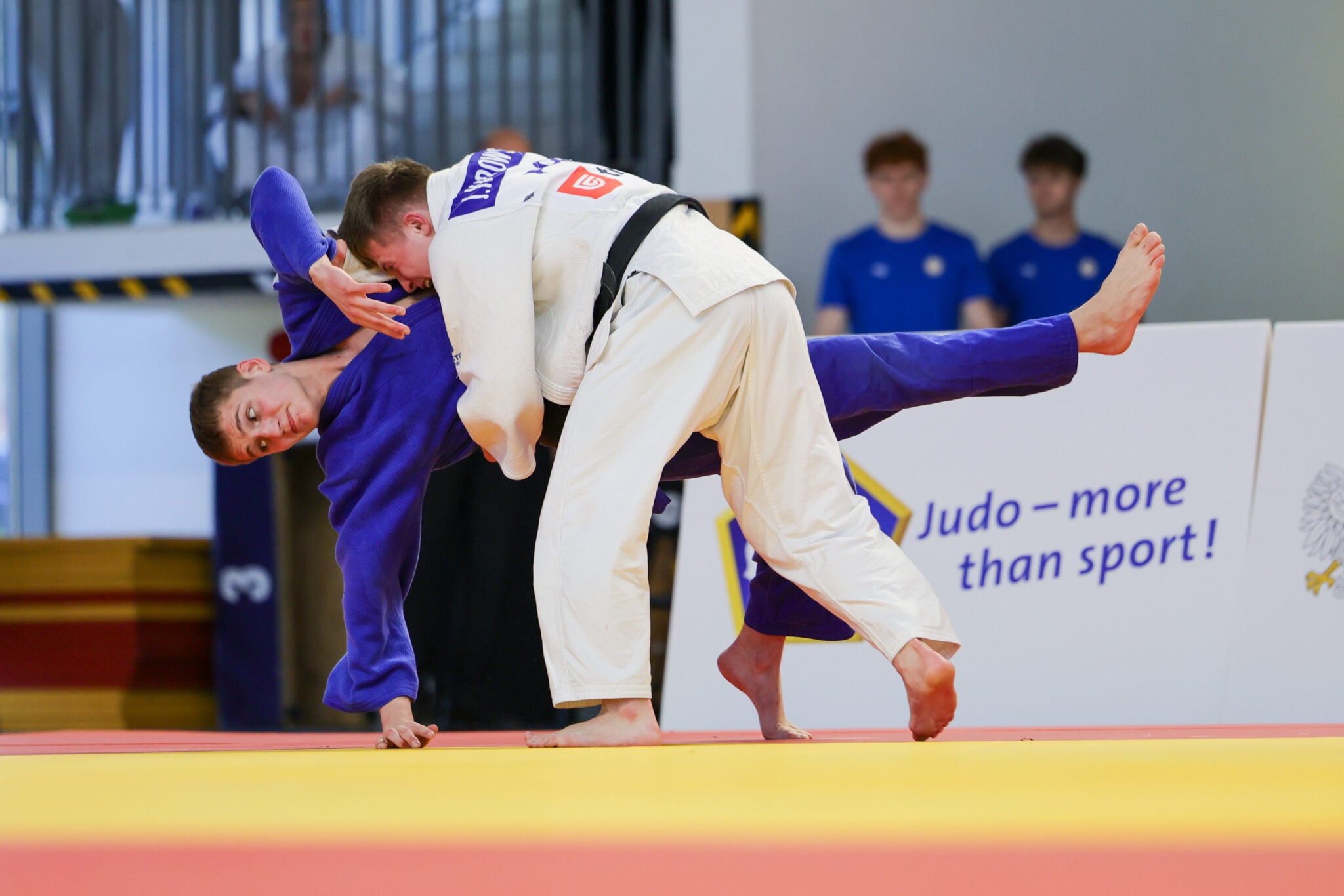
Poland set the tone from the very first contests at the Poznań European Junior Cup 2026, delivering a statement performance on home soil and leaving little doubt about their ambitions. Backed by a vocal crowd, the host nation surged to the top of the standings with six gold medals, one silver and three bronze, asserting control across the majority of weight categories on day one.
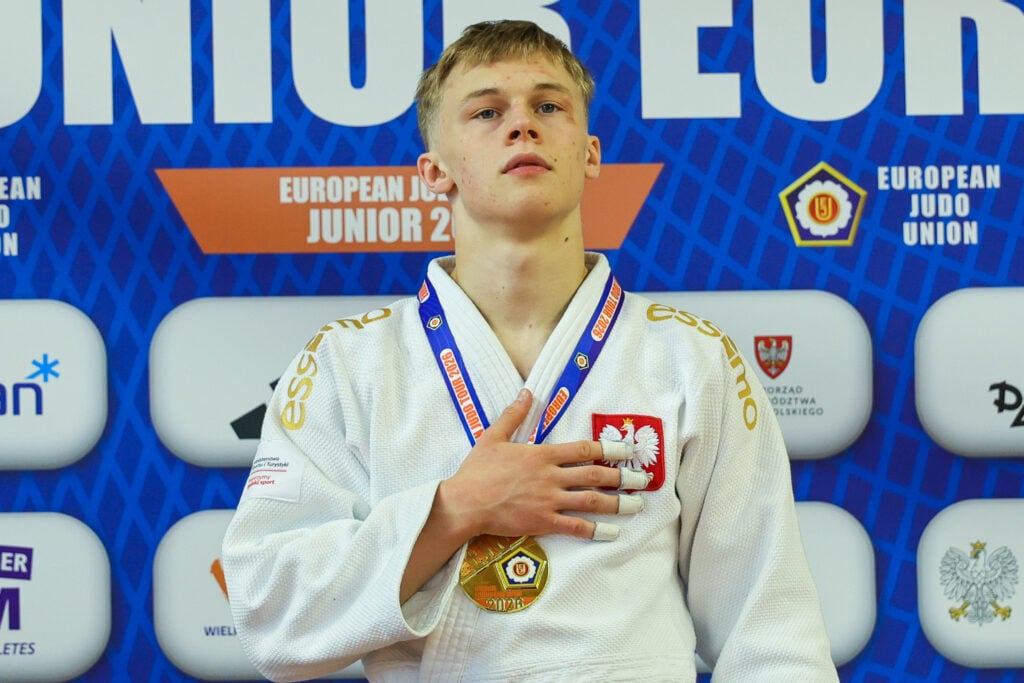
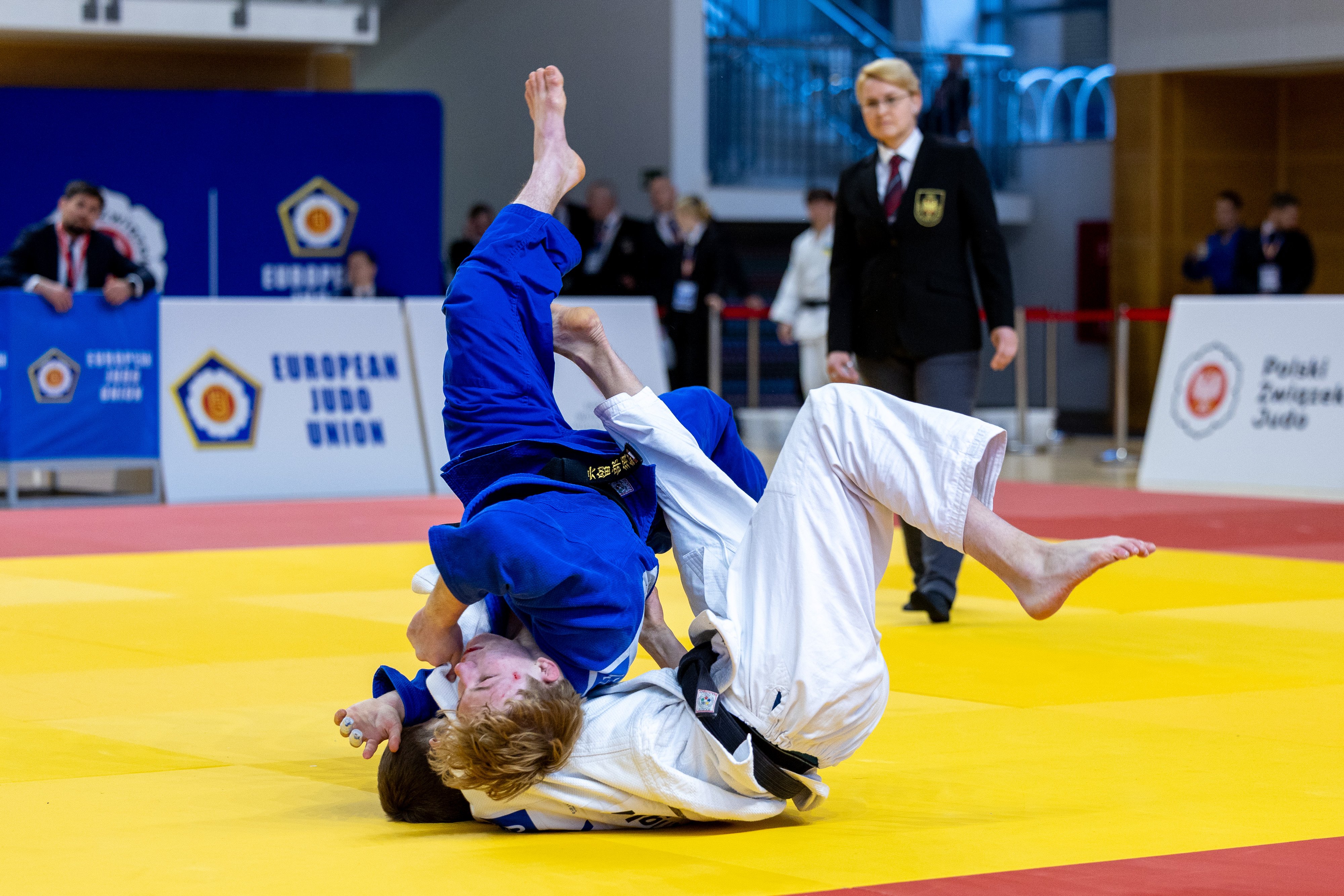
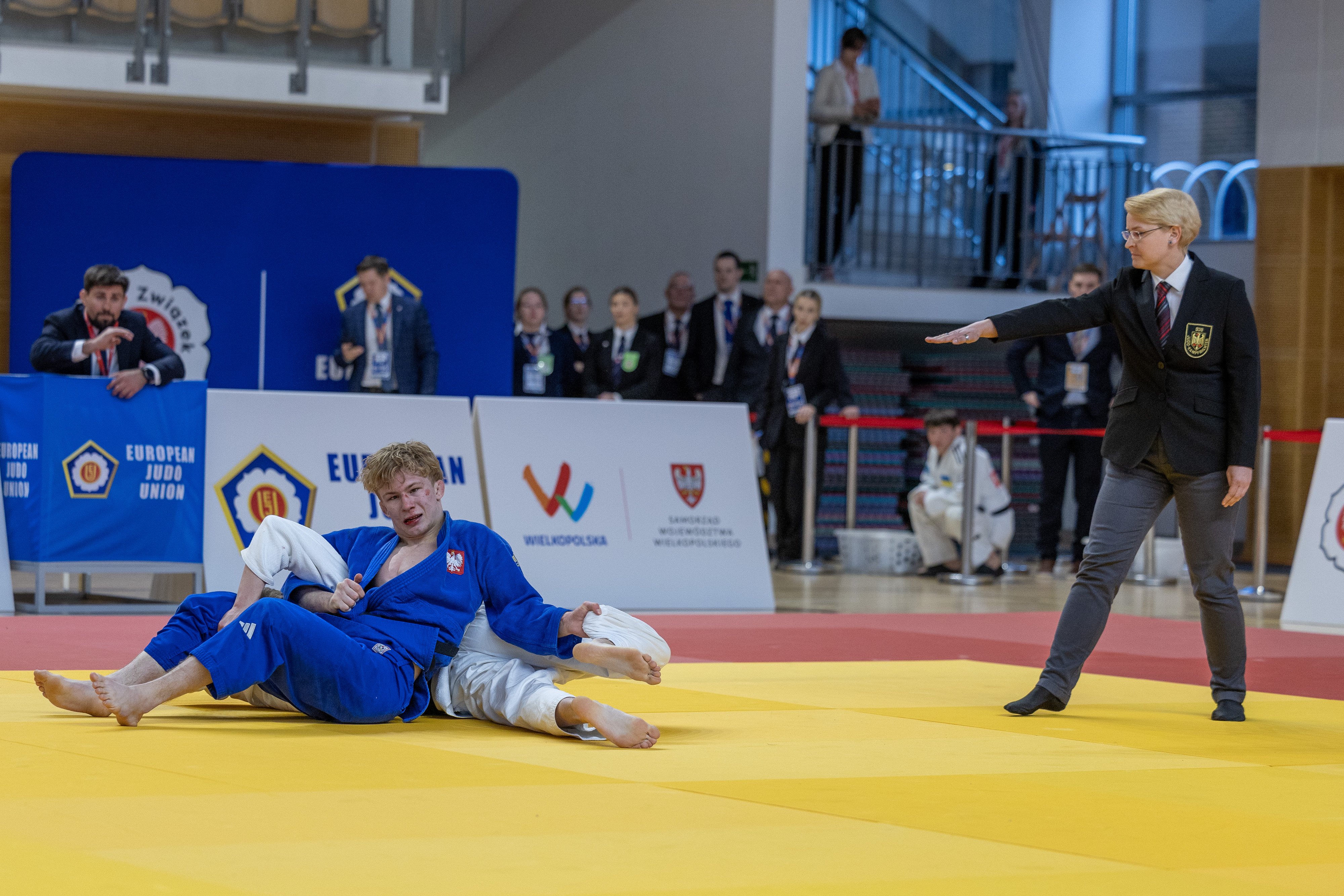
The momentum began early in the -60kg category, where Jan Kolondra produced a composed and commanding run to the top of the podium. Carrying confidence through each round, the Polish judoka looked increasingly assured as the day progressed, ultimately converting that belief into gold.
“I told myself that I could win and that I came here for the gold medal. It was already the final, so I gave everything I had, and it worked.”
That conviction was evident from the outset.
“I think I felt it from the very beginning. Everything went well, from making weight to warming up and then the fights. From the start, I felt that this was my competition and my day.”
For Kolondra, the result reflects not only execution on the tatami but the work behind the scenes.
“I felt very well prepared because I have been training very hard recently, and I trust my strength and my abilities. I believe I am in much better form than last year, and this is probably my best result so far, so it definitely feels special.”
Managing the physical demands of a long competition day proved equally important.
“I tried to keep my body warm all the time. I also used gels and drank isotonic drinks to keep supplying carbohydrates and maintain my energy levels.”
Equally, his mental approach remained sharp throughout.
“Between fights, I focus on tactics and try to stay in a concentrated mindset. If stress appears, prayer also helps me sometimes.”
With confidence now reinforced, Kolondra is already looking ahead.
“Definitely but the biggest key to confidence is hard work. You need to move forward and not be afraid of your abilities or your results.”
Poland’s authority extended beyond the lighter categories. In -73kg, Jakub Kobyliński added another gold with a tactically disciplined performance, maintaining control under pressure and delivering when it mattered most.
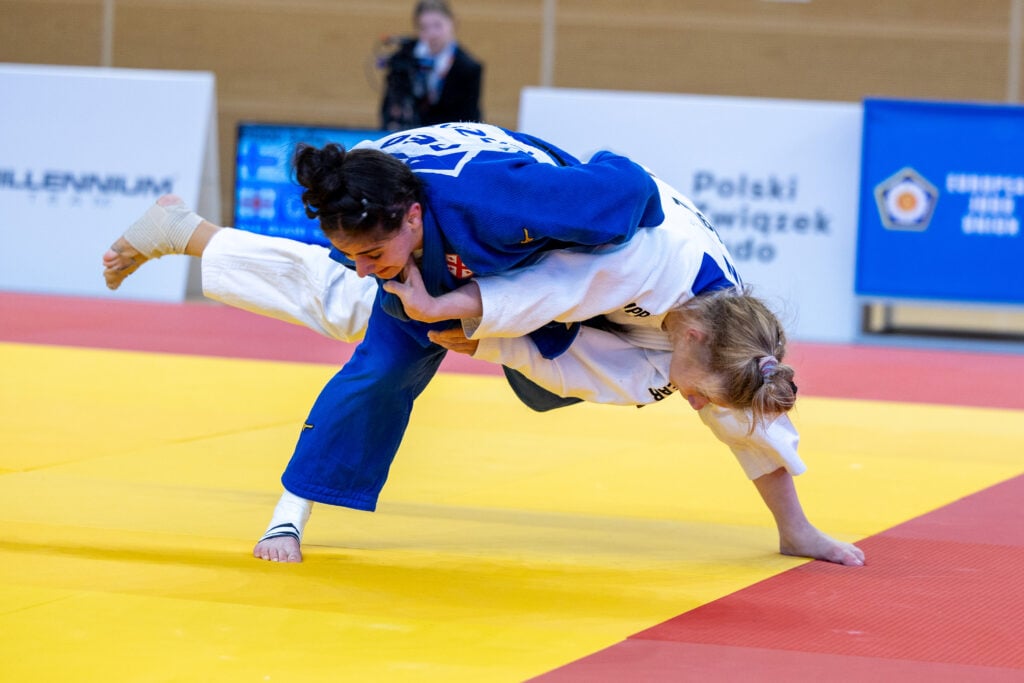
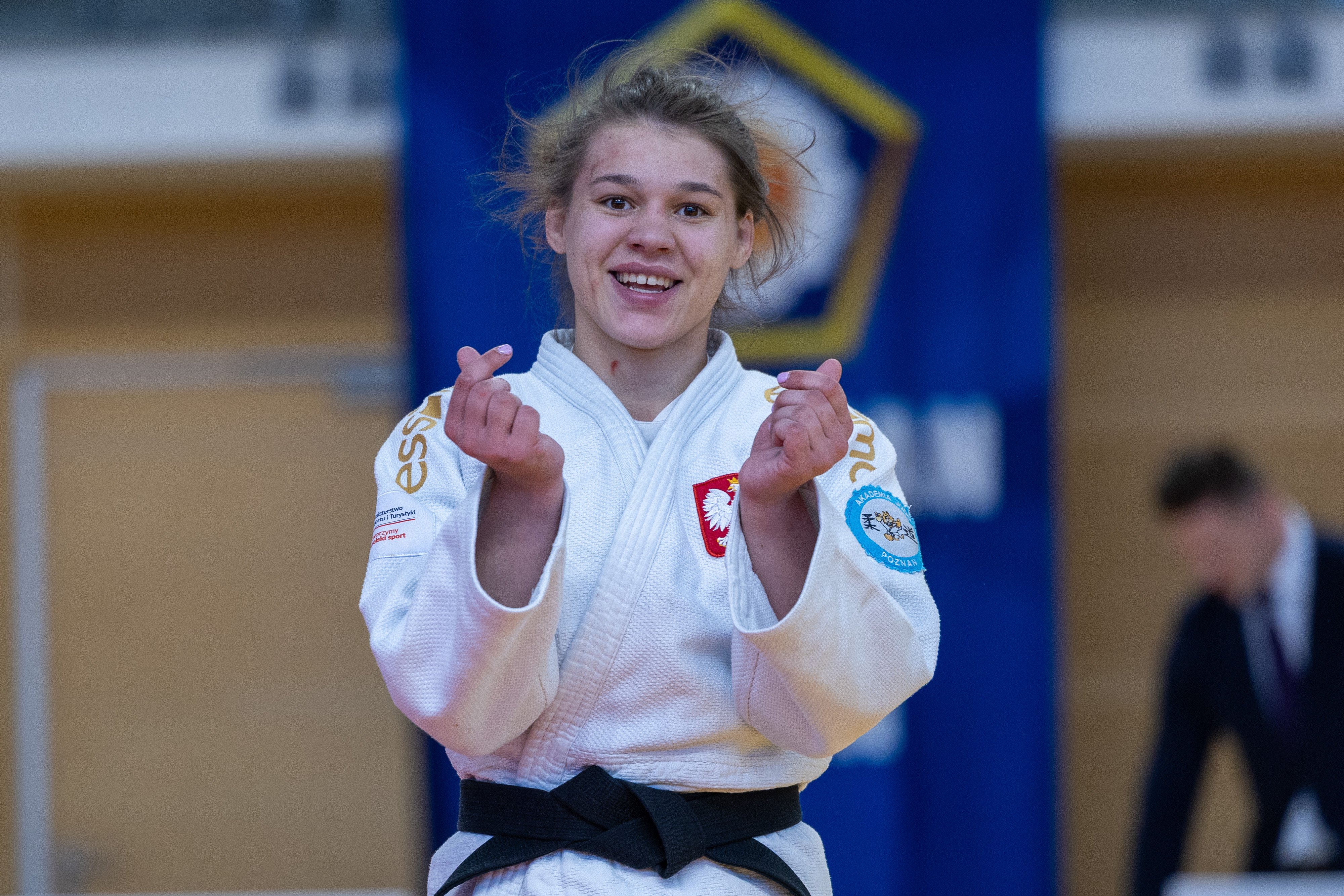
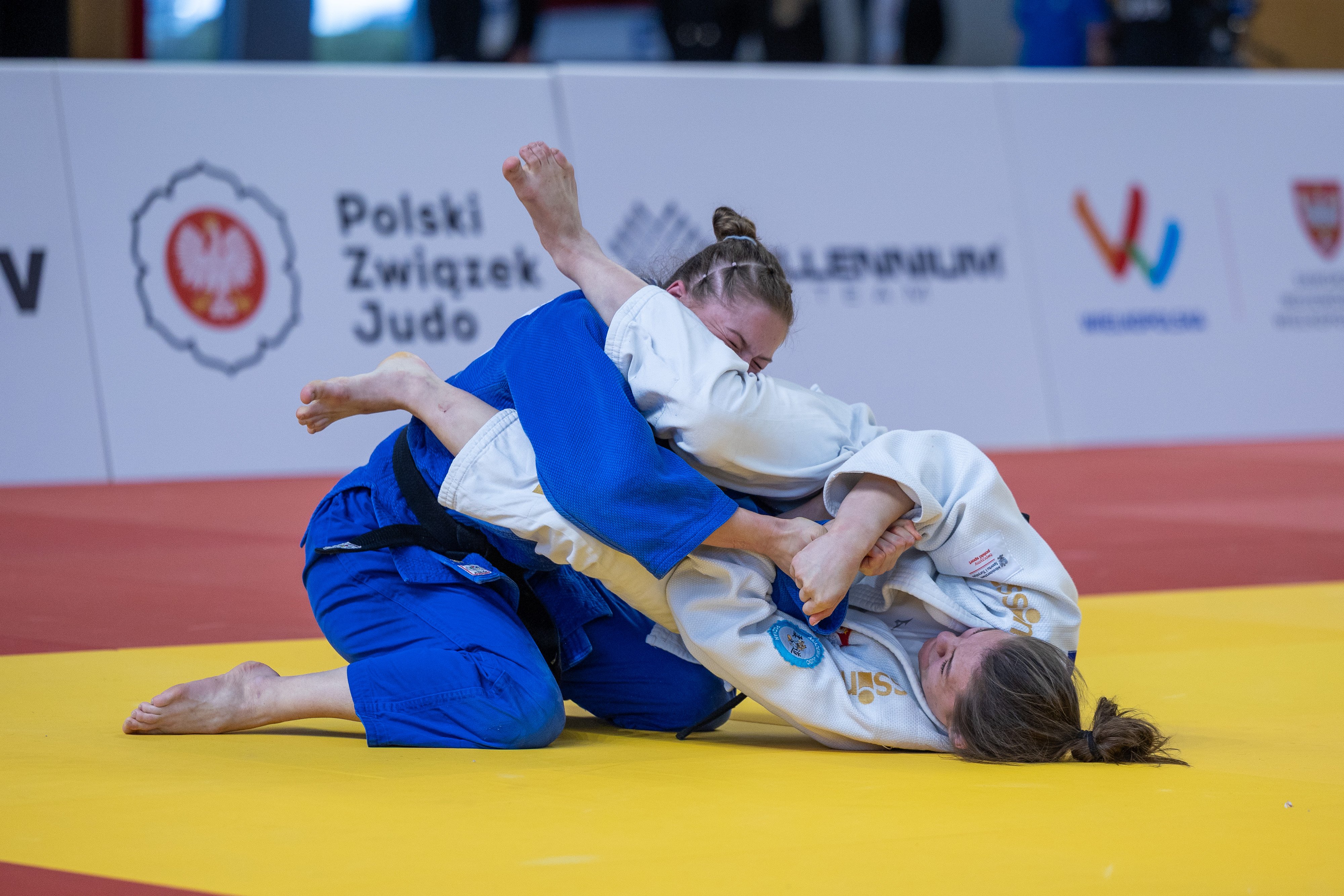
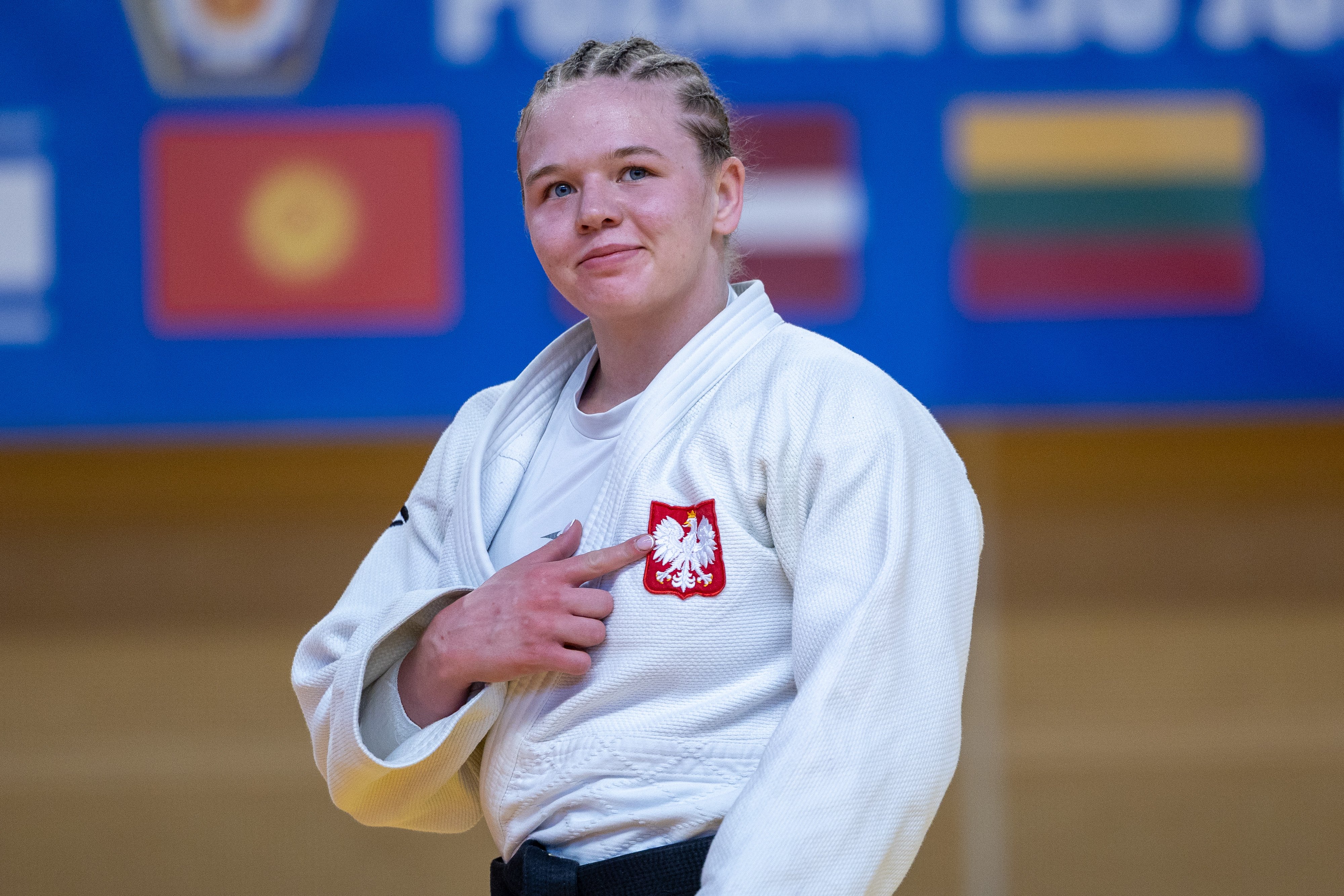
The women’s divisions mirrored that success. Hanna Zaitseva rose to the top of the -63kg category with a performance shaped by precision and resilience, marking a significant return following injury.
“I was very focused on winning this gold medal, especially because I had only recently returned after an injury. That makes this victory very special for me, and I am very happy.”
Her approach was clear and deliberate from the opening contest.
“Yes, I had a tactic for each opponent. I think it was visible during the fights because I followed what I had been training with my coach throughout this period. I had a clear plan and focused on executing it.”
In the final, that preparation translated into a decisive moment on the ground.
“Yes, juji-gatame is my strongest technique in ne-waza. When I secured the arm, I could already imagine myself standing on the podium with the gold medal. That was the decisive moment.”
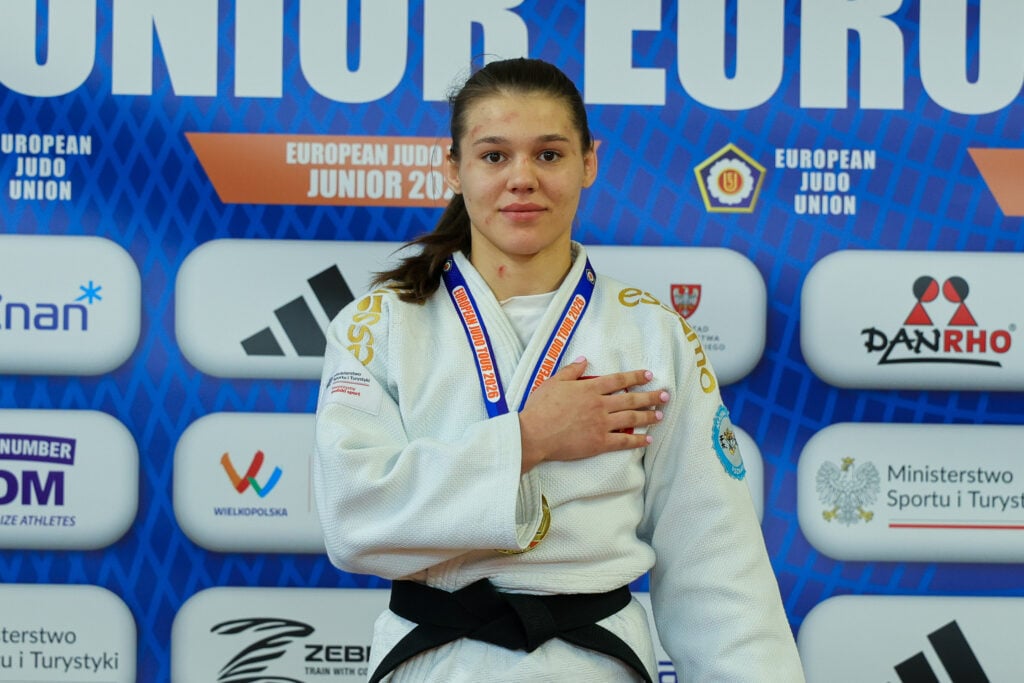
Further gold medals followed through Amelia Ptasińska in -70kg, Magda Glubiak in -78kg and Aleksandra Kocieba in +78kg, underlining the depth and balance within the Polish squad across the categories. The only interruption to a complete home sweep came in -66kg, where Adis Orozmamatov of Kyrgyzstan claimed gold, standing as the sole non-Polish winner of the day.
With such a commanding opening, Poland has not only seized control of the medal table but also set a formidable benchmark for the rest of the field. As the competition moves into its second day, the hosts carry both momentum and expectation, with the Poznań crowd ready to witness whether this dominant run can be extended even further.
Author: EJU Media