





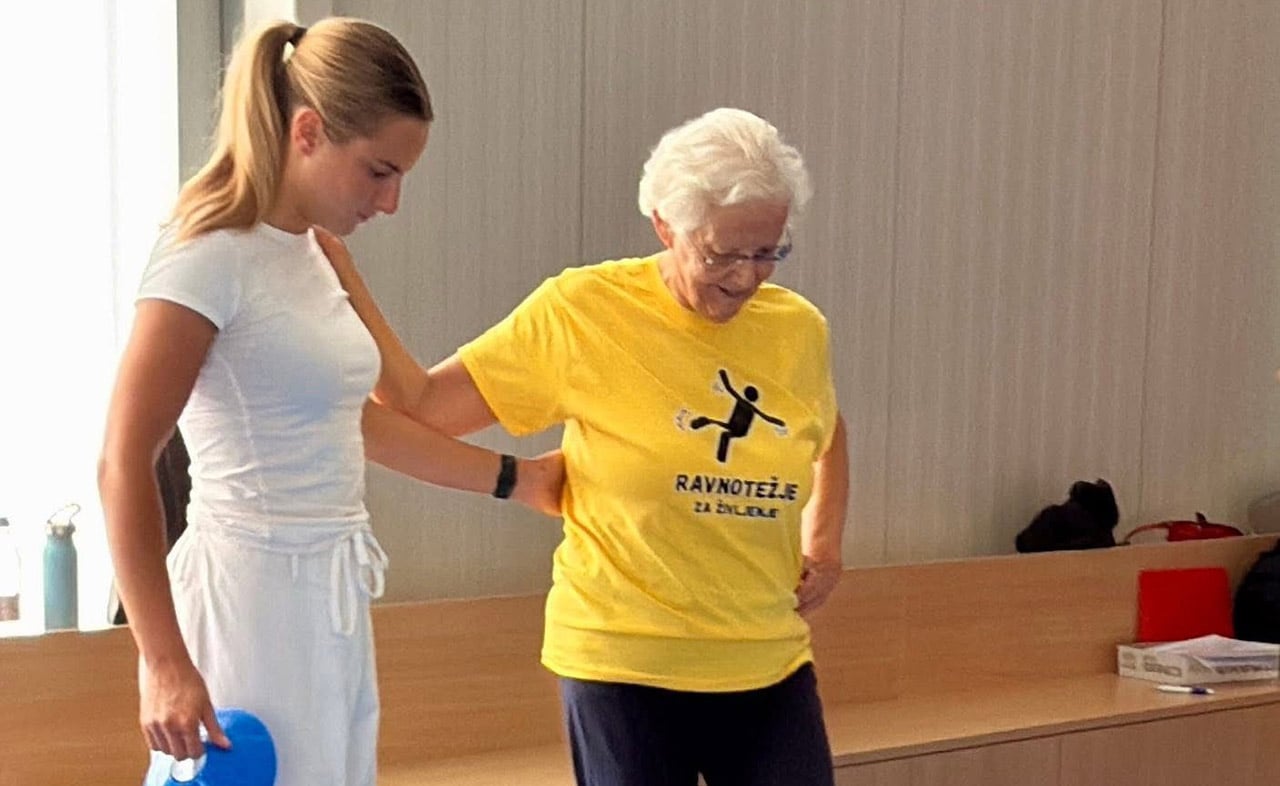
Author/Images: JOY Project

More than 22,000 participants of all ages and 349 judo coaches across Europe have benefited from the JOY – Judo Connecting Older and Younger Generations Erasmus+ Sport project. After two years of research and pilot activities, the JOY project is now creating a free, multilingual online tool to support safe and inclusive judo training.
More children, adults and seniors are now training together. Intergenerational judo brings social and educational benefits but also demands new coaching skills. JOY provides coaches with practical, science-based guidance to meet these challenges.
Promotional Events & JOY Talks
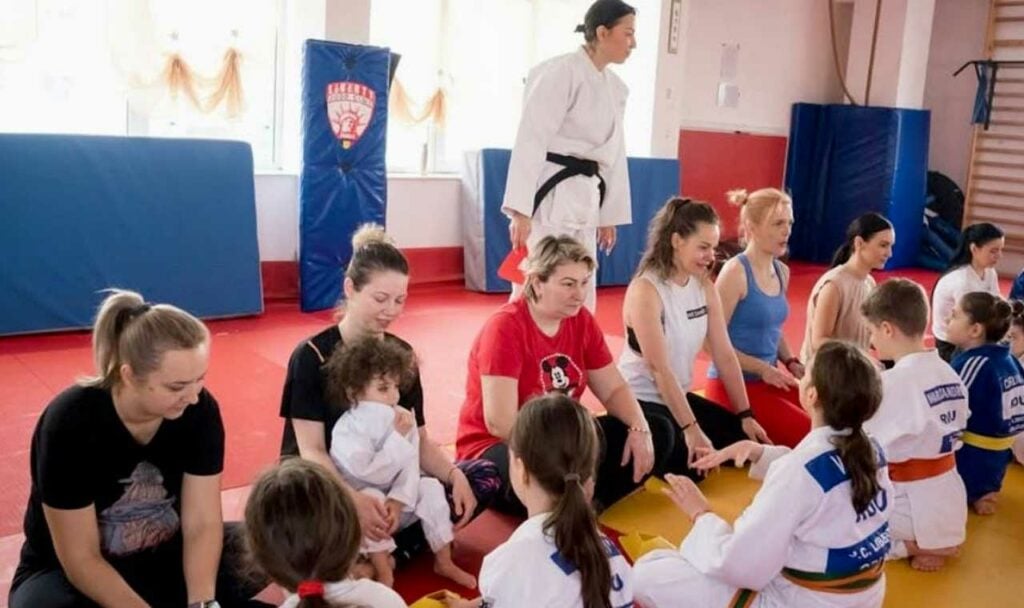
In 2025, 19 events across Europe brought together younger and older judoka, coaches and local communities. Participants reported stronger connections between generations, increased motivation among older judoka and a greater sense of community in clubs. These events helped shape the JOY online educational programme.
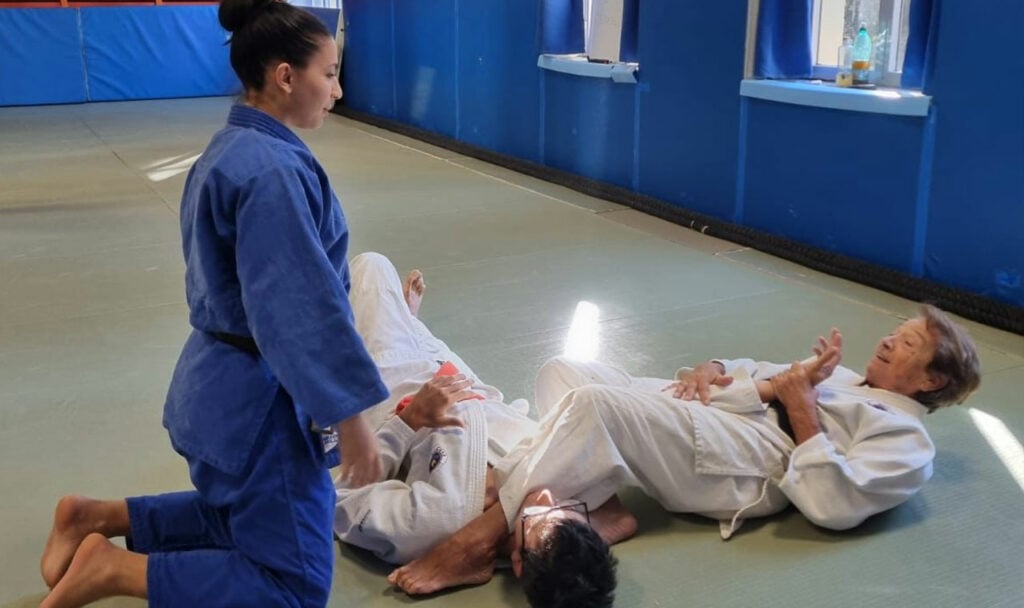
The JOY Talks interview series highlighted personal stories of intergenerational impact. As Ms. Licia Maristella, 85-year-old judoka, shared:
“I would say that it’s never too late! There are many levels of judo, and everyone can adapt to their own abilities… Even the brain stays active because you have to memorise all the kata movements and judo techniques perfectly… And your grandchildren will have something to proudly tell their friends, ‘My grandparents do judo.’“
Her experience shows how JOY strengthens skills and relationships, inspiring judoka of all ages to engage actively in judo and in life.
Scientific and Digital Innovation
JOY represents one of the first large-scale European initiatives to systematically address intergenerational coaching in judo. A key milestone of the project’s second year was the development of a strong scientific foundation for the JOY online educational programme.
This foundation is built on three complementary scientific pillars. First, an international empirical study involving 349 judo coaches examined coaching roles, safety considerations, group dynamics, barriers, and professional development needs in mixed-age training environments. The study provides original, data-driven insights directly grounded in coaching practice and is available as an open-access scientific publication in Frontiers in Psychology.
Second, these findings are complemented by a peer-reviewed systematic review published in Sports (MDPI), which mapped and analysed existing scientific evidence on intergenerational judo practice, coaching approaches, benefits, and safety considerations. The review situates the JOY project within the broader international research landscape and confirms the relevance and innovation of its approach.
Third, the project’s methodology and scientific results were presented at the European College of Sport Science Annual Congress, contributing to the international dialogue on coaching innovation, lifelong sport participation, and intergenerational learning.
Towards a Global Educational Tool
The JOY prototype online tool is currently under development on the IJF Academy platform, positioning the project within the global judo education ecosystem. The tool will offer an interactive, multilingual and collaborative learning environment for coaches worldwide.
Coordinator’s Statement
“In just two years, the JOY project has moved from visionary planning to tangible results that respond directly to the realities of judo coaching,” says Dr. Slaviša Bradić, Lead Consortium Coordinator, Judo Club Rijeka.
“By combining solid scientific knowledge with the everyday experiences of coaches across Europe, we are building a tool that strengthens clubs, supports coaches, and connects generations. Intergenerational judo is not just a method; it is a pathway to inclusion, resilience, and stronger communities.”
More information: www.judojoy.eu
Author: EJU Media