





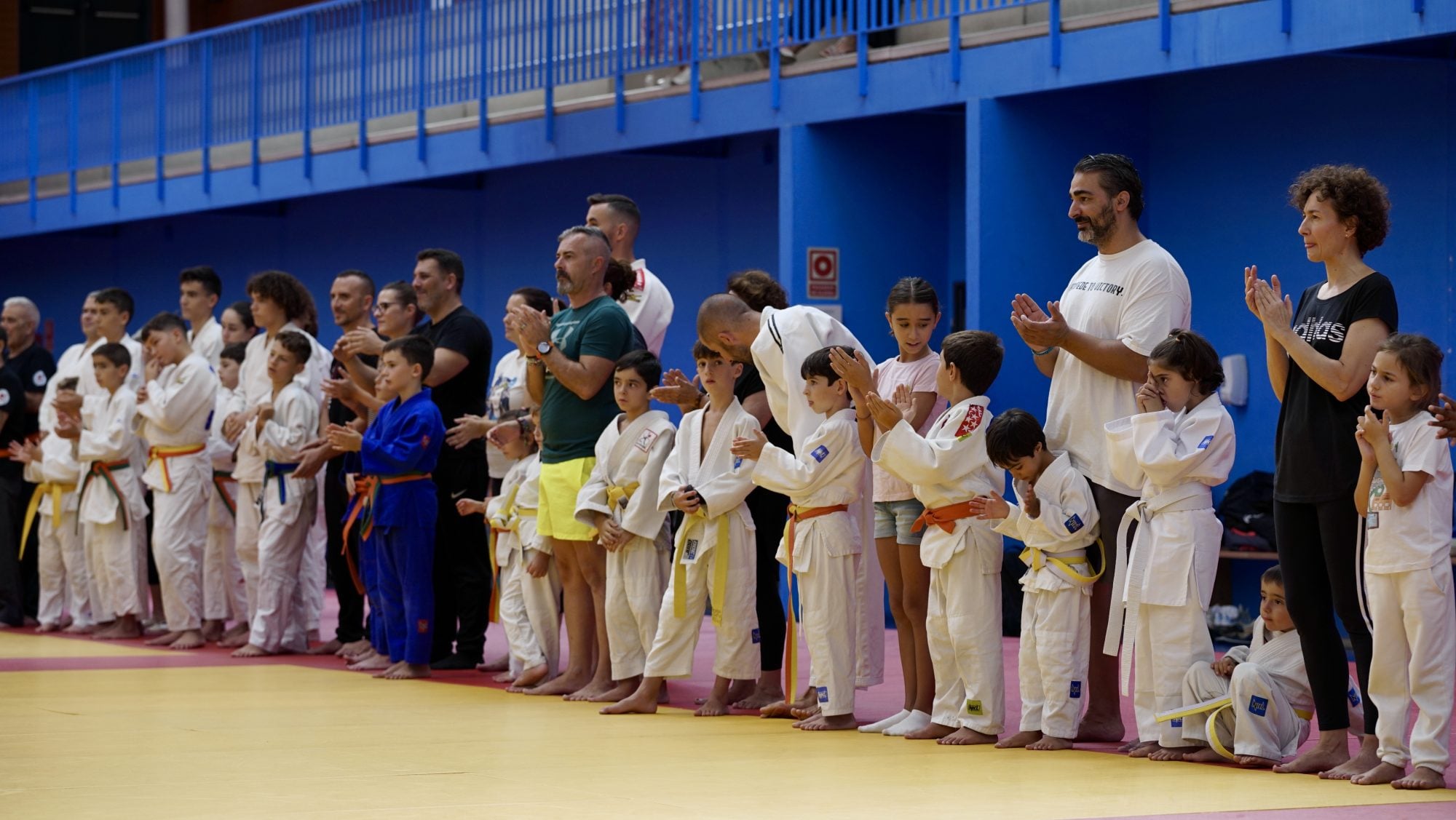
The Judo Connecting Older and Younger Generations (JOY) project held its latest transnational meeting in Madrid from 12–14 September, bringing together partners from across Europe. The project’s central aim is to bridge generations through judo, fostering an inclusive society where young people and older adults interact, collaborate, and grow together.

A total of 16 representatives attended, representing eight partner organisations from Italy, Austria, Malta, Slovenia, Croatia, Spain, Romania, Turkiye, and Serbia.
The meeting opened with a practical judo session on the tatami. Young judoka took part alongside their parents and grandparents, creating an inspiring intergenerational atmosphere. The session also included project participants and representatives from the Spanish Judo Federation.
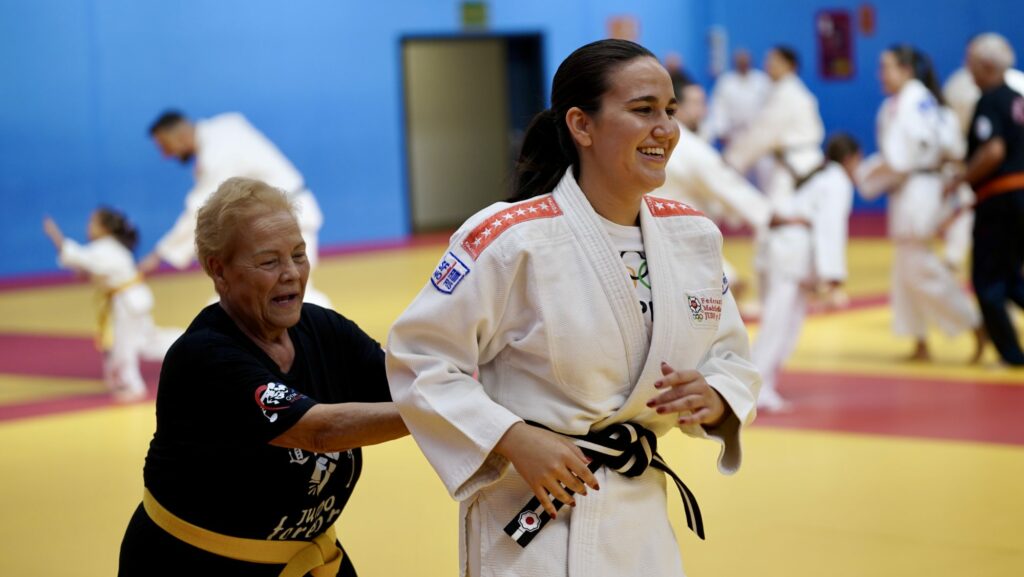
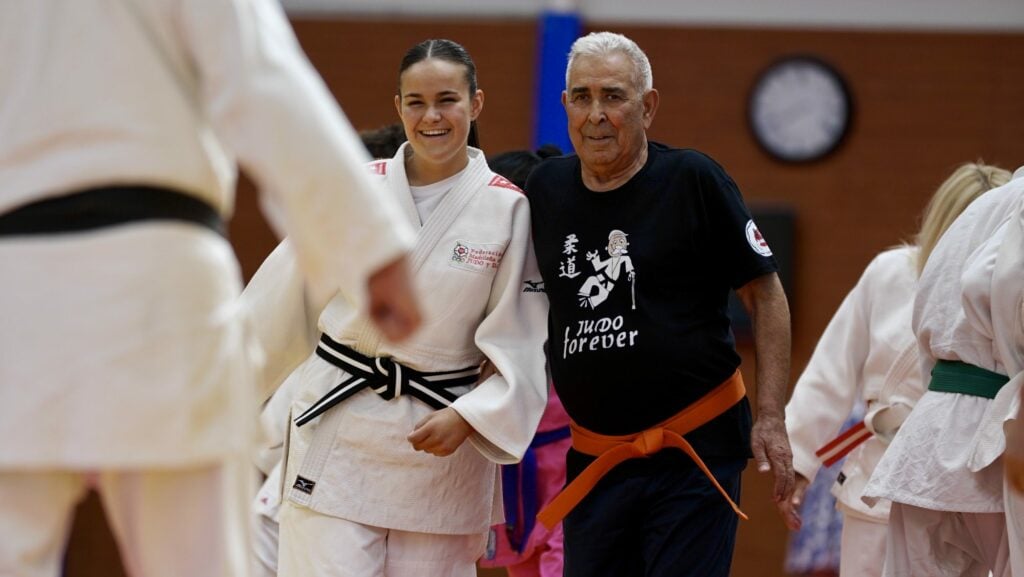
Notable attendees included Sara Álvarez, Sports Director of the Spanish Judo Federation; Raúl Camacho, head coach of the host club Newton, IJF Referee Director and the EJU Kata Commissioner.
Following the training, participants gathered outside the sports hall to enjoy a traditional paella lunch prepared in a warm, family-like setting. This moment reflected the project’s ethos of community, connection, and shared experience.
In the afternoon, the group turned to the academic part of the meeting, where each partner reported on progress achieved within their respective areas.
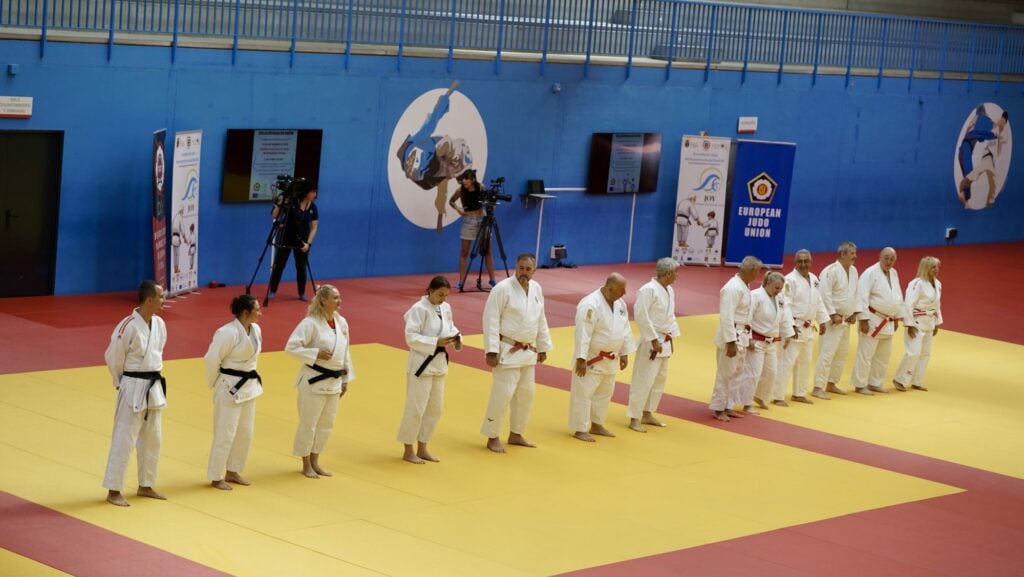
Clubs directly involved in the project, (Judo Club Newton (Spain), Judo Club Golovec (Slovenia), Judo Club Liberty (Romania), and Judo Club Rijeka (Croatia), shared practical insights into engaging adults and older people in judo practice, as well as their approaches to intergenerational training sessions.
According to their experiences, three main groups of adults tend to join judo sessions:
- Complete beginners seeking a new challenge,
- Parents inspired by their children’s practice of the sport,
- Former judoka returning to the tatami after a long absence.
- Professor Attilio Sacripanti presented a report on the use of judo in Parkinson’s rehabilitation. His research highlighted significant physical benefits of gensoku-based exercises, including increased strength and muscular endurance, reduced pain due to decreased inflammation, and improved tissue relaxation, all contributing to enhanced physical condition.
The Madrid meeting reinforced the human connections that underpin this project’s philosophy. By bringing together multiple generations through judo, the initiative demonstrates how the sport can serve as a bridge, strengthening bodies, minds, and communities alike.
Learn more about the JOY project via the following link: Judo Joy – Intergenerational judo
Images: Judo Joy Project
Author: Szandra Szogedi