





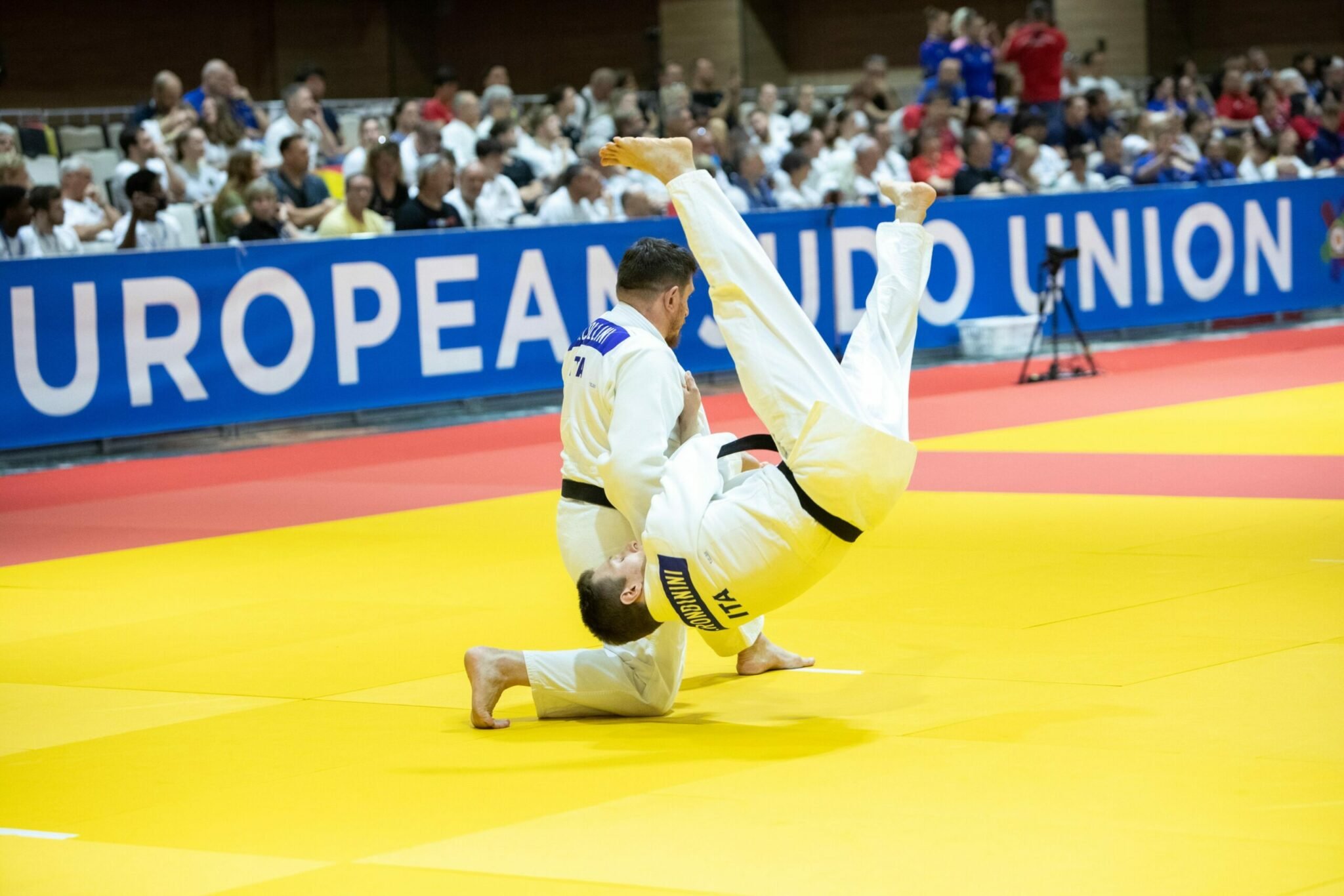
In Sarajevo, between 16-17 May, the Kata European Judo Championships 2026 is signalling a shift in momentum that has been years in the making. Athletes from 28 nations have arrived in the Bosnian capital, bringing the highest participation figures in the history of the event. Accreditation desks were busy from the early hours, judges gathered for official meetings, and throughout the training halls, pairs fine-tuned every detail ahead of competition. Yet, beyond the precision and tradition that define kata, something else is becoming impossible to ignore: growth. Real, visible, strategic growth.

The numbers tell the story clearly.
In 2023, the European Kata Championships welcomed 298 participants from 21 countries. One year later, that rose to 330 athletes representing 23 nations. In 2025, participation climbed again to 360 competitors. Now, in 2026, the championships have exploded to 452 participants from 28 countries.
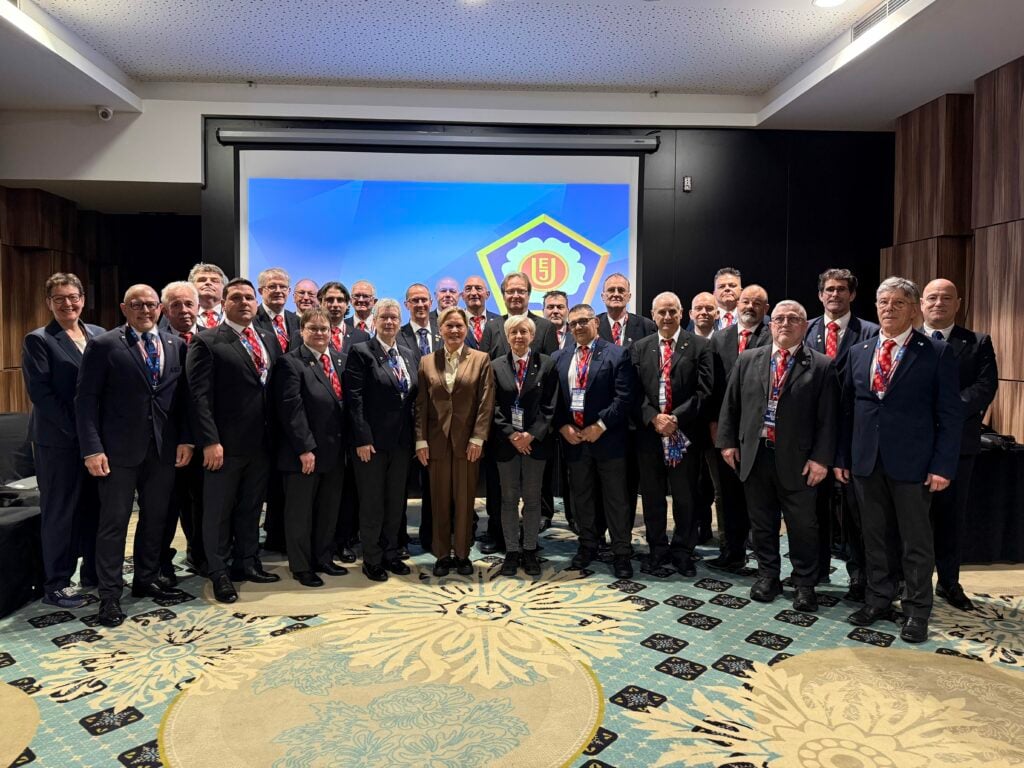
Behind that rise sits years of targeted work from the EJU Kata Commission, focusing not only on elite competition but on long-term development pathways throughout the continent.
Among the key initiatives has been the introduction of Kata Festivals for cadets and juniors, designed to create educational and inspiring spaces for young judoka without the immediate pressure of competition. The festivals aim to encourage early engagement, support national federations in building youth kata structures, and strengthen long-term athlete development.
At the same time, kata seminars have expanded into countries where kata activity had previously been limited or almost non-existent. By training local instructors, establishing national contact points and helping federations create sustainable systems, the commission has steadily widened the reach of kata across Europe.
Kristiina Pekkola, EJU Vice President of Education, shares that the results now visible in Sarajevo are the consequence of years of patient groundwork. “The key reasons we have seen is thanks to a lot of our commissioners,” she explained ahead of the championships. “They have been around Europe organising kata festivals and seminars.”
Pekkola pointed to Riga as one example of how long-term investment can begin to transform participation. “We had a kata seminar there together with Monica Piredda and Slavisa Brada. We worked with cadets, juniors and seniors one month before the 2025 European Championships. At first, there was maybe only one couple attending but we continued working, invited them to the kids camp, and gradually started attracting children and youth to train kata.”
The growth is not accidental. It is strategic.
“I have always said in all the meetings that this is an area which will grow but you need strategic work. You need goal-setting. You need direction.”
That direction, she explained, even includes identifying the “blind spots” across Europe where kata remains underdeveloped and sending educators directly into those regions. “We actually have a map looking at where kata events are and where the blind spots are. Commissioners and educators should go where the blind spots are.”
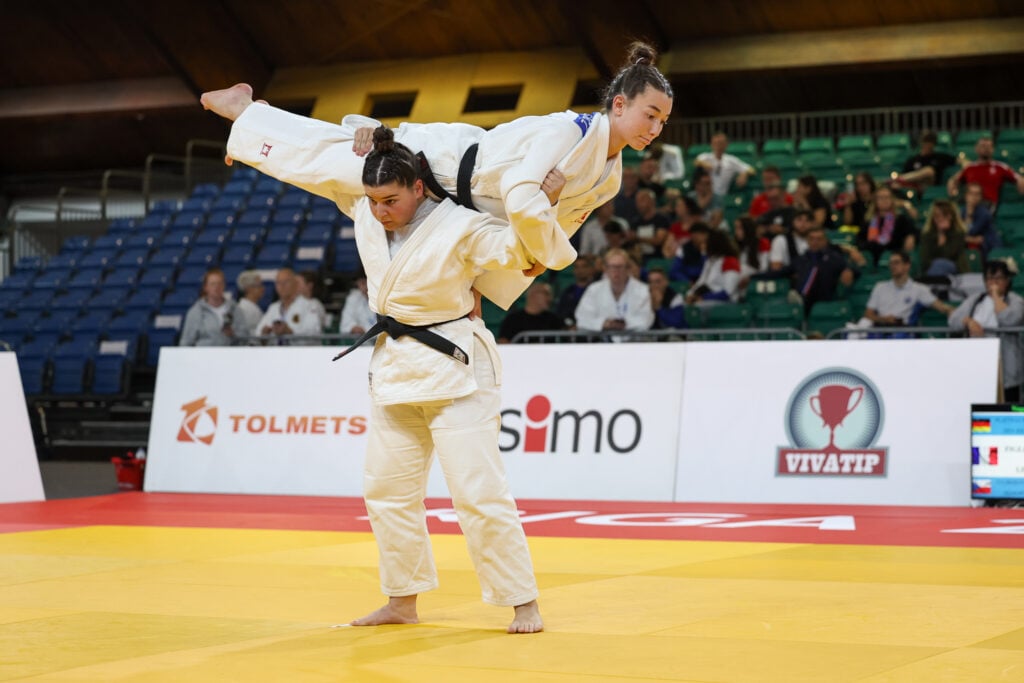
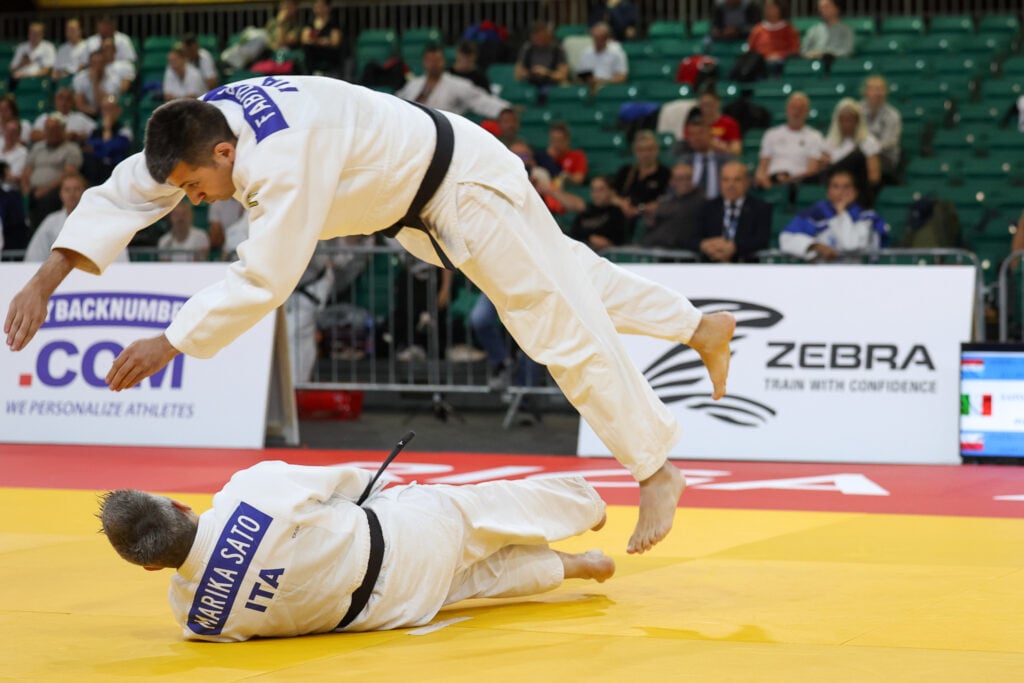
Perhaps the most striking is not only the increase in athletes but the widening geographical spread of participating nations. Countries traditionally recognised for their fighting culture are now embracing kata development alongside competitive randori.
Pekkola highlighted nations such as Azerbaijan as an example of how perceptions are changing. “They are having kata national championships now. For me, kata is the alphabet. If you want to write, you need to know kata first. After that, you can develop your own style. Kata is the backbone.”
There is another layer of the programme continues to stand out: inclusion. Kata remains one of the most complete reflections of judo’s educational values.
“This is the only programme in EJU that is fully inclusive all year round. Adapted judo is teaching us mainstream judo. It is not just about giving opportunities to adapted athletes. It is about us understanding the true value of judo beyond sport.”
Her pride is unmistakable when discussing the atmosphere created through diversity on the tatami.
“In kata, everything can be very serious but when you invite diversity, you suddenly see so many different journeys and ways to practise judo. You see enjoyment, happiness and the real value of what we do.”
While the kata community continues to grow on the mat, the same expansion is happening mat-side.
Previously, European kata events were accompanied by a judges seminar, an increasingly vital educational structure as demand rises across the continent. The 2026 championships also mark the second consecutive year in which the EJU Kata Commission has selected the top 20 judges in Europe for appointment, further raising standards and competition within officiating.
“We now have more committed judges because more people want to come to the European Championships,” Pekkola explained. “The competition to be selected is harder than ever.”
If the current trajectory continues, adjustments may need to be made for the Kata Europeans. “My dream is that next year we will need three competition days and four tatami because it is growing and we need to open it up even more.”
For now, Sarajevo stands as proof that the vision is already becoming reality.
Author: Szandra Szogedi