





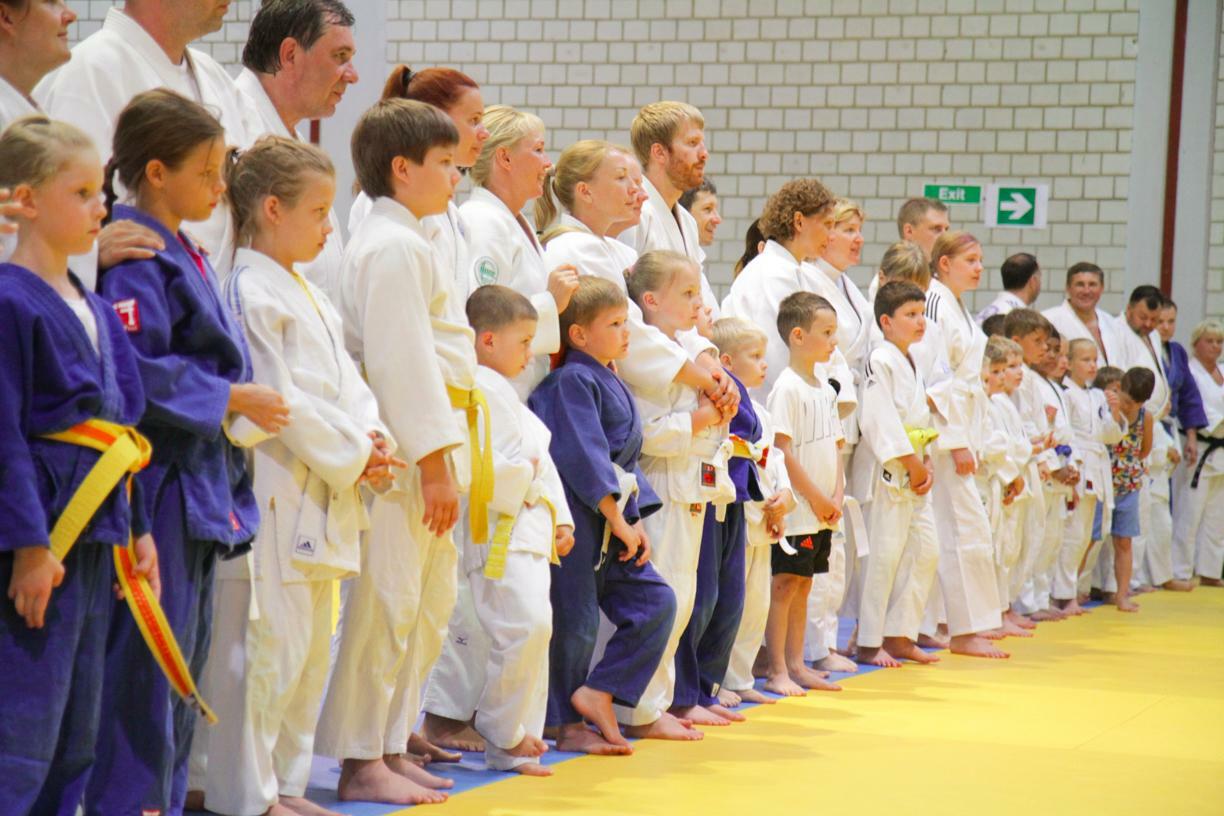
Beyond the pursuit of medals and rankings, every judo club is home to individuals, young and old, who return to the tatami, week after week, driven by something more meaningful. It is within these shared moments, across generations and abilities, that the deeper values of judo come to life.

The third edition of JOY Talks featured Mrs Kristiina Pekkola, EJU Vice President and a long-time advocate for inclusive, community-focused sport development. Her perspective highlights how judo can serve as a lifelong practice and how initiatives such as JOY (Judo connecting Older and Younger generations) are shaping the future of the sport across Europe.
“Judo naturally fosters intergenerational learning,” Pekkola explains. “Whether it’s a grandparent practising ukemi alongside a grandchild, or an experienced judoka guiding a young beginner, the dojo becomes a space where age dissolves in mutual respect.”
One moment that stands out in her memory is a shared kata demonstration, where a young judoka and an older participant moved together in perfect rhythm, an image that, to her, captures the essence of judo: harmony, mutual benefit, and lifelong learning.
As one of the Erasmus+ projects in which the EJU is actively engaged, JOY promotes inclusive training environments and encourages age-diverse participation across Europe. For Pekkola, the project is fully aligned with the EJU’s strategic vision of judo as a sport for life.
“JOY supports not only physical activity, but also mental well-being through shared purpose and social connection. In strengthening judo clubs, it also strengthens the wider communities they serve.”
Pekkola is also a committed advocate for gender equality in sport, and she sees JOY as a powerful mechanism to elevate women’s participation and leadership, both on and off the tatami.
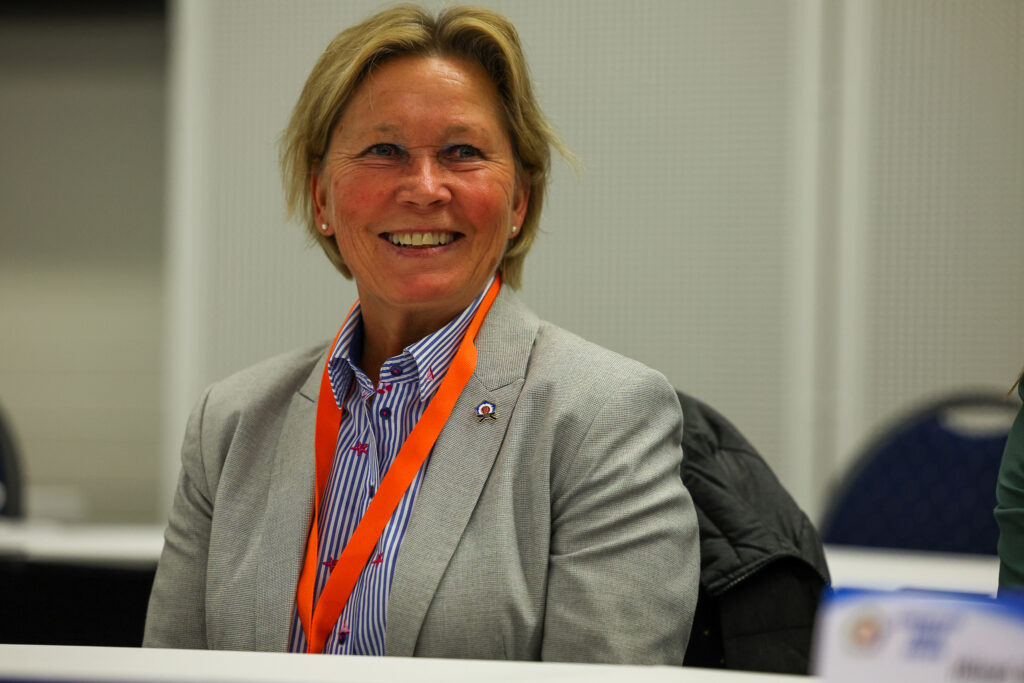
“JOY creates safe, welcoming spaces for women of all ages to train, grow, and lead,” she says. “It highlights female role models and encourages coaches to actively involve women in intergenerational programmes. This is critical to achieving our gender equality goals.”
Equally important, she says, is JOY’s focus on everyday judoka, the unsung heroes of the sport. By shifting the spotlight from elite competition to community-level commitment, the project offers a more accessible and authentic image of judo to the broader public.
“These stories humanise our sport,” Pekkola notes. “They show perseverance, humility, and mutual respect in action. That’s what attracts new generations to judo and what keeps people involved throughout their lives.”
One of the most ambitious elements of the JOY project is the creation of an online educational tool for coaches, hosted by the IJF Academy. This evidence-based platform will equip coaches to deliver high-quality, inclusive training tailored to age-diverse groups.
“It’s a step forward in professionalising our approach to intergenerational coaching,” Pekkola says. “It will raise standards, improve safety, and make judo more sustainable in the long term.”
Drawing on her experience in sport development, Pekkola offers practical advice to national federations and local clubs looking to implement inclusive, age-spanning programmes.
“Start small, try a weekly intergenerational session or an open mat. Share success stories, connect with community centres, and use tools like the JOY platform to train coaches properly. The key is to create environments where everyone feels they belong.”
Reflecting on her work within the EJU, Pekkola shares a moment that continues to inspire her: each year at the senior European Championships, a kids camp is held, bringing together young judoka from across the continent.
“Watching a grandmother and granddaughter practising side by side, laughing and learning together, is incredibly powerful,” she says. “It’s those moments that remind me why inclusive judo matters so deeply.”
Finally, when asked what message she would share with those wondering whether judo is truly for them, be they young people, women, or older adults, her response is clear and heartfelt:
“Judo is more than a sport; it’s a way of life. It meets you where you are, at any age or stage. Whether you are seven or seventy, judo offers strength, confidence, and connection. Step onto the tatami, you belong here.”
Source: JOY / Cover Image: Mario Krvavac
Author: Szandra Szogedi