





The Dushanbe Grand Slam 2026 has officially come to an end, with Europe claiming 16 of the 20 medals on offer on the final day, including three of the five golds. Once again, the continent underlined its strength on the world stage.

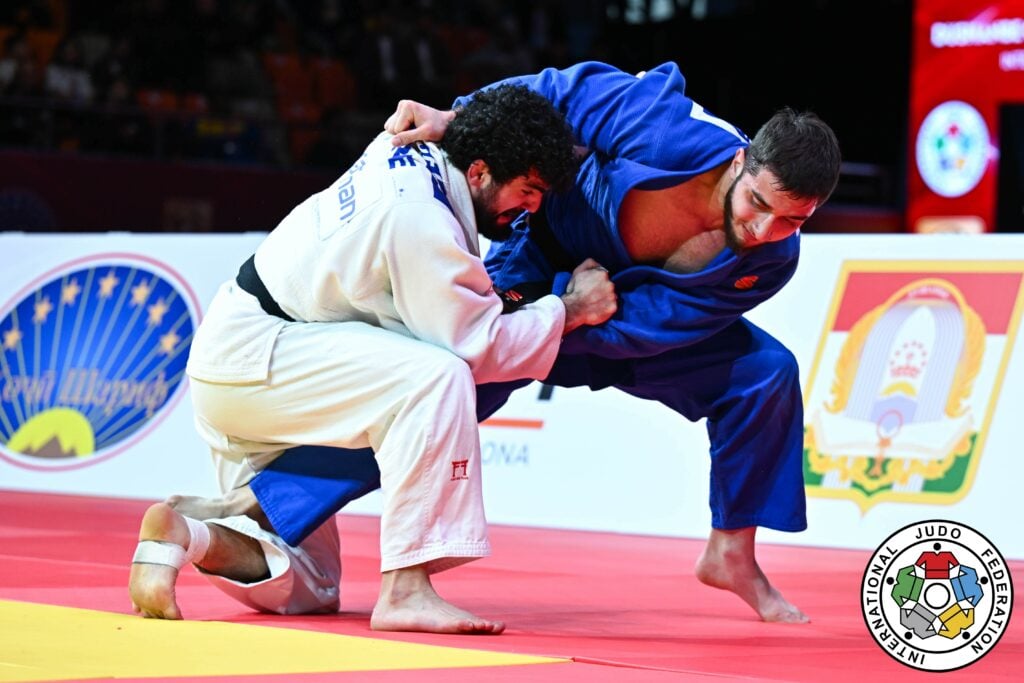
The first medals of the day were decided in the men’s -90 kg category, where Adam Kopecký (CZE) and Mihail Latisev (MDA) secured bronze. In the final, Theodoros Tselidis (GRE) faced Mansur Lorsanov (RUS), a three-time Grand Slam winner aiming for his fourth title. Both athletes approached the contest cautiously, aware of the risks but their reluctance to engage led to mounting penalties. Entering golden score with two shidos apiece, the tension was palpable. Ultimately, Lorsanov held firm to take victory.
Afterwards, Lorsanov said:
“I like to compete here because of the support I get. It is just unreal, I have never experienced it anywhere before. The Tajik crowd knows how to cheer. There is no special key to winning against the Greek but it’s the third time I have beaten him in our three bouts.”
In the -78 kg category, bronze medals went to Marit Kamps (NED) and Alexandra Riabchenko (RUS). The final saw Yelyzaveta Lytvynenko (UAE) take on Yael van Heemst (NED). Lytvynenko set the tone immediately, attacking from the first “hajime”. Her pressure built steadily and after 1 minute and 18 seconds, she delivered a decisive ippon with a powerful hip throw. It marked her tenth World Judo Tour medal.
The -100 kg category followed, with Europe again on the podium through Oleksii Yershov (UKR) and Vadim Ghimbovschi (MDA), both taking bronze. In the final, Adam Sangariev (RUS) met Fuchun Huang (CHN). After a tightly contested four minutes, golden score proved decisive. Huang launched a devastating o-uchi-gari to score ippon, upgrading his bronze from 2025 to gold in 2026 and securing his second Grand Slam medal. The result also brought China’s fourth medal of the tournament.
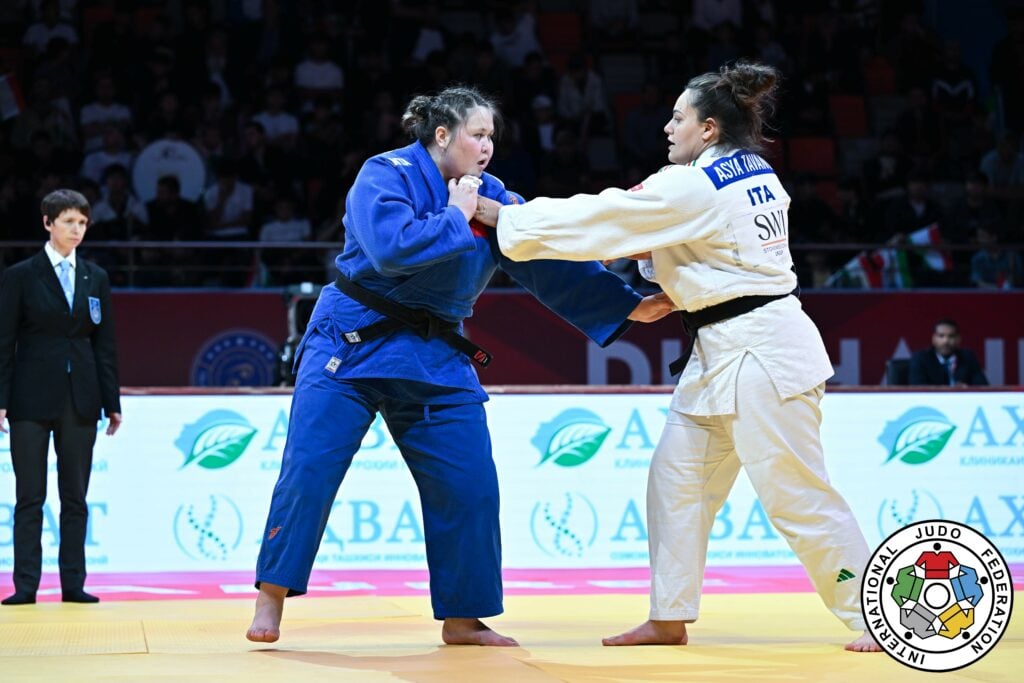
In the +78 kg category, Mariia Ivanova (RUS) claimed one of the bronze medals, while China’s Jinesinuer Ayiman (CHN) looked to add another gold for her team. Standing in her way was Asya Tavano (ITA). Tavano struck early with a yuko and controlled the contest from there, shutting down Ayiman’s attacks with composed defence. With this victory, Tavano claimed her second Dushanbe gold, having first triumphed in 2024.
After her win, Tavano said:
“Dushanbe will always be special for me. I won my first Grand Slam gold here, and now again. The fans give us so much energy. I feel really confident after strong preparation. However, the real work starts now in Mongolia because the goal is the Olympics.”
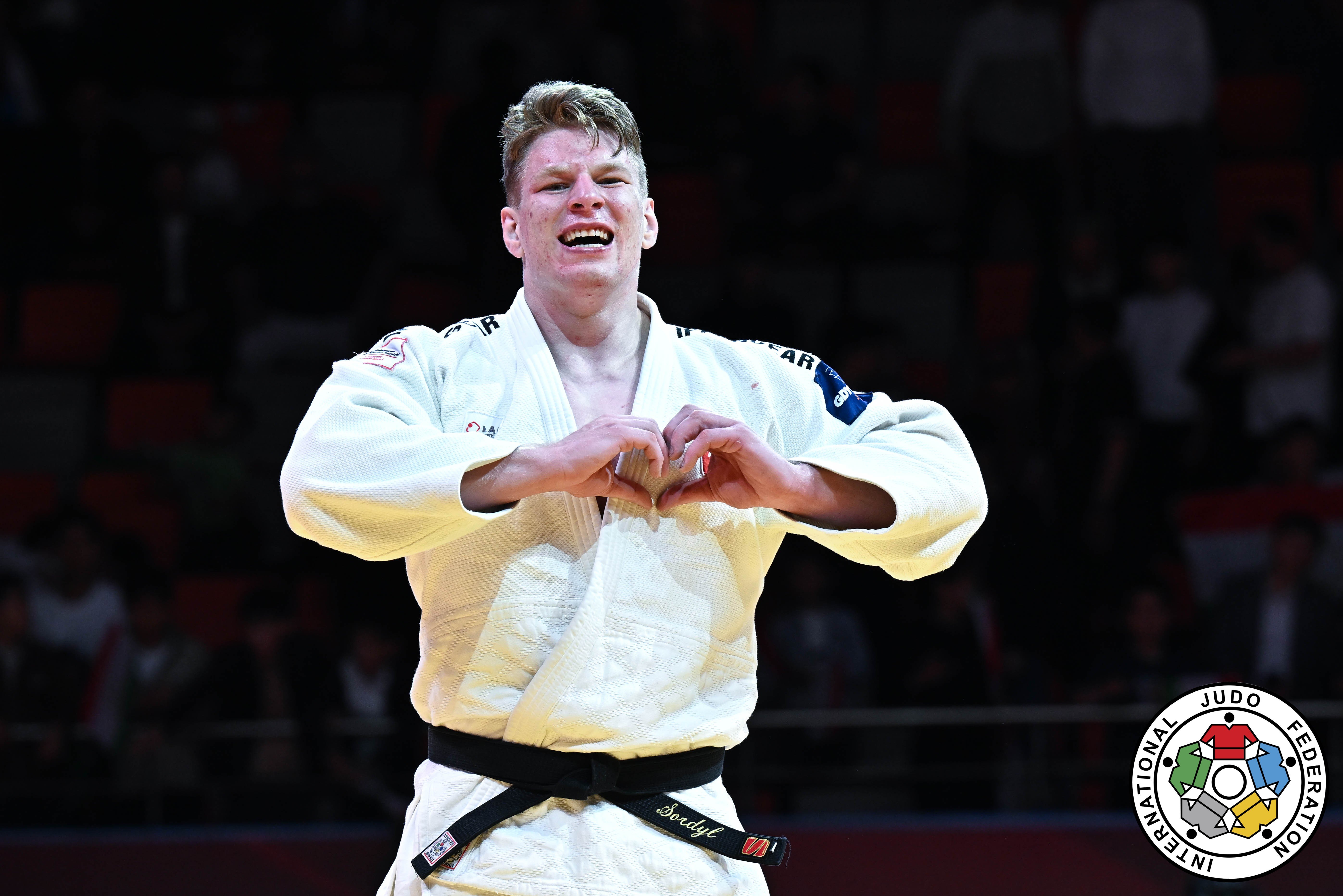
The men’s +100 kg category provided a dramatic conclusion. None of the top four seeds reached the final, opening the door for a breakthrough result. Jakub Sordyl (POL) fought his way past top seed Ushangi Kokauri (AZE) in the semi-final, overturning a waza-ari deficit to win on penalties and a yuko.
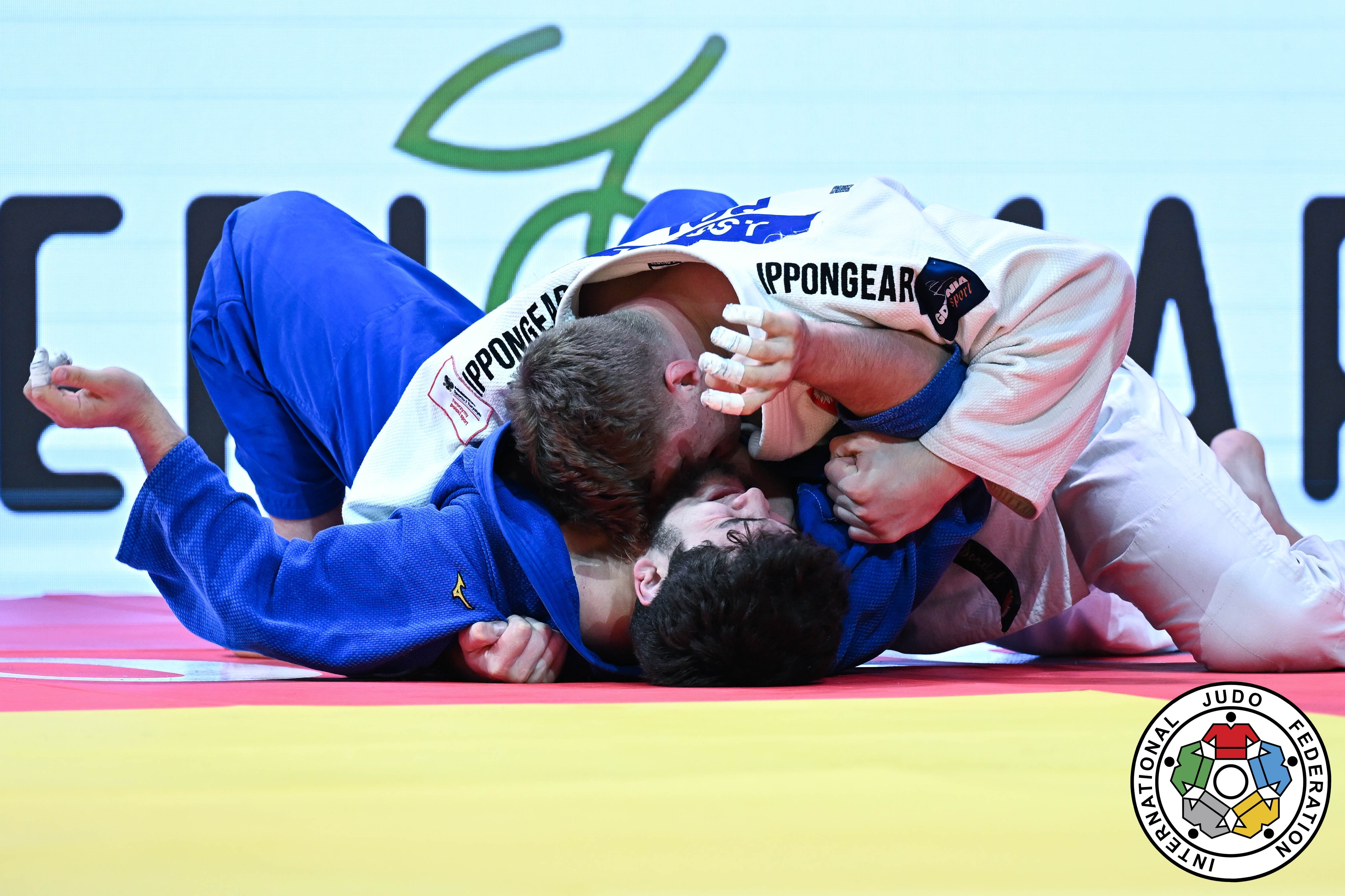
In the final, Sordyl faced 2025 junior world champion Bislan Katamardov (RUS), both men chasing their first Grand Slam medal. Katamardov struck first with a yuko from kata-guruma, but when he attempted it again, Sordyl countered brilliantly, transitioning into osae-komi. He held for the full 20 seconds to secure ippon and the gold medal, breaking into a huge smile as the contest ended.
Ahead of the medal ceremony, Sordyl said:
“After I won the semi-final, I needed a few minutes to realise I had reached the final. Once I calmed down, I focused on winning here. I will celebrate after Astana, with my girlfriend, and take a couple of days off.”
Bronze medals in the heavyweight category went to Dzhamal Gamzatkhanov (AZE) and Ushangi Kokauri (AZE).
That brings the curtain down on an exciting edition of the Dushanbe Grand Slam, with Europe once again proving its depth and quality across the weight categories.
Source: International Judo Federation
Author: Szandra Szogedi