





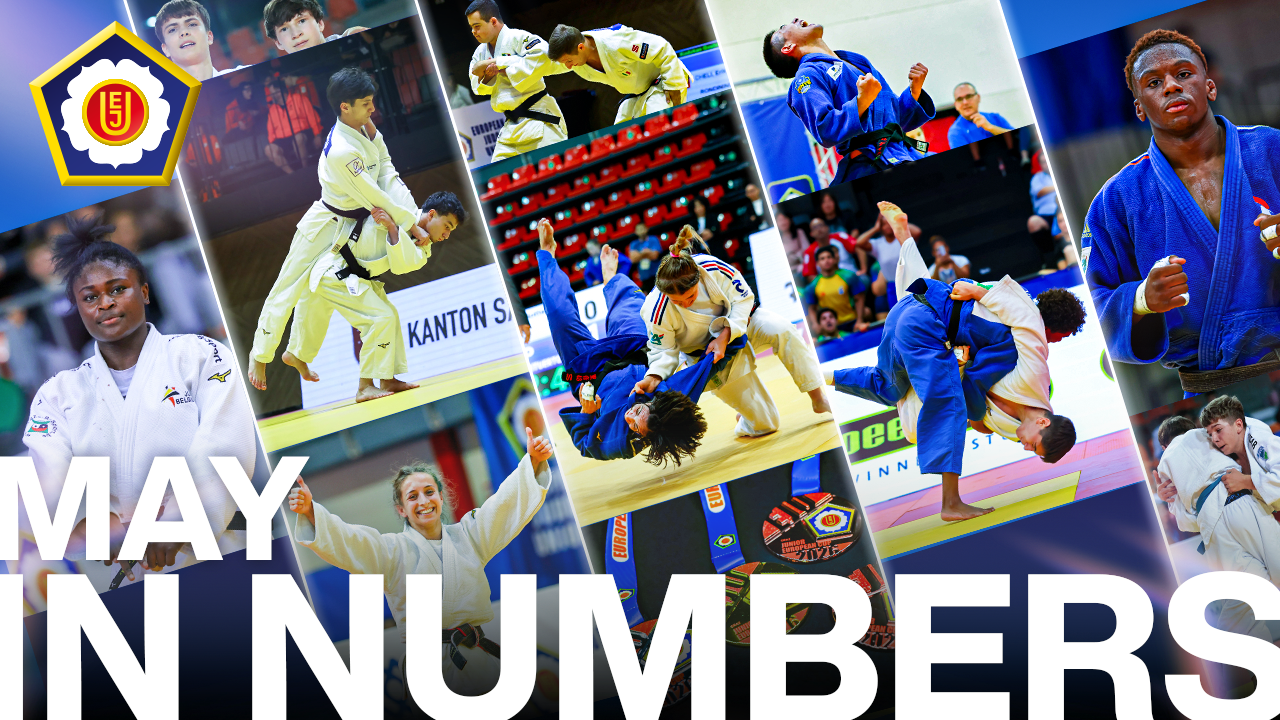
If there is one thing that May 2026 demonstrated beyond any doubt, it is the extraordinary reach of European judo. Across four corners of the continent, from the shores of Portugal’s Algarve to the historic streets of Sarajevo, from the bustling arenas of Istanbul to the vibrant tatami of Győr, the European Judo Union once again orchestrated a month of remarkable scale, diversity and sporting excellence.

Over just 41 days, the EJU calendar brought together five age categories, senior, junior, cadet, U16 and U14, across 10 competitions. The programme showcased the full spectrum of judo, from the technical precision of kata to the raw ambition of the youngest hopefuls taking their first steps on the international stage.
The month featured the European Judo Championships Kata in Sarajevo, the ever-growing Judo Hopes Tournament in Győr, senior European Opens and cadet, junior and senior European Cups, the prestigious Kodokan Kata Seminar, as well as a series of international training camps in Türkiye, Georgia, Poland, Spain and Portugal. Together, these events created a continuous flow of competition, education and development that has become a hallmark of the EJU calendar.
The numbers alone tell a remarkable story. Across the 10 tournaments, a total of 4,681 judoka stepped onto the tatami, and that is only the competitions, excluded all the training camps. So, that figure only tells part of the tale. When adding the Benidorm Olympic Training Camp, where more than 1,000 participants gathered, including athletes, coaches, medical staff and support personnel, the scale becomes even more impressive. Once again, the EJU successfully coordinated thousands of participants throughout a month packed with activity, reaffirming its position as one of the most active continental sports organisations in Europe.
May was also a month of record-breaking achievements. Graz entered the history books by hosting the largest Junior Cup ever staged worldwide, whilst Bielsko-Biała became the biggest cadet gathering of the month. Both events displayed that demand for international competition opportunities continues to reach unprecedented levels, with young judoka from across the globe eager to be part of the EJU circuit.
What made May particularly special was its truly global flavour. While European athletes naturally formed the majority of participants, the EJU events attracted competitors from every corner of the world. In total, 44 nations succeeded in winning medals during the month and 36 European countries stood on the podium, joined by three nations from the Americas, three from Asia, Australia and one delegation competing under the IJF flag. Even more impressively, 31 countries celebrated at least one gold medal victory.
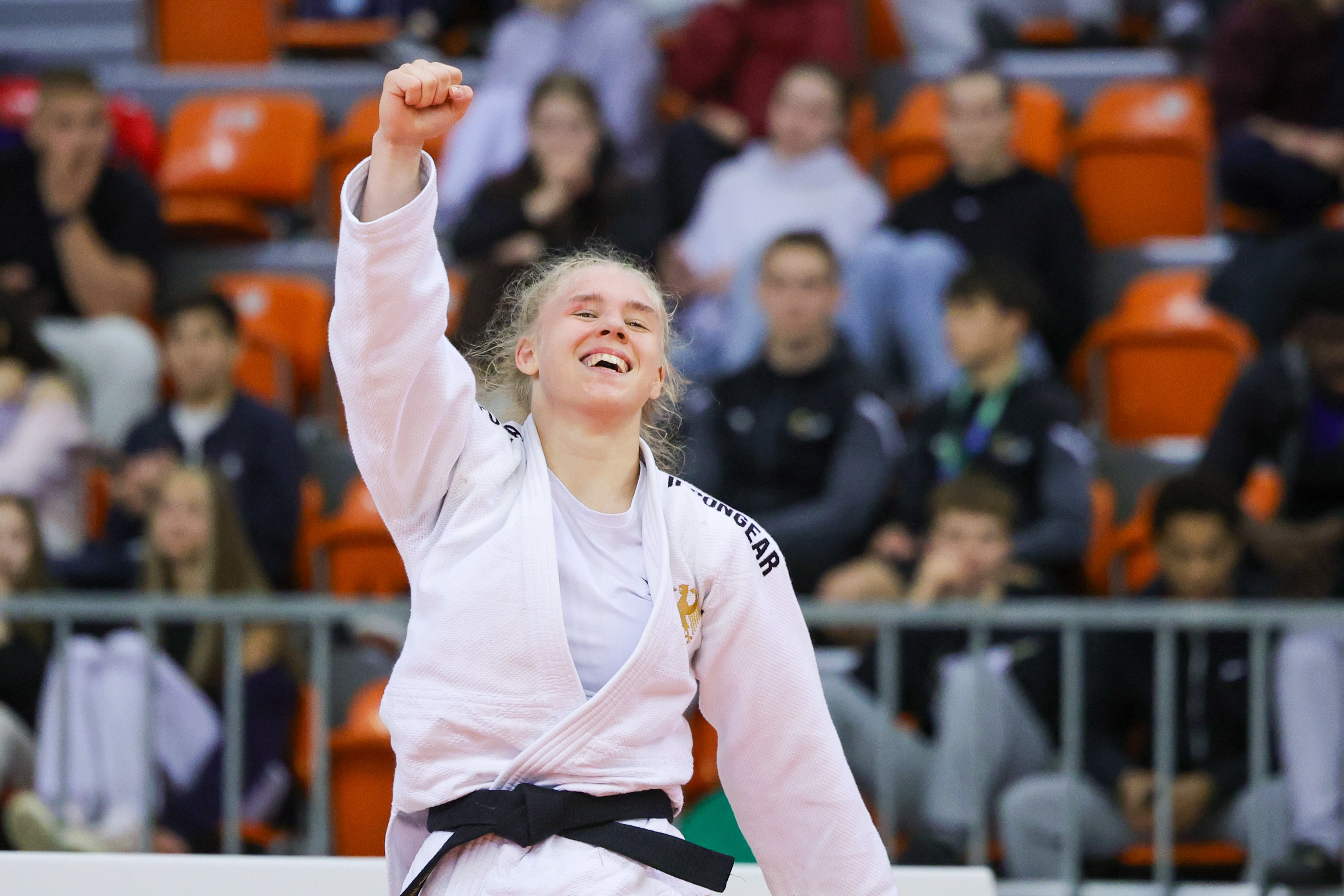
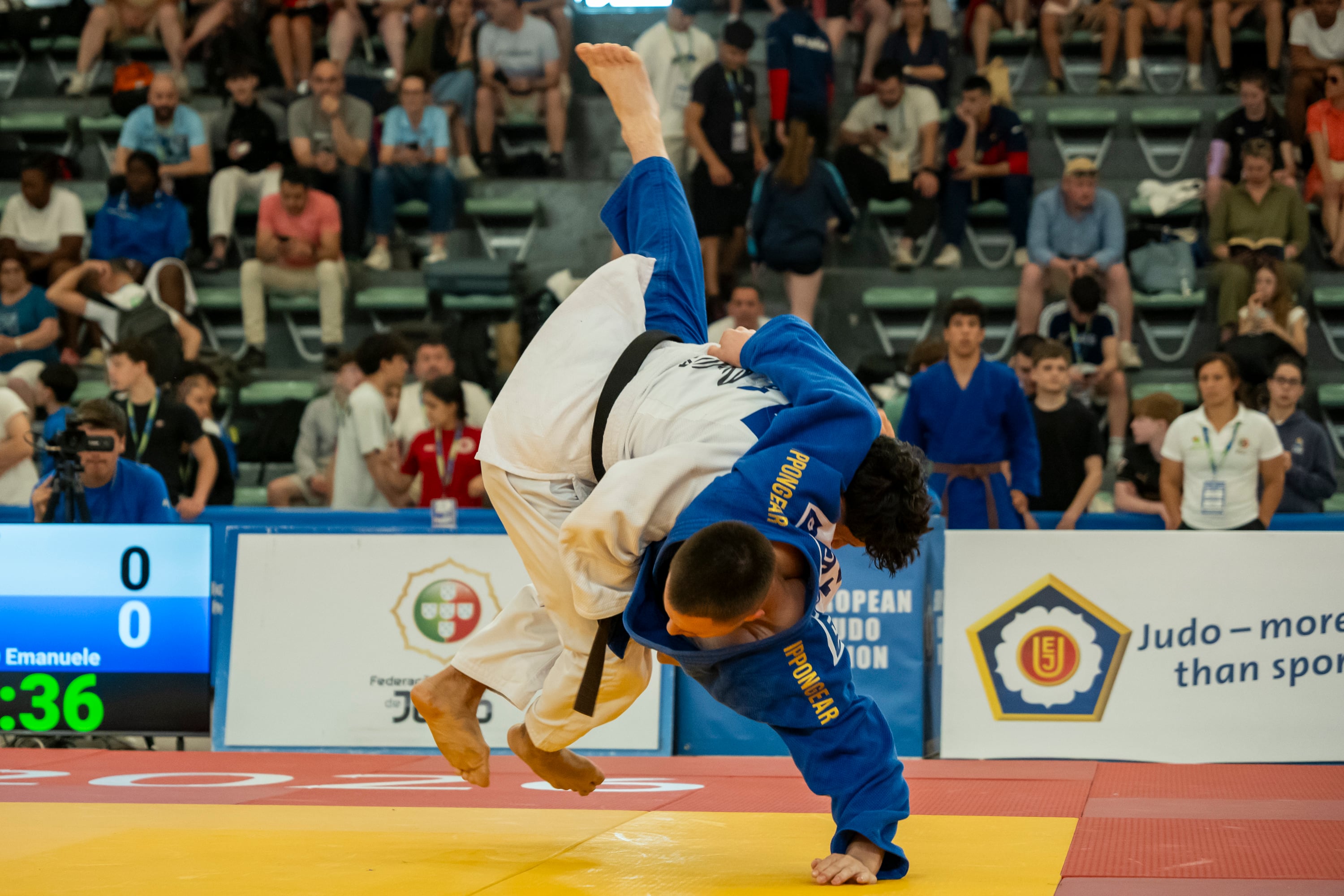
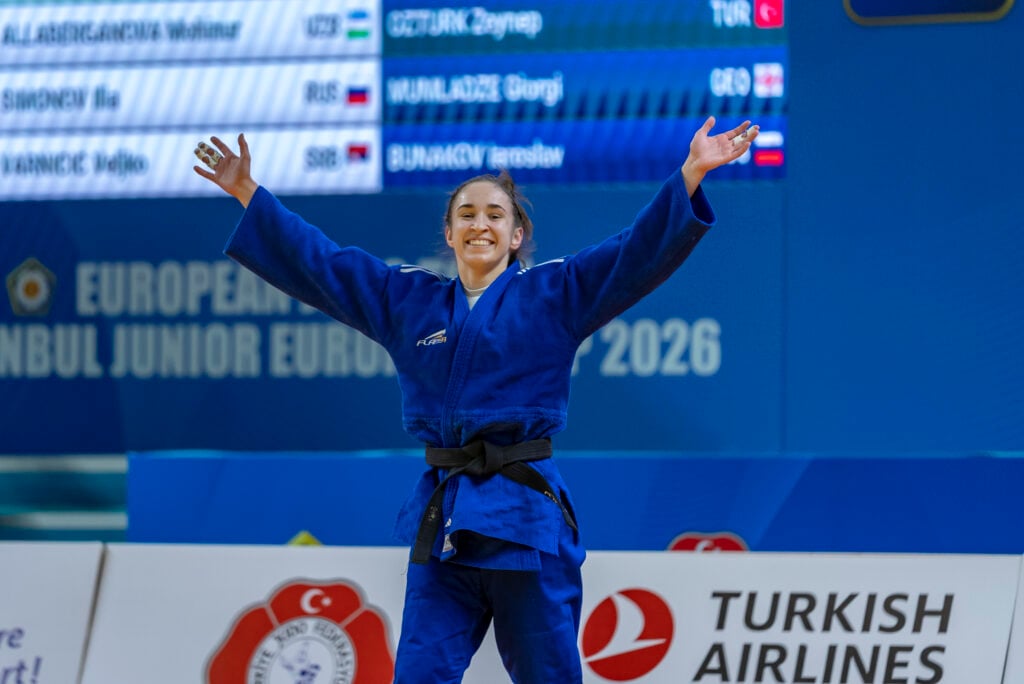
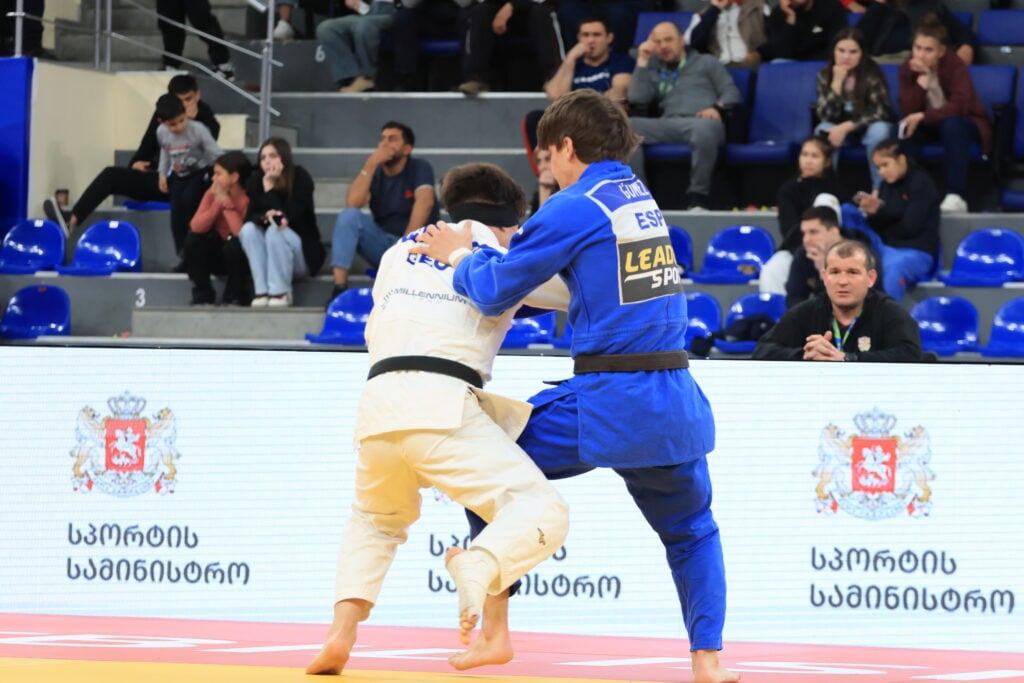
The month began with events bridging April and May, starting in Istanbul, where the Junior European Cup and its accompanying training camp brought together 502 judoka from 27 countries. Russia topped the medal standings with seven gold medals, while Japan and Germany also left their mark. At the same time, Tbilisi hosted the Millennium Team Cadet European Cup and training camp, welcoming 361 athletes from 17 nations. The home crowd had much to celebrate, but it was Russia that dominated proceedings with an extraordinary haul of 13 gold medals.
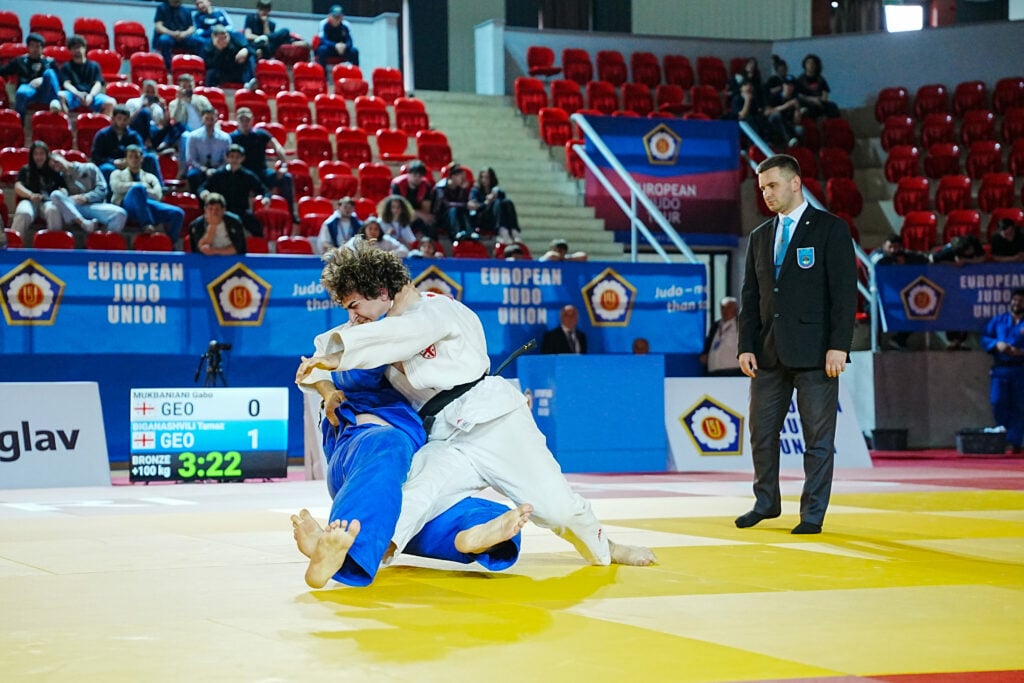
Georgia would soon enjoy its own moment in the spotlight. The Senior European Cup in Gori saw the host nation finish atop the medal table with four gold medals and a total of eighteen podium finishes. Switzerland impressed with three gold medals from three finalists, while Azerbaijan continued its consistent form by collecting nine medals overall.
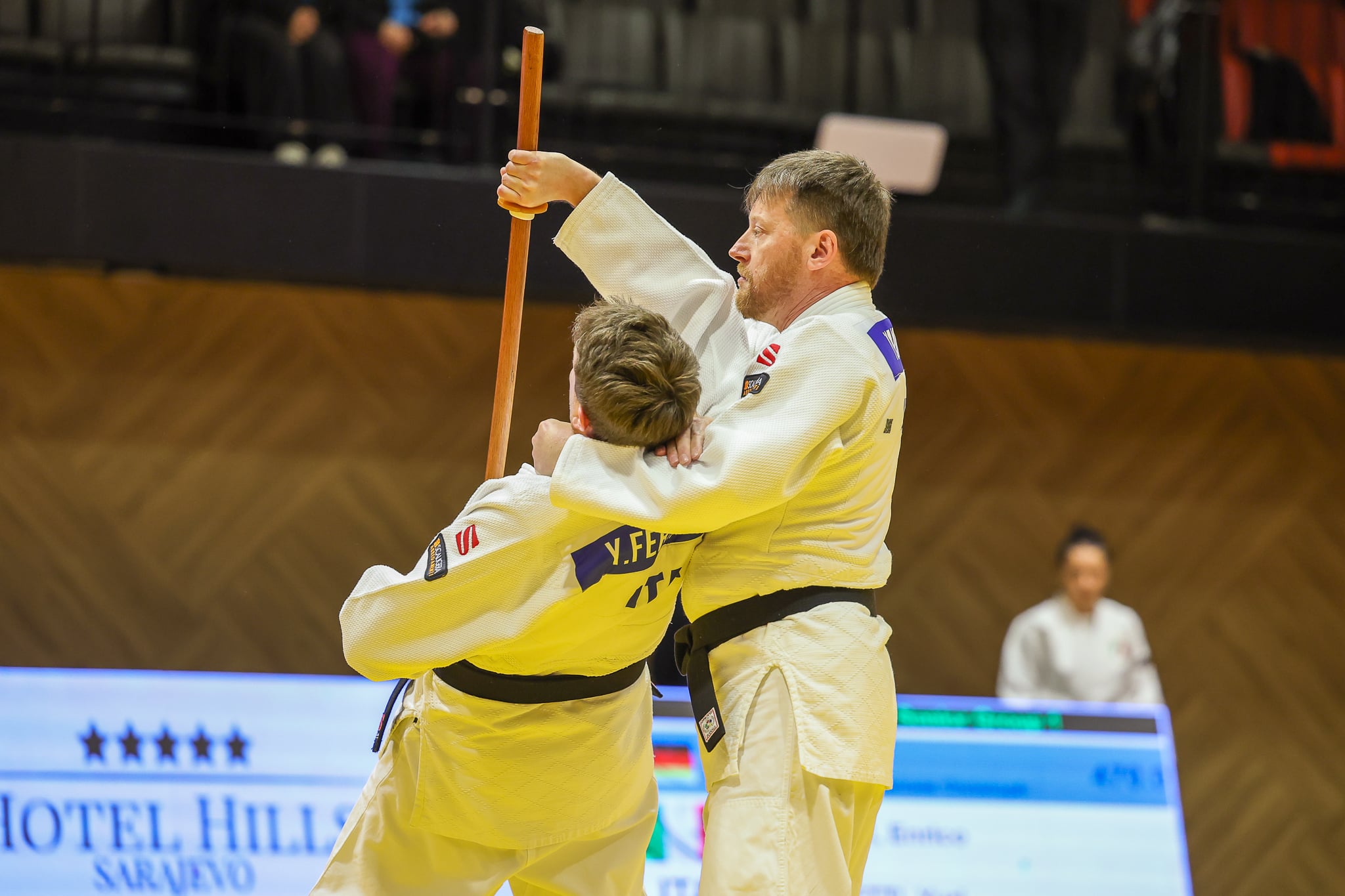
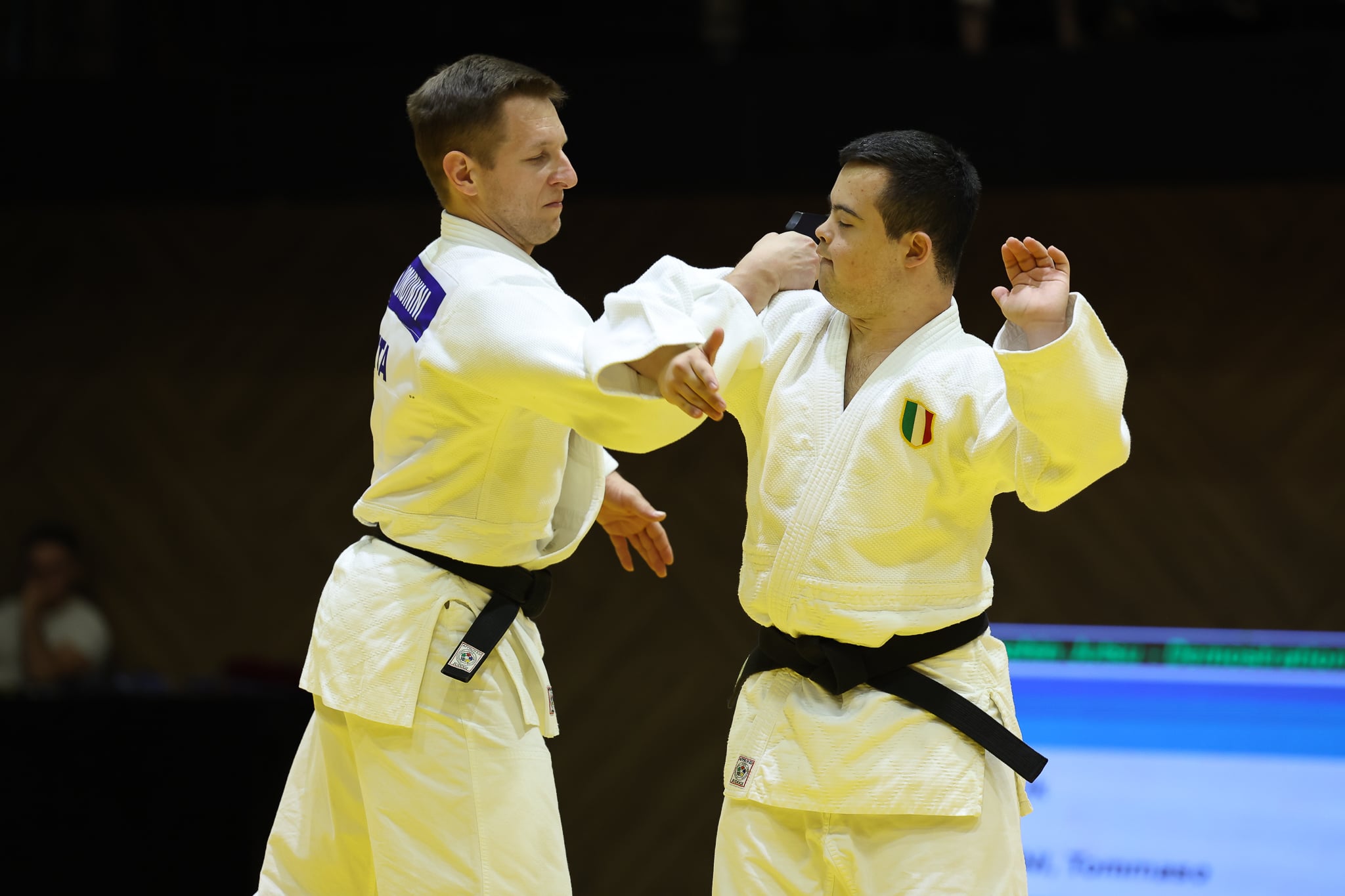
Mid-May brought one of the most prestigious events of the month as Sarajevo staged the European Judo Championships Kata alongside the Kodokan Kata Seminar. More than 400 participants from 27 nations gathered to celebrate the artistic and technical side of judo. Italy emerged as the dominant force, securing eight gold medals and confirming its long-standing excellence in kata competition.
At the same time, attention also turned towards Spain, where La Nucía hosted the European Open before the famous Benidorm Olympic Training Camp. The competition welcomed athletes from 39 nations and was followed by eight days of intensive preparation on the Costa Blanca. Germany led the medal standings in the tournament itself, while the training camp once again demonstrated why Benidorm has become one of the most sought-after destinations on the international judo calendar. With Olympic qualification for Los Angeles 2028 fast approaching, the opportunity to train alongside world, continental and Olympic champions attracted an unprecedented number of participants.
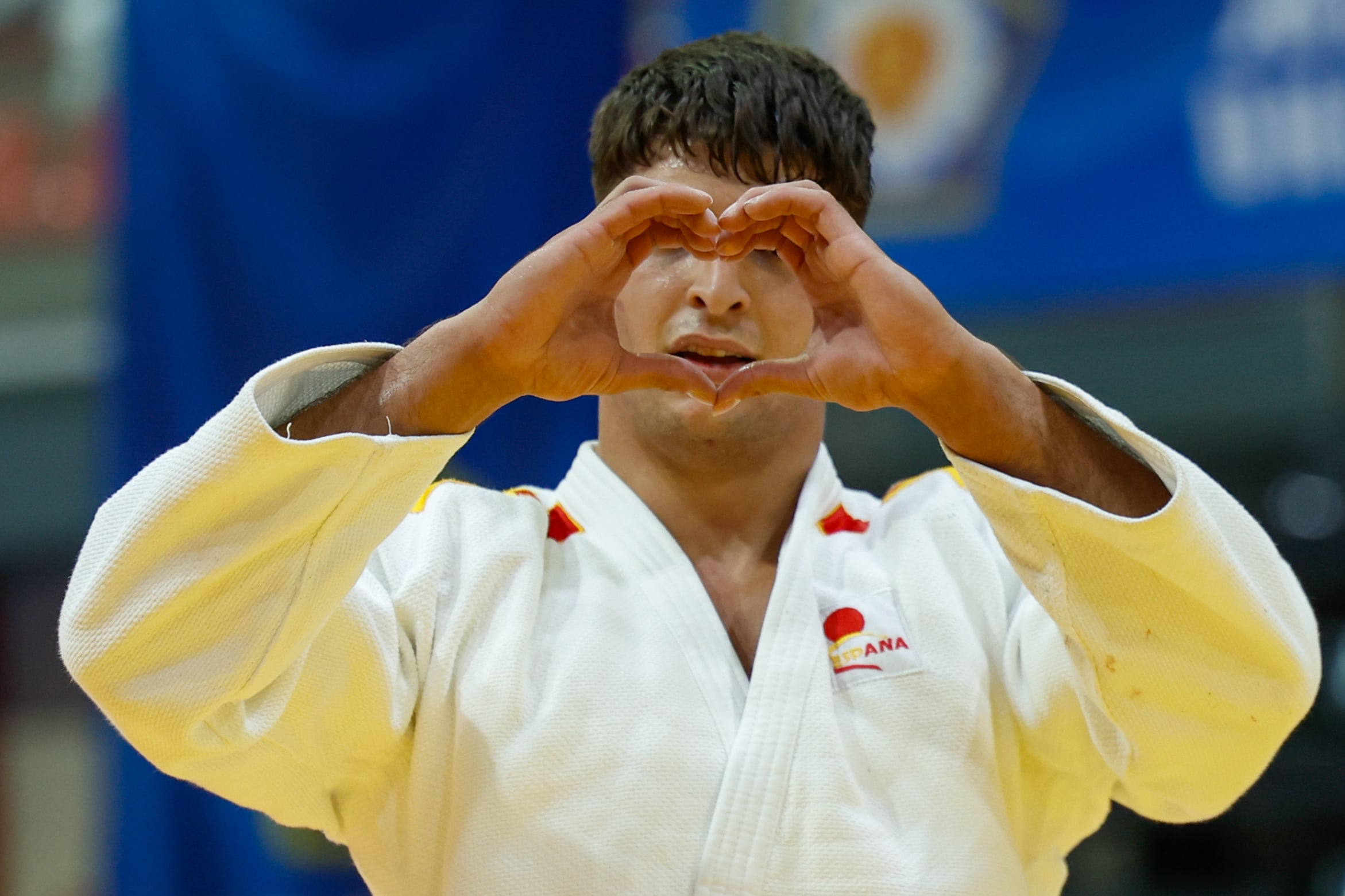
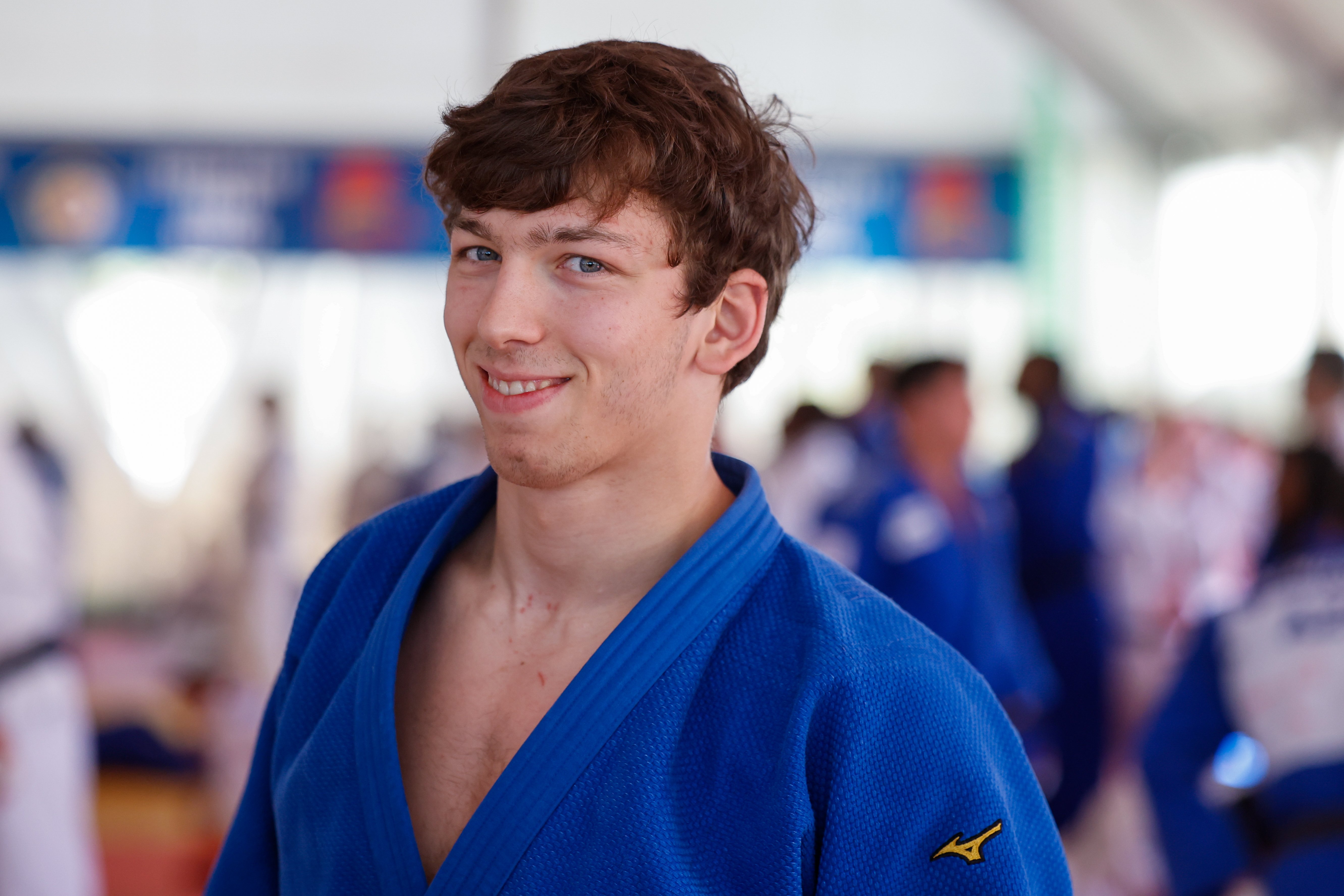
Back in Poland, Bielsko-Biała delivered another unforgettable edition of the Millennium Team Cadet European Cup. Azerbaijan, Kazakhstan and Ukraine topped the medal standings, but perhaps more importantly, the event highlighted the incredible depth of talent emerging across the continent. Many of the names competing there may well become the stars of future European, World and Olympic Championships.
The month continued with a historic first for Portugal. Faro and the Algarve region hosted the Millennium Team Cadet European Cup for the first time, welcoming 582 judoka from 31 countries. Italy proved dominant, collecting six gold medals, while Brazil underlined the growing strength of judo in the Americas with a series of impressive performances.
The final weekend of May offered no signs of slowing down. Sarajevo once again welcomed the judo family for the Senior European Cup, where Türkiye narrowly edged Croatia and Russia in the medal standings. Meanwhile, the Junior European Cup in Graz attracted a record-breaking 617 competitors from 34 nations. Brazil led the medal table ahead of France and Azerbaijan, confirming its status as one of the strongest non-European nations regularly competing on the EJU circuit.
-32655.jpg)
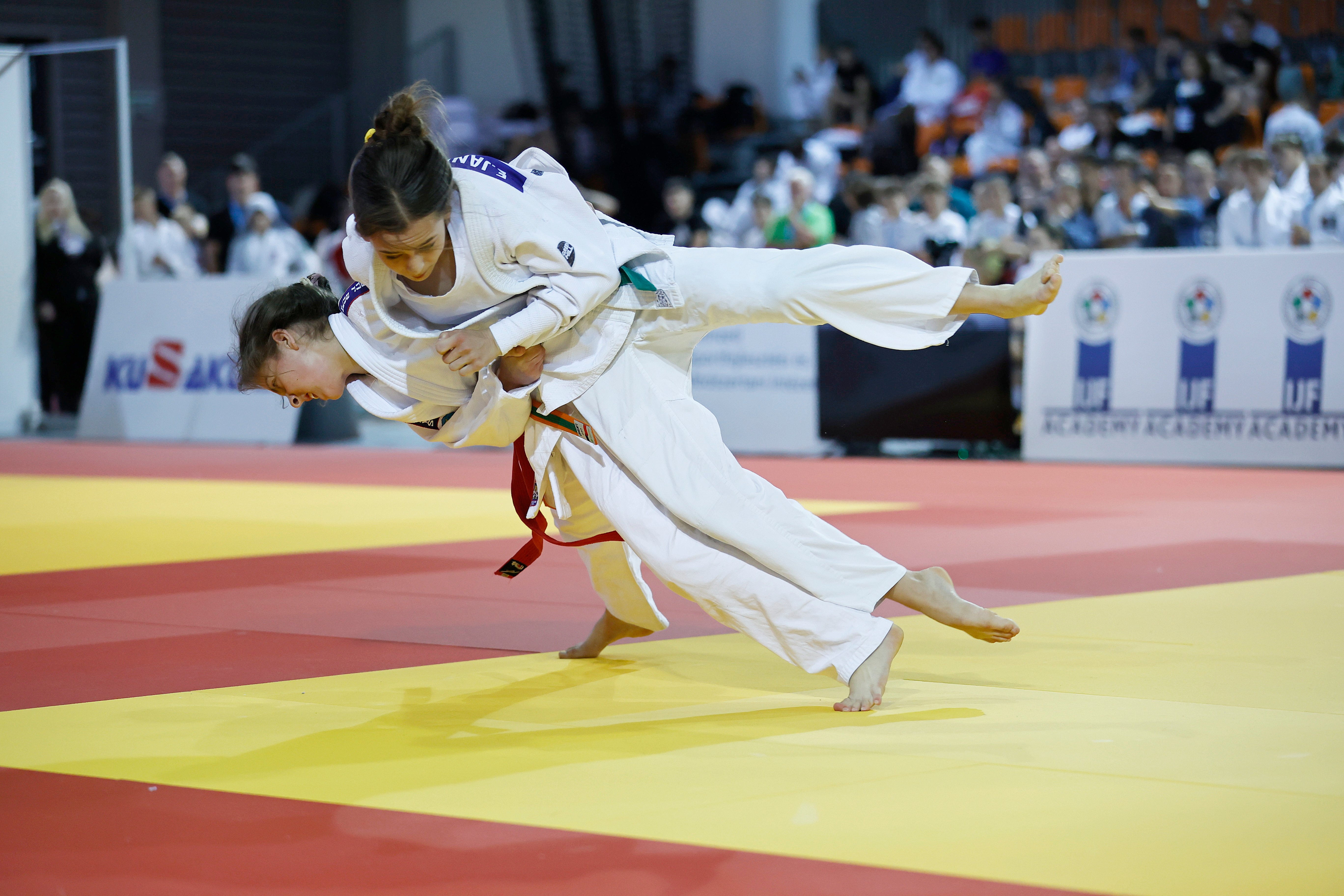
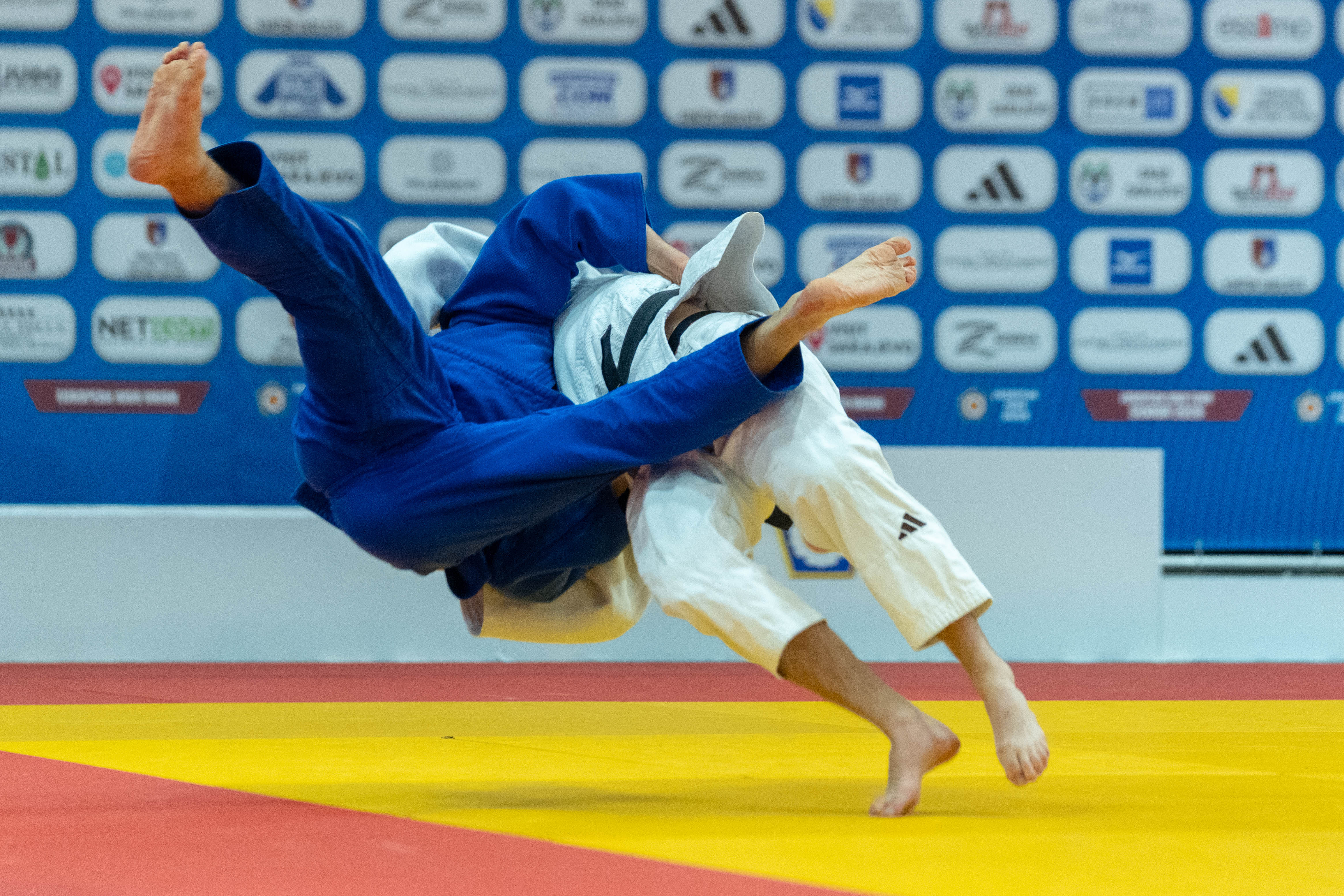
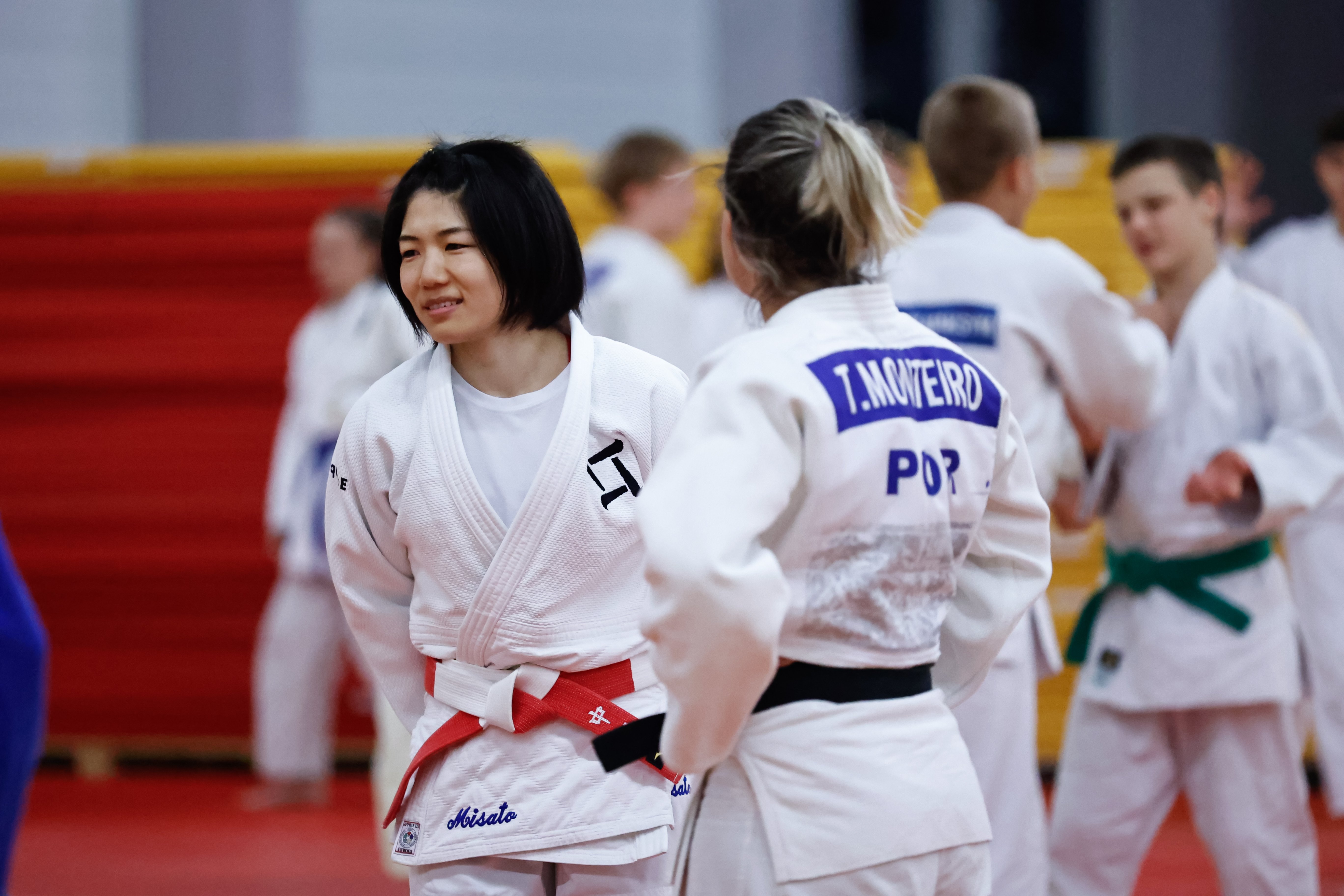
The month concluded in Győr with the second edition of the Judo Hopes Tournament. The Hungarian city welcomed 556 young judoka from 24 nations and provided another reminder of the importance of investing in the next generation. Hungary dominated on home soil with nine gold medals and an impressive total of 34 podium finishes. Ukraine and Croatia followed closely behind but the true winners were the hundreds of young athletes who gained invaluable international experience.
When the final medal had been awarded and the last training session completed, May 2026 left behind more than statistics. It showed the remarkable health of European judo, the growing global appeal of EJU events and the strength of a development pathway that stretches from the youngest U14 competitors all the way to Olympic hopefuls preparing for Los Angeles 2028.
In just one month, over 6,000 members of the judo community came together through competition, education and training. Few sports can claim such a relentless rhythm of activity, and even fewer can match the scale achieved by the European Judo Union throughout May 2026.
Author: Gombkötő Roland
Author: EJU Media