





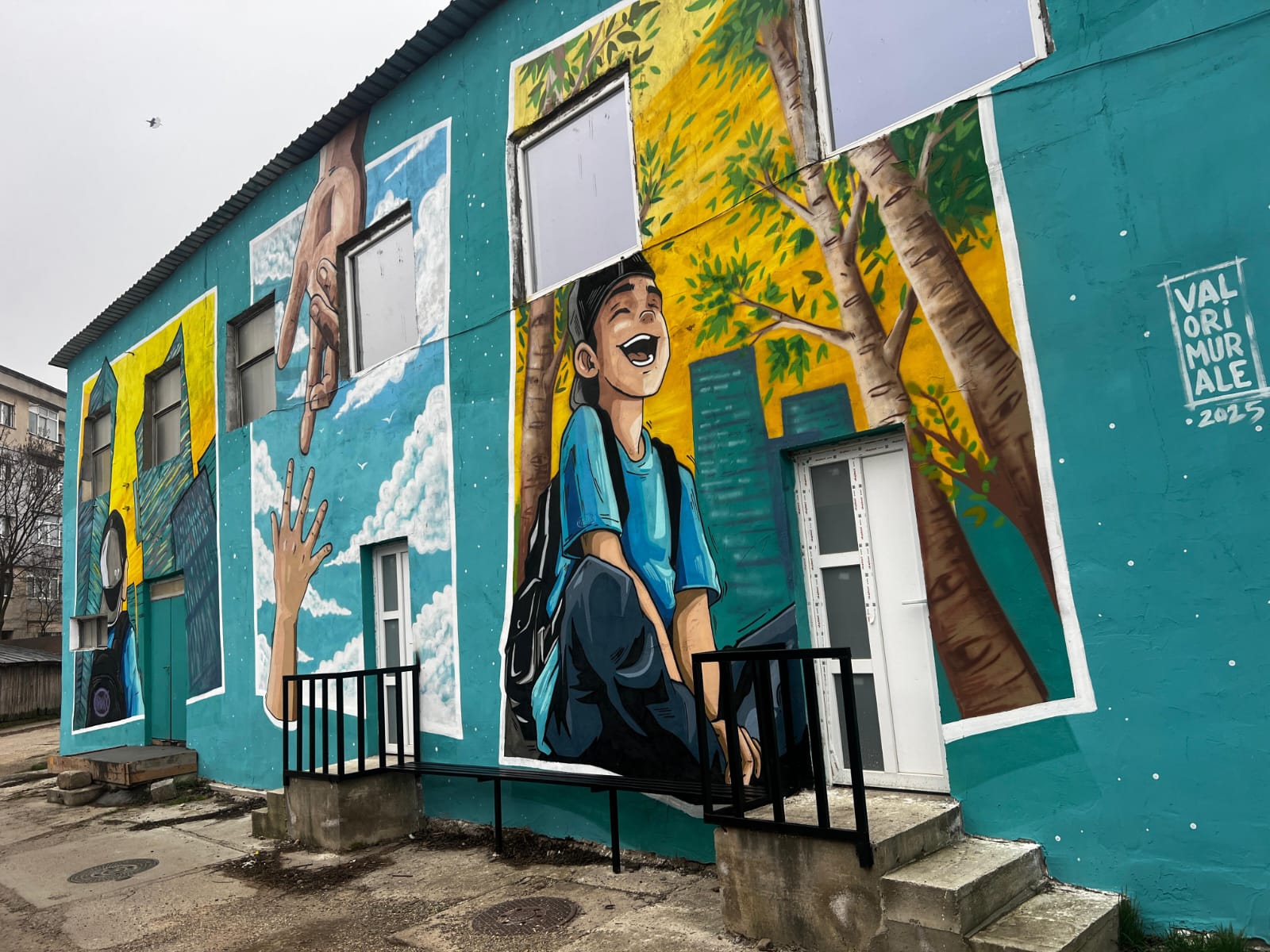
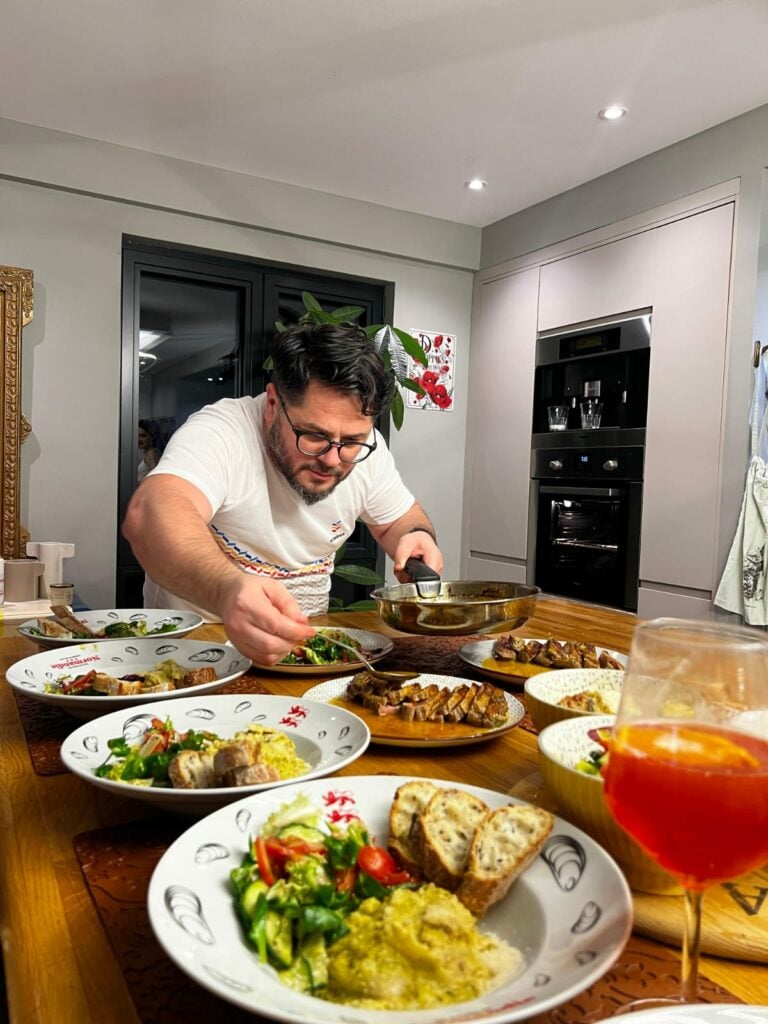
In Bacău, a modest city in eastern Romania, heroism does not arrive with noise or recognition. It does not wear medals, nor does it seek applause. It wakes up at five in the morning, cooks for a house full of children, checks school attendance, pours concrete at a construction site, ties judo belts, listens, argues, forgives and begins again. This is the world of Daniel Zodian.

Daniel did not set out to become a symbol of social change. In 2009, he was simply a judo coach who noticed something that was impossible to ignore. Children arriving at training cold, hungry and worn down by circumstances far heavier than their age. At the same time, he was running a construction company, building houses for others while slowly building a life of his own. Then came a decision that changed everything.
“I was building my house,” Daniel recalls, “and I said to myself, why should this be only for me?”
In 2014, that house became an orphanage. By 2018, it was finished and 23 children moved in. In truth, many had already passed through his care before that, living in one-bedroom and three-bedroom flats, wherever space could be found. What grew was not an institution but a family. Life inside Daniel’s home is not idealised. Children forget things. They argue. They test limits. Just like any family.
“I take care of food, clothes, everything,” he says with a smile, “and then I forget my belt one day and they don’t let me hear the end of it.”
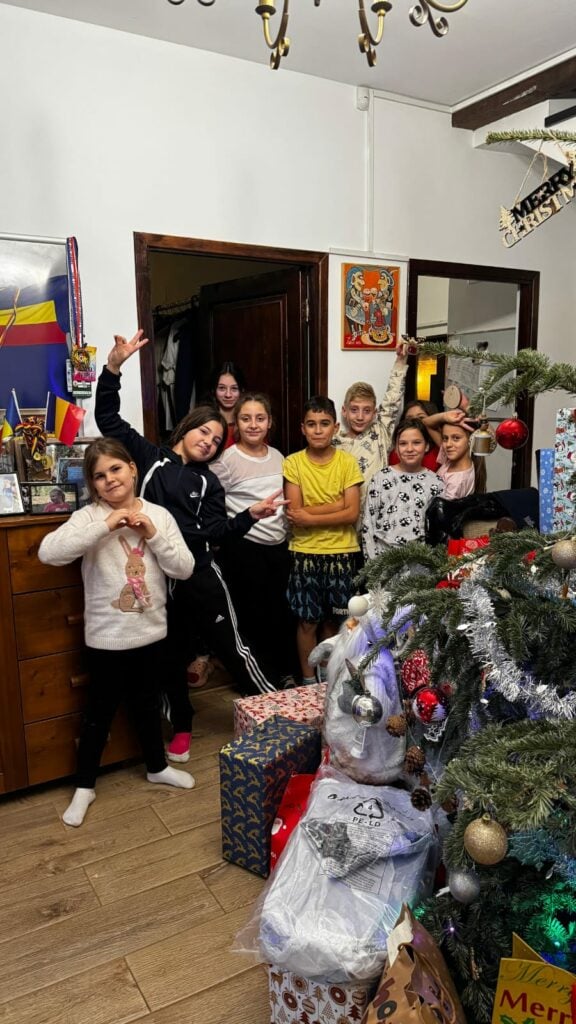
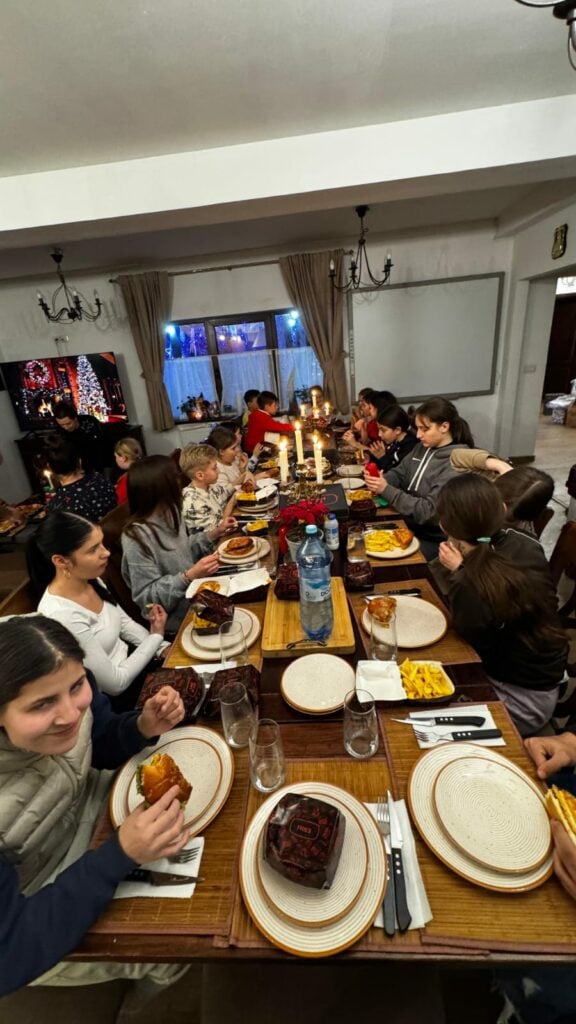
Every year on 6 December, the day that started it all, the house fills with light. Two Christmas trees are raised, one beneath the staircase, tall and central, as if reminding everyone that traditions matter and that belonging is something you build, year after year.
Judo is the backbone of Daniel’s philosophy but never as a pursuit of medals. In his house, education comes first. Judo is compulsory until the early teenage years, not to produce champions but to shape character.
“A black belt is not a rank,” he says. “A black belt is someone who never gives up. Every child here is a black belt in life.”
Some of those black belts wear their resilience quietly. Others rewrite what society believes is possible.
One young woman Daniel met at a disability event, paralysed after a tragic accident, was told she would never sit upright again. Contrary, she practised kata and competed too. Another young woman with an intellectual disability completed a sports university degree and now teaches. One child arrived after more than 30 suicide attempts; today, she is finishing university. None of them were “given a chance” before judo, care and consistency entered their lives.
Daniel’s path into adapted judo was not planned. It emerged naturally from the children he welcomed, children with intellectual and physical disabilities who were expected to fit into a world that had no space prepared for them. Judo became therapy, structure, safety and expression.
“People think judo is about fighting,” he says. “It teaches you how to fall and how to stand up again. That is life.”
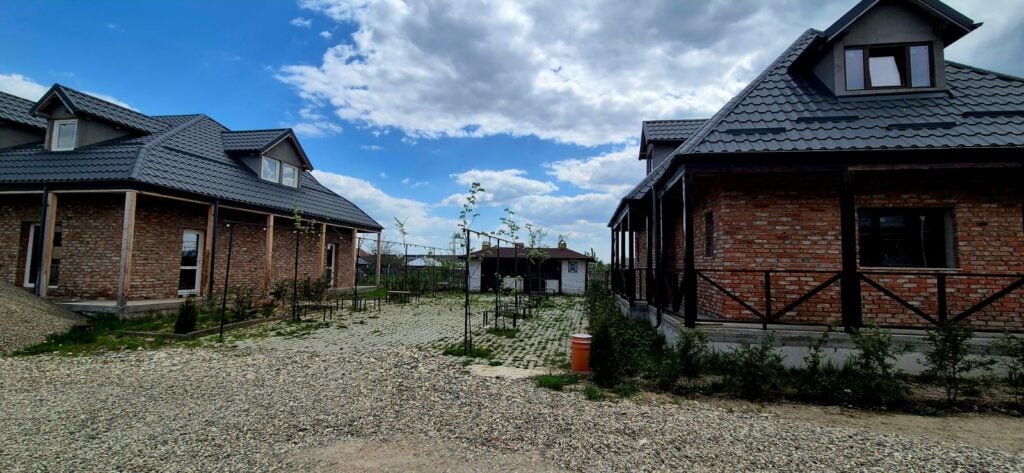
His work has grown far beyond one house. Today, Daniel stands at the centre of an ambitious vision: the Bronx Children’s Craft Village. Seven newly built houses, a dojo, a church, and space for 60 children from disadvantaged backgrounds. Each house carries a name, not as a title of honour but as a symbol of responsibility. To carry a name means to care, to commit, to remain present.
Nearby stands the Maria Bronx Social Kitchen, fully equipped and ready to serve daily meals to at least 200 children. Alongside it, a small grocery store with clean, local products and a barbershop for the community. All built. All waiting.
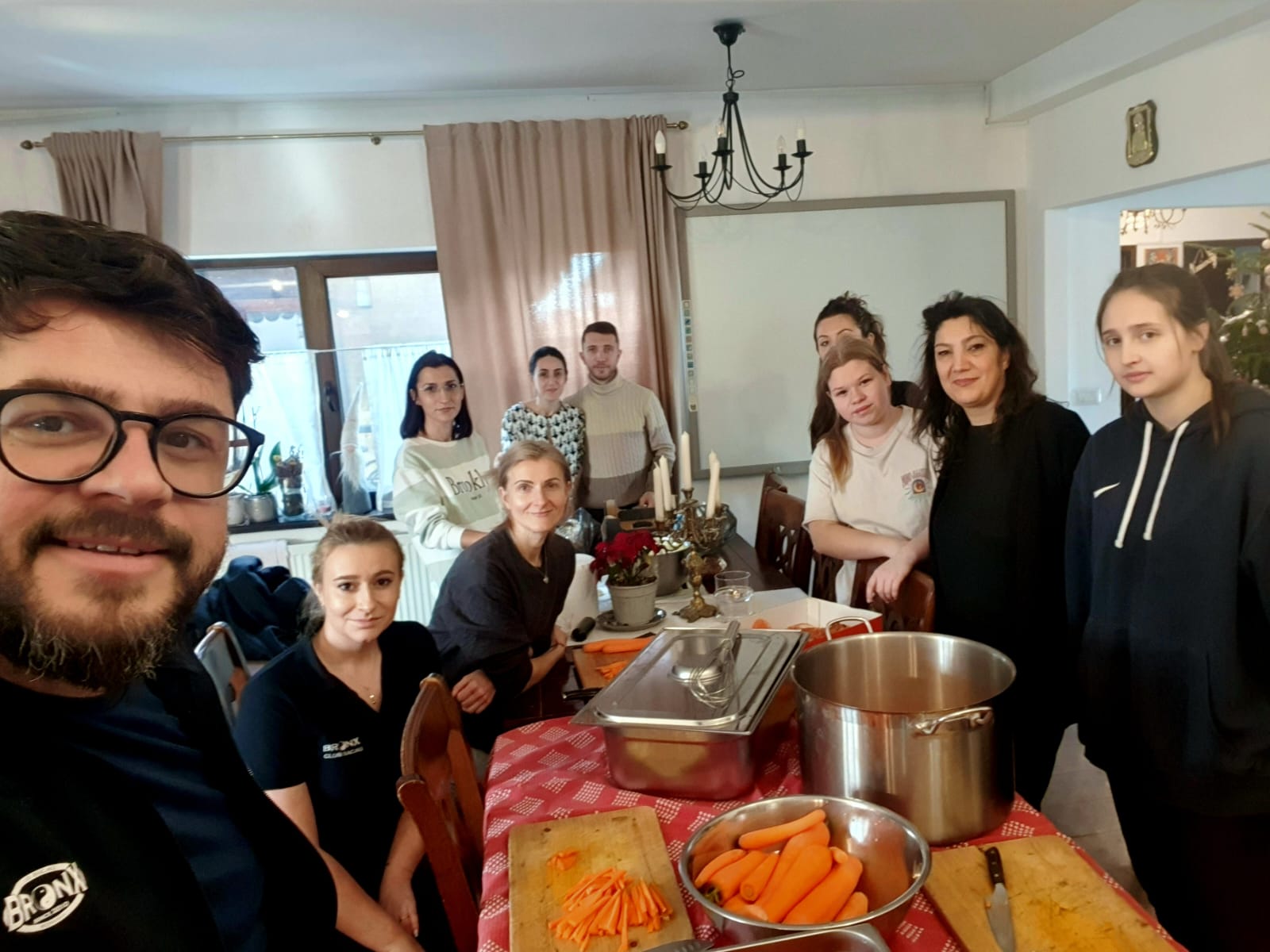
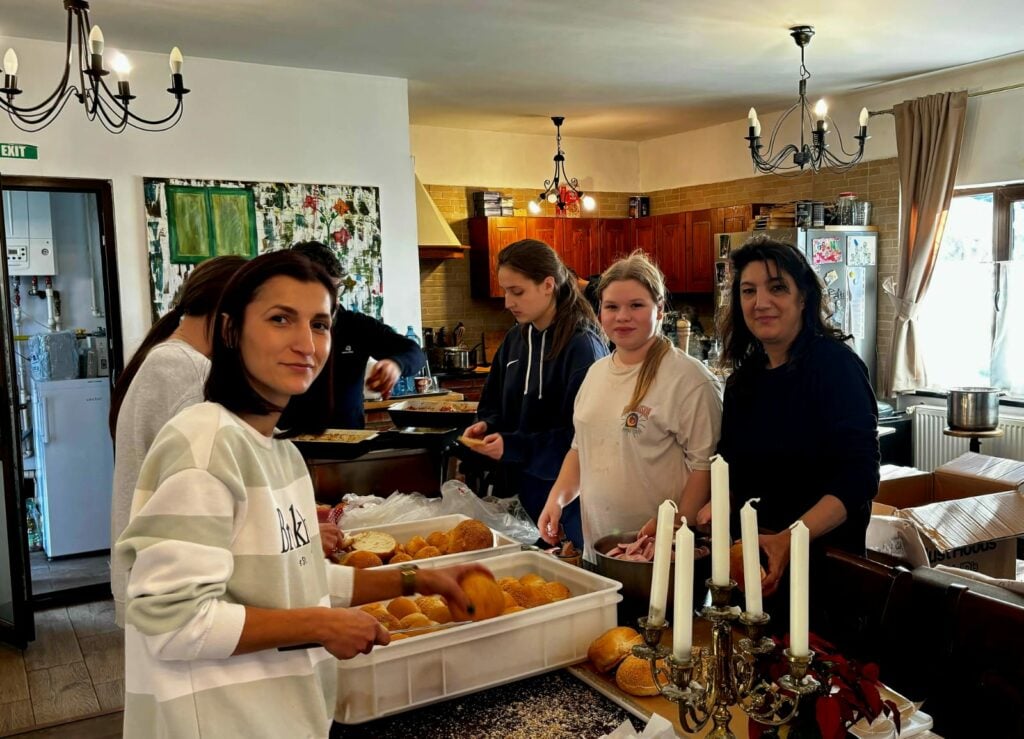
Daniel has also prepared a dedicated house and judo hall for children and young people with disabilities, a space for 12 residents, including physiotherapy and medical care. Here, judo is not competition but healing.
The urgency behind all this is deeply personal. In September 2022, he suffered a heart attack. During recovery, much of the support around him disappeared. The children remained. Fear remained too.
“After that,” he says quietly, “I wanted to do everything ‘yesterday’ because I know I won’t live forever.”
There are mornings when exhaustion wins. When children grow up, leave and slowly fade from contact, the sadness lingers. He was once offered two million euros for everything he had built. He said no.
“What would I sell?” he asks. “A home? A future?”
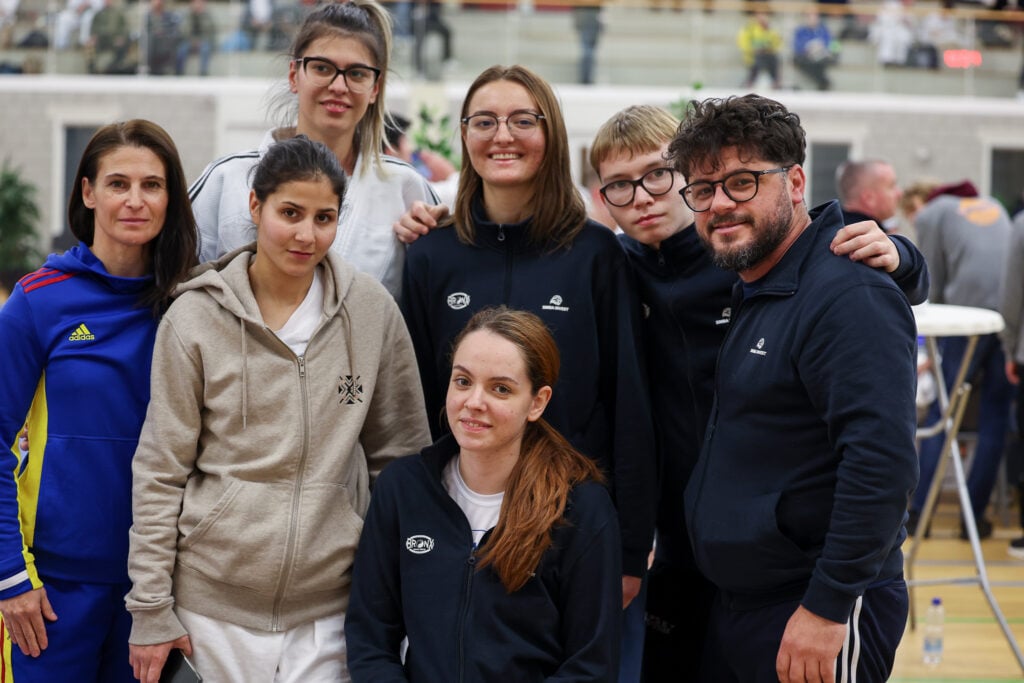
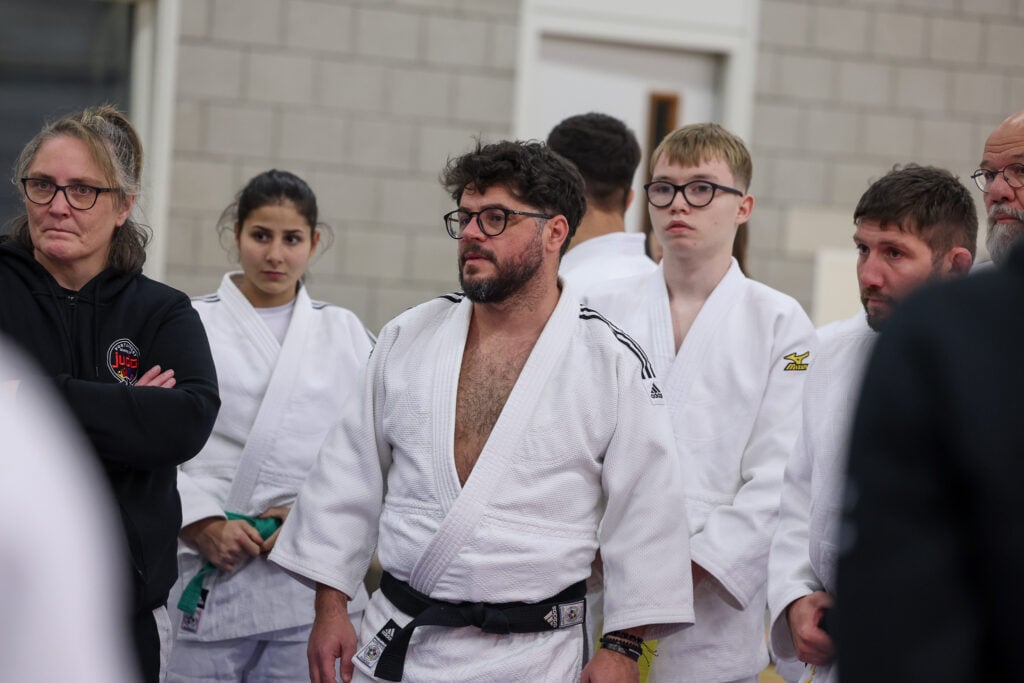
For Daniel, judo is inseparable from faith and humanity. He believes its values mirror the deepest human principles: respect, responsibility, mutual welfare. He challenges how society views disability with disarming honesty.
“We are the ones with disabilities,” he says. “Not them. They don’t judge. They just live.”
When sharing his plans for 2026, Daniel does not speak in terms of strategy but of people. Completing the first stage of the Bronx Children’s Craft Village. Opening the disability house. Activating the social kitchen. Building a Bronx Hostel, a sports base, a detox centre for young people who have lost their way.
“All of this,” he says, “stands under the umbrella of judo.”
In Bacău, there is no statue of Daniel Zodian. No headlines large enough to capture what he carries each day. There is only a man who refused to walk past suffering without stopping, who turned his home into a refuge and who believes, stubbornly, relentlessly, that consistent good can still change the world.
Not every hero wears cape.
Some wear a judo gi.
Some carry keys to a house that became a home.
Please help support the movement Daniel is building. Lives are waiting.
Author: Szandra Szogedi