





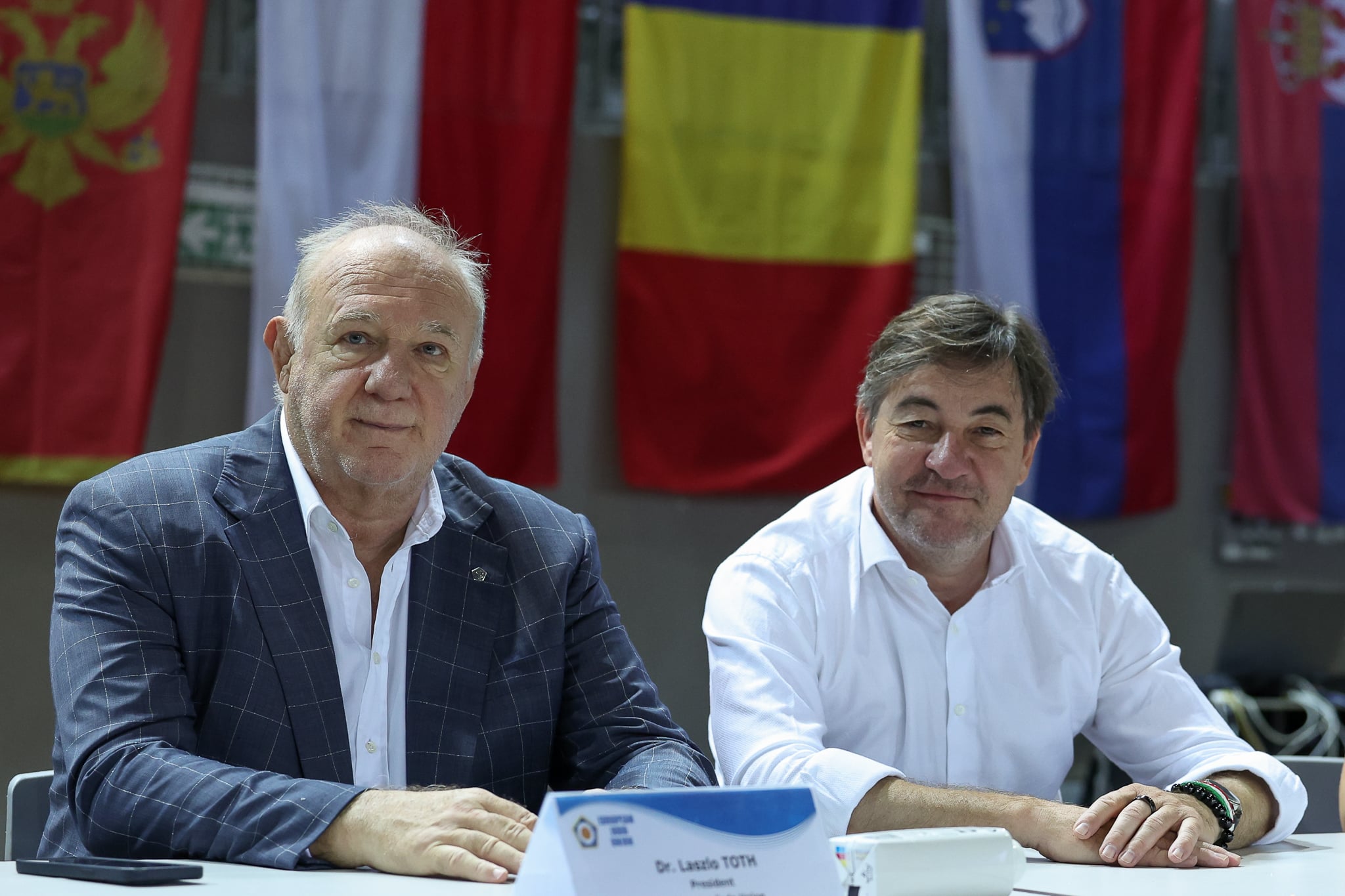
The Győr Get Together Adapted Judo Tournament, held on 15 August, received a powerful endorsement from Szabó László, President of the Hungarian Paralympic Committee, who praised the competition as a landmark moment for inclusion in sport.

Speaking to reporters at the event, Szabó praised the European Judo Union and the Hungarian Judo Federation for creating a platform where athletes of all abilities could come together on the tatami.
“Sport is the world’s largest network, I can’t imagine a bigger one, and judo is an important part of it,” he said. “This network must ensure that everyone can join in and no one is excluded. A sports competition is about more than podiums and prizes. A great event can show more to those for whom life is not as easy to navigate as it is for others. Today we are not just seeing a judo competition, but something human, something special, something completely inclusive. That is the message of this event, to overcome the barriers of medals and rankings.”
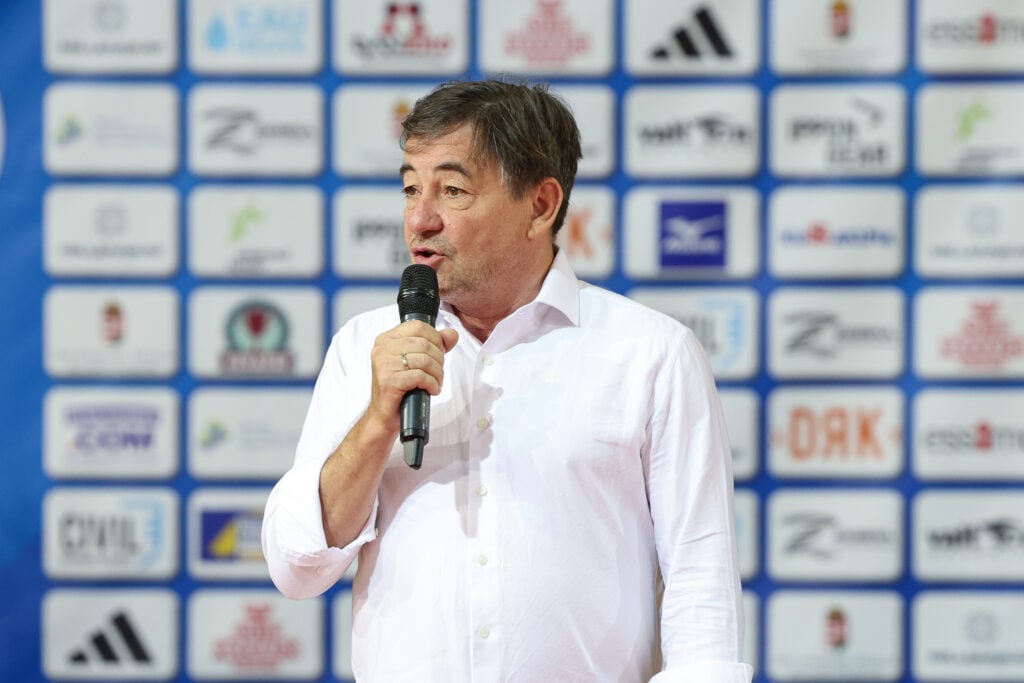
Asked whether such an adapted judo competition could one day form part of the Paralympic programme, Szabó acknowledged the challenges but remained hopeful.
“It’s not an easy situation, because many sports want inclusion and of course it is not going to be included in Los Angeles, but then maybe Brisbane, or a future Paralympics, we can hope that such an event could be considered. It would also be a chance to expand beyond the current blind and visually impaired judo competitions that are already part of the Paralympic Games.”
The value of such tournaments lies far deeper than results. Szabó explains further;
“I think we all need positive feedback throughout our lives, whether at work, in our personal lives, or in sport. It is important to feel that the effort we put in is seen, appreciated, and rewarded with recognition, even if it is a round of applaud from the audience. For competitors who may not always receive this, these events are especially important. They can be life-changing.”
With the 7th edition of the European Para Youth Games (EPYG) have come to a close, Szabó believes that momentum is building for programs like the Get Together event to expand internationally.
“Perhaps this programme can be expanded to EPYG too, and I hope it will gain attention in more and more countries. For the Hungarian Paralympic movement, it is a privilege and a joy to see how these athletes compete, how they work together, and how they smile together. I congratulate the organisers, both the EJU and the Hungarian Judo Association. This is a huge and very important event for us. Thanks also to the athletes, the coaches, and everyone who travelled here. I hope they will enjoy every moment of the tournament, and when they return home, they will speak beautifully about Hungary.”
Author: Szandra Szogedi