





Author: Gino Stefanel

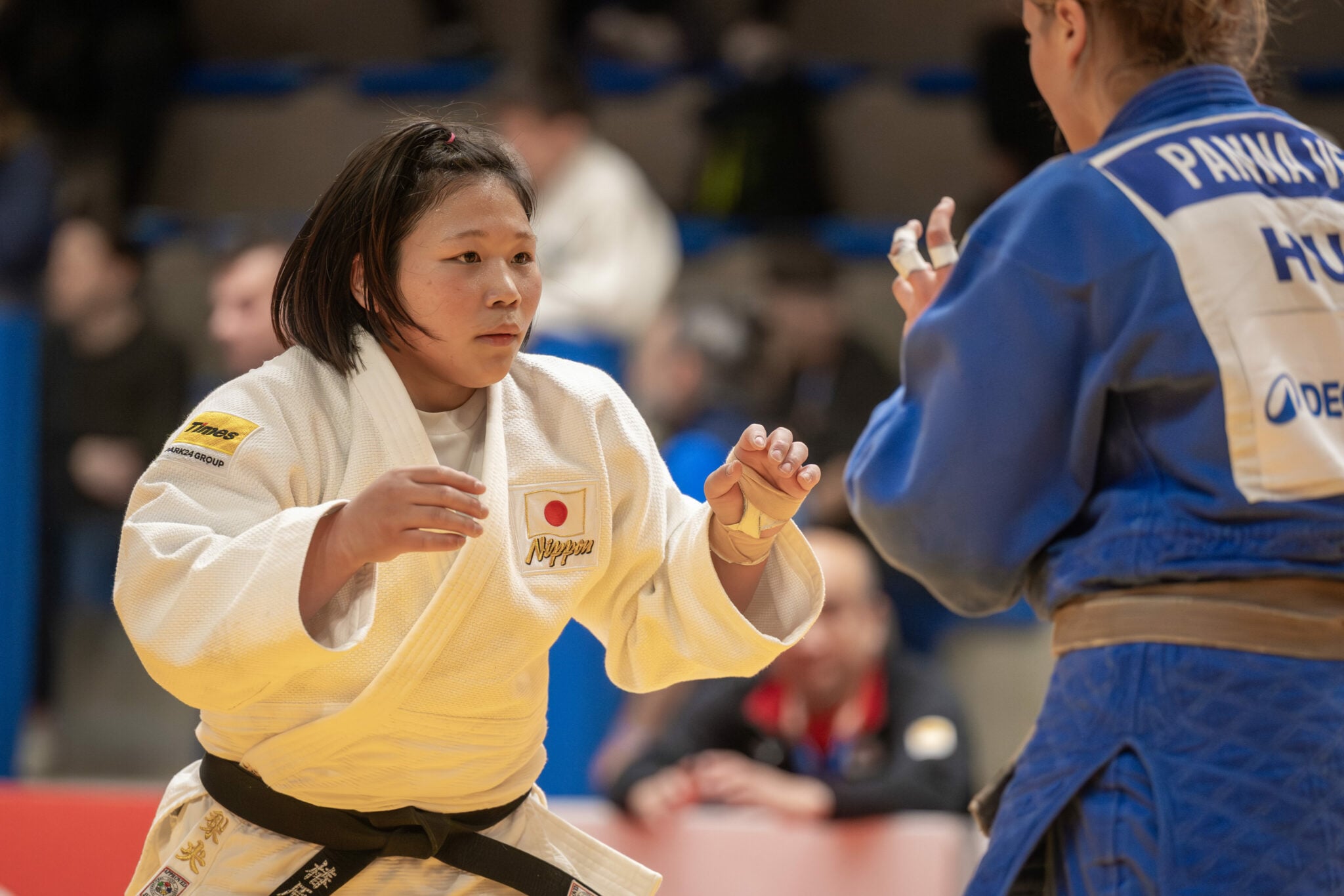
The opening day of competition at the Pala Bella Italia in Lignano Sabbiadoro has drawn to a close, delivering a lively showcase of judo, packed with ippons and sustained excitement from start to finish. Among the standout attractions was the presence of the Japanese women’s team, competing in Lignano for the first time and capturing the imagination of the crowd. Young spectators and volunteers alike gathered eagerly, seeking autographs on shirts and accreditation passes.
Japan enjoyed a flawless day on the tatami, securing two gold medals, one silver and one bronze, with every competing athlete stepping onto the podium. Aoi Komine claimed gold in the -70kg category, demonstrating impressive versatility in tachi-waza with scoring techniques including osoto-otoshi, seoi-otoshi, and ouchi-gari. In the +78kg category, Miu Ushikata dominated with her ne-waza expertise to take top honours.
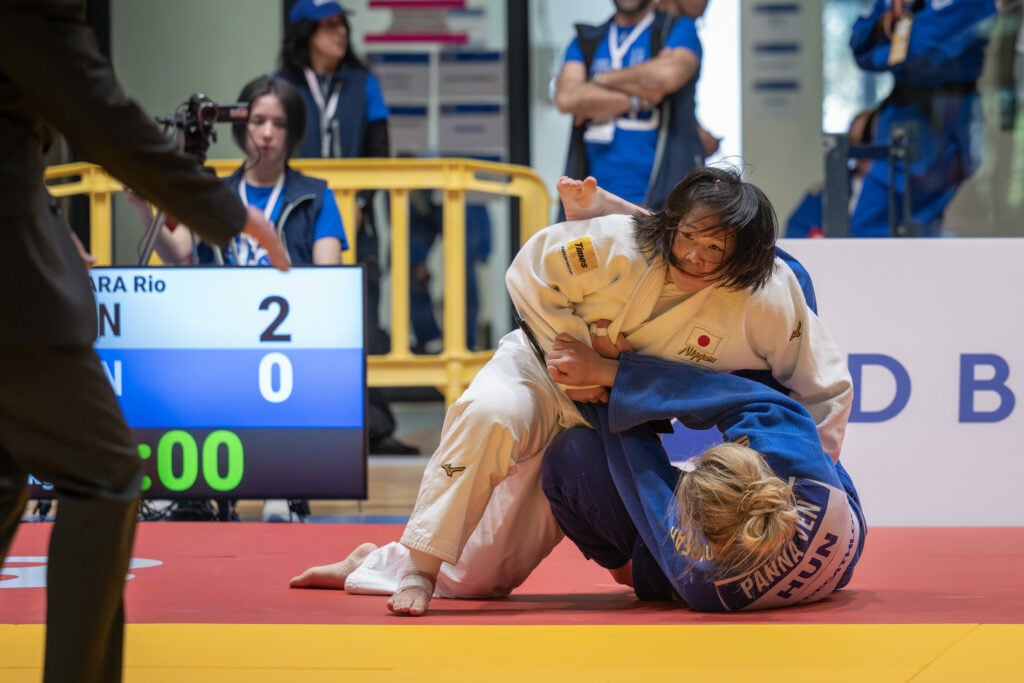
Both athletes kept their reactions simple: “Yes, happy. I am delighted.” Ushikata added, “I was a bit nervous but in the end it was really good.”
The host nation also delivered a commanding performance, with Italy topping the medal table thanks to gold medals from Raffaele Sodano (-60kg), Lucio Tavoletta (-73kg), and Aurora Mengia (-78kg). For Sodano, it marked a milestone moment, his second medal in Lignano and first gold. Reflecting on his day, he said:
“I am very happy with my result. This year the Lignano competition was full of athletes. There’s always something to learn from others and from your own mistakes. Today, for example, I liked the Kazakh and French athletes. In any case, I am very happy with the result and I dedicate it to three groups of people: my family, my second great family, the Nippon Club, and all the coaches who train me. I would like to mention the Parlati family and Pasquale Esposito, who supported me from the coach’s chair and beyond, if I listed them all, it would take a whole day.”
He concluded with a personal note: “because over time I have learned that this sport requires many sacrifices, but they are always rewarded.”
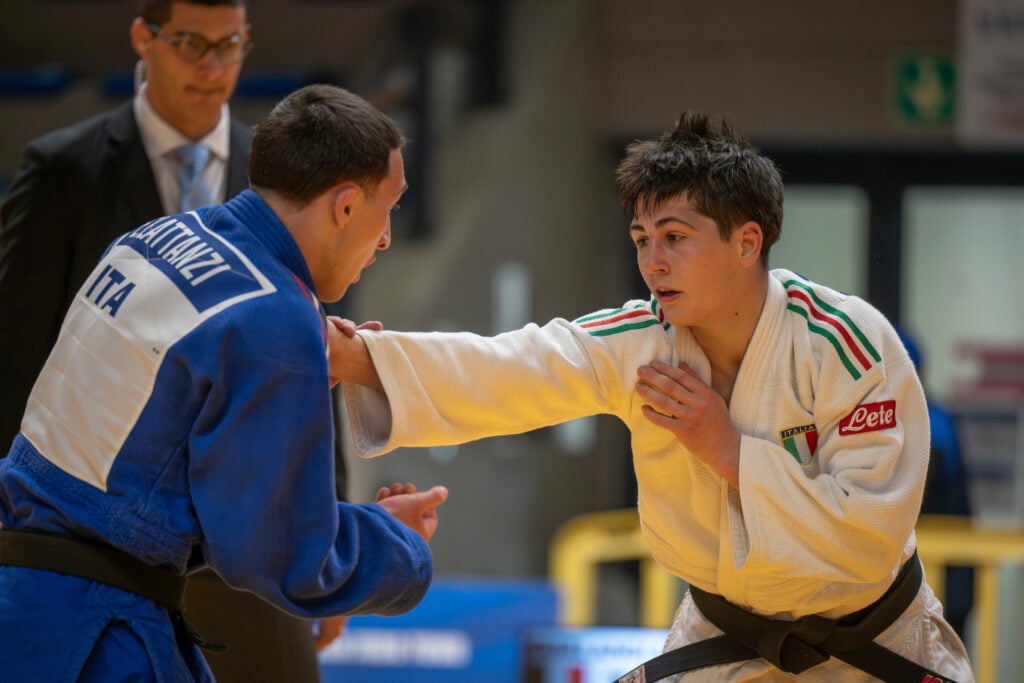
Lucio Tavoletta produced one of the most decisive moments of the day, sealing his -73kg final within seconds with a clean ippon from sode tsurikomi goshi. Having progressed from fifth place two years ago to bronze last year, he now stands at the top of the podium. “Very, very happy with today’s victory,” he said.
He also reflected on his beginnings in the sport: “When I was a child, because my father is my judo coach. At first I didn’t want to do judo because I was shy, but then one day I decided to, and I have never stopped since.”
On returning to Lignano, he added: “It always feels like home, because it’s not just a competition venue but also a place for training camps and practice, so it’s always a pleasure to come back every year.”
Aurora Mengia’s triumph in the -78kg category was equally impressive. In the final against Japan’s Rio Tsubakihara, she took an early yuko and managed the contest with composure to secure gold. “I am very happy with this result because I have worked hard in the gym and I have to thank those who supported me,” she said.
Germany’s Sveyarike Konrad added to the day’s highlights with gold in the -63kg category, showcasing formidable strength. Her campaign included a spectacular tani-otoshi ippon against Asuka Sano in the preliminary rounds, before defeating world number one Ilariia Tsurkan in a hard-fought golden score final. Poland’s Jakub Kurowski rounded off the gold medallists, taking top spot in the -66kg category.
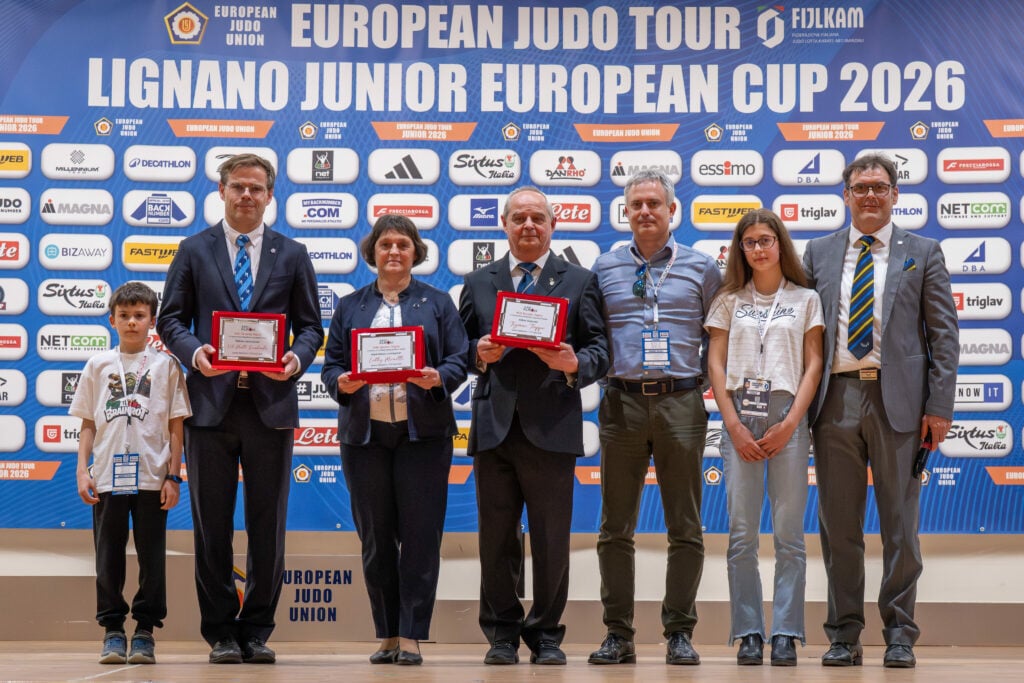
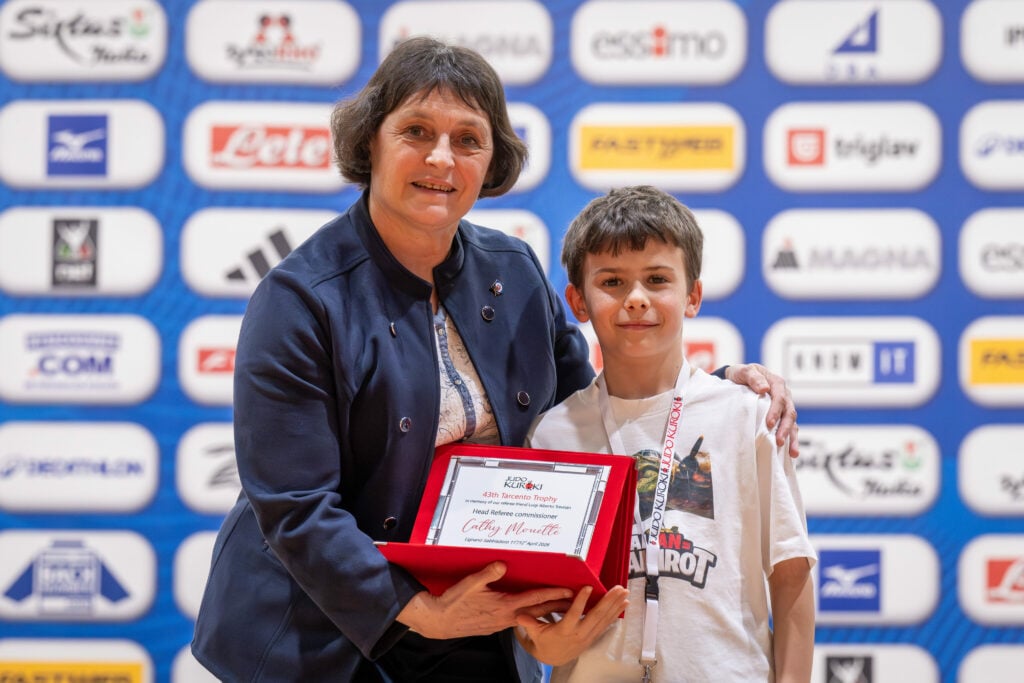
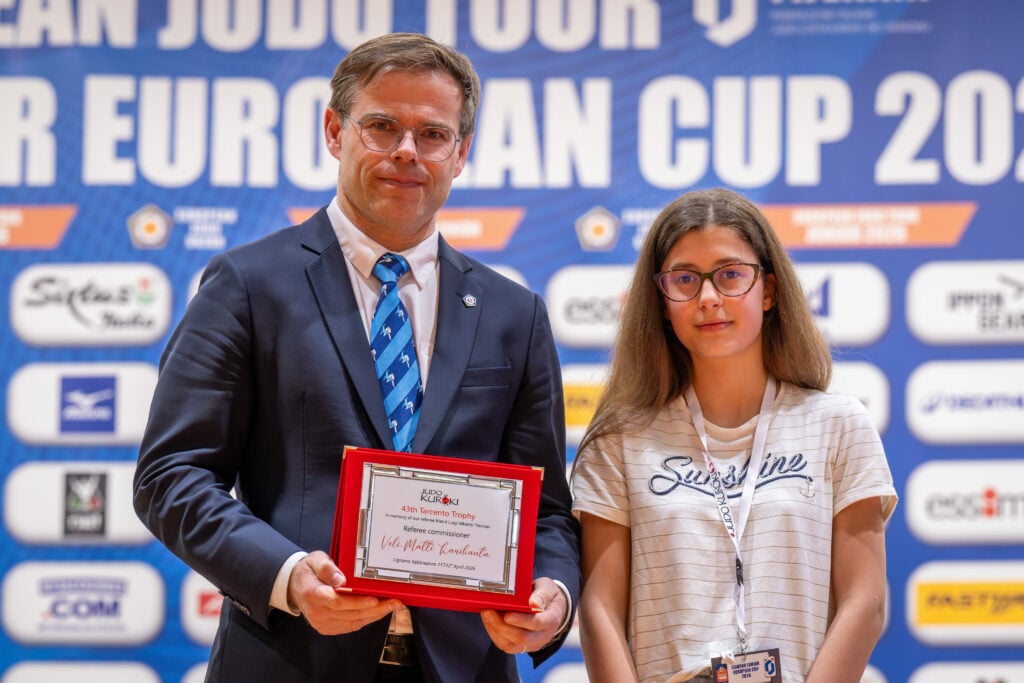
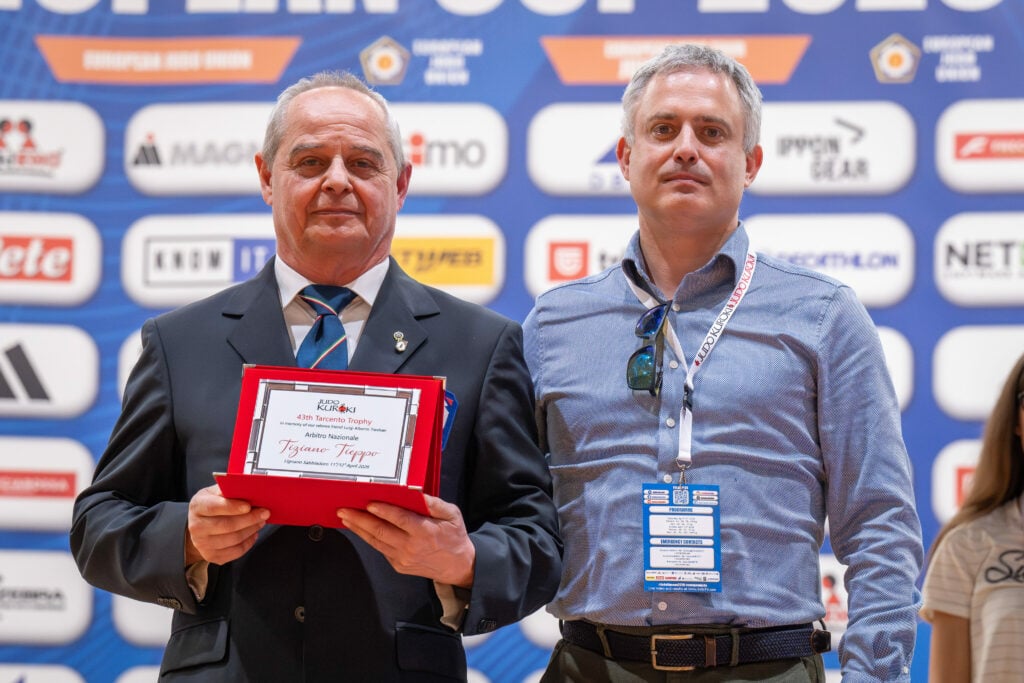
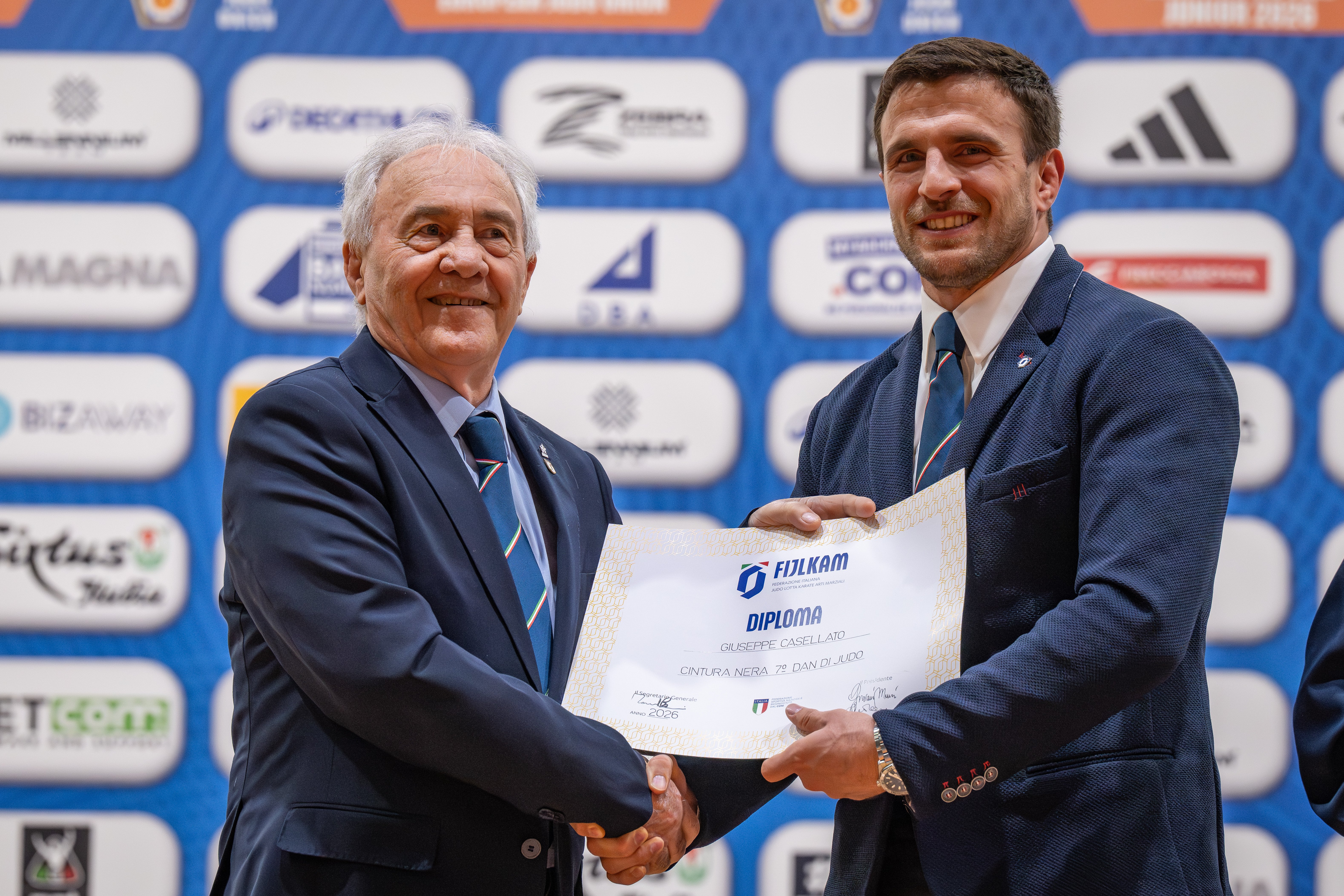
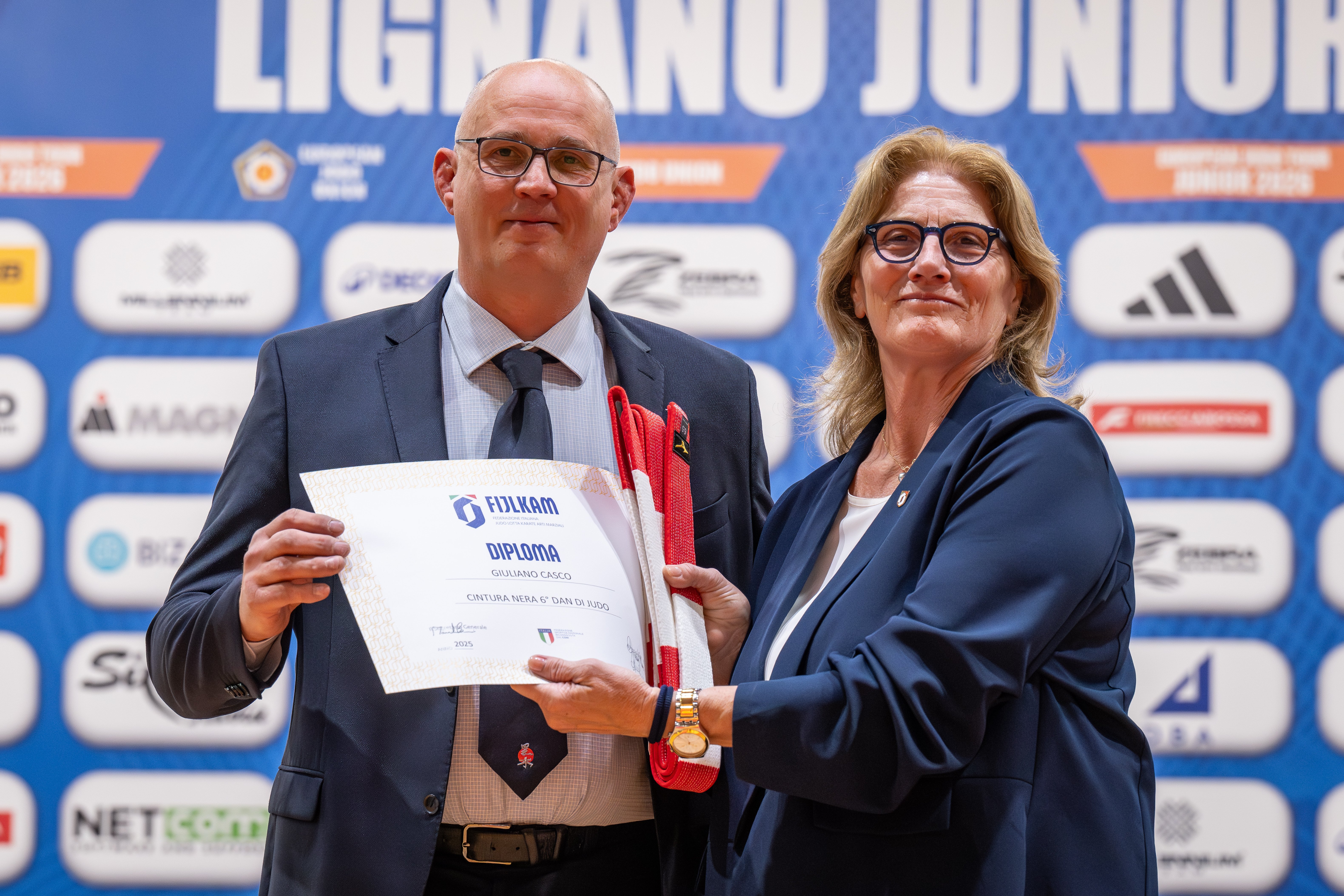
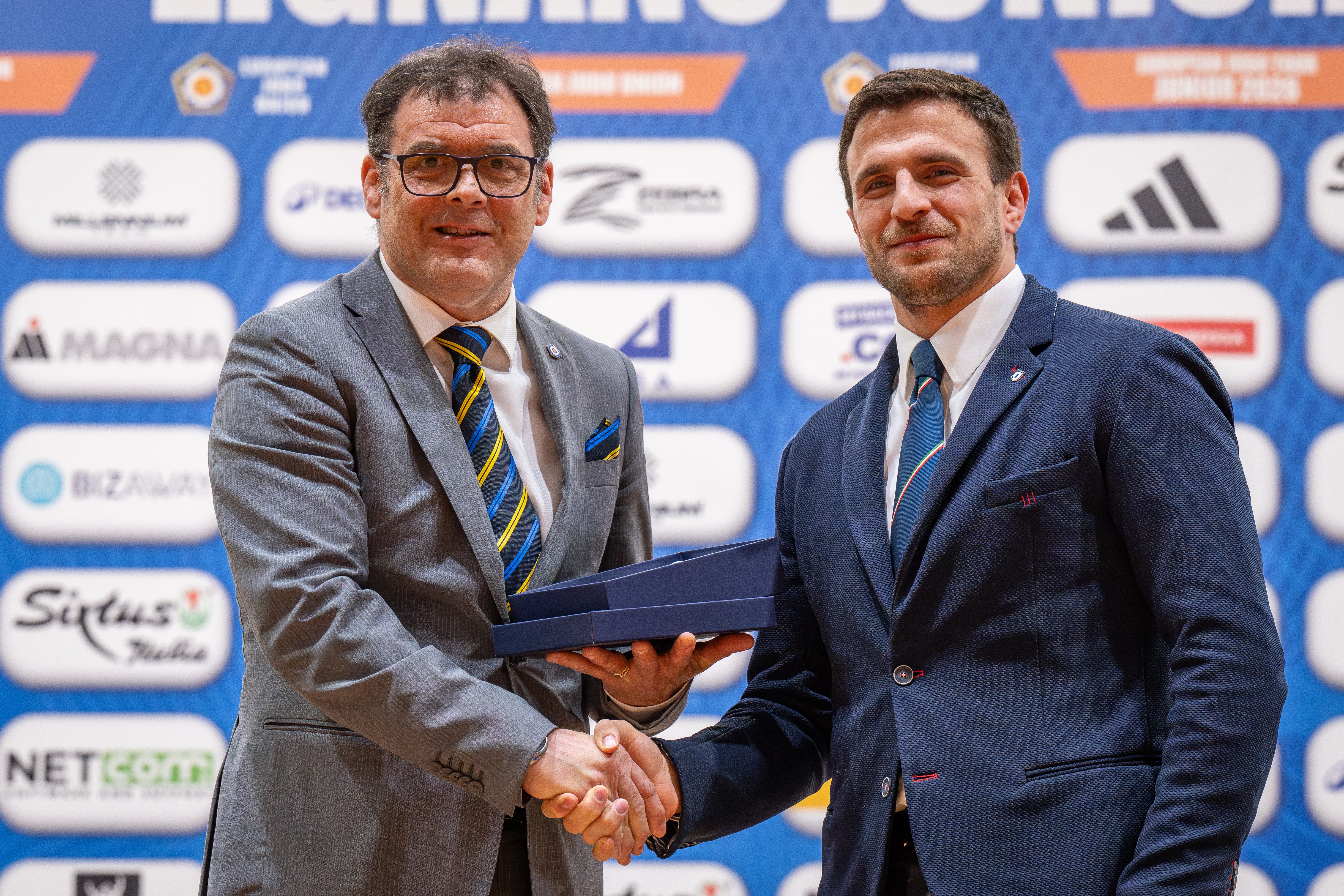
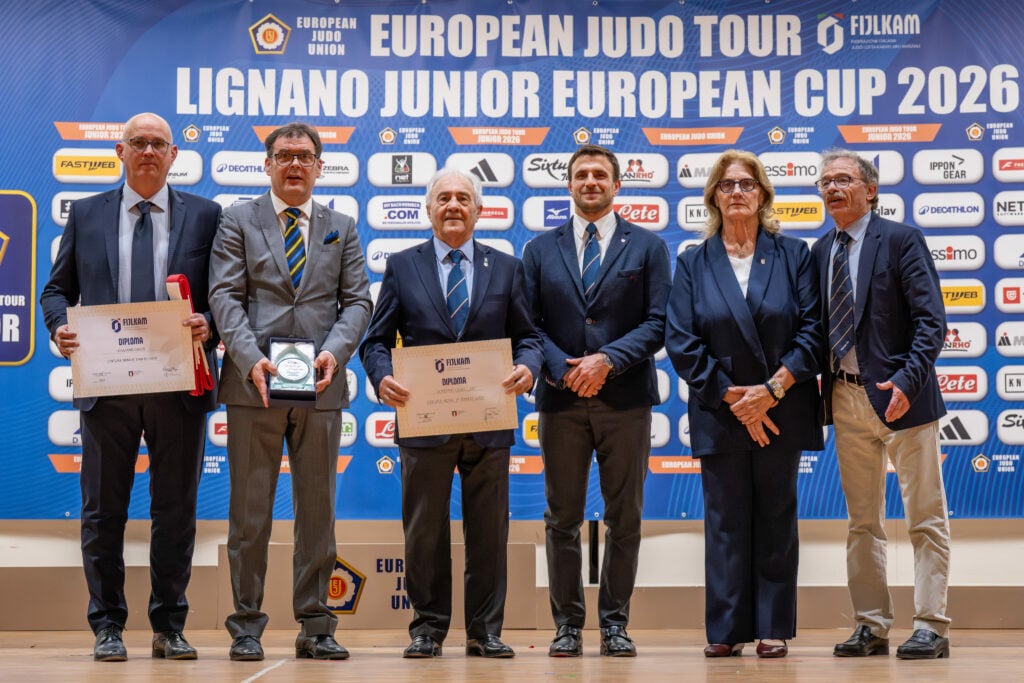
During the opening ceremony, the “Luigi Alberto Trevisan” award was presented to referees Tiziano Tieppo (ITA), Cathy Mouette (FRA), and Veli-Matti Karikanta (FIN). A special recognition was also given to Event Manager Gianluigi Pugnetti to mark the conclusion of his refereeing career. Further honours saw Giuliano Casco, president of Judo Kuroki, awarded the sixth dan, while Giuseppe Casellato, president of the Veneto Regional Committee, received the 7th dan.
Author: EJU Media