






In the grand arena of international judo, looking at the past 5-10 years, the medal tables were often dominated by powerhouses like France, Georgia, Japan, Azerbaijan or Russia. Yet in recent years, the narrative has been shifting. Small nations, those often overlooked due to their size or limited resources, are steadily carving out their space among the elite.

Slovenia may not be the tiniest European country but with just over two million inhabitants, its judo pedigree is astonishing. Since 2012, the nation has produced three Olympic champions in the women’s -63kg division alone, Urška Žolnir, Tina Trstenjak, and most recently Andreja Leški, while Trstenjak also secured Olympic silver in 2021.
Meawhile, Kosovo’s story is equally remarkable. Since 2016, the country has amassed three Olympic titles through Majlinda Kelmendi, Nora Gjakova, and Distria Krasniqi. For one of Europe’s smallest nations, this record is nothing short of extraordinary. Unlike Slovenia’s broad-based success, Kosovo has built its reputation around a few carefully developed categories but the consistency is undeniable. These are an extraordinary record for one of Europe’s ten smallest nations.
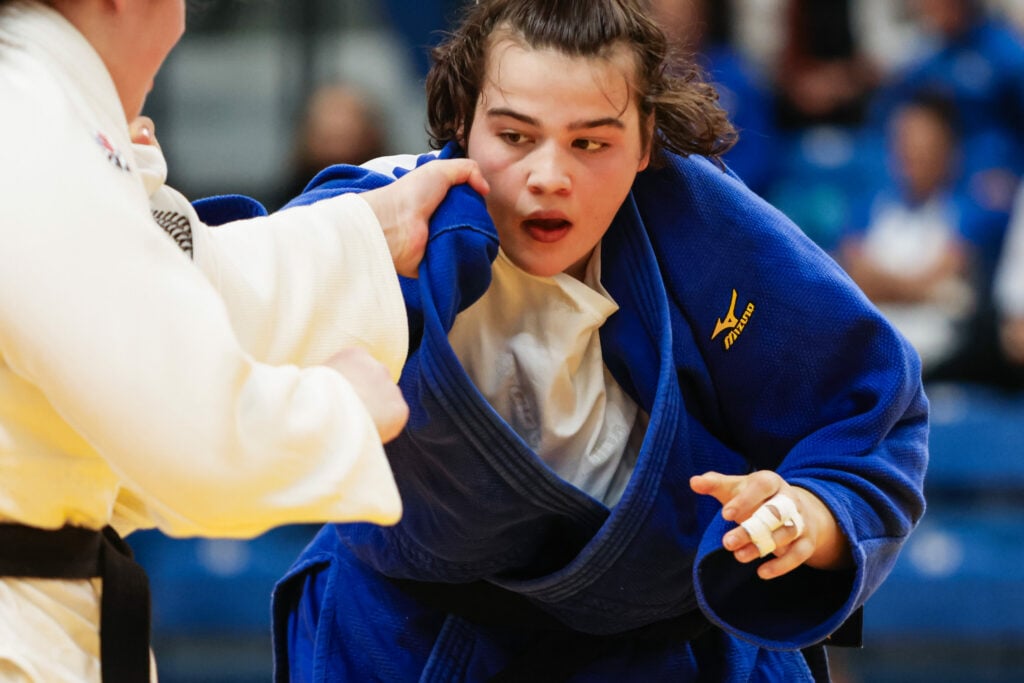
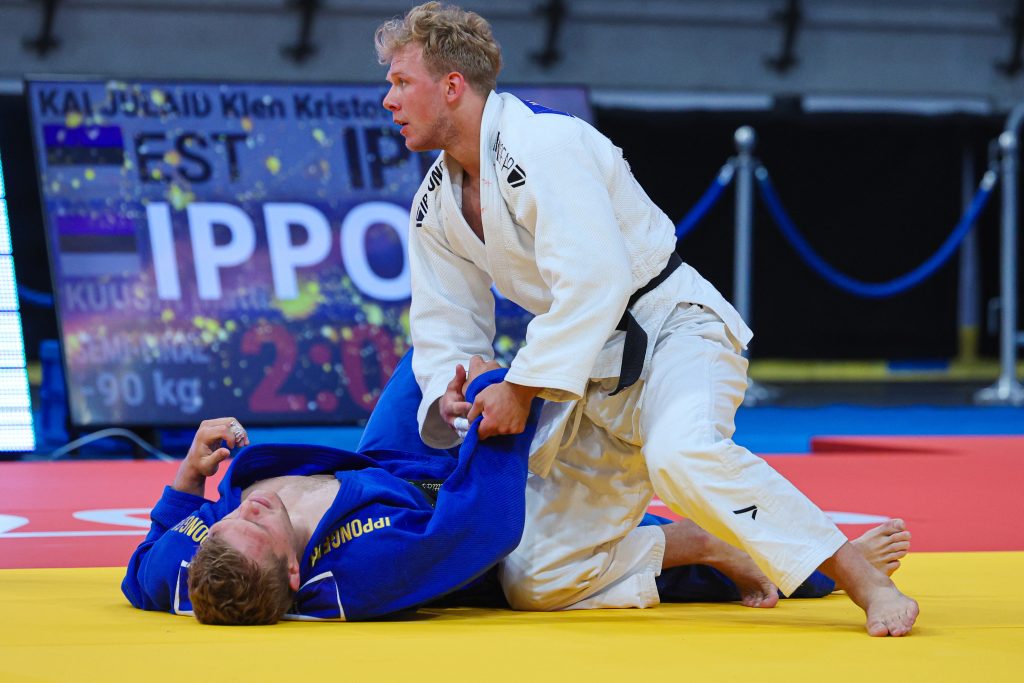
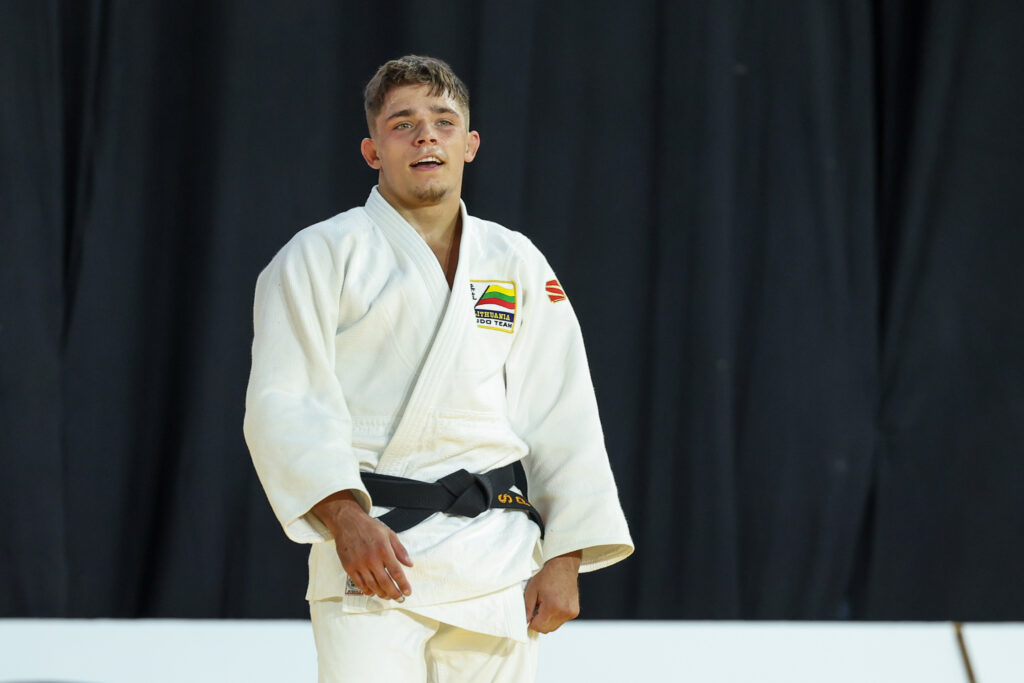
Elsewhere, other European microstates are making quiet but meaningful advances. Estonia narrowly missed out on two senior World Championship medals this year, a sign that the nation is entering a new cycle of promise. Cyprus, long a marginal presence, has recorded top-eight finishes on the IJF World Tour and senior European stage as well as a bronze medal finish at the 2020 junior European Championships. Lithuania’s heavyweight division has become its strongest weapon but results at junior level suggest a wider talent pool is beginning to emerge. Montenegro, steady if not spectacular, has maintained a regular presence in the top eight across divisions over the past decade. Having hosted the 2025 Senior European Championships and preparing to stage the 2026 Junior Europeans, Podgorica is building strong momentum on the Adriatic coast
In Scandinavia, Sweden has been rejuvenated by the rise of Tara Babulfath, whose consistency has thrust the nation back into international relevance. Finland, too, has enjoyed breakthrough moments, Martti Puumalainen’s Masters triumph, Luukas Saha’s European bronze, and a wave of encouraging cadet and junior performances pointing toward a brighter future.
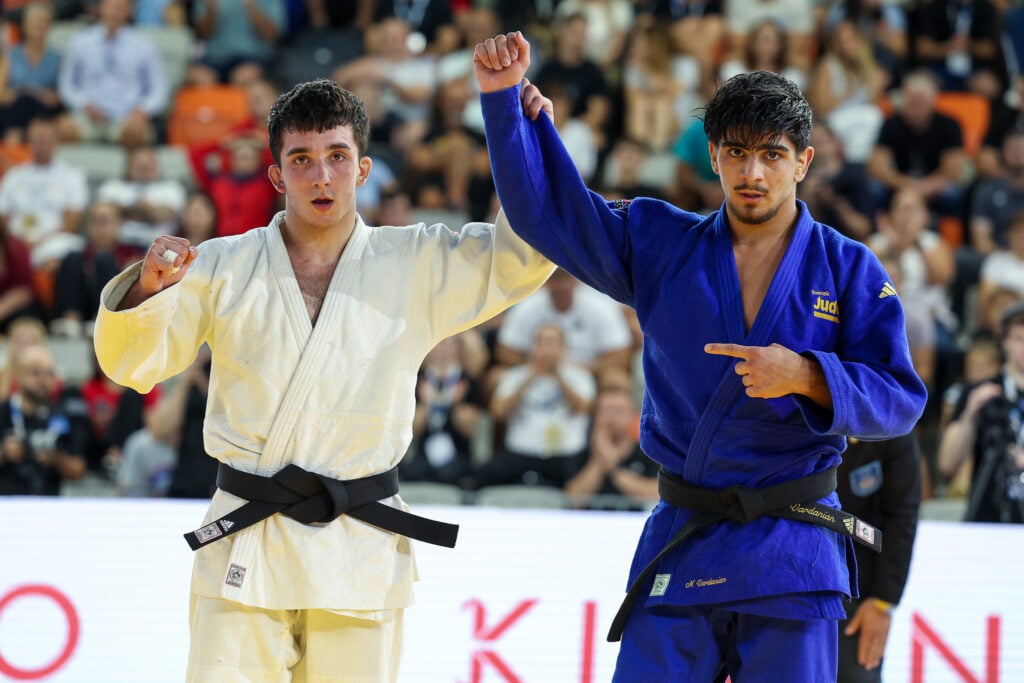
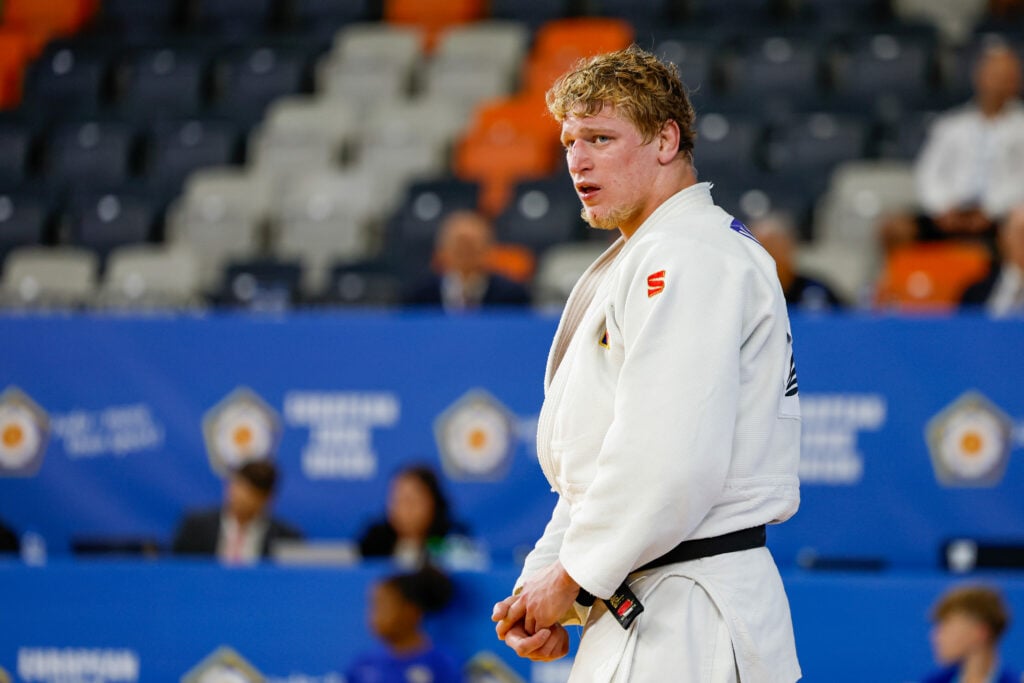
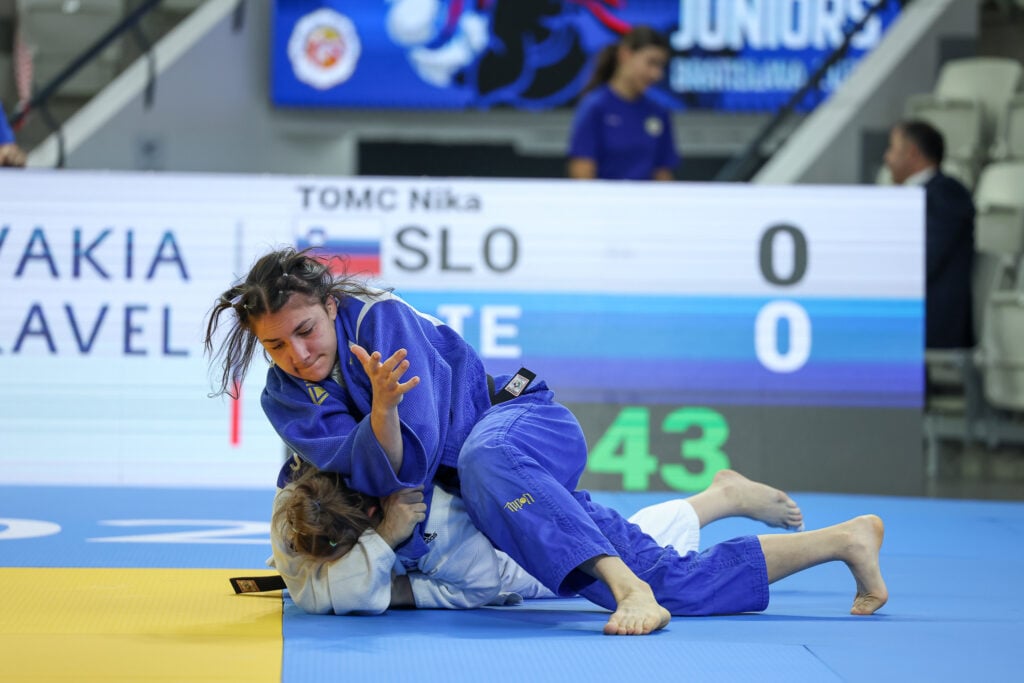
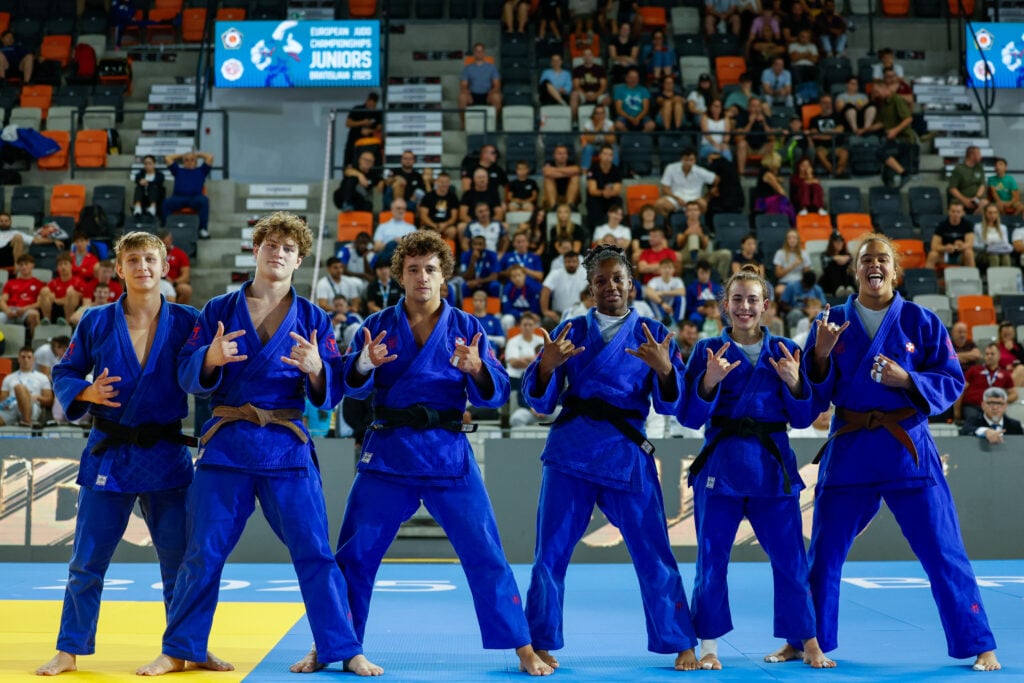
At the recent junior European Championships in Bratislava, Catarina Rodrigues, Vice President of the European Judo Union and head of the sport sector, reflected on the widening spread of success:
“The competition in Bratislava was clearly dominated by Italy, especially in the women’s categories but what struck me was the historic medals for nations like Great Britain, Lithuania, and Estonia, and how countries such as Sweden, Switzerland, and even Moldova found themselves in medal fights. Switzerland marked a historic debut with a bronze medal finish in the mixed team event. Seeing 21 nations on the podium and 28 reaching the final block demonstrates the remarkable depth of European judo today. That was at junior level but we must also acknowledge cadet development, where, for example, teams like Poland and Serbia dominated the European Championships this summer. Both nations have been rising steadily year after year, and now they have a real voice on the international stage.”
It may be too early to say, but the rise of smaller nations is unlikely to be accidental. The EJU’s support programs have provided both financial and structural assistance to national federations, ensuring that cadets and seniors alike have access to training camps (OTC) and competitions. The results are perhaps beginning to show:
“We are seeing Liechtenstein, Montenegro, Cyprus, Albania, and others fighting for medals. Some of these federations benefit directly from our support program. Moldova also secured two medals in the women’s category at this year’s EYOF, an unusual yet promising achievement. It is too early to say how much of their progress comes from this, but what matters is that they are taking the opportunities.”
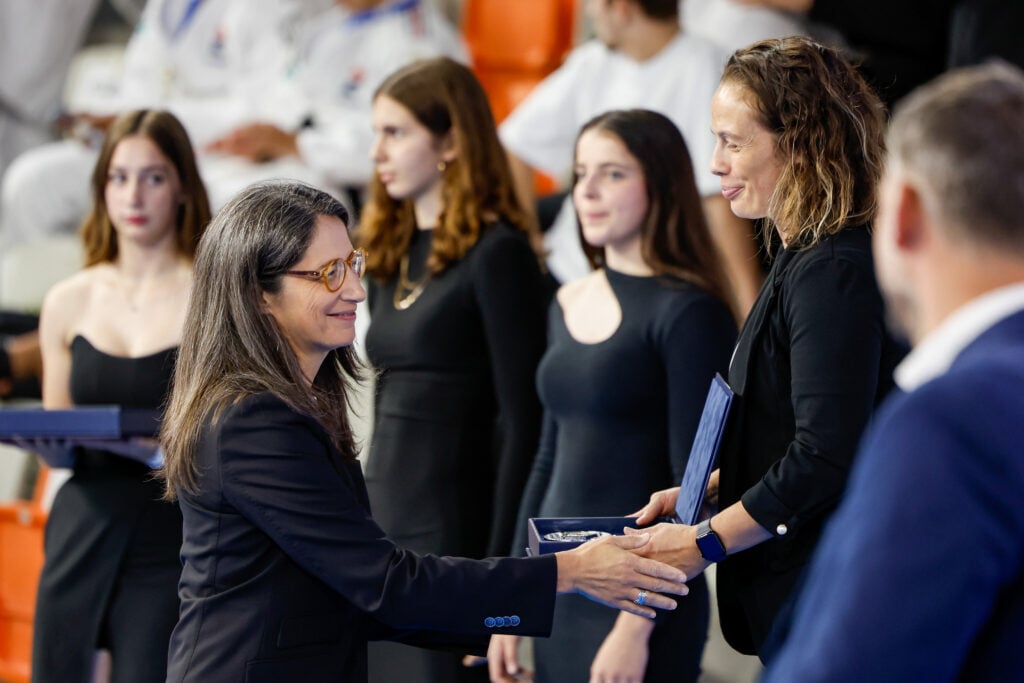
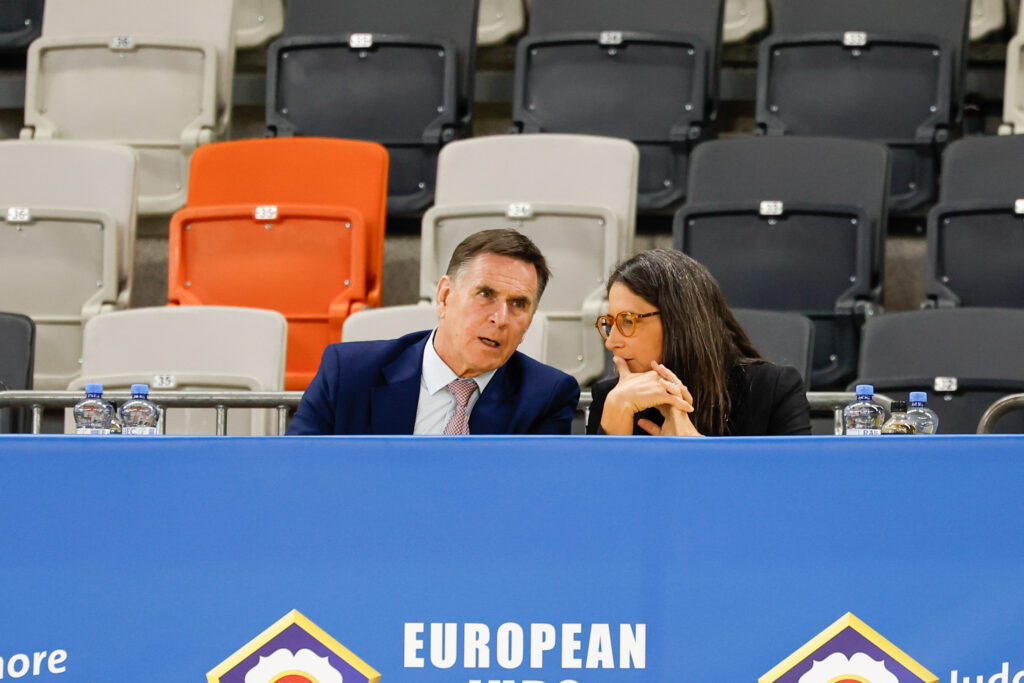
Rodrigues also highlighted how hosting events serves as a catalyst for growth. This year, Montenegro, North Macedonia, Slovakia, nations without deep judo traditions, have successfully organised major continental competitions, and Moldova is soon to join this line up with the U23 Europeans.
“It proves that if you give smaller nations the chance to host, they will rise to the occasion. Montenegro staged its first senior European Championships, North Macedonia organised a continental event for the first time, as well as hosting a multisport event, the EYOF. These experiences do not just build organisational capacity, they inspire local athletes, create role models, and ignite community interest.”
Taking further reflection on the youth development it is recognised that the calendar for cadet and junior competitions is now expanding. While the EJU cannot accommodate unlimited events, there is recognition that geographic balance matters, particularly for nations in the Baltics and Scandinavia, where access to competitions often requires significant travel.
“We want stable organisers but also a spread across regions,” Rodrigues explained. “Countries on the periphery should not always be disadvantaged. It is a balancing act and we are working on it.”
In conclusion, Rodrigues stated:
“What excites me the most is the evolution. Nations that once never dreamed of fighting for medals are now in finals, or at least within reach. This is significant, it shows judo is truly spreading across Europe, and the sport is becoming richer because of it.”
These milestones represent more than statistics. They are proof that with the right investment, patience, and belief, size is no barrier to success. The future of European judo may well be written not only in Paris, Baku or Tbilisi, but in Podgorica, Tallinn, and Nicosia.
Author: EJU Media