





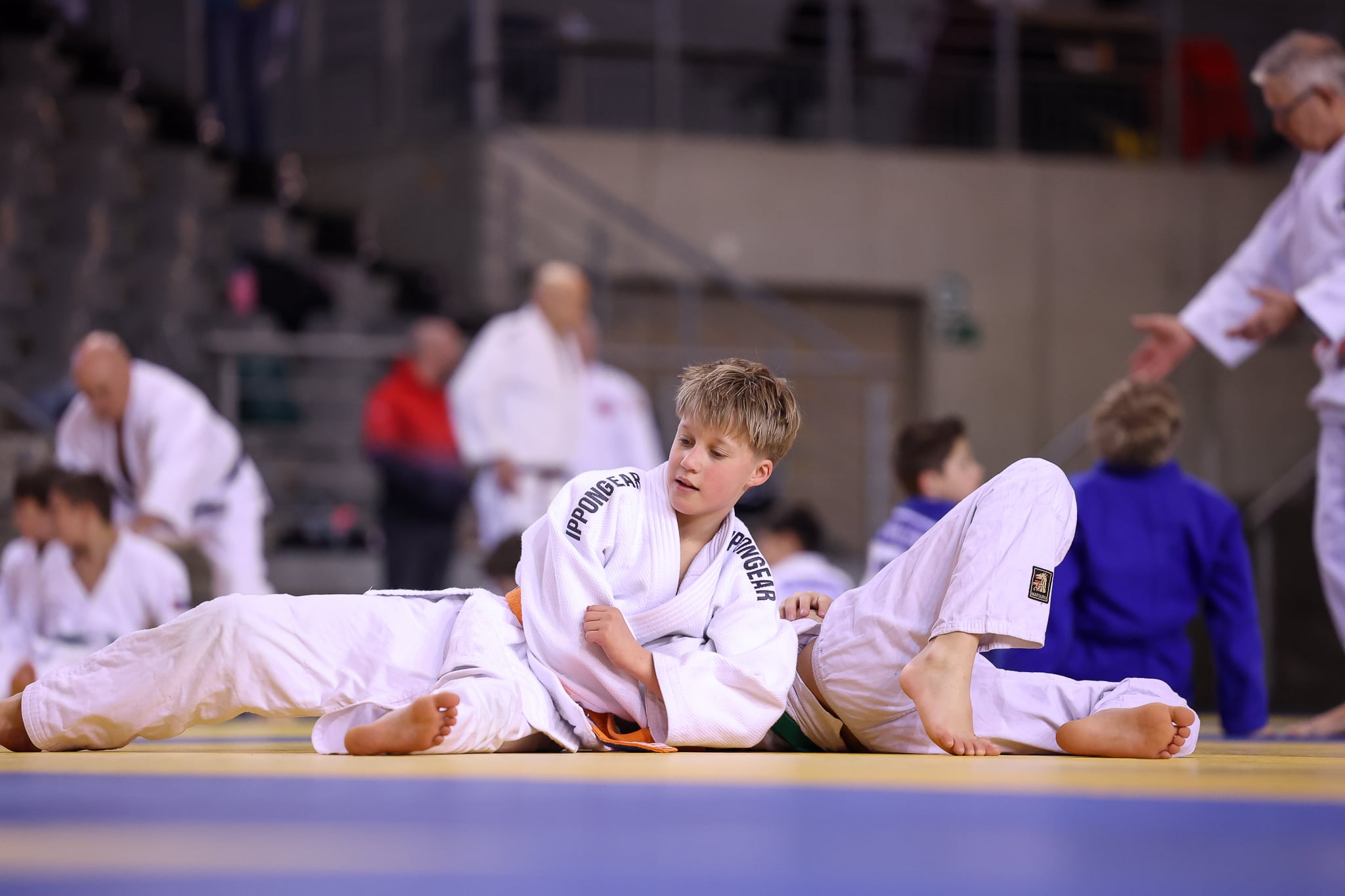
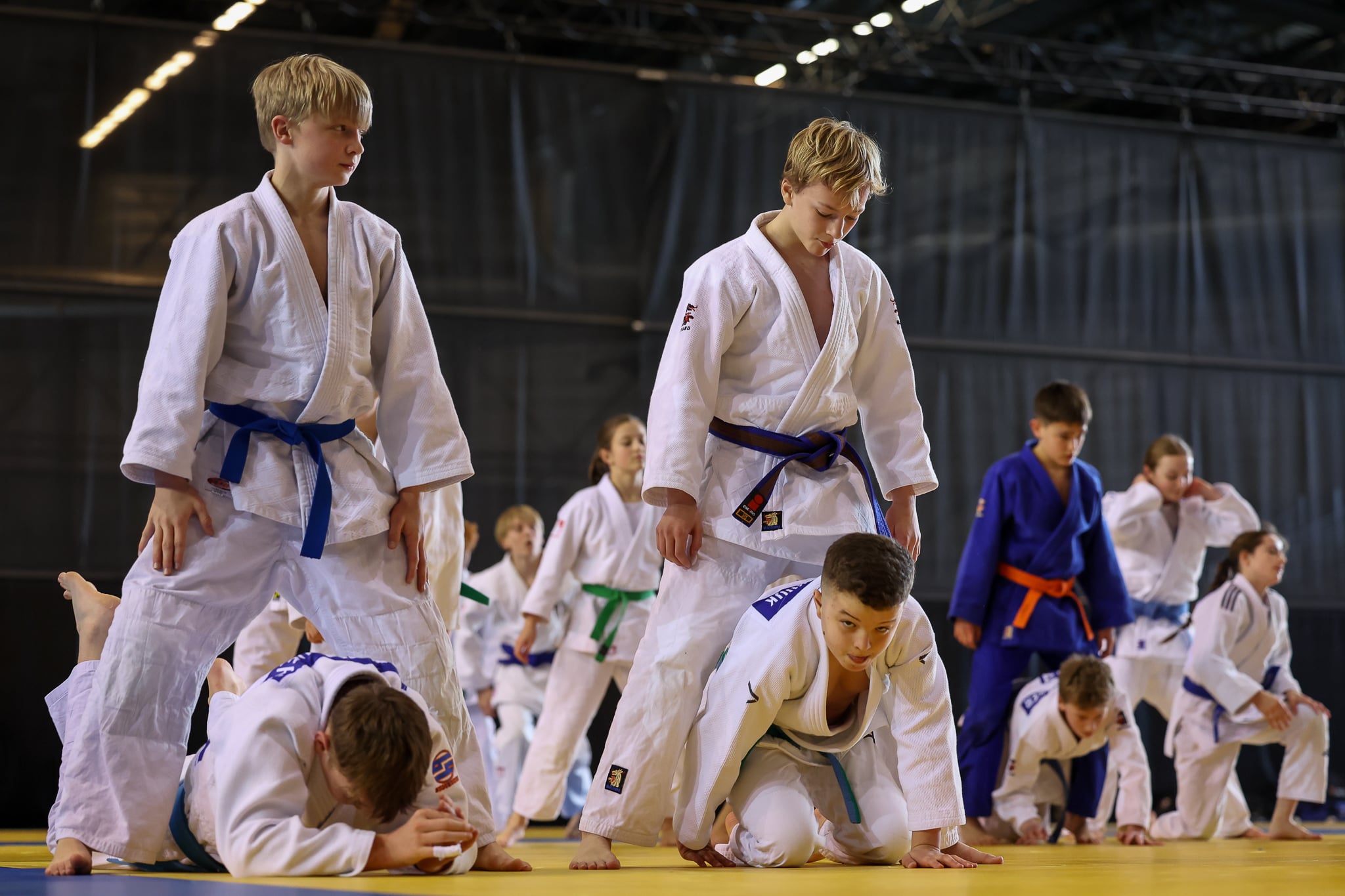
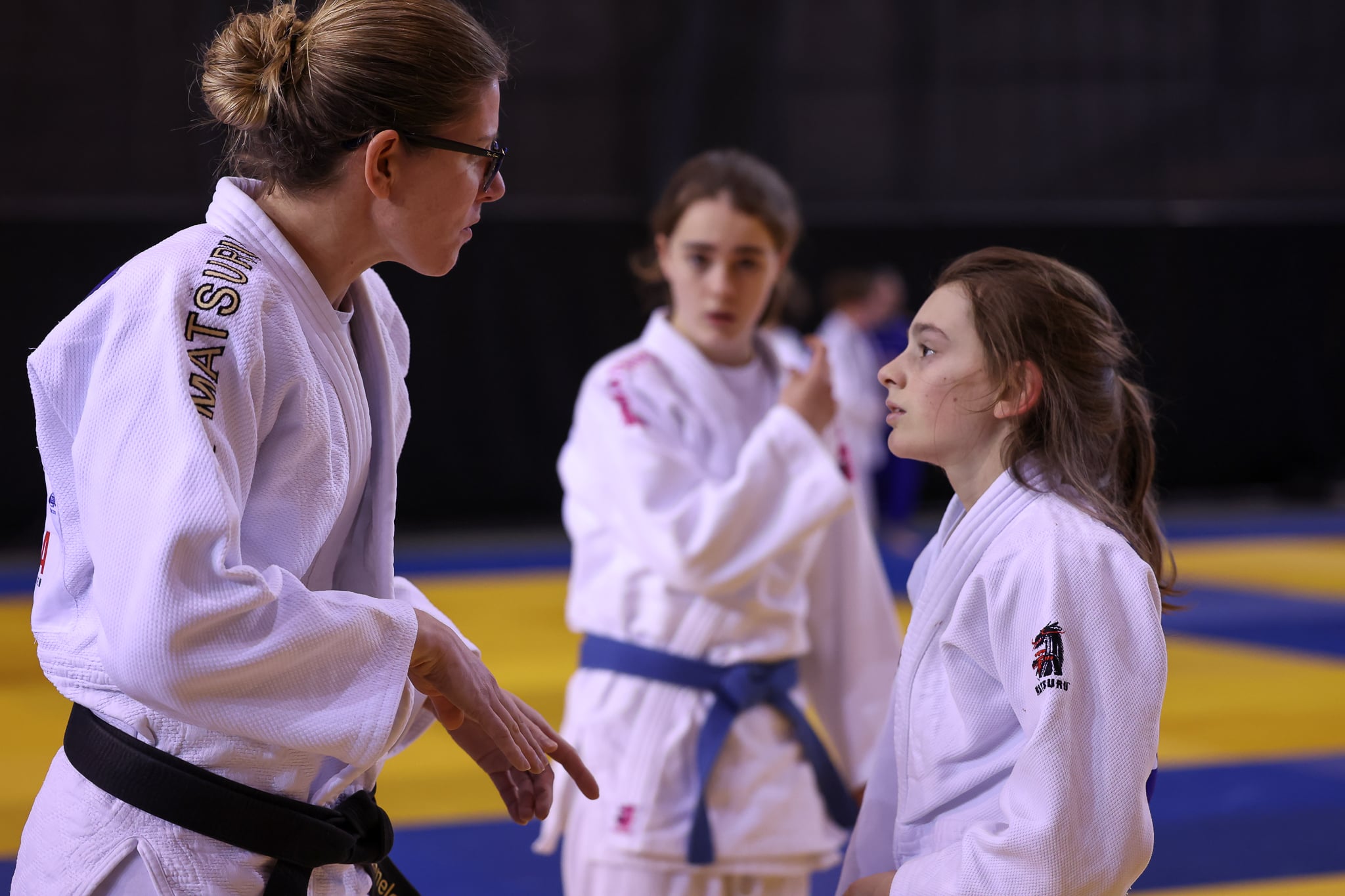
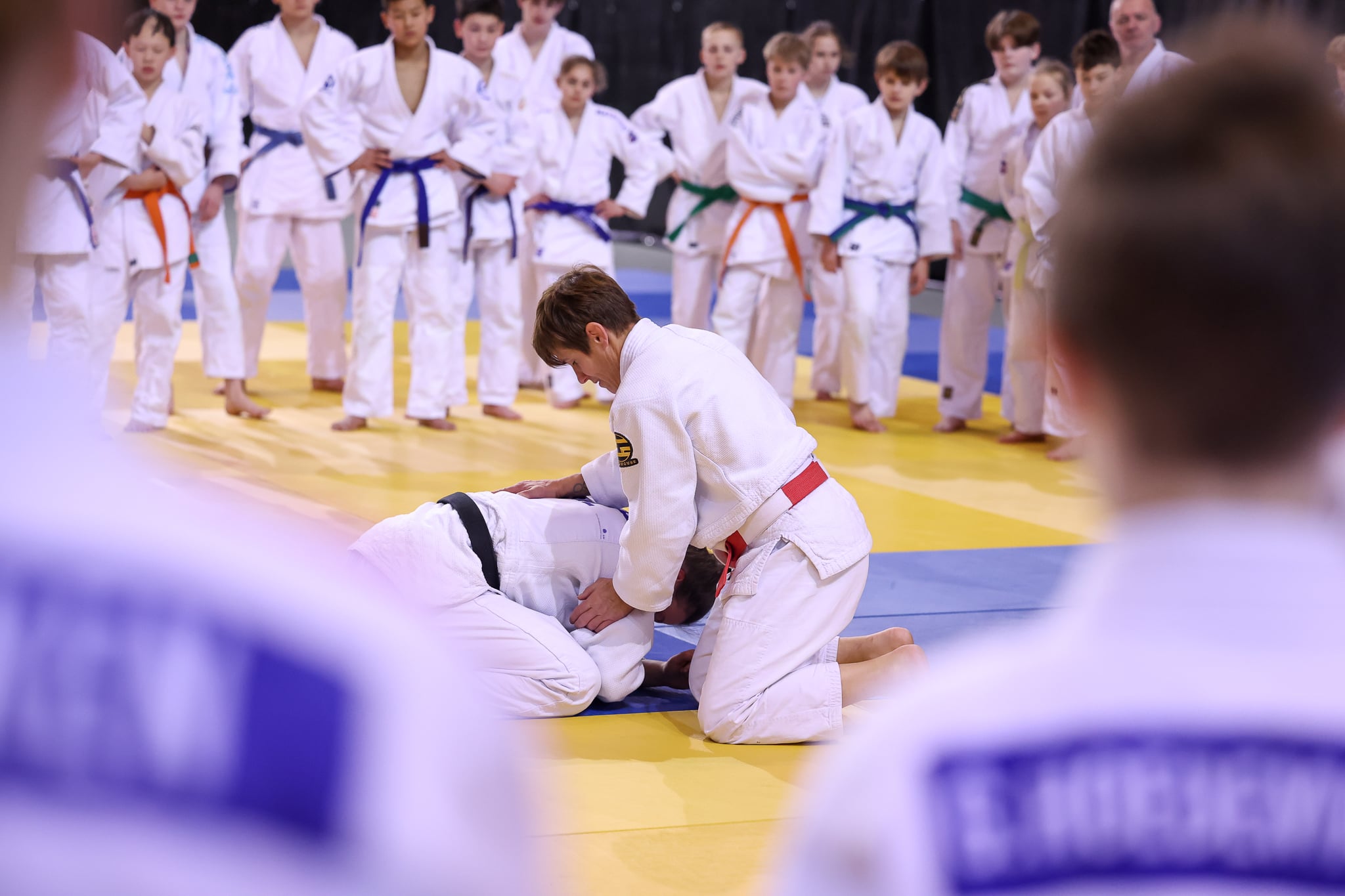
Between 13–15 March 2026, the usually calm surroundings of Sportpark De Soeverein in Lommel transformed into a vibrant hub of energy, laughter and relentless movement. Tatami after tatami filled with young judoka eager to learn, challenge themselves and share their passion for the sport.

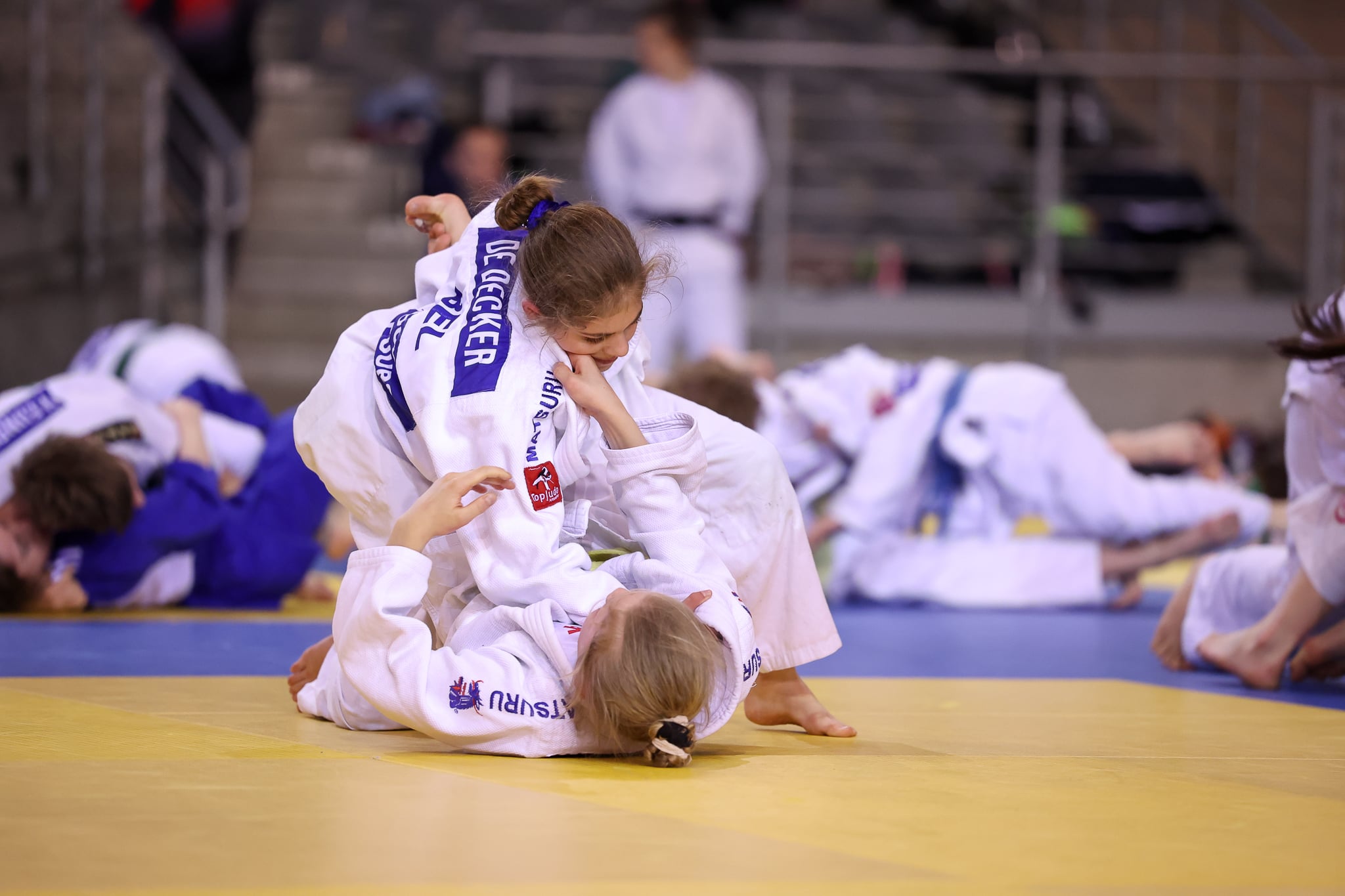
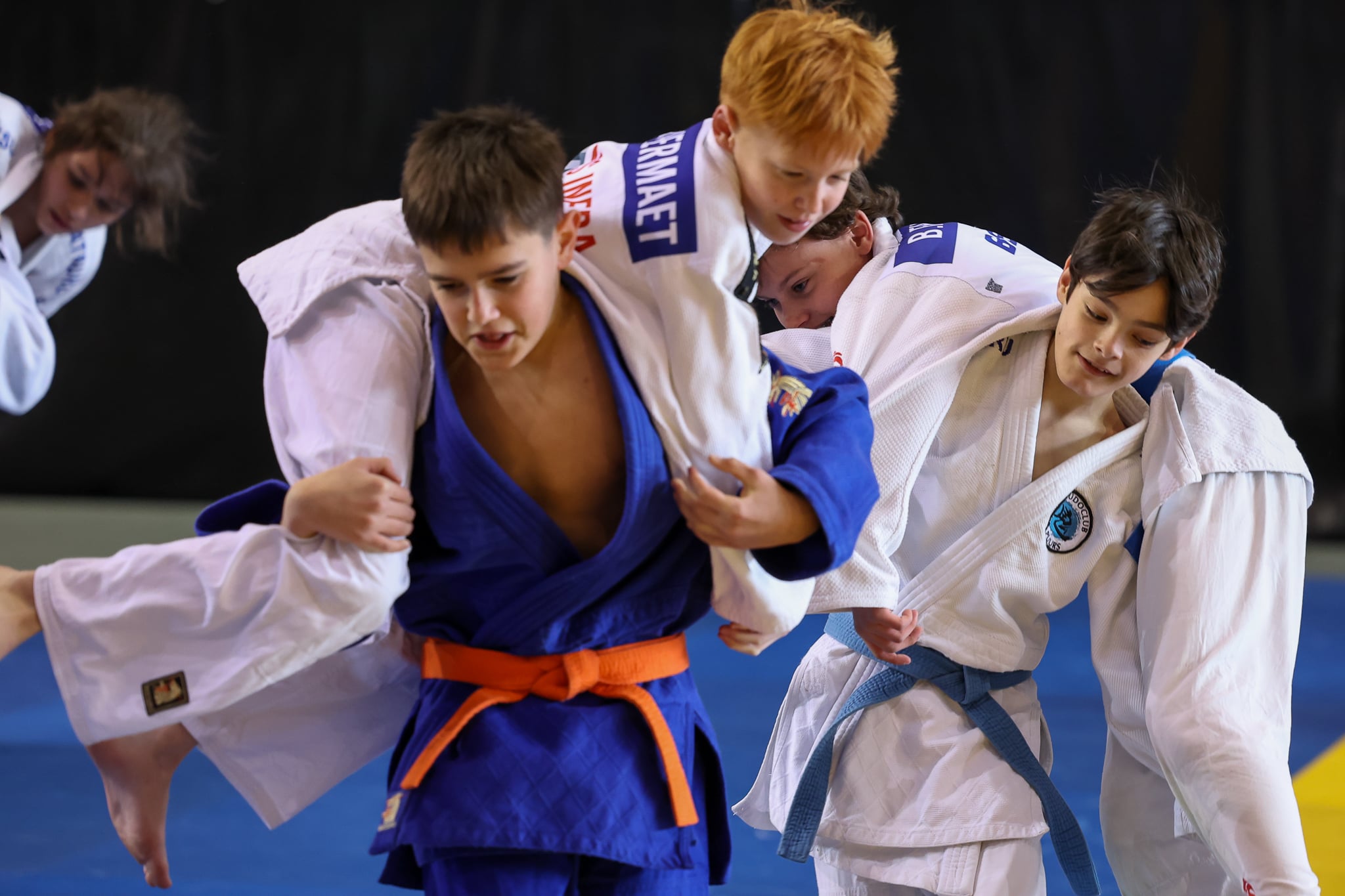
The three-day training camp, organised by the Ilse Heylen Judo Academy in partnership with the European Judo Union, welcomed 278 judoka from five nations, creating an atmosphere that perfectly captured the essence of judo: learning together, pushing boundaries and building friendships across borders. Yet beyond the throws, drills and sparring rounds, the camp was also about something deeper, family, community and the journey that brings people to the tatami.
From Watching the Mat to Stepping Onto It
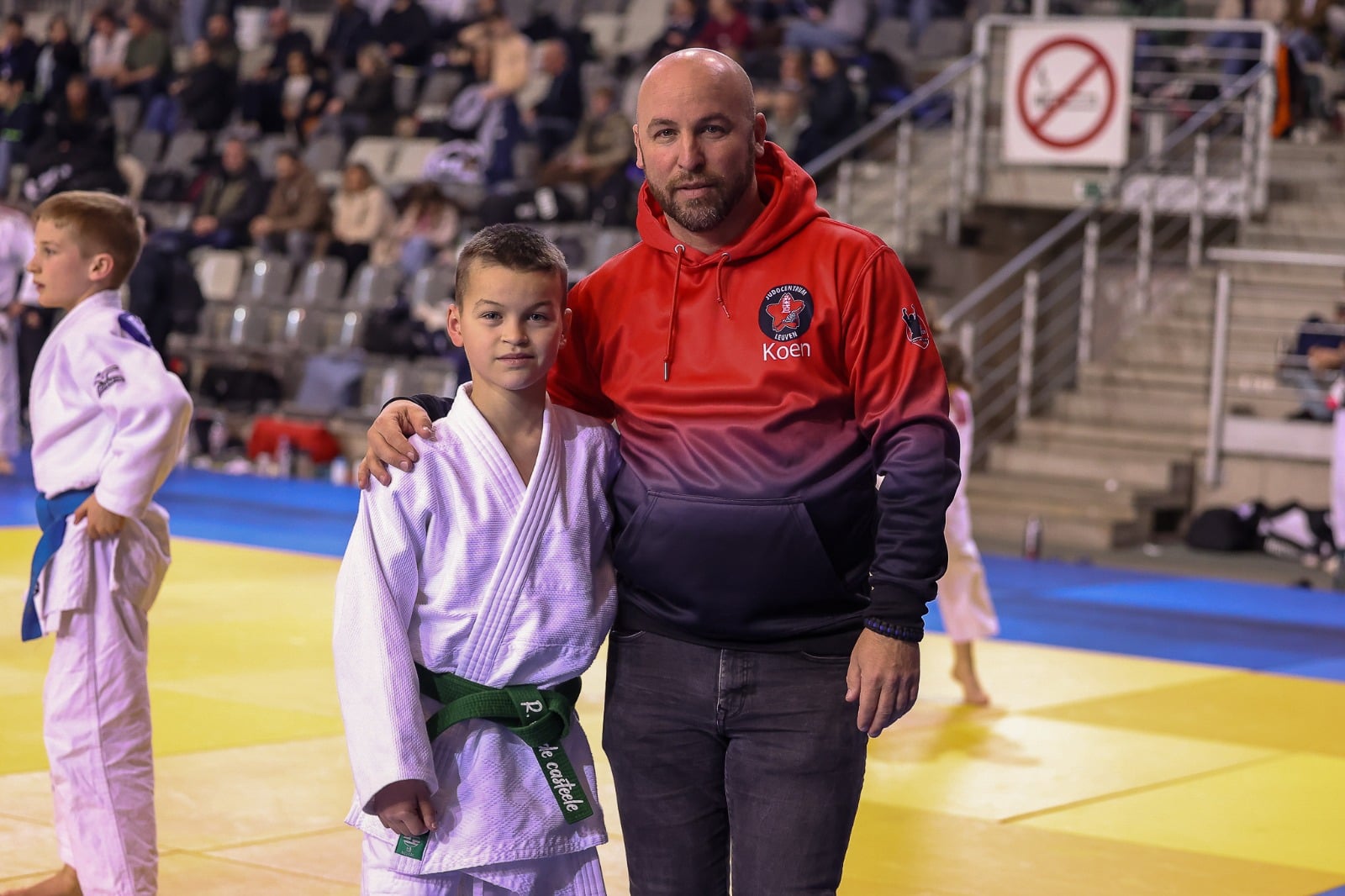
For Koen Vande Casteele, a member of the Leuven Judo Club in Belgium, judo did not begin with himself. It began with his children. “I have been involved in judo for about four years now,” he explained, “but personally I have only been active on the tatami for the past two years.”
Like many parents, Koen’s introduction to the sport started quietly from the side of the mat. His oldest son, Rune, first tried judo after attending a session with a school friend. “He was immediately hooked. A few weeks later his brother, who is two years younger, joined as well. Since then, both of them have become enthusiastic judoka.”
For two years, Koen watched every session faithfully from the sidelines, until a simple question changed everything. “Olivier, the president of Leuven Judo Club, once asked me: ‘Why don’t you start practising judo yourself?’ That’s how it happened.” Stepping onto the tatami as an adult brought an entirely new perspective.
“It’s great to practise the same sport together with my children. You understand much better what they are doing because you experience it yourself. It also allows you to guide them better during competitions.”
A Family Affair on the Tatami
Today, judo is firmly woven into the rhythm of the Vande Casteele household, with all three of Koen’s sons involved in the sport: Rune, 12, who has been practising judo for four years; Loïc, 10, who has also spent four years on the tatami; and Sepp, 7, whose main sport is football but who trains in judo to build strength and coordination.
For Koen, the appeal of judo extends far beyond sport. “I work for the police,” he explained. “During our training we received some self-defence instruction but I always felt I had missed something in that area when I was younger. I never practised a martial art before.”
That absence became motivation. “For my children, I think judo is a wonderful sport, not only because of the sport itself but also because of the discipline they learn.” Yet, perhaps even more important is the sense of belonging that grows around the tatami. “A very close group of friends has developed among our young judoka. Whether they go to tournaments together or train together, they support and encourage each other. Friendships are also formed outside the tatami.”
Connections formed not just amongst children… “A strong bond has also developed among the parents. We travel together to tournaments or, like this weekend, to the Soeverein Stage. During the camp, the parents make sure that the children from our club have everything they need.”
More Than Just Training
This year marked the first time Koen and his family attended the international training camp in Lommel. “Rune was finally old enough to participate, so that is why we came this year,” he explained. Within Leuven Judo Club, the camp had long been a topic of conversation. With Ilse Heylen serving as head coach and her husband Olivier as club president, the connection to the academy runs deep. “We had heard a lot about it,” Koen said. “Several young judoka from our club were able to participate for the first time this year, so the parents decided to register the children together.”
The experience did not disappoint. “The most important things I would highlight are the high level of the training sessions and the opportunity to spar with many different judoka from other countries,” he said.
For young athletes, that exposure is invaluable. “They take home many new experiences after such a camp and the organisation is excellent, accommodation is close to the hall, meals are arranged for everyone and the location itself is beautiful.”



A Broader Vision for European Judo
Among those observing the camp was European Judo Union Education Director Gevrise Emane, whose visit added another layer of significance to the gathering. The camp represented far more than a training opportunity. “This visit to Lommel proved beneficial on several levels,” Emane explained. “It allowed us to strengthen ties with coaches and young judoka while gaining a better understanding of the realities on the ground.”
Direct exchanges with clubs and athletes, she emphasised, are essential for shaping the future of judo development in Europe. The camp also forms part of a broader initiative supported by the EJU through its Rolling Dojo programme. By partnering with already established kids camps, the EJU is creating a new model of collaboration with clubs and national federations across the continent.
“This approach allows us to open new paths of cooperation while optimising resources,” Emane noted.
At its heart, the philosophy remains rooted in judo’s educational values. “The primary objective of these Kids Camps is not pure performance,” she said. “It is to provide young judoka with an environment that supports their personal development and allows them to benefit from everything judo can offer, in sporting, educational and social terms.”

Where Judo Becomes Community
Across three days in Lommel, hundreds of throws were executed, countless rounds of randori were fought and many tired judoka left the mat with aching muscles but the real legacy of the camp could be felt in the quieter moments: parents chatting by the stands, children laughing between sessions, coaches exchanging ideas beside the tatami. For those who joined, judo is no longer simply a sport. It has become a shared journey.
Images: Carlos Ferreira
Author: Szandra Szogedi