





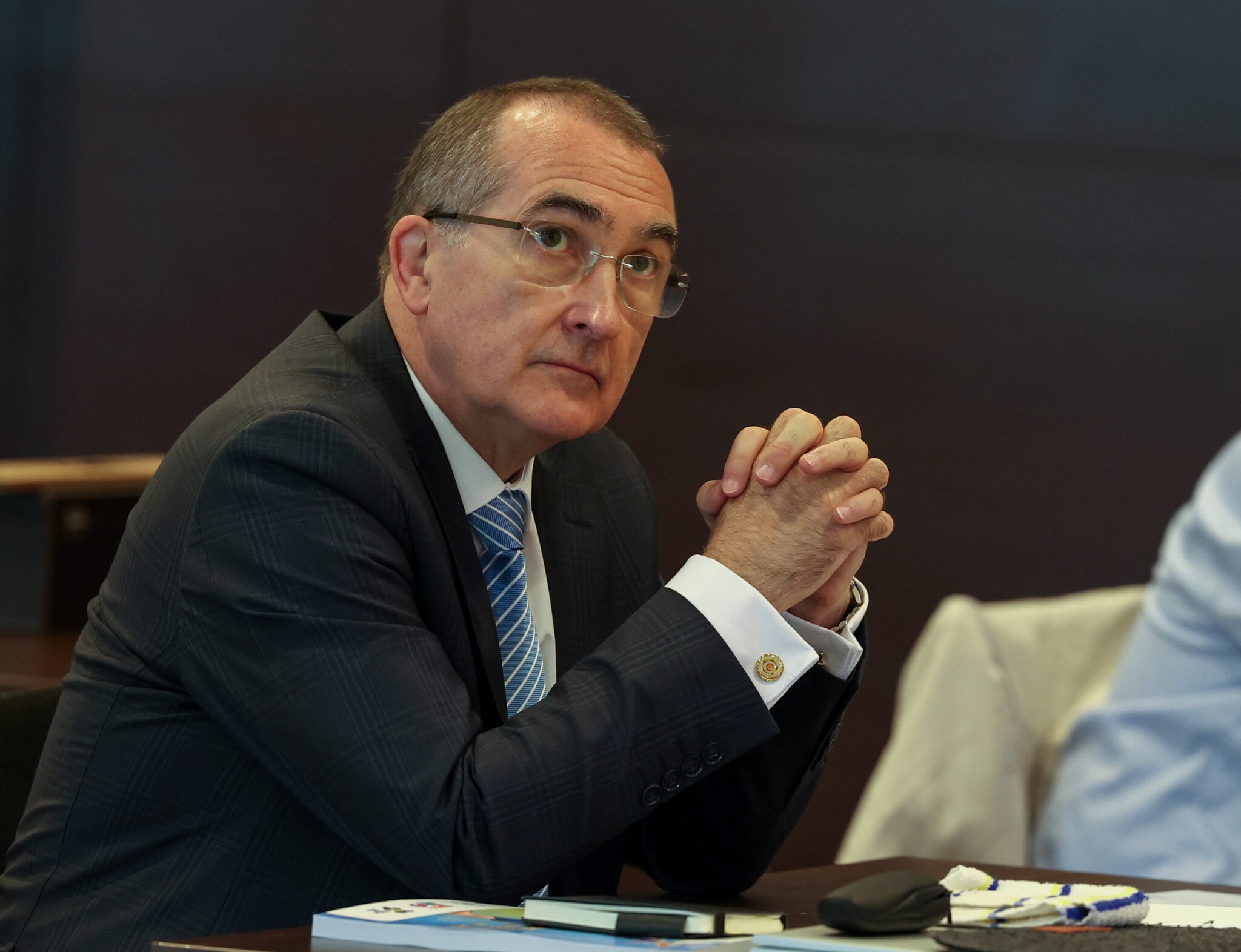
The Scientific and Professional Conference on Applicable Research in Judo will be held for the eighth time this year, in Zagreb, between 12-13 November 2025. Judo is, at its core, about the maximum efficient use of mental and physical energy, a philosophy that extends far beyond the tatami. This conference brings together leading experts to explore how such energy can be harnessed for the benefit of society.

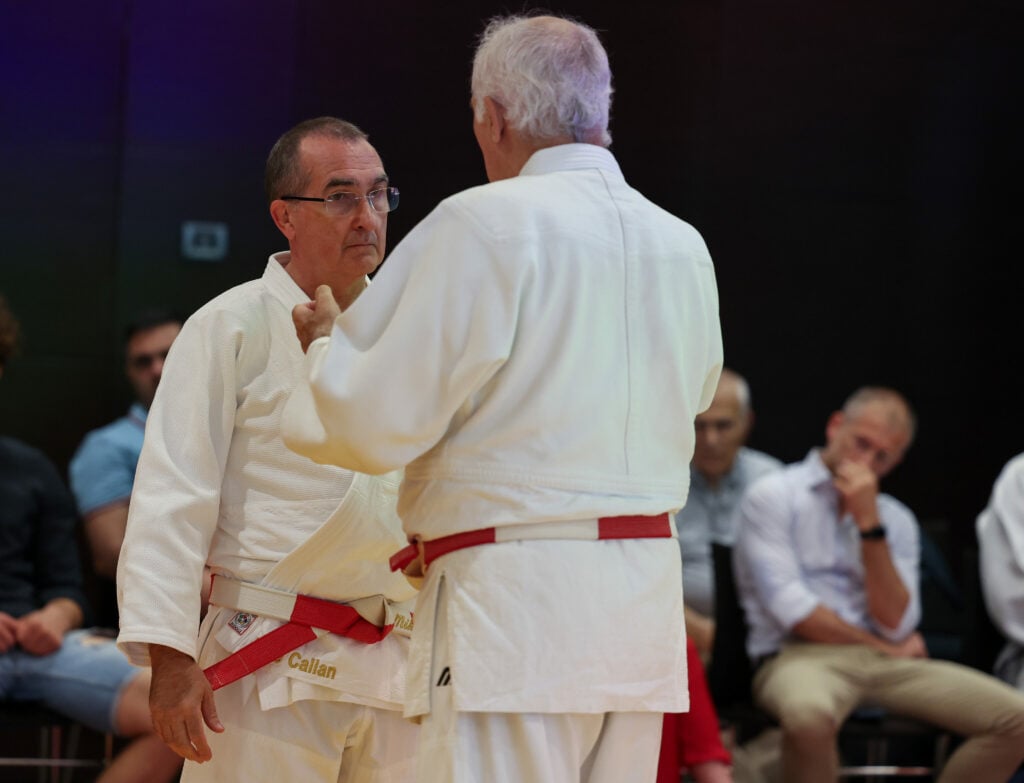
Ahead of the event, we spoke with Dr Mike Callan, a key member of the EJU Scientific Commission, to discuss the vital role science plays in the development of judo.
How does science fit into a sport like judo?
Mike Callan: In an 1889 lecture, Jigoro Kano himself referred to judo as “this science.” The concept of ju was explained by Kano in terms of physics, the idea of yielding, redirection, and efficient energy use. In many ways, one could say that judo is applied biomechanics.
Judo is well known for its values. How do these connect to science?
MC: The well-recognised values of judo, adapted from Nitobe’s Bushido, underpin the principle of jita kyoei, mutual welfare and benefit. This principle is fundamentally about contributing to society. As sociology is itself a science, jita kyoei can be understood as part of the broader development of a science of human relationships and cooperation.
Which scientific findings have been integrated into judo over the past decade?
MC: That’s a big question. A quick search on Google Scholar for the years 2014–2024 reveals over 30,000 academic papers related to judo. I would be bold enough to say that no world champion today trains without a programme grounded in scientific principles, from biomechanics and physiology to performance analysis and psychology.
Who do you see as the main target group for this conference: high-performance athletes or the wider community of judoka?
MC: For the conference in Zagreb, the main target group is academic researchers studying judo. It’s also highly relevant for students who practise judo, and academics who may not be judoka themselves. The findings presented will also be of interest to decision-makers and policy-makers within federations.
Do you see particular trends in judo, both on and off the tatami and within the scientific field?
MC: This is, of course, a personal opinion. With the continued development of both the EJU and IJF, the trend toward greater professionalism is clear. We are also seeing a gradual but meaningful shift toward gender equity, with more women taking up senior leadership roles. In the scientific field, the most successful nations are increasingly adopting evidence-based coaching, using performance analysis to guide tactical and technical decisions, and applying physiological data to refine training programmes.
In an ideal scenario, what outcomes do you hope this conference will achieve?
MC: Our aim is to host a successful, collaborative conference where colleagues can exchange knowledge, ideas, and insights that lead to future research partnerships, all to the benefit of judo’s global development.
How do you think a conference like this can inspire European scientists with an interest in judo?
With such a strong lineup of experts sharing peer-reviewed research, I believe that anyone attending cannot fail to be inspired to pursue their own studies further. I would like to congratulate Professor Sertić and the Croatian Judo Federation for organising this conference for the eighth time, and to commend the EJU, under the leadership of Dr Toth Laszlo, for its vision in supporting such an important and forward-looking initiative.
The official outlines of the 8th Scientific and Professional Conference on “Applicable Research in Judo” can be found here. Sign up now and join the team filled with expertise.
Author: Hans Van Essen