





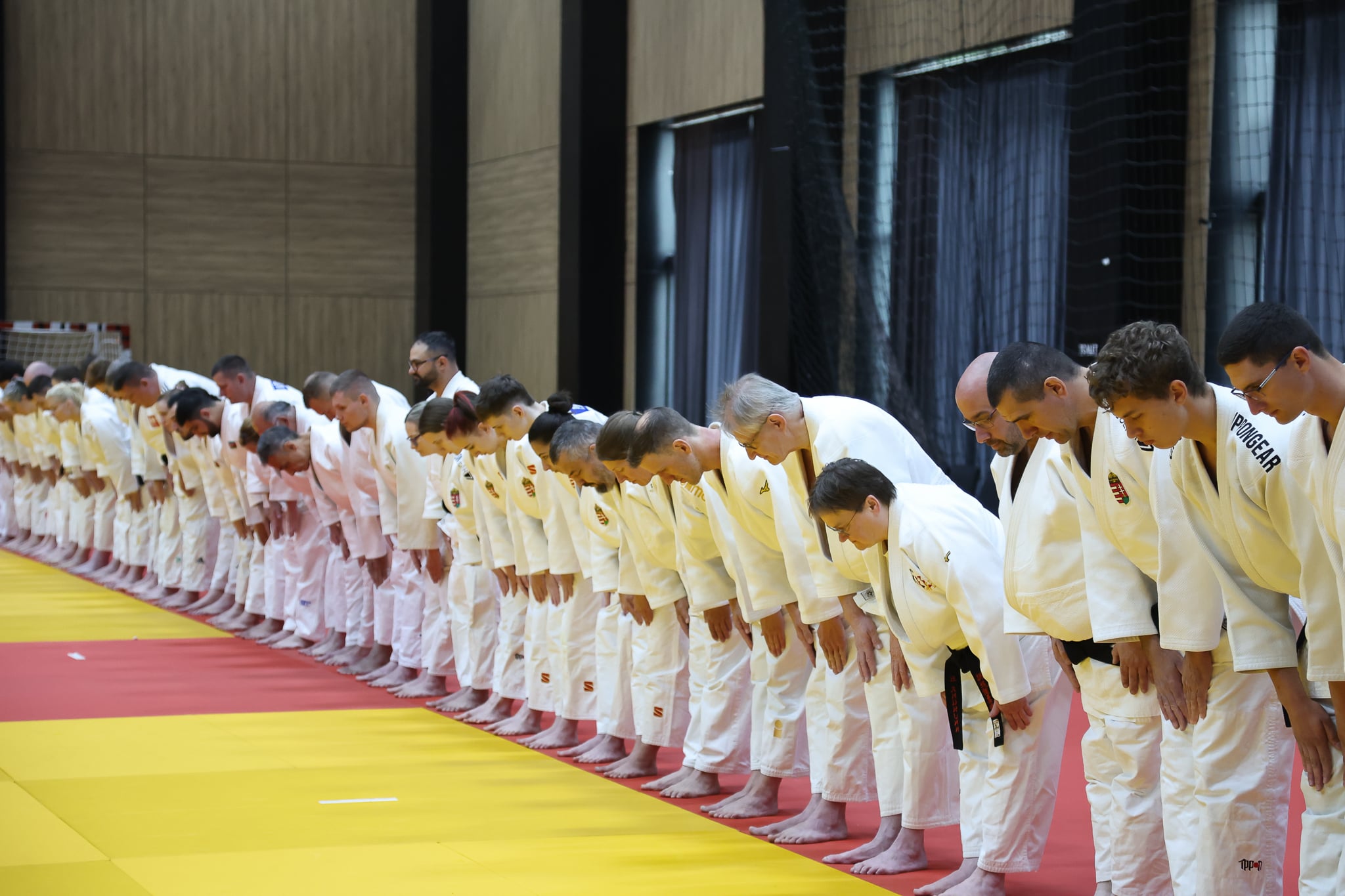
The EJU Kodokan Kata Seminar 2026 in Sarajevo opened on 18 May, bringing together judoka from across Europe for three days of study focused on Kodokan Kata. With 60 participants and 10 coaches on the tatami, the seminar began with strong engagement and a shared commitment to technical development.

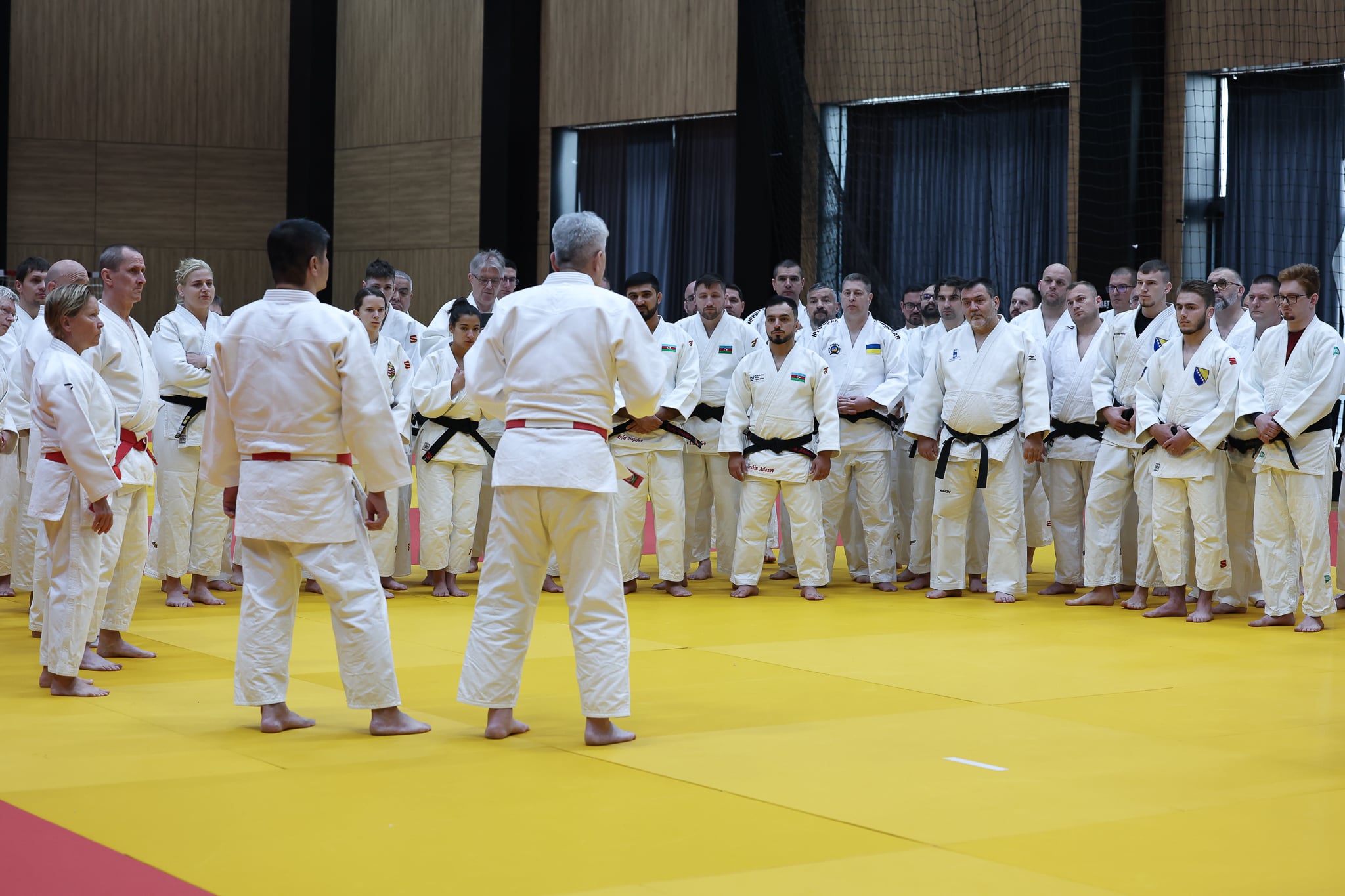
The event was formally opened by EJU President Dr Tóth László, whose speech set a meaningful tone for the event. He congratulated EJU Vice President of Education, Kristiina Pekkola, and the EJU Kata Commission team for their dedicated work and contribution over the past four years. Seeds were planted four years ago and the results are now clearly visible.
President Tóth spoke about the essence of judo as a lifelong learning journey, reminding all participants that every judoka, regardless of age, grade or role, carries the responsibility of being an ambassador for the sport. He highlighted how kata, with its depth, discipline and precision, not only preserves judo’s heritage but also attracts younger generations, offering them a pathway to a longer and more sustainable career in judo. His words resonated strongly with the participants and underlined the educational mission of the seminar.
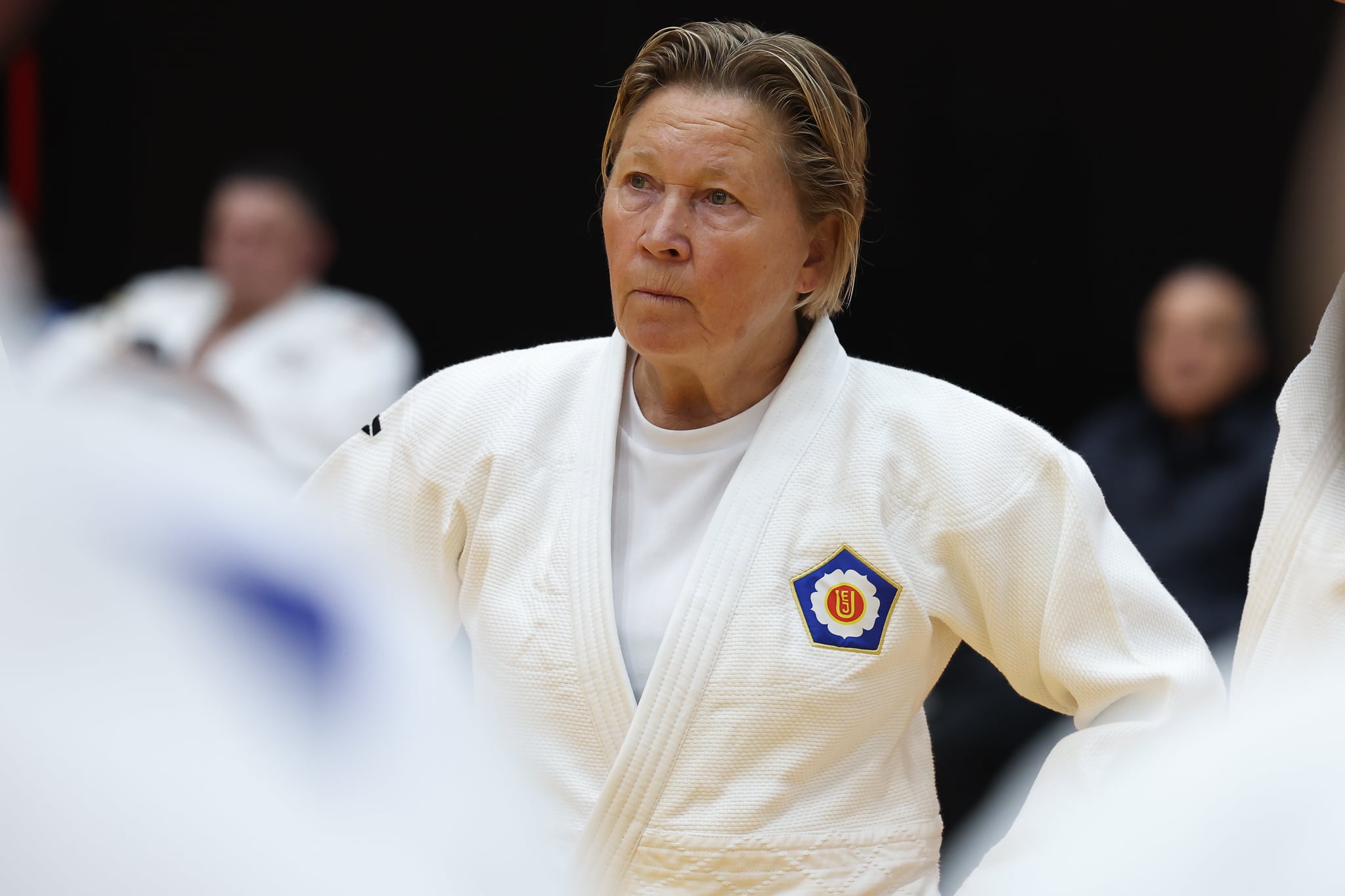
Representatives from the International Judo Federation are also present, including Education Director Daniel Lascau and Referee Director Tina Trstenjak.
Speaking about the importance of the seminar, Vice President Pekkola shared:
“Seeing judoka of all ages and backgrounds train with such hunger for knowledge is one of the greatest joys of our judo community.”
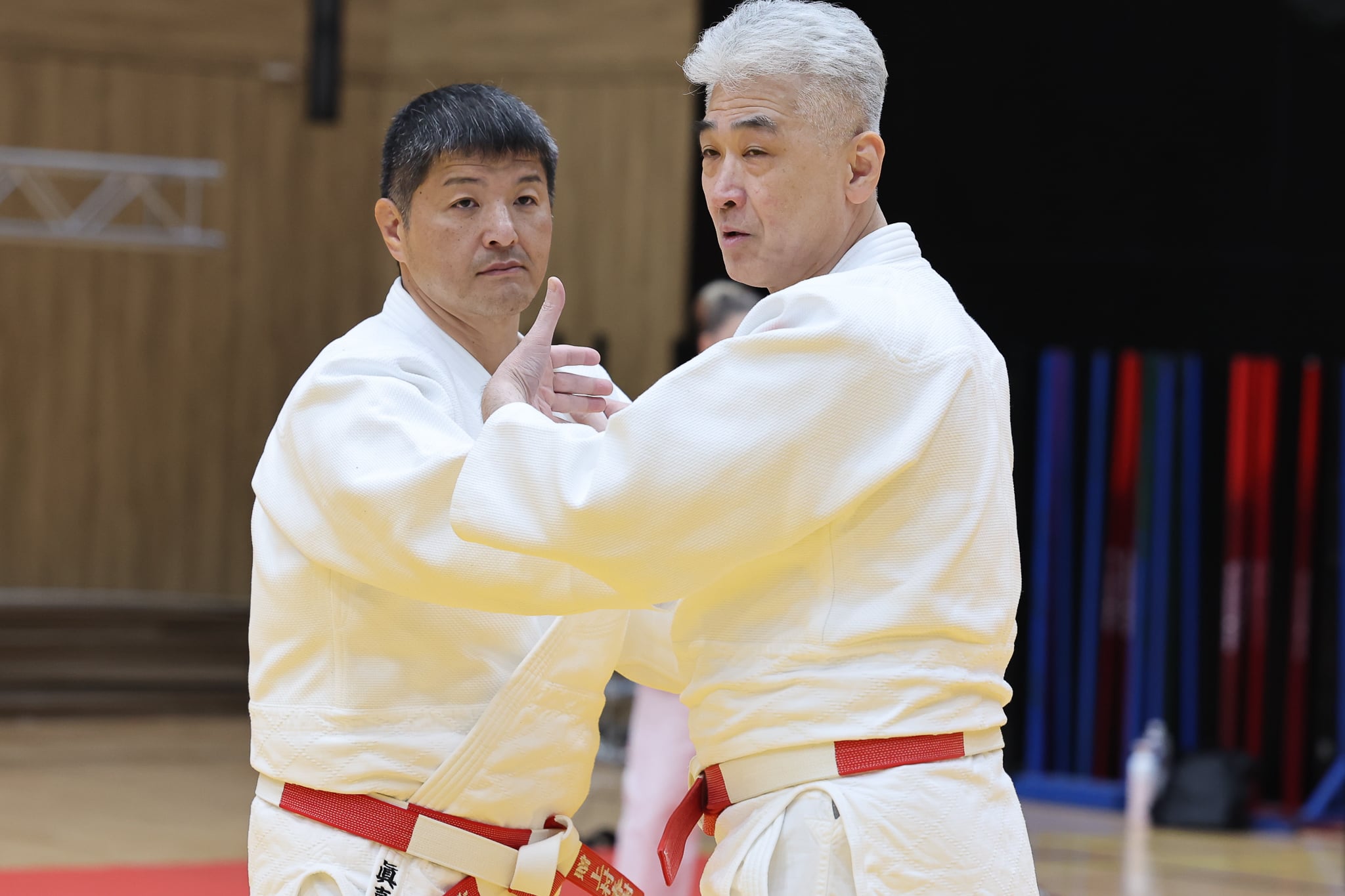
This year’s programme is led by two distinguished Kodokan experts, Yoshiharu Makishi and Kenichi Shohida, whose mastery and clarity in teaching have provided an exceptional learning experience. Their presence has brought authenticity and depth to every session, offering participants a rare insight into the technical and philosophical foundations of Kodokan Kata.
Kodokan expert Yoshiharu Makishi, who has been present throughout the tournament in Sarajevo, was particularly impressed by both the level and the variety of kata on display.
“Kata is far more than learning techniques or repeating movements. Inside kata lives the history, philosophy and spirit of judo itself. When I watch these athletes perform, I see not only precision but understanding, discipline and emotion. Seeing the European Kata Championships grow year after year, with more nations, more pairs and more categories involved, is something truly special for the future of judo in Europe. What is even more inspiring is seeing how kata is becoming accessible to everyone, including adapted and disability judoka. This proves that judo continues to evolve while still preserving its deepest values. That is the true beauty of kata.”
Reflecting on the championships and the strong Japanese presence in Sarajevo, the Ambassador of Japan to Bosnia and Herzegovina, His Excellency Mr Toshihiro Aiki, also attended the performances first-hand and shared his thoughts.
“Judo is far more than a sport for Japan, it is part of our philosophy and cultural identity. That is why it is truly an honour to see the Kata Championships so warmly embraced here in Bosnia and Herzegovina and across Europe. Watching how judo continues to grow, bringing people together through shared values of respect, discipline and friendship, creates a beautiful bridge between our countries. This year, as Japan and Bosnia and Herzegovina celebrate 30 years of diplomatic relations, it feels especially meaningful to witness how judo continues to strengthen those cultural and human connections.”

Returning to the seminar itself, the first technical session focused on Koshiki-no-Kata, one of the most historically significant and demanding kata in the Kodokan curriculum. Under the guidance of the Kodokan experts, participants explored its origins, principles and relevance within modern judo.
Over the following days, the programme continues with additional Kodokan Kata sessions, each one strengthening the participants’ technical foundations and appreciation for judo’s classical forms.
Author: Szandra Szogedi