





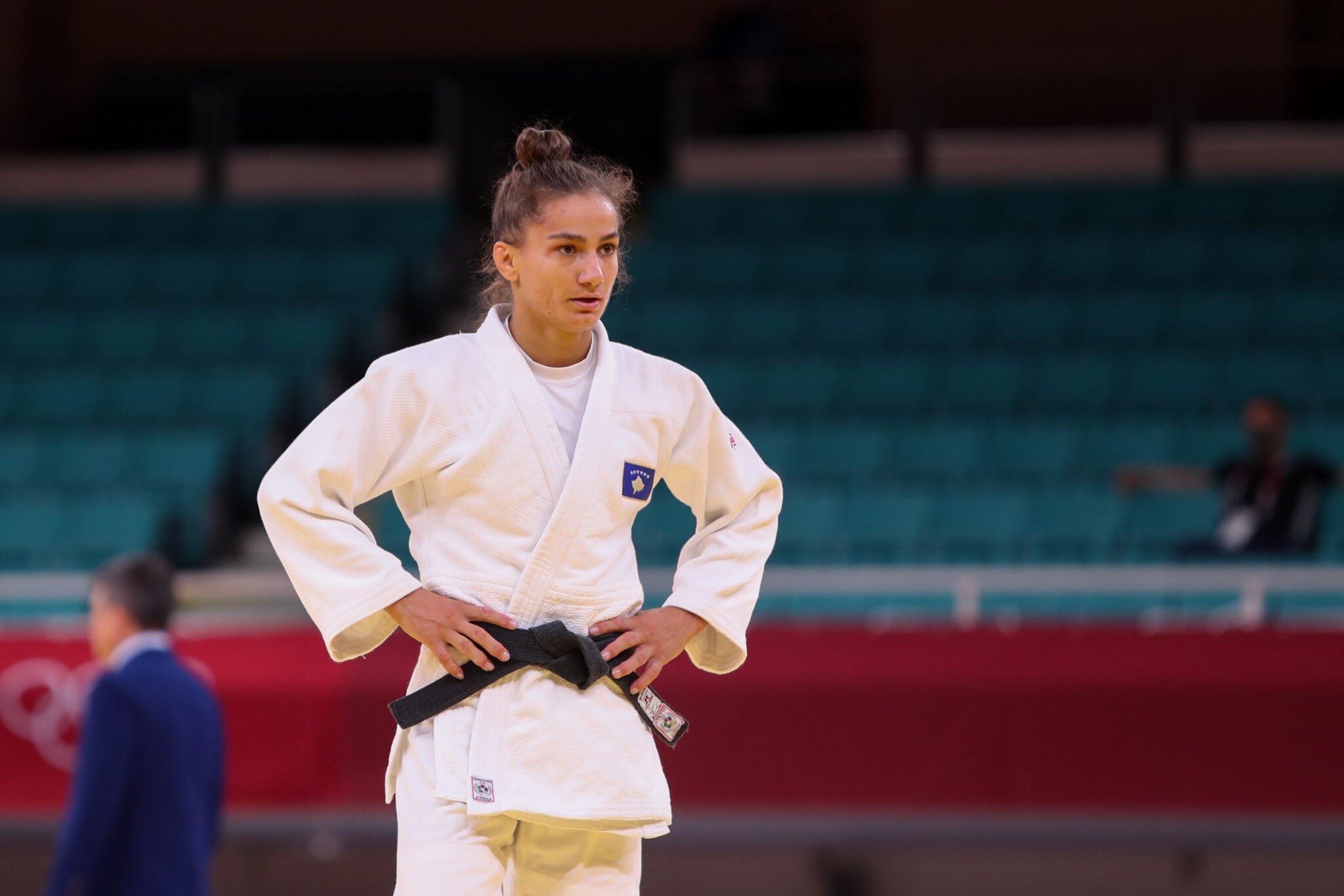
In judo, the journey to Olympic success is often mapped out years before the Games themselves and for many, that path runs straight through the U23 European Judo Championships. With the average age of Olympic champions sitting at around 25 for men and slightly above 26 for women, this age group provides the perfect bridge between junior promise and senior excellence.

The U23 Championships have long served as a proving ground for future champions, offering young athletes the space to experiment, develop, and test their skills against Europe’s best. Over time, it has become clear that triumph at this level often foreshadows even greater achievements. Ilias Iliadis, for instance, was just 16 when he first stood atop the podium in 2003, followed closely by compatriot Tariel Zintiridis and Hungarian star Eva Csernoviczki, all teenage winners who would go on to shape the sport. In recent years, the average age of champions has hovered around 21, with remarkable exceptions such as Joanne van Lieshout (17) and Sweden’s Tara Babulfath (18), who became the youngest-ever U23 European Championships winner in Pila last year.
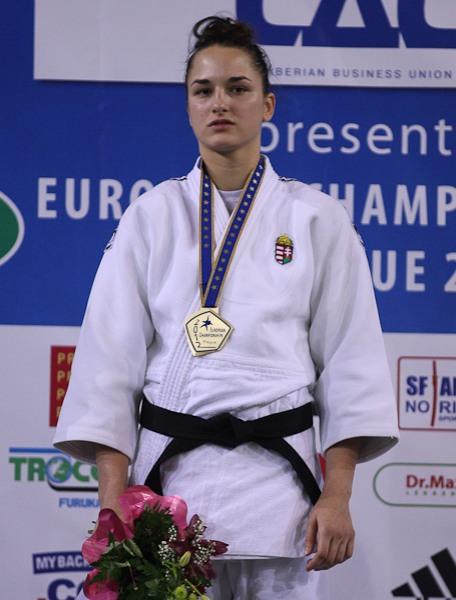
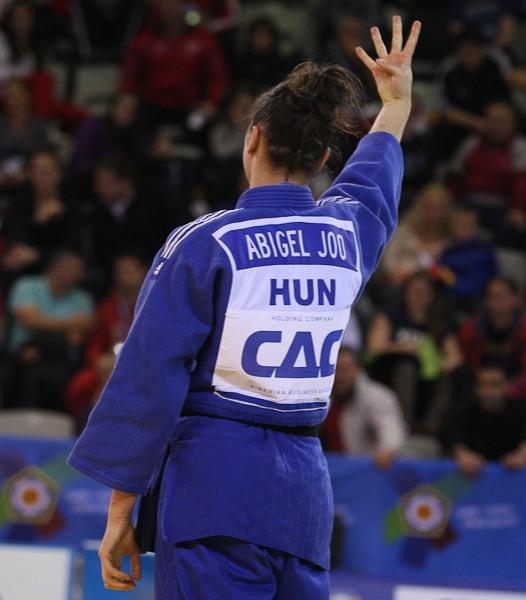
Hungary holds a special place in the competition’s history. Not only has the nation hosted the event twice, in 2018 and 2021, but Hungarian judoka also dominate the all-time medal table. Abigel Joo remains the most decorated athlete in the tournament’s 23-year history, with four U23 titles and a bronze to her name. Fellow Hungarian Bernadett Baczkó matched her medal tally with five, including two titles, while Serbia’s Andrea Stojadinov achieved the same feat. The country’s depth is further reflected in multiple-time champions such as Richard Sipocz, Éva Csernoviczki, and Barna Bor, while Zsombor Veg’s three silver medals tell a story of persistence and resilience that defines the sport.
Since its inception, the championship has crowned winners from 39 European nations, yet Russia, Hungary, and Germany stand out as the most successful, with 50, 31, and 29 titles respectively. The diversity of champions underscores Europe’s strength and depth in judo and the consistent emergence of Olympic-level talent from this event is no coincidence.
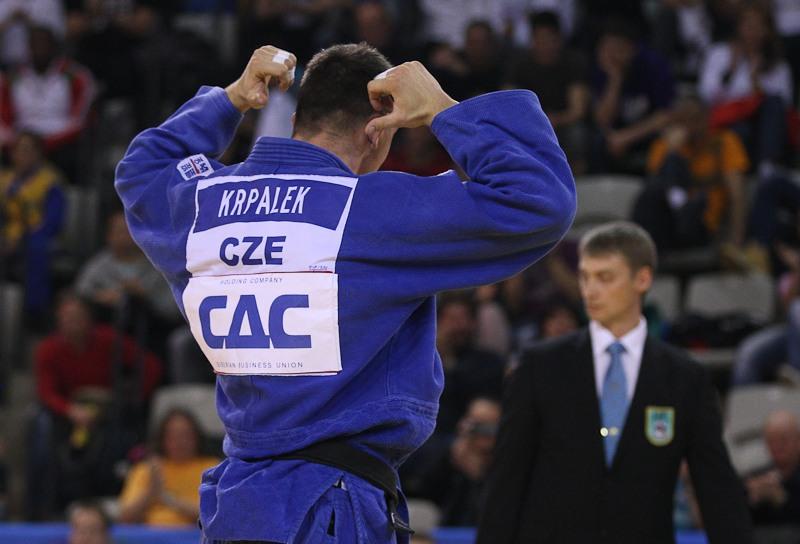
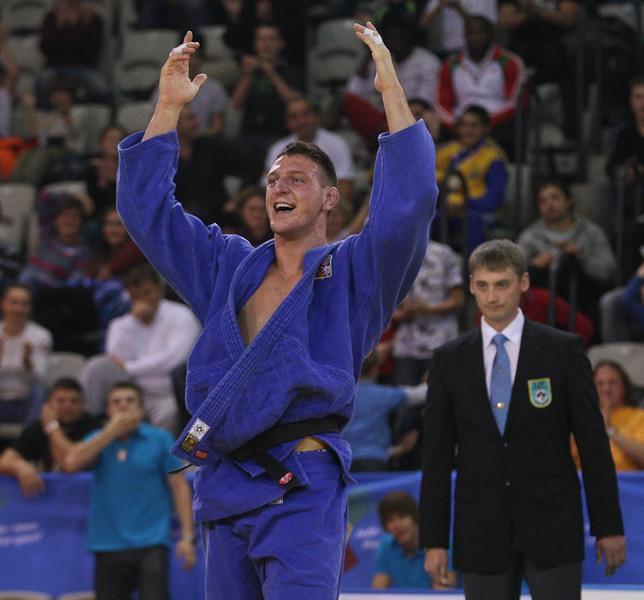
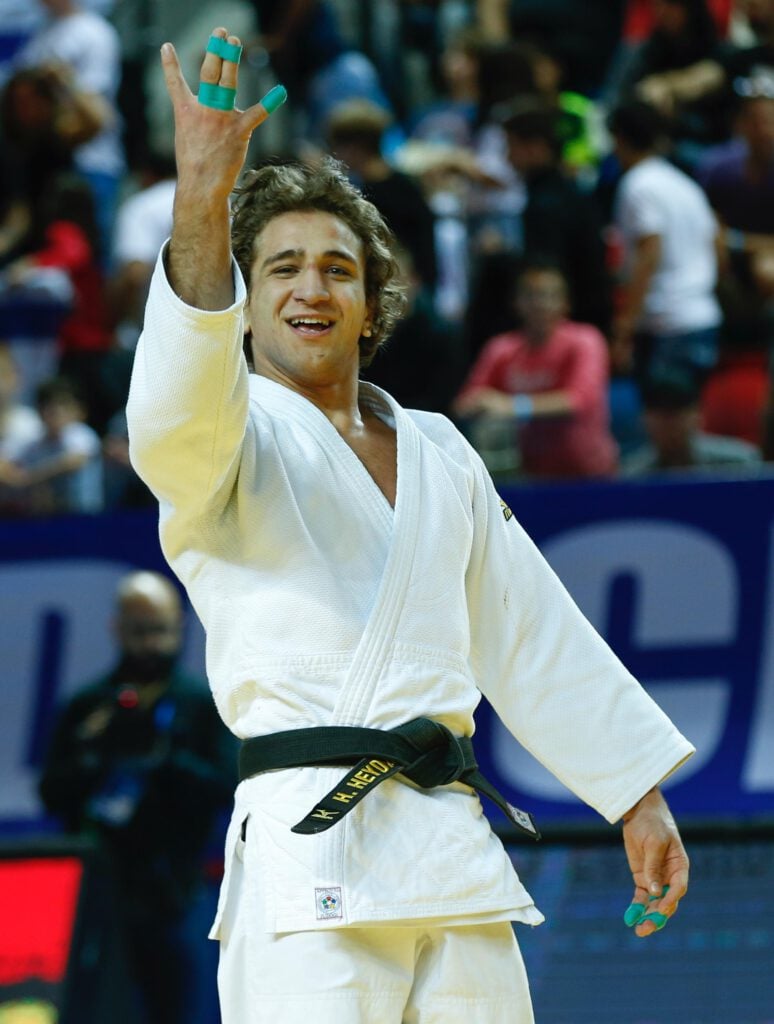
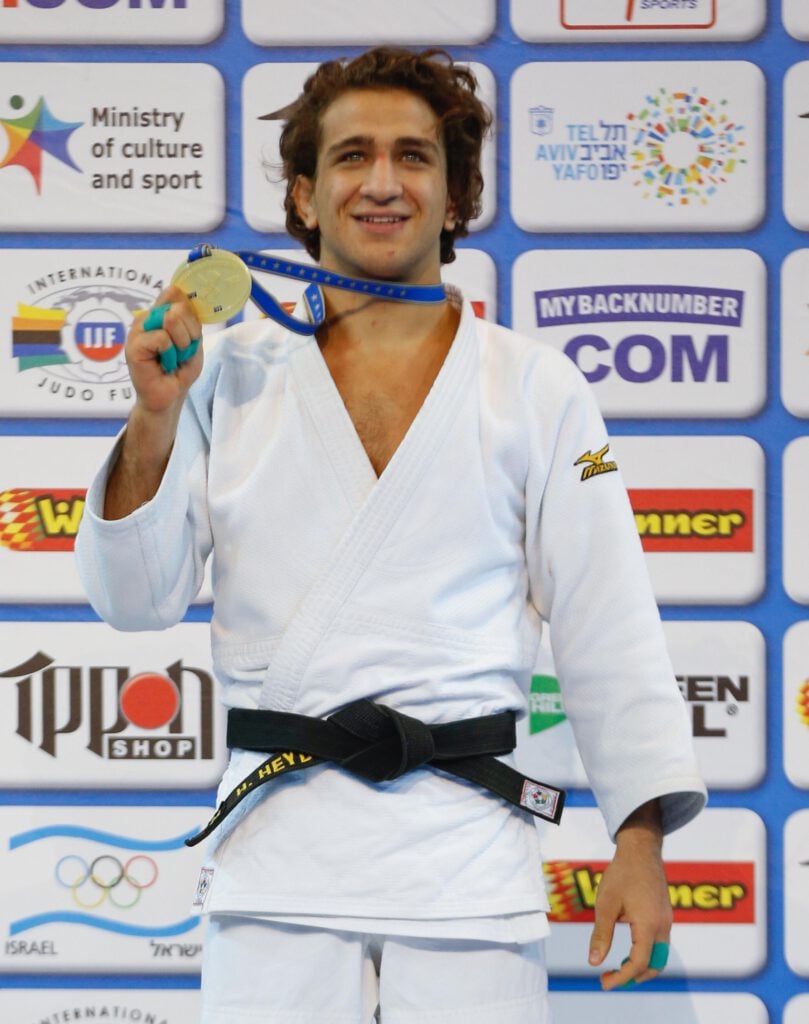
Many past winners have gone on to achieve the highest honours in the sport. Lukas Krpalek, for example, became U23 European champion in 2012 before going on to claim two Olympic gold medals. Kosovo’s golden generation, Distria Krasniqi, Majlinda Kelmendi, and Nora Gjakova, each began their journeys with U23 European titles before achieving Olympic medals in Rio, Tokyo and Paris. Mansur Isaev and Fabio Basile followed similar paths, both capturing Olympic golds shortly after conquering the U23 stage, while current -73kg Olympic champion Hidayat Heydarov also began his ascent as a U23 European champion.
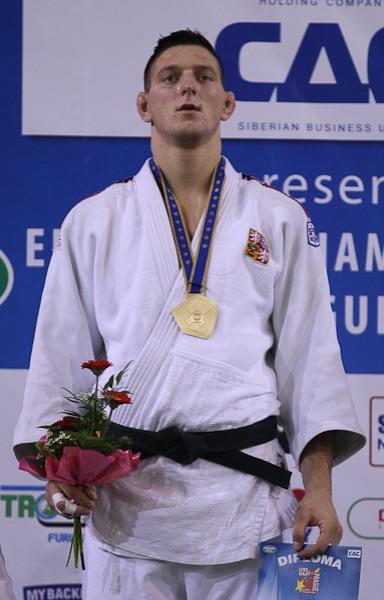
The evidence is undeniable: the European U23 Judo Championships are far more than a youth tournament. They are a launchpad for future greatness, the moment when talent, determination, and maturity begin to align. Each edition marks another step in the lifelong pursuit of seiryoku zen’yō and jita kyōei, maximum efficiency and mutual welfare, values that not only define judo but also shape the Olympic champions it produces.
Author: Hans Van Essen