





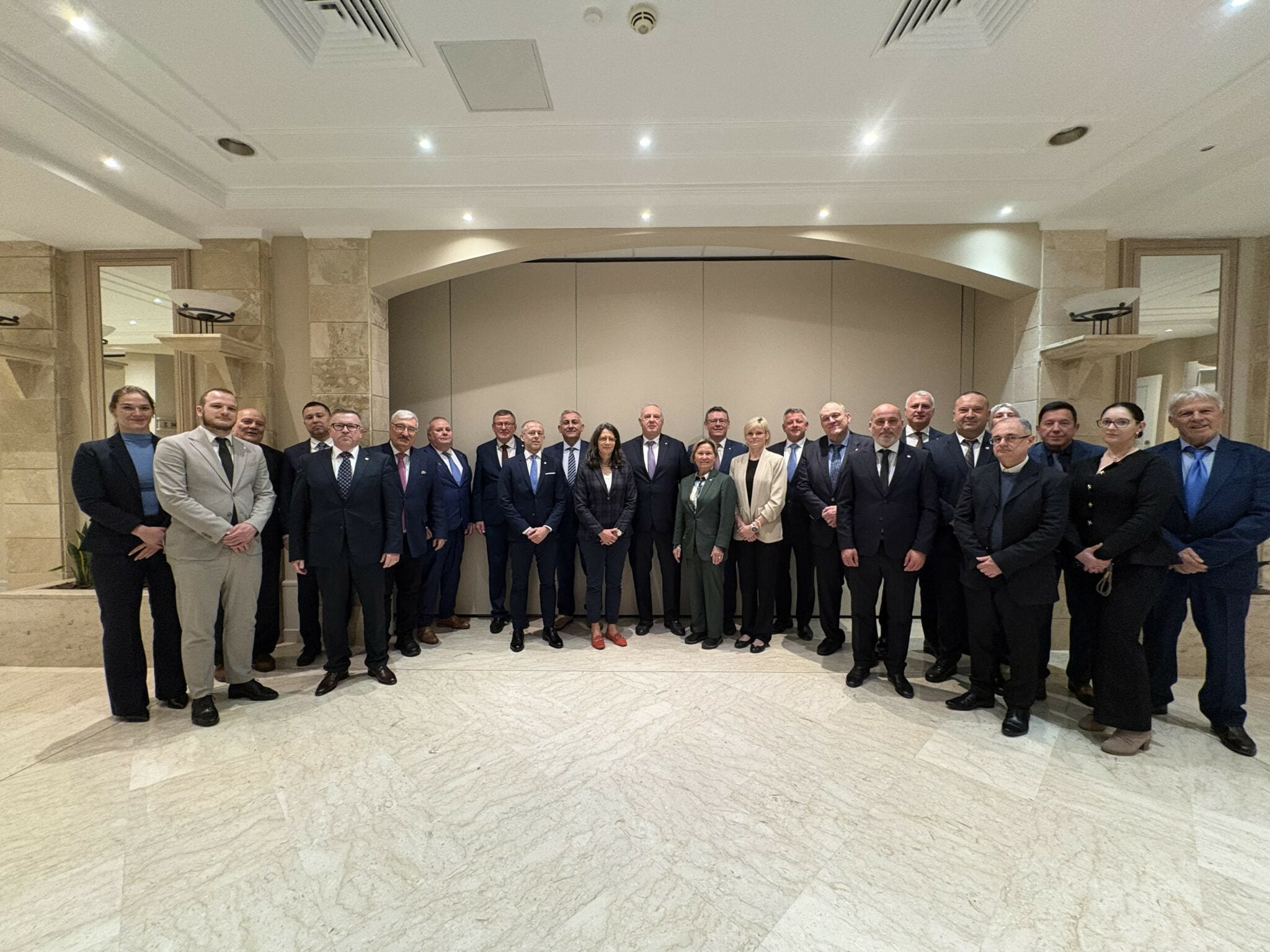
Between 11–12 March 2026, the Executive Committee of the European Judo Union convened in Malta for its first meeting of the year. The gathering brought together senior representatives to review developments across multiple sectors of the organisation.

Among the key topics discussed was the continued growth in participation at EJU events, which has prompted considerations regarding the possible extension of Cadet European Cups to a three-day competition format. The relocation of the Veteran European Championships also became an urgent matter following the French Judo Federation’s decision to return the organisational rights for the event. This issue was addressed during the meeting, with the EJU already actively working to identify a new host and venue. Finally, the Executive Committee also reviewed the EJU’s strong financial standing.
In this context, it was particularly timely to speak with EJU Treasurer and President of the Maltese Judo Federation, Mr Envic Galea, about the key outcomes and financial perspectives emerging from the recent discussions.
Malta hosted the first European Judo Union Executive Committee meeting of 2026. What did it mean for the Maltese judo community to welcome the EJU leadership here?
Envic Galea: Hosting the EJU Executive Committee in Malta was a moment of real pride for our judo community. It reaffirmed that Malta, despite its size, has always held an important place in both European and world judo. We were the organisers of the first-ever World Kata Championships, as well as several European Kata Championships, and we have hosted the Cadet European Championships twice. For many years, the EJU itself was registered in Malta (2004–2022), demonstrating the trust placed in our structures and people.
Welcoming the EJU leadership back to Malta was therefore more than symbolic. It strengthened our relationships, brought Europe’s decision-makers closer to our tatami and reminded our athletes, coaches, referees and volunteers that their work is recognised at the highest level.
Malta may be small in size, yet it continues to play an active role within the European judo family. How important is it for Malta to host meetings such as the Executive Committee gathering?
EG: For a small nation, visibility and engagement are essential. Hosting high-level meetings allows Malta to remain an active contributor to the European judo project. It reinforced our reputation as a reliable partner and gave us the opportunity to showcase our organisational capacity and hospitality.
These events also inspired our local community. They demonstrated that Malta is not on the periphery of European sport; we are part of the conversation, part of the decision-making and part of the future direction of judo on the continent.
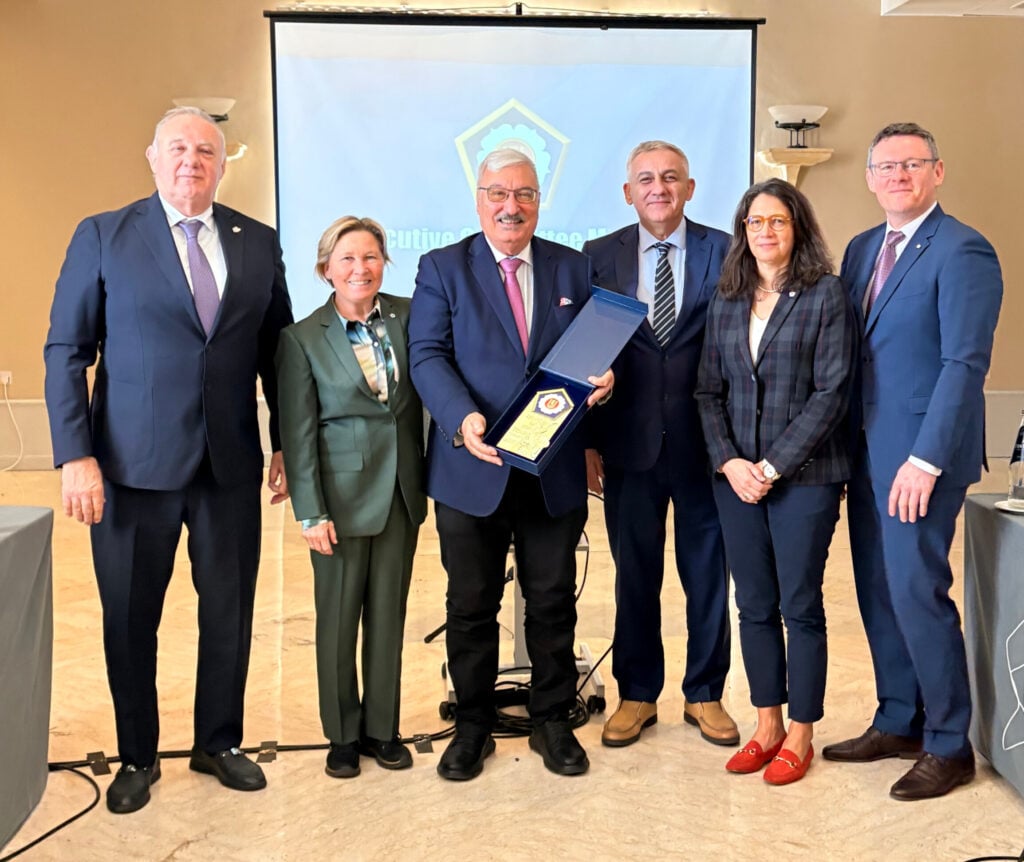
You were honoured with the ‘Hero of the Year’ award. What did this recognition mean to you personally after so many years dedicated to the development of judo?
EG: This award was deeply meaningful but not because of the title itself. I have always believed that no man is an island, in judo, you are only as strong as the people around you. Every achievement in my career has been built on the dedication, loyalty and hard work of the teams I have been privileged to work with.
For that reason, I dedicated this award entirely to my family and my team. It was a collective honour, a reflection of shared commitment and a reminder that progress in our sport is always the result of many hands working together.
As EJU General Treasurer, the Executive Committee meeting was also an important moment for reviewing the organisation’s financial outlook. What were the key priorities discussed as the union prepared for the 2026 season?
EG: Our financial discussions focused on ensuring that the EJU entered 2026 with stability, clarity and long-term sustainability. The key priorities included:
- Strengthening financial resilience during a period of rising operational costs.
- Supporting development programmes and ensuring resources reached federations that needed them most.
- Investing in education and digital transformation, which remain central pillars of the EJU’s future.
- Maintaining transparent governance so that every member federation could trust the processes guiding our decisions.
These priorities ensured that our financial planning remained aligned with the union’s strategic ambitions.
From your perspective within the Executive Committee, how important are these meetings for shaping the strategic direction of the European Judo Union in the years ahead?
EG: These meetings are essential for the long-term health and direction of European judo. They allow us to evaluate progress, address challenges and make decisions that influenced athletes, coaches, referees and national federations across the continent in a constructive and collaborative atmosphere.
When the Executive Committee meets, we are not only managing the present, we are shaping the future. It is where ideas become plans and where plans become actions that strengthen judo at every level.
Author: EJU Media